








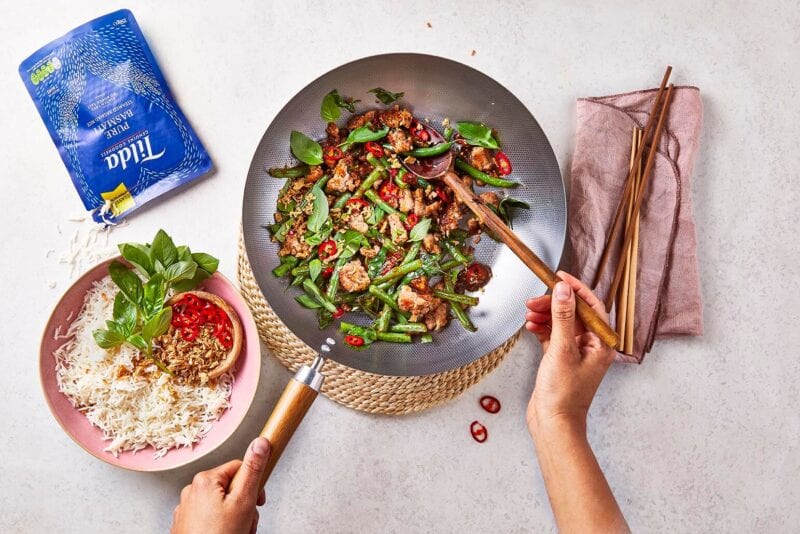

Introduction: Redefining Dinner in a Fast-Paced World
In today’s modern lifestyle, time has become one of the most valuable and limited resources. Long working hours, commuting, family responsibilities, and digital overload have dramatically reshaped how people approach daily meals. Dinner, once a slow and communal ritual, is increasingly compressed into a narrow window between obligations. Yet, the need for nourishment, comfort, and balance has not diminished. This is where the concept of the 10-minute dinner emerges—not as a compromise in quality, but as a strategic rethinking of efficiency, nutrition, and culinary intelligence.
A 10-minute dinner is not about shortcuts that sacrifice health or flavor. Instead, it represents a professional approach to time-aware cooking: understanding ingredients, mastering basic techniques, and designing meals that deliver maximum satisfaction with minimal preparation. This article explores the philosophy, science, techniques, ingredients, planning strategies, cultural relevance, and nutritional considerations behind the 10-minute dinner, demonstrating how speed and excellence can coexist in everyday home cooking.
1. What Is a 10-Minute Dinner?
1.1 Beyond Speed: A Culinary Definition
A 10-minute dinner refers to a complete, satisfying meal that can be prepared and served within approximately ten minutes of active cooking time. Importantly, this does not mean ultra-processed or nutritionally poor food. Instead, it relies on:
- Smart ingredient selection
- Efficient cooking methods
- Minimal but intentional preparation
- Clean, focused flavors
The goal is not culinary complexity, but culinary clarity.
1.2 Active Time vs. Total Time
Professional cooks distinguish between active cooking time and total time. Many 10-minute dinners may involve ingredients that are pre-washed, pre-cooked, or partially prepared, allowing the cook to focus on final assembly and flavor development. This distinction is essential to understanding how fast cooking can remain high quality.
2. Why 10-Minute Dinners Matter Today
2.1 Changing Lifestyles and Time Scarcity
Urbanization and digital work culture have compressed meal times. Many people skip dinner or rely on takeout due to perceived lack of time. 10-minute dinners provide a practical alternative that restores home cooking without demanding unrealistic commitments.
2.2 Health and Nutritional Control
Home-cooked meals—even quick ones—offer greater control over ingredients, portion sizes, salt, sugar, and fat levels. Compared to fast food or packaged meals, a 10-minute dinner can significantly improve dietary quality.
2.3 Mental Well-Being and Routine
Cooking, even briefly, can be grounding. The ritual of preparing a meal—chopping, stirring, tasting—offers a mental pause from the day. A 10-minute dinner preserves this benefit without adding stress.
3. The Culinary Science of Fast Cooking
3.1 Heat Transfer and Efficiency
Fast cooking relies on understanding heat transfer. High heat, direct contact, and thin ingredient cuts allow food to cook quickly while maintaining texture and flavor. Techniques such as stir-frying, pan-searing, and flash sautéing are central to 10-minute dinners.
3.2 Ingredient Surface Area
Smaller cuts increase surface area, speeding up cooking and enhancing browning. Thinly sliced proteins and vegetables cook evenly and rapidly, making them ideal for short cooking windows.
3.3 Flavor Concentration
Quick cooking favors bold, concentrated flavors. Ingredients like garlic, chili, citrus, soy sauce, cheese, herbs, and fermented condiments provide instant depth without long simmering times.
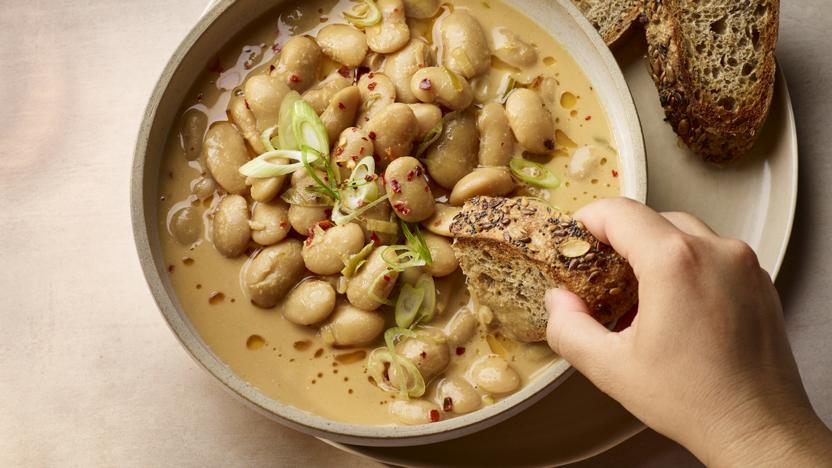
4. Essential Ingredients for 10-Minute Dinners
4.1 Proteins That Cook Fast
Choosing the right protein is critical. Ideal options include:
- Eggs
- Shrimp
- Thin-cut chicken breast
- Fish fillets (salmon, cod, tilapia)
- Tofu and tempeh
- Pre-cooked legumes
These proteins reach safe and optimal doneness quickly.
4.2 Vegetables That Require Minimal Cooking
Fast-cooking vegetables add nutrition and color without slowing the process:
- Spinach, arugula, kale
- Zucchini, mushrooms
- Bell peppers
- Cherry tomatoes
- Green onions
Many can be eaten raw or lightly cooked.
4.3 Carbohydrates with Speed
While grains often take time, smart choices include:
- Instant or pre-cooked rice
- Fresh pasta
- Couscous
- Flatbreads and wraps
- Noodles
These provide energy without lengthy preparation.
4.4 Flavor Boosters
A well-stocked pantry is essential:
- Olive oil, butter
- Soy sauce, miso, fish sauce
- Vinegars and citrus
- Spices and spice blends
- Fresh herbs
These transform simple ingredients into complete meals.
5. Core Techniques for 10-Minute Cooking
5.1 One-Pan Cooking
Using a single pan reduces cleanup and increases efficiency. Heat is concentrated, and flavors build quickly. Stir-fries, skillet meals, and quick sautés all fall into this category.
5.2 High-Heat Stir-Frying
Stir-frying allows ingredients to cook in minutes while retaining texture. Constant movement prevents burning and ensures even cooking.
5.3 Minimal Knife Work
Excessive chopping slows the process. Using pre-cut vegetables, tearing leafy greens by hand, or slicing ingredients quickly and uniformly saves time.
5.4 Strategic Layering
Adding ingredients in the correct order—aromatics first, proteins next, vegetables last—maximizes flavor without extending cooking time.
6. Structure of a Balanced 10-Minute Dinner
A nutritionally sound dinner, even in 10 minutes, should include:
- Protein for satiety and muscle maintenance
- Vegetables for fiber, vitamins, and minerals
- Carbohydrates or fats for energy and satisfaction
The balance does not require complexity—only intention.
7. Examples of 10-Minute Dinner Concepts
7.1 Protein-Centered Skillet Meals
A thin fish fillet seared with olive oil, garlic, and lemon can be paired with sautéed greens and served over warm bread or rice—all within ten minutes.
7.2 Egg-Based Dinners
Eggs are among the fastest proteins available. Omelets, scrambled eggs with vegetables, or fried eggs over toast can form a complete dinner when paired with salad or fruit.
7.3 Noodle and Pasta Dishes
Fresh noodles or pasta cook in minutes. Combined with a quick sauce—olive oil, cheese, herbs, or soy-based dressings—they create filling, comforting meals.
7.4 Plant-Based 10-Minute Meals
Tofu, chickpeas, and pre-cooked lentils can be quickly sautéed with spices and vegetables, offering fast, protein-rich vegetarian dinners.
8. Meal Planning for Speed
8.1 Mise en Place for Home Cooks
Professional kitchens rely on mise en place—having everything ready before cooking. At home, this can mean washing vegetables in advance, marinating proteins earlier in the day, or organizing the pantry.
8.2 Weekly Ingredient Strategy
Rather than planning rigid recipes, successful 10-minute dinners rely on versatile ingredients that can be combined in multiple ways throughout the week.
8.3 Reducing Decision Fatigue
Knowing that dinner can be prepared in ten minutes reduces stress and eliminates the temptation to default to unhealthy options.
9. Cultural Perspectives on Fast Home Cooking
9.1 Global Traditions of Quick Meals
Many cultures have long embraced fast home cooking:
- Asian stir-fries
- Mediterranean egg and vegetable dishes
- Middle Eastern flatbread meals
- Latin American rice-and-bean combinations
These traditions prove that speed and tradition are not mutually exclusive.
9.2 Modern Adaptations
Today’s 10-minute dinners are modern expressions of these traditions, adapted to contemporary schedules and kitchens.
10. Nutrition and Health Considerations
10.1 Avoiding Ultra-Processed Shortcuts
True 10-minute dinners prioritize fresh ingredients over heavily processed foods. Speed should come from technique, not additives.
10.2 Portion Control and Mindful Eating
Quick meals can still be eaten mindfully. Sitting down, plating the food, and eating without distraction improves digestion and satisfaction.
10.3 Long-Term Sustainability
Consistently preparing quick, balanced dinners supports long-term health better than cycles of takeout and skipped meals.
11. Psychological Benefits of the 10-Minute Dinner
Cooking quickly but intentionally reinforces a sense of agency. It transforms dinner from a burden into an achievable daily success, supporting confidence, routine, and self-care.
12. The Future of Home Cooking: Speed with Skill
As technology advances and lifestyles continue to accelerate, the 10-minute dinner represents the future of home cooking. It is not about lowering standards, but about refining skills. Knowledge, preparation, and smart choices replace time-consuming processes.
Conclusion: Small Time, Big Impact
The 10-minute dinner is not a compromise—it is a philosophy. It recognizes the realities of modern life while affirming the value of home-cooked food. By combining culinary knowledge, strategic planning, and respect for ingredients, it is possible to create meals that are fast, nourishing, and deeply satisfying.
In reclaiming just ten minutes each evening, home cooks can restore balance, health, and pleasure to one of the most important daily rituals. Dinner does not need hours to matter. Sometimes, ten minutes is enough to nourish both body and life.