








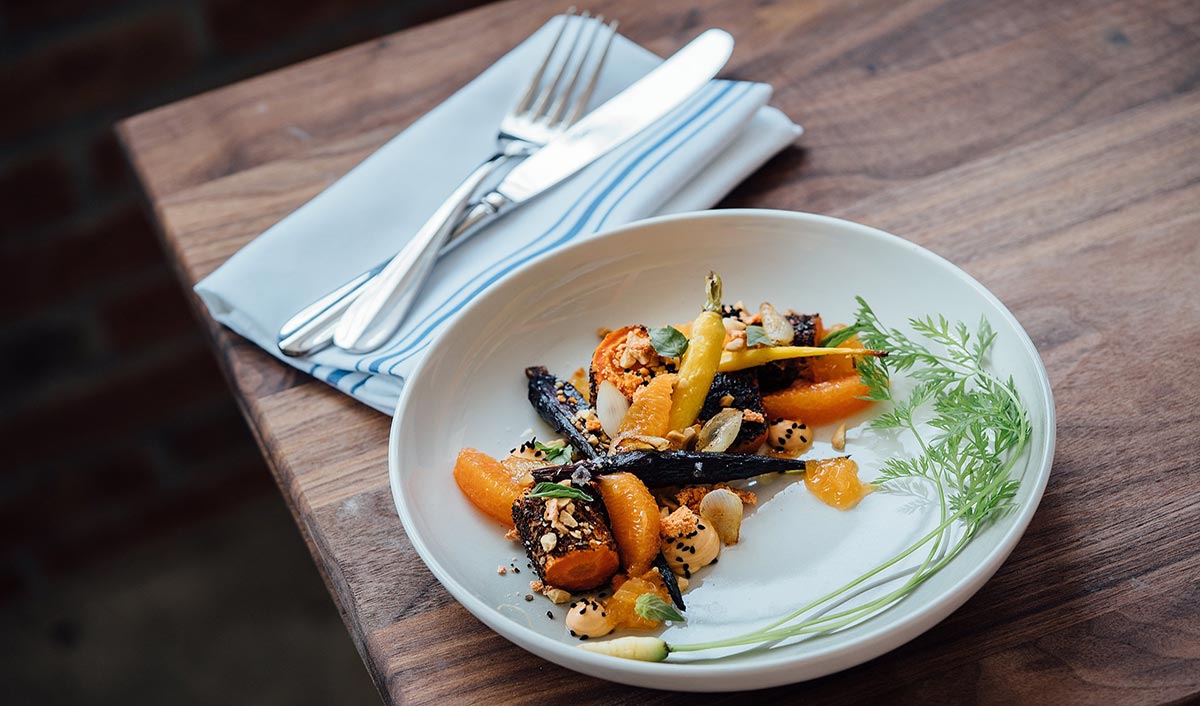

Culinary traditions around the world are rich with history, offering a window into the culture, heritage, and creativity of ancient civilizations. From the sophisticated dishes of ancient Rome to the rustic stews of medieval Europe, historical recipes have long served as the foundation for modern cuisine. Yet, as the culinary world evolves, there is a growing trend of modern chefs reimagining these age-old dishes, blending traditional ingredients and techniques with contemporary flavors, technologies, and dining experiences.
The modernization of historical dishes is not simply a matter of recreating old recipes but involves a process of innovation. By introducing new methods, global ingredients, and health-conscious alternatives, modern chefs are breathing new life into traditional fare, ensuring these culinary gems continue to delight new generations. This fusion of history and innovation results in dishes that respect their roots while embracing the future.
In this article, we explore how historical dishes from various cultures are being reinvented in today’s culinary scene. We examine key examples of this evolution, the factors driving these innovations, and the role of technology and sustainability in shaping the future of traditional cuisine.
1. The Evolution of Culinary Traditions
1.1 The Role of History in Shaping Modern Cuisine
Culinary traditions are rooted in history, with dishes often evolving based on geographic location, available resources, and cultural influences. In ancient times, food was primarily a means of survival, but over the centuries, it became a symbol of social status, creativity, and cultural identity. As trade routes expanded, new ingredients and cooking techniques were introduced, leading to the creation of more complex dishes and the fusion of culinary influences.
For example, the spice trade between Europe, Africa, and Asia brought exotic spices like saffron, cinnamon, and pepper to the kitchens of medieval Europe. Similarly, the introduction of tomatoes, potatoes, and chili peppers from the Americas transformed cuisines across the globe, forever changing the way people cooked and ate.
While historical dishes often carry the weight of tradition, they also reflect the dynamic nature of food culture. As society changes, so too do the ways we approach food. Today, chefs and home cooks alike are looking to the past not only for inspiration but as a springboard for innovation. In the modern kitchen, historical dishes are being revisited and transformed through a combination of nostalgia, creativity, and modern culinary technologies.
1.2 Culinary Innovation: From Tradition to Modernity
Innovation in cooking is not a new phenomenon; chefs have always sought to push the boundaries of flavor, texture, and presentation. However, what distinguishes today’s approach to innovation is the integration of technology, sustainability, and global influences into the cooking process. Modernist cuisine, molecular gastronomy, and the rise of plant-based cooking are just a few examples of how contemporary chefs are reshaping classic dishes to suit modern sensibilities.
For instance, traditional methods of fermentation and preservation, like pickling and curing, have been modernized in recent years through advanced techniques such as sous-vide cooking and controlled fermentation. Likewise, the popularity of plant-based diets has inspired chefs to create innovative twists on classic meat-based dishes, using plant proteins, alternative dairy, and vegetables in ways never before imagined.
The blending of historical culinary practices with modern technology and global trends results in dishes that are not only delicious but also reflect the evolving values of contemporary society — from sustainability and health consciousness to a greater appreciation for the cultural diversity that defines our globalized world.
2. Reinterpreting Historical Dishes
2.1 The Influence of Traditional French Cuisine
French cuisine is often regarded as the backbone of Western culinary traditions. Over the centuries, dishes like coq au vin, bouillabaisse, and soufflé have become emblematic of French culinary prowess. However, in recent years, chefs have been reinterpreting these classic dishes with modern ingredients and techniques.
- Coq au Vin: Traditionally, coq au vin is a slow-braised chicken dish, cooked in red wine with vegetables, herbs, and sometimes bacon. Modern variations of coq au vin often feature boneless, skinless chicken, lighter broths, and innovative presentations. Some chefs have even transformed the dish into a deconstructed version, serving the chicken and vegetables separately, allowing for a more contemporary and personalized experience.
- Soufflé: The delicate soufflé, a classic French dish, has been given new life by modern chefs experimenting with new flavors, textures, and presentations. For example, savory soufflés might incorporate unique ingredients like truffles, smoked salmon, or foie gras, while sweet soufflés may use unexpected combinations of fruits, herbs, or chocolate. Additionally, the use of molecular gastronomy has enabled chefs to create soufflés that retain the airy texture of traditional versions but with added visual and textural elements, such as edible foams and smoke.
The continued reinvention of French classics not only honors the techniques passed down through generations but also pushes the boundaries of what these dishes can become in a modern context.
2.2 Italian Cuisine: From Pizza to Molecular Pasta
Italian cuisine is another great example of a culinary tradition that has undergone significant modernization. Dishes like pizza and pasta, which have long been staples of Italian households, are now being transformed in innovative ways by chefs who blend classical techniques with contemporary trends.
- Pizza: Once a simple dish of flatbread topped with tomatoes, cheese, and a few other ingredients, pizza has become a canvas for endless creativity. In modern kitchens, pizzas may feature gluten-free crusts, exotic toppings like truffle oil or figs, or even molecular techniques to create sauces with unique textures. The idea of pizza as a gourmet dish has taken off in recent years, with chefs experimenting with upscale ingredients and flavors to elevate this humble dish.
- Molecular Pasta: Pasta, another pillar of Italian cuisine, has also seen modern reinterpretations. Molecular gastronomy has introduced novel textures and forms of pasta, such as pasta made from plant-based ingredients or pasta infused with unexpected flavors like black squid ink or saffron. Some chefs have even used techniques like foaming and emulsifying to create pasta sauces that defy traditional expectations.
In addition to these innovative dishes, Italian chefs are also experimenting with traditional recipes by incorporating plant-based ingredients or reducing the reliance on animal products, making them more in line with contemporary dietary trends.
3. Modern Technologies in Cooking: Tools and Techniques Driving Innovation
The innovation of historical dishes wouldn’t be possible without modern cooking technologies and techniques that allow chefs to reimagine the culinary process itself. From sous-vide to cryogenics, the possibilities are endless.
3.1 Sous-Vide Cooking
Sous-vide, a French term meaning “under vacuum,” is a cooking method where food is sealed in a vacuum bag and cooked in a water bath at precise temperatures for an extended period. This method allows for incredible control over texture and flavor, resulting in perfectly cooked dishes every time. Sous-vide is particularly useful for dishes that traditionally require slow cooking, like braised meats or stews, and has been widely adopted to modernize historical dishes such as pot roast and coq au vin.
By incorporating sous-vide techniques, chefs can take classic recipes and transform them into dishes with consistent texture and flavor while reducing the need for heavy oils or sauces.
3.2 Molecular Gastronomy
Molecular gastronomy is a branch of modern cooking that uses scientific techniques to manipulate food’s physical and chemical properties. Using ingredients like liquid nitrogen, alginates, and foams, chefs can create dishes that are visually stunning and have unexpected textures and flavors.
- Deconstructed Dishes: A modern take on historical dishes often involves “deconstructing” the original recipes. For instance, instead of serving a traditional French onion soup in a bowl, modern chefs might serve the flavors of the soup in the form of an onion foam, crispy cheese, and caramelized onion puree, presenting the ingredients in a completely new form.
- Edible Foams and Gels: Inspired by the works of chefs like Ferran Adrià, modern chefs have created edible foams and gels to bring historical flavors into new realms. For example, a classic dessert like crème brûlée may be reinterpreted using molecular techniques to create a light, airy foam of vanilla cream topped with caramelized sugar shards, transforming the texture and presentation while preserving the essence of the dish.
3.3 Sustainability and Health Consciousness
Modern innovations also take into account the growing interest in sustainability and health-conscious eating. Many chefs are reimagining traditional dishes with plant-based, organic, or low-fat alternatives to cater to contemporary dietary preferences. For example, plant-based versions of classic meat dishes, like “vegan coq au vin” or “jackfruit pulled pork,” are gaining popularity in response to the increasing demand for plant-based and sustainable food options.
Furthermore, chefs are using local, seasonal ingredients to support sustainability and reduce the environmental footprint of their dishes. This focus on sustainable sourcing allows for the modernization of historical recipes without sacrificing the integrity of traditional ingredients.
4. The Future of Historical Dishes
As global cuisine continues to evolve, the boundaries between traditional and modern cooking will continue to blur. The future of historical dishes lies in their ability to adapt to new culinary contexts while retaining their cultural essence. Innovation in the kitchen will enable the revival of forgotten dishes, reinterpretation of regional classics, and the creation of entirely new culinary experiences.
4.1 Global Fusion and Cross-Cultural Innovations
As globalization continues to bring diverse cuisines into the mainstream, there will be increasing opportunities for cross-cultural exchanges in the kitchen. Historical dishes will become more fluid, incorporating elements from various culinary traditions to create fusion dishes that reflect the global palate of the 21st century.
4.2 The Role of Technology in Shaping Future Dishes
Advances in cooking technology, such as artificial intelligence, precision cooking, and 3D food printing, will continue to open up new possibilities for innovation. The next frontier in modernizing historical dishes will involve combining these technologies with traditional knowledge to create culinary masterpieces that are as visually striking as they are delicious.
Conclusion
Modern innovations in historical dishes represent a beautiful balance of tradition and innovation. Chefs today are looking back to the past for inspiration, yet embracing modern techniques and global influences to reimagine these dishes for contemporary tastes. Through the integration of technology, sustainability, and creativity, the future of culinary traditions is both exciting and dynamic.
The modernization of historical dishes not only preserves the culinary heritage of the past but also ensures that these timeless recipes continue to evolve in a way that is relevant, sustainable, and inclusive of new cultural influences. As we move into a future of increasingly diverse and interconnected food systems, the fusion of historical dishes with modern innovations will continue to inspire and delight generations to come.