










Introduction: The Quiet Revolution of Small-Scale Food Production
In recent decades, the global food system has become increasingly centralized, industrialized, and standardized. Large-scale monoculture farming, multinational food corporations, and mass production have delivered efficiency and affordability, but often at the cost of flavor diversity, environmental resilience, cultural heritage, and transparency. Against this backdrop, a quiet but powerful counter-movement has emerged: micro-farms, independent bakeries, and artisanal fermentation brands.
These small-scale food producers are reshaping how food is grown, made, and valued. Rather than maximizing volume, they prioritize quality, locality, craftsmanship, ecological balance, and human connection. They operate at the intersection of agriculture, culture, and entrepreneurship, offering an alternative vision of food systems—one rooted in place, seasonality, and skill.
This article provides a comprehensive and professional examination of micro-farms, independent bakeries, and handcrafted fermentation brands. It explores their origins, philosophies, production methods, economic models, cultural significance, challenges, and future potential. Together, these enterprises represent not merely a niche trend, but a structural reimagining of food in the 21st century.
1. Micro-Farms: Redefining Agriculture at a Human Scale
1.1 What Is a Micro-Farm?
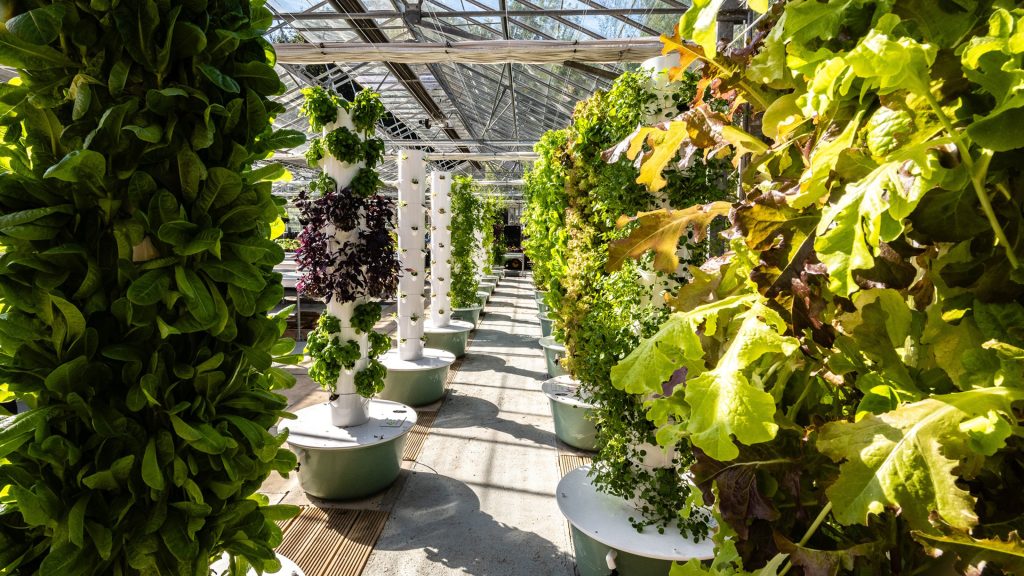
A micro-farm is a small-scale agricultural operation, often ranging from a few hundred square meters to a few hectares. Unlike industrial farms, micro-farms focus on diversified crops, intensive management, and direct relationships with consumers. Their defining characteristics include:
- Limited land area
- High crop diversity
- Ecological or regenerative practices
- Direct-to-consumer sales
- Labor-intensive, knowledge-driven management
Micro-farms are not defined by size alone, but by intent: producing food in harmony with ecological systems while sustaining the people who grow it.
1.2 Historical Roots and Contemporary Revival
Historically, most agriculture was small-scale. Industrial farming is a relatively recent development driven by mechanization, fossil fuels, and global trade. The revival of micro-farming reflects a return to older principles, informed by modern ecological science and social awareness.
Today’s micro-farms draw inspiration from traditional practices such as market gardening, permaculture, biodynamics, and indigenous land stewardship, while integrating contemporary tools and data.
2. Ecological Principles of Micro-Farming
2.1 Biodiversity as a Foundation
Micro-farms typically grow a wide range of crops—vegetables, herbs, fruits, flowers, and sometimes small livestock. This biodiversity reduces pest pressure, enhances soil health, and increases resilience to climate variability.
Rather than relying on chemical inputs, micro-farmers manage ecosystems through crop rotation, companion planting, and habitat creation.
2.2 Soil Health and Regeneration
Healthy soil is the cornerstone of micro-farming. Practices such as composting, cover cropping, minimal tillage, and organic amendments rebuild soil structure and microbial life.
By focusing on soil regeneration rather than extraction, micro-farms contribute to carbon sequestration and long-term agricultural sustainability.
2.3 Water and Resource Efficiency
Small-scale operations often use drip irrigation, rainwater harvesting, and careful crop selection to minimize water use. Energy consumption is typically lower than in industrial systems, and waste is often recycled back into the farm ecosystem.
3. Economic and Social Models of Micro-Farms
3.1 Direct-to-Consumer Relationships
Micro-farms frequently sell through farmers’ markets, community-supported agriculture (CSA) programs, local restaurants, and direct subscriptions. This short supply chain allows farmers to retain more value while offering transparency to consumers.
Trust, storytelling, and personal connection are integral to these relationships.
3.2 Challenges of Scale and Labor
Despite their benefits, micro-farms face significant challenges. Labor demands are high, margins can be thin, and access to land is often limited. Financial sustainability requires careful planning, diversified income streams, and community support.
Nevertheless, many micro-farms succeed by aligning economic goals with lifestyle values rather than growth for its own sake.
4. Independent Bakeries: Craft, Time, and Grain
4.1 The Meaning of Independent Baking
Independent bakeries operate outside large industrial baking systems. They are typically small, locally owned, and deeply involved in every stage of production—from ingredient sourcing to fermentation, shaping, and baking.
These bakeries emphasize craftsmanship, time, and sensory skill rather than speed and uniformity.
4.2 Flour, Grain, and Origin
One of the defining features of independent bakeries is renewed attention to grain. Many work with locally grown or stone-milled flours, ancient grains, or heritage wheat varieties.
By reconnecting bread to its agricultural origins, independent bakers challenge the anonymity of industrial flour and revive regional grain cultures.
5. Fermentation as a Central Practice in Baking
5.1 Natural Leavening and Sourdough
Sourdough fermentation is a cornerstone of independent baking. Wild yeast and lactic acid bacteria create complex flavors, improved digestibility, and longer shelf life.
This slow fermentation process contrasts sharply with commercial yeast-driven baking, which prioritizes speed over depth.
5.2 Health, Texture, and Flavor
Long fermentation breaks down gluten, reduces phytic acid, and enhances mineral bioavailability. The resulting bread often has better texture, aroma, and nutritional profile.
Independent bakeries educate consumers about these benefits, reframing bread as a living food rather than a commodity.
6. Independent Bakeries as Cultural Spaces
6.1 Bakeries as Community Anchors
Independent bakeries often function as social hubs. They are places where neighbors gather, conversations unfold, and daily rituals take shape. The physical presence of a bakery—its smells, rhythms, and human scale—contributes to neighborhood identity.
6.2 Education and Transparency
Many independent bakers engage directly with customers, explaining ingredients, processes, and sourcing. Workshops, open kitchens, and social media further demystify baking and build trust.
7. Artisanal Fermentation Brands: Living Foods and Living Cultures
7.1 Defining Artisanal Fermentation
Artisanal fermentation brands specialize in foods produced through controlled microbial activity. These include:
- Kombucha and fermented beverages
- Kimchi, sauerkraut, and pickled vegetables
- Yogurt, kefir, and cultured dairy
- Miso, soy sauce, and fermented pastes
- Vinegar and fermented condiments
Unlike industrial fermentation, artisanal fermentation is typically small-batch, minimally processed, and often unpasteurized.
7.2 Fermentation as Preservation and Transformation
Fermentation has been used for millennia to preserve food, enhance flavor, and improve nutrition. Artisanal brands revive these traditions while adapting them to modern tastes and safety standards.
Fermentation transforms raw ingredients into complex, dynamic foods that evolve over time.
8. Science, Craft, and Microbial Stewardship
8.1 Microbial Ecology in Fermentation
Artisanal fermenters work with living microbial ecosystems. Temperature, salt concentration, oxygen exposure, and time must be carefully managed to guide fermentation safely and consistently.
This requires both scientific understanding and sensory intuition.
8.2 Health and Functional Foods
Many fermented foods are valued for their probiotic potential, digestive benefits, and immune-supporting properties. While scientific research continues to evolve, consumer interest in functional foods has driven demand for high-quality fermented products.
Artisanal brands emphasize freshness, live cultures, and ingredient integrity.
9. Shared Values Across Micro-Farms, Bakeries, and Fermentation Brands
9.1 Localism and Place-Based Identity
All three sectors prioritize locality. Ingredients are sourced nearby when possible, production is embedded in local ecosystems, and flavors reflect regional conditions.
This place-based approach counters the placelessness of industrial food.
9.2 Transparency and Trust
Small-scale producers rely on trust rather than anonymity. Customers often know who grows, bakes, or ferments their food. This transparency fosters accountability and long-term relationships.
9.3 Craft Over Scale
These enterprises value skill, time, and attention. Growth is often measured in quality and resilience rather than output volume.
10. Economic and Structural Challenges
10.1 Regulatory Barriers
Food safety regulations are often designed for large-scale operations, creating disproportionate burdens for small producers. Compliance costs, certification requirements, and infrastructure demands can limit growth.
Advocacy for scale-appropriate regulation is a key issue for the sector.
10.2 Pricing and Consumer Education
Artisanal products often cost more due to labor intensity and quality inputs. Educating consumers about true food costs—environmental, social, and health-related—is essential for long-term viability.
11. The Role of Technology and Digital Platforms
11.1 Direct Sales and Communication
Digital tools enable micro-farms, bakeries, and fermentation brands to communicate directly with customers, manage subscriptions, and tell their stories.
Online presence complements physical proximity, expanding reach without sacrificing identity.
11.2 Knowledge Sharing and Collaboration
Producers increasingly share techniques, research, and experiences through online networks, strengthening collective knowledge and resilience.
12. Cultural and Global Significance
Across continents, small-scale food producers are reclaiming traditional knowledge while innovating responsibly. This movement intersects with broader concerns about climate change, food sovereignty, and cultural preservation.
Micro-farms, independent bakeries, and artisanal fermentation brands demonstrate that food systems can be both efficient and humane, modern and rooted.
Conclusion: Small Scale, Lasting Impact
Micro-farms, independent bakeries, and handcrafted fermentation brands represent a profound shift in how food is valued and produced. They challenge dominant industrial models by proving that small-scale, skill-intensive, and place-based systems can be economically viable, environmentally sound, and culturally meaningful.
These enterprises do more than feed people. They regenerate soil, revive traditions, cultivate community, and reconnect consumers with the living processes behind their food. In an era of global uncertainty and ecological strain, their significance extends far beyond their size.
By supporting micro-farms, independent bakeries, and artisanal fermentation brands, societies invest not only in better food, but in more resilient, ethical, and human-centered food systems—ones capable of nourishing both present and future generations.