









In an era of growing environmental awareness, the connection between food choices and ecological impact has become increasingly prominent. Among strategies to mitigate environmental damage, seasonal purchasing—choosing fruits, vegetables, and other products based on their natural harvest cycles—emerges as both a practical and scientifically supported approach. This practice not only supports local agriculture but also significantly reduces the carbon footprint associated with food production, transportation, and storage.
This article explores the environmental, economic, nutritional, and cultural dimensions of seasonal purchasing. It highlights how adopting this practice can contribute to sustainability, promote public health, and foster resilient local food systems.
Understanding Seasonal Purchasing
Seasonal purchasing is the act of selecting food items that are naturally available during a specific time of year in a given region. Unlike globalized supermarket models that import products year-round, seasonal consumption aligns with local agricultural cycles. Key principles include:
- Local Availability: Prioritizing foods grown within a proximate geographic area.
- Harvest Alignment: Consuming fruits and vegetables during their peak harvest periods ensures freshness and flavor.
- Minimal Processing: Seasonal products typically require less artificial ripening, refrigeration, and packaging, reducing energy consumption.
This approach contrasts with conventional food systems where global distribution allows access to out-of-season produce, often at the expense of increased greenhouse gas emissions.
Environmental Benefits of Seasonal Purchasing
The environmental rationale for seasonal consumption is compelling. Food production and supply chains are significant contributors to global carbon emissions. According to the Food and Agriculture Organization (FAO), agriculture accounts for approximately 24% of global greenhouse gas emissions, with transportation, refrigeration, and storage intensifying the impact for imported and out-of-season foods.
Reduced Transportation Emissions
Seasonal foods often travel shorter distances from farm to table, lowering transportation-related emissions. For instance:
- Locally grown tomatoes in summer reduce reliance on imported produce flown from other continents.
- Root vegetables in winter, sourced regionally, require less cold-chain transport than shipped alternatives.
Lower Energy Consumption
Out-of-season produce often depends on greenhouse cultivation, artificial lighting, or controlled storage, all of which increase energy demand. Seasonal purchasing reduces the need for such interventions, cutting emissions associated with electricity, heating, and refrigeration.
Soil and Water Conservation
Consuming seasonal crops supports agricultural practices that align with natural growth cycles, reducing the need for chemical fertilizers, excessive irrigation, and soil amendments often used to force off-season production. This contributes to long-term ecosystem health and biodiversity preservation.
Economic Advantages
Beyond environmental benefits, seasonal purchasing offers economic advantages for both consumers and local producers:
- Lower Prices for Peak-Season Produce: Foods harvested in abundance are often cheaper due to supply exceeding demand.
- Support for Local Farmers: Seasonal buying strengthens regional economies, stabilizes farm incomes, and encourages sustainable farming practices.
- Reduced Waste Costs: Seasonal foods are fresher and more resilient, reducing spoilage and associated financial losses for retailers and households.
These economic incentives reinforce the environmental rationale, demonstrating that sustainability and affordability can coexist.
Nutritional and Culinary Advantages
Seasonal foods often provide superior nutrition and flavor compared to imported or off-season alternatives:
- Enhanced Nutrient Content: Fruits and vegetables consumed close to harvest retain more vitamins, minerals, and antioxidants. For example, summer berries or autumn squash deliver higher nutrient density when in season.
- Improved Taste and Texture: Natural ripening processes enhance flavor, sweetness, and texture, supporting culinary creativity and satisfaction.
- Variety Across Seasons: Rotating foods with the seasons encourages dietary diversity, which is associated with better overall nutrition and health outcomes.
Chefs and home cooks can leverage seasonal availability to create menus that are both flavorful and nutritionally balanced, reducing reliance on processed ingredients.
Cultural and Community Impacts
Seasonal purchasing also strengthens cultural identity and fosters community engagement:
- Preservation of Culinary Traditions: Many traditional dishes are tied to seasonal harvests, maintaining cultural heritage.
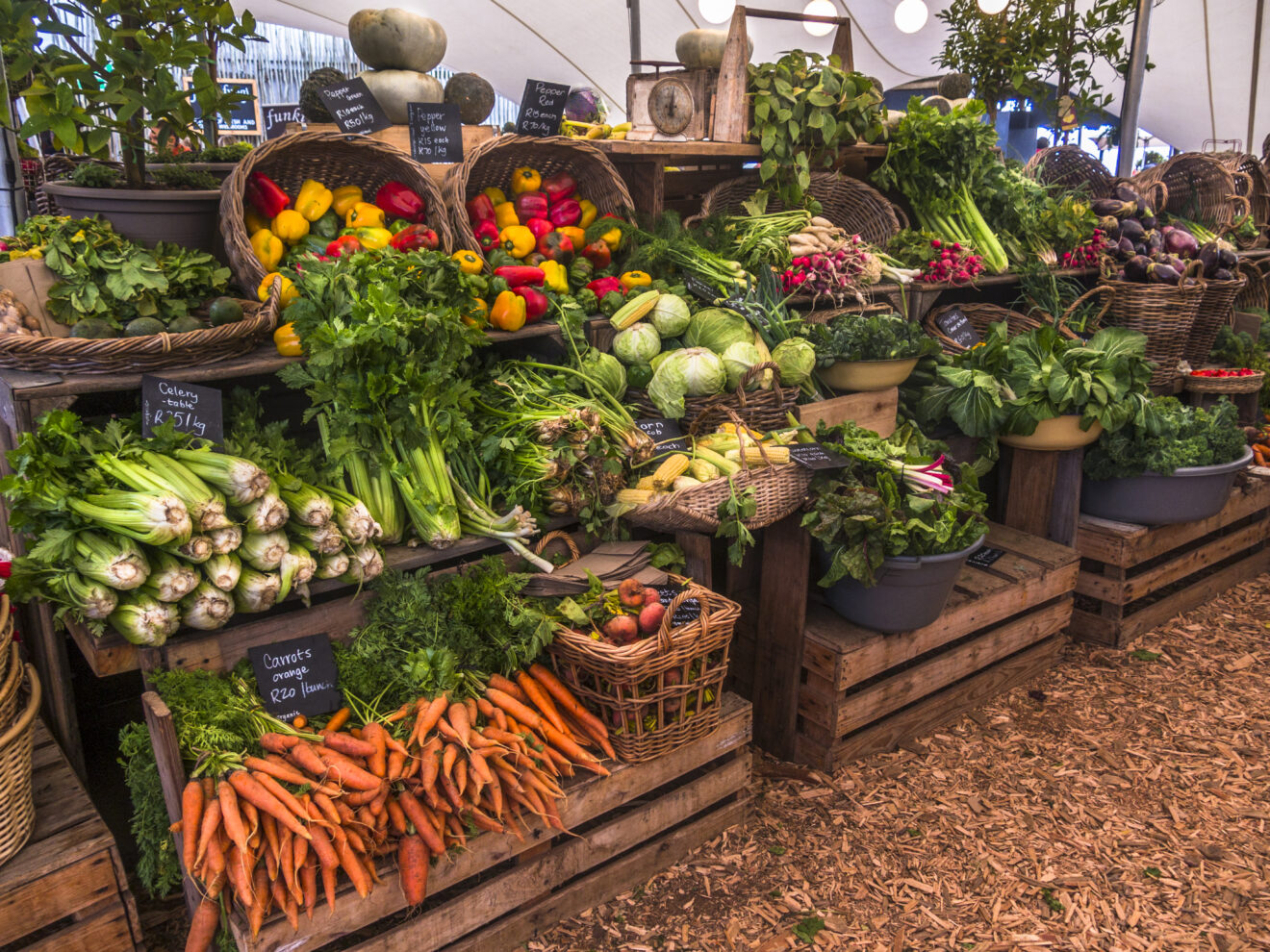
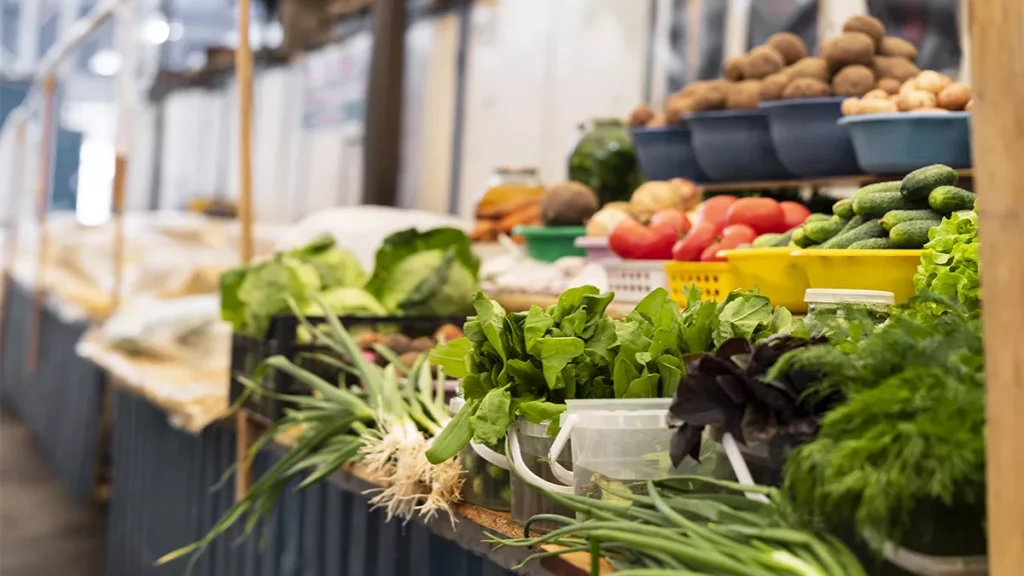
- Connection to Local Agriculture: Farmers’ markets, community-supported agriculture (CSA) programs, and farm-to-table initiatives enable consumers to engage directly with producers.
- Educational Opportunities: Seasonal consumption encourages learning about agricultural cycles, environmental sustainability, and food systems.
Through these cultural dimensions, seasonal purchasing transcends mere consumption, becoming a social and educational practice that nurtures community resilience.
Measuring the Carbon Footprint of Food
Understanding how seasonal purchasing reduces carbon emissions requires examining the lifecycle of food products:
- Production Phase: Energy and fertilizer inputs vary by crop type and growing method. Seasonal crops grown outdoors typically require fewer inputs than greenhouse or hydroponic alternatives.
- Processing and Packaging: Minimally processed seasonal foods generate less packaging waste and reduce emissions from industrial operations.
- Transportation: Locally sourced seasonal produce drastically cuts emissions associated with long-distance shipping, including air freight and refrigerated trucking.
- Storage: Reduced need for long-term cold storage lowers energy consumption and associated greenhouse gas emissions.
Quantitative studies estimate that choosing local, seasonal produce can reduce the carbon footprint of meals by up to 50%, depending on the crop and transportation distance. This makes seasonal purchasing a practical, measurable tool for climate-conscious consumption.
Global Case Studies
Europe: Farm-to-Table Movement
Countries such as France and Italy emphasize seasonal, locally sourced ingredients in their culinary traditions. Farmers’ markets flourish, connecting consumers directly to producers and highlighting the link between seasonal produce and regional cuisine. Research indicates that regions with strong local sourcing networks see measurable reductions in food-related carbon emissions.
North America: Community-Supported Agriculture (CSA)
CSA programs offer consumers weekly shares of seasonal produce harvested locally. By reducing reliance on imported and out-of-season goods, CSAs foster sustainability while supporting small-scale farmers. Studies show CSA members increase their seasonal consumption and reduce their ecological footprint.
Asia: Traditional Market Systems
In countries like Japan and India, traditional wet markets prioritize seasonality, aligning diet with harvest cycles. Seasonal festivals and culinary practices reinforce awareness of food availability, cultural heritage, and ecological mindfulness.
These case studies demonstrate that seasonal purchasing is a globally adaptable strategy that combines environmental, social, and economic benefits.
Barriers and Challenges
Despite its advantages, seasonal purchasing faces challenges:
- Consumer Awareness: Many consumers lack knowledge about seasonal cycles or the environmental impact of out-of-season foods.
- Convenience and Availability: Modern supermarkets often stock imported produce year-round, reducing motivation to select seasonal options.
- Price Fluctuations: Seasonal abundance does not always guarantee affordability, particularly for niche or high-demand crops.
- Urban Supply Chains: City residents may have limited access to local markets or farms, complicating seasonal purchasing choices.
Addressing these barriers requires education, infrastructure development, and policy incentives to encourage environmentally responsible consumption.
Policy and Industry Strategies
Governments and businesses can support seasonal purchasing through:
- Labeling Initiatives: Clear labeling of seasonal and locally sourced produce guides consumer choices.
- Incentives for Farmers: Subsidies or grants for seasonal crop production encourage sustainable practices.
- Educational Campaigns: Promoting awareness about carbon footprints, health benefits, and local agriculture fosters informed consumption.
- Urban Agriculture: Community gardens and urban farms enhance access to seasonal foods in metropolitan areas.
Collaboration among policymakers, businesses, and consumers is crucial for embedding seasonal purchasing in mainstream food systems.
Technological Innovations Supporting Seasonal Consumption
Emerging technologies can facilitate seasonal food choices and reduce carbon footprints:
- Digital Seasonal Guides: Apps and online platforms provide real-time information on what produce is in season locally.
- Supply Chain Optimization: Smart logistics minimize transport distances and reduce refrigeration needs.
- Blockchain and Traceability: Transparent tracking of produce from farm to table helps consumers verify seasonal and local sourcing.
- Urban Vertical Farms: Innovative indoor farming can complement seasonal availability while prioritizing energy efficiency and minimal environmental impact.
Technology thus amplifies the feasibility and effectiveness of seasonal purchasing in modern contexts.
Lifestyle and Culinary Implications
Incorporating seasonal purchasing into daily life reshapes culinary habits:
- Menu Planning: Meals adapt naturally to the rhythm of seasonal produce, inspiring creative cooking.
- Dietary Benefits: Seasonal diversity ensures nutrient variety, supporting long-term health.
- Waste Reduction: Fresher, locally sourced foods last longer and generate less household waste.
- Enhanced Food Enjoyment: Peak-season produce is more flavorful, elevating dining experiences and culinary satisfaction.
These lifestyle adaptations demonstrate that seasonal purchasing offers tangible benefits for individuals, communities, and the planet.
Conclusion
Seasonal purchasing represents a practical, scientifically supported strategy to reduce the carbon footprint of food systems while enhancing nutritional quality, culinary diversity, and cultural engagement. By prioritizing locally grown, in-season foods, consumers can lower greenhouse gas emissions, support sustainable agricultural practices, and reconnect with the natural rhythms of food production.
In an era of globalized food supply chains and environmental uncertainty, seasonal purchasing is not merely a dietary choice—it is a conscious, impactful action that harmonizes ecology, culture, and gastronomy. The widespread adoption of this practice, supported by policy, technology, and education, can play a pivotal role in building sustainable, resilient, and low-carbon food systems for the future.