








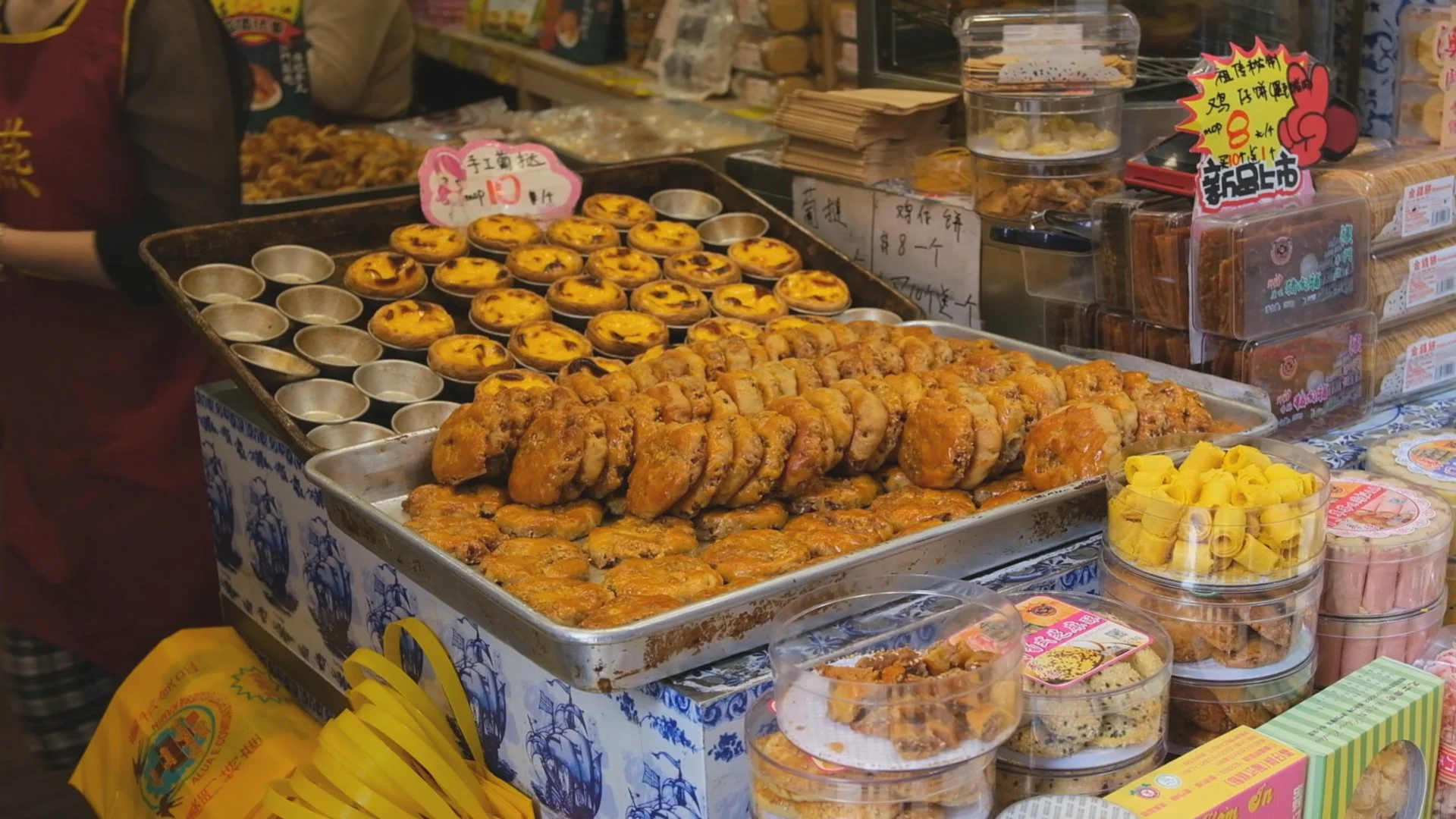

Introduction: The Rise of Culinary Tourism
In the modern era of travel, the exploration of local cuisine has become just as significant as the destination itself. Travelers and food enthusiasts are no longer content with generic dining experiences or tourist-trap restaurants. Instead, they are increasingly seeking out local snack stalls, street food vendors, and authentic culinary experiences that offer a true taste of a region’s culture.
The growing interest in authentic cuisine is part of a broader movement in food tourism, where people are driven not just by the sights and landmarks of a place, but by the opportunity to taste its soul through food. This trend is reshaping the culinary landscape, encouraging a shift away from high-end restaurants to more grassroots, locally driven food scenes. In this article, we will explore why local snack stalls and authentic cuisine recommendations have become the new frontier for travelers and food lovers, and how this evolution is influencing the food industry worldwide.
Section I — The Changing Landscape of Culinary Tourism
1. The Appeal of Authenticity in Food Experiences
In the age of globalization, many travelers seek food experiences that are genuine and culturally grounded. While global fast food chains offer convenience, they lack the connection to local traditions, flavors, and stories. In contrast, local snack stalls offer unique dishes that reflect the cultural fabric of a region, showcasing the diversity of ingredients, preparation techniques, and flavor profiles that cannot be replicated anywhere else.
Local food allows travelers to connect with a destination on a deeper level. When people eat at street food stalls or dine in family-run eateries, they engage with local culture in a more personal and immersive way. These experiences evoke a sense of place, history, and authenticity that chain restaurants or mass-produced dishes cannot replicate. As such, authentic local food has become a key component of the modern travel experience.
2. The Rise of Food Blogs and Social Media
One of the major driving forces behind this shift is the influence of food blogs, Instagram, YouTube, and other social media platforms. Food influencers and travelers alike are sharing their discoveries of local eateries, street food stalls, and hidden gems with their audiences. This has helped spread the word about the authentic culinary treasures found off the beaten path, encouraging food tourism and making it easier for others to find these unique food experiences.
Platforms like TripAdvisor and Google Reviews also play an essential role in democratizing recommendations, with travelers offering advice on the best local snacks, hidden restaurants, and must-try dishes in their travel destinations. As food lovers increasingly turn to peer recommendations, the spotlight is shifting away from mainstream establishments to smaller, independent vendors offering genuine culinary experiences.
3. The Impact of Food-Centric Travel Experiences
Food-centric travel is no longer just about dining; it’s about immersing oneself in the culture. For many, the act of eating becomes a form of cultural exploration. Travelers are no longer just visiting landmarks; they are exploring the identity of a place through its food. Countries like Thailand, Mexico, Japan, and Italy have long been known for their vibrant street food scenes, and now, travelers are eager to experience regional variations of dishes that might not be readily available in tourist districts.
With food tourism on the rise, destinations are now promoting their local snack stalls and authentic eateries as part of their tourism packages. From food tours to local food festivals, food is becoming the central theme of travel for an increasing number of people. This shift is not only benefiting the local food scene but is also driving economic growth by fostering the local food economy.
Section II — What Makes Local Snack Stalls So Appealing?
1. Accessibility and Affordability
One of the key reasons why local snack stalls have gained so much popularity is their affordability. Compared to fine dining or high-end restaurants, street food offers an affordable way to experience authentic flavors. This accessibility allows travelers to sample a variety of dishes without breaking the bank, making it possible to experience the true culinary culture of a place without the cost of fancy restaurants.
Additionally, these stalls often offer quick, casual dining that allows travelers to eat on the go. Whether it’s a bowl of noodles in a Bangkok alley or a taco from a street vendor in Mexico City, local food stalls provide a flexible dining option that can be enjoyed at any time of the day.
2. Cultural and Historical Significance
Local snack stalls and street food vendors are often the custodians of traditional cooking techniques and regional recipes that have been passed down through generations. These dishes reflect the historical and cultural heritage of the community and are often tied to regional ingredients, celebrations, or cultural rituals. For example, in Vietnam, pho is more than just a dish; it represents the country’s deep culinary history, with each bowl crafted using traditional methods that have been honed over centuries.
Eating at a local snack stall provides a direct link to the past, allowing travelers to taste time-honored dishes that have been shaped by generations of culinary wisdom. These experiences make food more than just sustenance—it becomes a way of learning about the culture and history of a region.
3. The Sense of Community and Authentic Interaction
When dining at a local snack stall, travelers often have the chance to interact directly with the people behind the food. This personal connection creates a sense of community and allows food enthusiasts to hear the stories behind the dishes. Whether it’s a grandmother serving a bowl of home-made dumplings or a street vendor sharing his recipe for the best spicy noodles, these interactions add an emotional layer to the dining experience.
For many food lovers, eating at a local street food stall is not just about the food but about connecting with the people who make it. The stories shared, the passion felt, and the cultural exchange that takes place make the experience feel deeply personal and authentic.
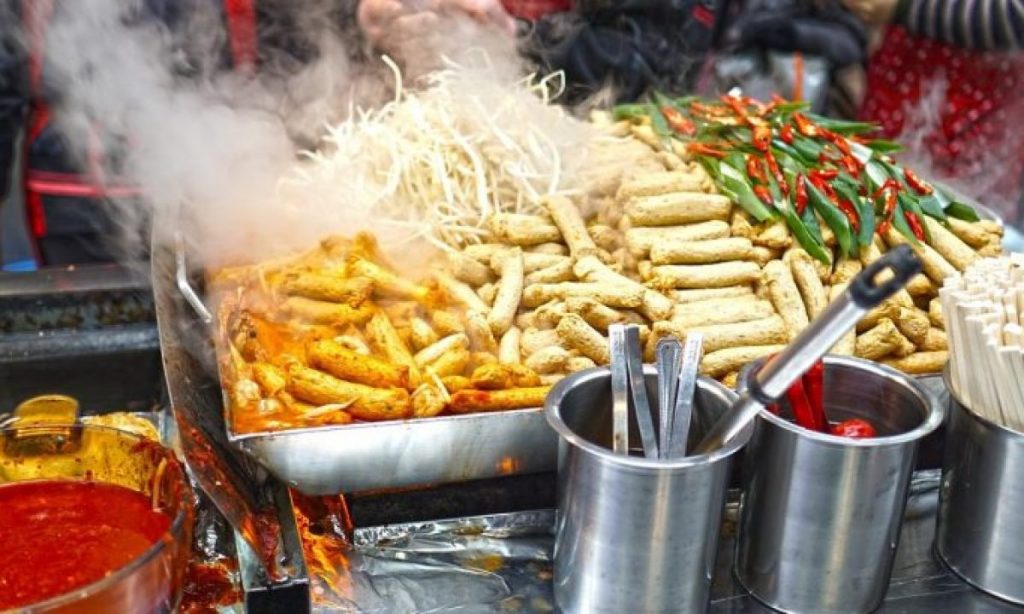
Section III — The Role of Food Recommendations and Word of Mouth
1. The Power of Local Recommendations
One of the most valuable resources for finding the best local snack stalls and authentic cuisine is the advice of local residents. Word of mouth has always been one of the most effective forms of recommendation, especially when it comes to food. Locals know where to find the best hidden gems—places that may not appear in tourist guides or be widely advertised.
When food enthusiasts ask locals for recommendations, they often receive a list of off-the-beaten-path spots where the true essence of local cuisine can be experienced. These places may not have the polished look of tourist-oriented restaurants, but they offer a genuine culinary experience that is often far more memorable than anything found in mainstream dining establishments.
2. The Influence of Food Critics and Bloggers
In addition to local recommendations, food critics and bloggers have increasingly become important figures in the world of culinary tourism. These influencers often have local connections and provide detailed guides on where to find the best authentic dishes in any given city or region. Their reviews are trusted by food enthusiasts, who often use them as a guide for choosing the best food stalls to visit during their travels.
Bloggers and food critics also shed light on lesser-known or underrated snack stalls that may not have the resources to advertise but offer exceptional food. Through detailed blog posts, YouTube videos, and social media shares, these influencers are helping elevate local street food and making it accessible to a broader audience.
3. Social Media and Food Recommendations
In the digital age, social media platforms like Instagram and TikTok have become key tools for discovering the best local eats. Travelers and foodies alike share their experiences of finding local street food treasures, often showcasing their culinary adventures to thousands of followers. These platforms allow for the rapid spread of recommendations, with hashtags like #streetfood, #authenticcuisine, and #localfood helping others find the best local food spots.
Food lovers no longer have to rely solely on guidebooks or personal recommendations; with social media, they can virtually explore and discover authentic street food stalls in any corner of the world.
Section IV — The Future of Local Food Stalls and Authentic Cuisine
1. The Economic Impact of Food Tourism
As travelers increasingly seek out local snack stalls and authentic cuisine, the economic impact of food tourism cannot be ignored. Street food is often a low-cost, high-quality alternative to more expensive dining options, benefiting local food vendors and creating new opportunities for economic growth within communities. Small-scale food vendors are benefiting from increased foot traffic and tourism revenue as a result of this trend, leading to more sustainable local economies.
In addition, food tours and cooking classes focused on local cuisine have emerged as major components of the travel industry, creating jobs and encouraging sustainable tourism practices.
2. The Rise of Sustainable Food Practices
Food tourism is also encouraging the rise of sustainable food practices. As food enthusiasts become more conscious of environmental impact, there is a growing demand for locally sourced ingredients and sustainable practices in food production. Many street food vendors are shifting towards more sustainable models, sourcing ingredients from local farmers, minimizing food waste, and offering plant-based options.
As travelers continue to prioritize ethical and sustainable dining options, eco-friendly street food stalls will likely become even more prevalent, aligning with broader trends in sustainable tourism.
3. The Democratization of Culinary Travel
Finally, the rise of food tourism and the increasing interest in local snack stalls is democratizing culinary travel. No longer is fine dining the sole domain of the wealthy traveler. Instead, food lovers of all budgets can experience authentic local flavors, whether it’s from a street vendor in Bangkok or a family-owned restaurant in Rome. This democratization ensures that food tourism remains an inclusive and diverse experience, accessible to anyone with an interest in exploring the world through food.
Conclusion: The Journey Beyond the Plate
As travelers and food enthusiasts continue to seek out local snack stalls and authentic culinary experiences, the food tourism landscape is undergoing a profound transformation. Gone are the days when travelers relied solely on high-end restaurants to represent a region’s culinary heritage. Today, the true essence of a place is found in its street food, where local vendors bring history, culture, and flavor to life in every dish they serve.
In this new era of food-centric travel, word of mouth, local recommendations, and social media are helping to elevate hidden food gems and ensuring that authentic cuisine is more accessible than ever. As this trend continues to grow, food will undoubtedly become even more central to the travel experience, offering an enriching and immersive way to explore the world’s cultures one bite at a time.