








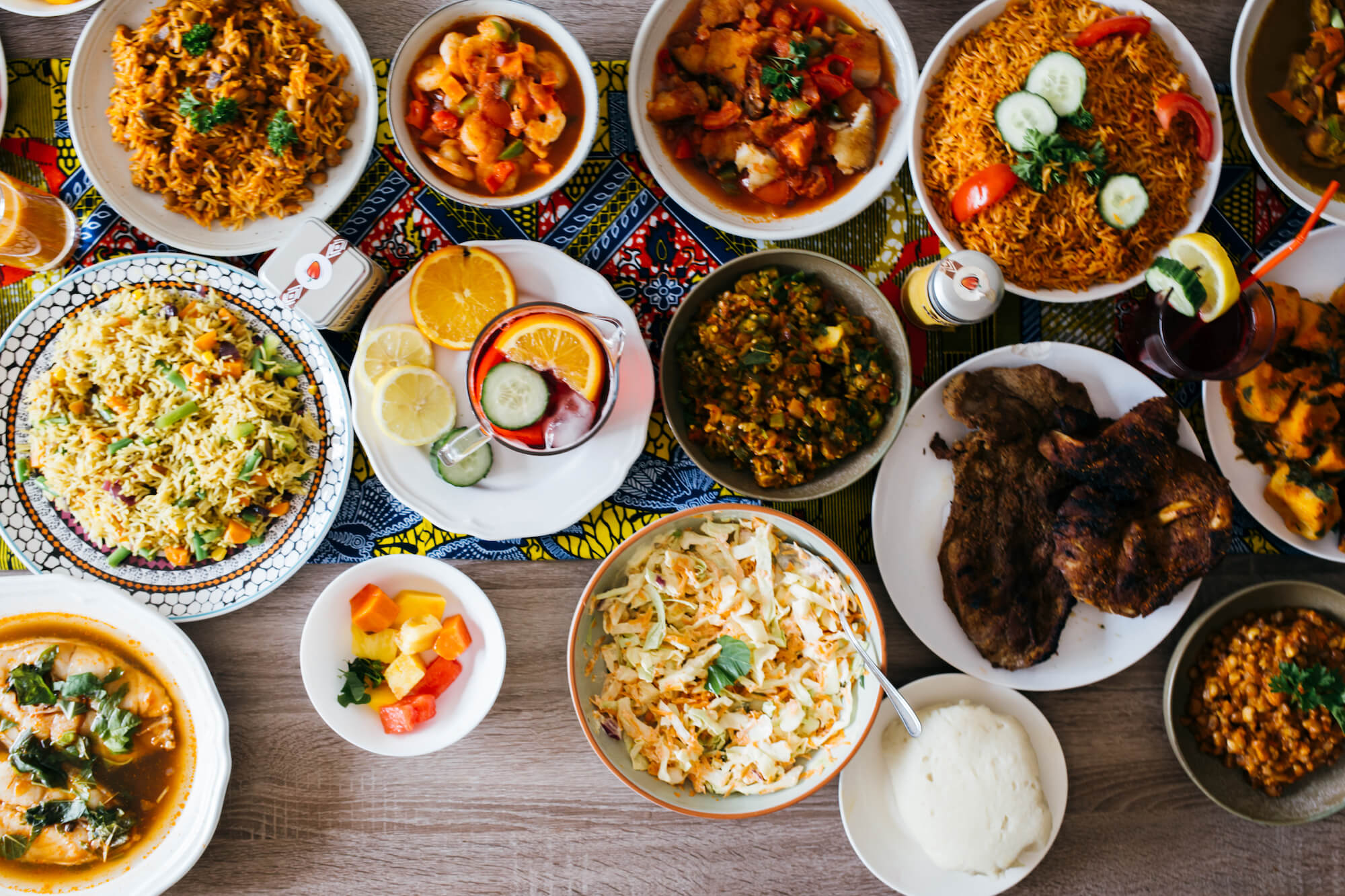

Introduction: A Global Revival of Heritage Ingredients
Food is a reflection of culture, history, and geography. Throughout the world, traditional ingredients have sustained populations for centuries, often in harmony with the environment and the rhythms of nature. In recent decades, however, the globalization of food systems, industrial agriculture, and the rise of convenience foods have led to a decline in the use of many traditional and indigenous ingredients. This loss of culinary biodiversity is particularly felt in regions like Africa, Latin America, the Middle East, and Southeast Asia, where rich, diverse food cultures have thrived for millennia.
Today, there is a growing movement to rediscover and celebrate these traditional ingredients. As the world becomes more focused on sustainability, health, and food security, many of these ingredients—once essential to their cultures—are being revisited for their unique nutritional profiles, ecological benefits, and culinary versatility. The rediscovery of traditional ingredients from these regions offers an opportunity to not only preserve cultural heritage but also address global food challenges in the modern world.
In this article, we will explore the fascinating traditional ingredients from Africa, Latin America, the Middle East, and Southeast Asia that are making a comeback in contemporary kitchens. We will examine their historical significance, health benefits, and the ways they are being incorporated into modern cuisine.
Africa: A Continent of Untapped Culinary Potential
Africa is a vast and diverse continent, home to a wealth of traditional ingredients that have sustained various cultures for thousands of years. These ingredients are often overlooked in mainstream global cuisine, yet they are integral to the diets of millions of people. From nutrient-rich grains to flavorful legumes and medicinal plants, Africa’s culinary heritage offers a treasure trove of underappreciated ingredients that are increasingly gaining attention worldwide.
1. Teff – The Ancient Grain of Ethiopia
Teff, a tiny grain native to Ethiopia, is one of the world’s smallest and oldest cultivated crops. It has been a staple in Ethiopian cuisine for thousands of years, used to make injera (a spongy, sour flatbread) and porridge. Teff is highly nutritious, being rich in protein, fiber, iron, and calcium. Its versatility makes it ideal for gluten-free baking, and its high nutrient density has led to increased interest in its use as a superfood in modern kitchens.
Teff is also considered environmentally sustainable because it is drought-tolerant and requires minimal water, making it an excellent crop for regions affected by climate change.
2. Moringa – The “Miracle Tree”
Moringa, often referred to as the “miracle tree,” is a powerhouse of nutrition. Its leaves are packed with vitamins, minerals, and antioxidants. Moringa has been used in Africa for centuries, not only as a food source but also for medicinal purposes. The leaves can be consumed fresh, dried, or powdered and are often added to smoothies, soups, and teas.
Recent research has highlighted the potential of moringa to combat malnutrition, particularly in regions where access to diverse sources of nutrition is limited. It’s also being explored for its anti-inflammatory, antibacterial, and anti-diabetic properties.
3. Baobab – The Superfruit of Africa
The baobab tree, often referred to as the “tree of life,” produces a fruit that is rich in vitamin C, fiber, and antioxidants. Indigenous to Africa, baobab has been used for centuries in traditional medicine and as a food source. The fruit’s pulp is tangy and can be consumed fresh or dried, and is often used in juices, smoothies, and desserts.
Baobab is now recognized as a superfood in the global market due to its high antioxidant content and potential health benefits, including supporting immune function and improving digestion.
4. Fonio – The West African Supergrain
Fonio is a small, ancient grain that has been cultivated in West Africa for thousands of years. It is considered a sacred grain in many African cultures and is praised for its resilience to drought and poor soil conditions. Fonio is rich in essential amino acids, fiber, and minerals like magnesium and iron. It cooks quickly and can be used in a variety of dishes, from porridges to salads and even gluten-free baked goods.
As interest in plant-based diets and gluten-free alternatives grows, fonio is emerging as a key ingredient in global health food markets. Its low environmental impact and high nutritional value make it an attractive choice for sustainable agriculture.
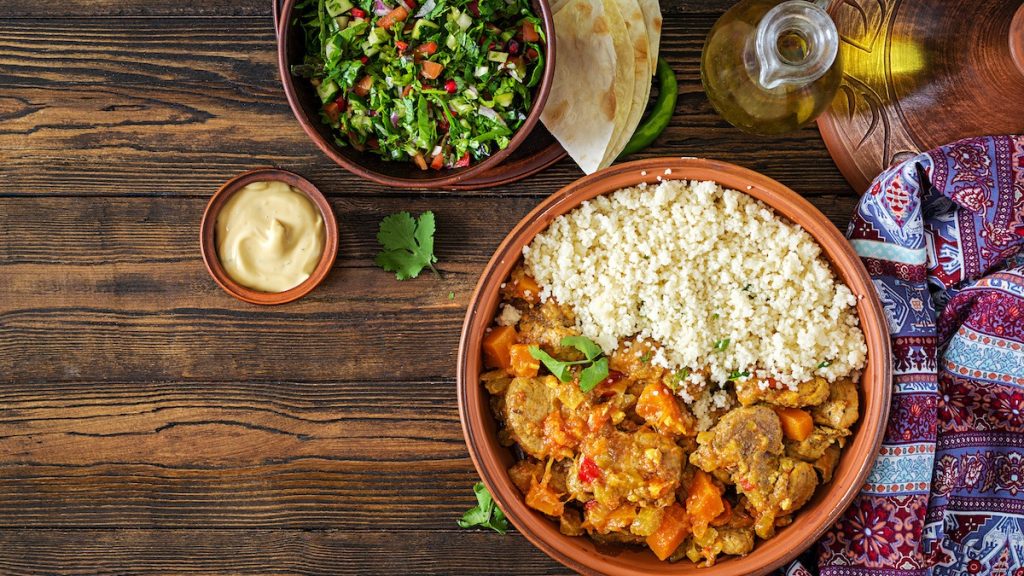
Latin America: A Rich Heritage of Flavors and Superfoods
Latin American cuisine is known for its bold flavors and diverse ingredients, many of which have been used for centuries by indigenous cultures. With an increasing focus on health and sustainability, many of these ingredients are finding their way back into modern kitchens. From quinoa in the Andes to amaranth in Mexico, the rediscovery of these ancient foods is helping to reshape the global food system.
1. Quinoa – The Andean Wonder Grain
Quinoa, often called the “mother grain” by indigenous peoples of the Andes, has been a staple food in South America for over 5,000 years. It is rich in protein, fiber, and essential amino acids, making it a complete protein source, which is rare among plant-based foods. Quinoa is also gluten-free and highly versatile, used in everything from salads and soups to baked goods and breakfast cereals.
While quinoa has gained global popularity, its success story has brought challenges for indigenous farmers. In recent years, efforts have been made to ensure that quinoa cultivation remains sustainable and that farmers are paid fair wages for their labor.
2. Amaranth – A Pre-Columbian Superfood
Amaranth is another ancient grain that has recently experienced a resurgence. Used by the Aztecs and other indigenous cultures, amaranth is a complete protein, providing all nine essential amino acids. It is also rich in iron, magnesium, and fiber. Amaranth can be consumed in various forms, such as popped, as flour, or cooked in porridge.
Amaranth’s ability to grow in diverse climates and its high nutritional value make it a promising crop for sustainable agriculture. It’s particularly useful in addressing malnutrition and food insecurity in regions where access to protein is limited.
3. Chili Peppers – The Spice of Latin American Cooking
Chili peppers are a fundamental ingredient in Latin American cuisine, contributing not only heat but also flavor and depth to dishes. From the mild poblano to the fiery habanero, chili peppers have been cultivated and used in the region for thousands of years.
Rich in vitamins A and C, chili peppers also contain capsaicin, a compound known for its anti-inflammatory and metabolism-boosting properties. As global interest in spicy foods and health benefits increases, chili peppers are seeing a revival both in traditional recipes and as functional ingredients in health supplements and weight-loss products.
4. Nopal – The Prickly Pear Cactus
Nopal, the young pads of the prickly pear cactus, is a versatile and nutritious ingredient commonly used in Mexican cuisine. Rich in fiber, antioxidants, and vitamins, nopal is known for its ability to support digestive health and regulate blood sugar levels. It is often used in salads, tacos, and juices.
Nopal is also highly sustainable, requiring little water and thriving in arid conditions. Its potential for drought-resistant agriculture makes it an attractive option for regions facing water scarcity.
The Middle East: A Legacy of Spices and Healing Herbs
The Middle East is often regarded as the cradle of civilization, and its food traditions date back thousands of years. The region’s cuisine is deeply rooted in the use of spices, herbs, and ancient grains. In recent years, many of these ingredients are being rediscovered not only for their flavor profiles but also for their health benefits.
1. Sumac – The Tangy Spice
Sumac is a sour, tangy spice commonly used in Middle Eastern cuisine. It is derived from the berries of the sumac plant, which are dried and ground into a powder. Sumac adds a tart, lemony flavor to dishes and is often used in salads, meats, and rice dishes.
Rich in antioxidants, sumac has been traditionally used for its anti-inflammatory properties. It’s also gaining popularity for its ability to promote heart health and fight oxidative stress.
2. Freekeh – The Ancient Grain
Freekeh is an ancient grain that has been used in the Middle East for thousands of years. It is made from green durum wheat that is harvested while still young and then roasted. Freekeh has a smoky flavor and a chewy texture, making it a popular addition to pilafs, soups, and salads.
Freekeh is high in fiber, protein, and vitamins, making it a healthy alternative to refined grains. Its low glycemic index also makes it beneficial for individuals managing blood sugar levels.
3. Tahini – The Sesame Paste
Tahini, a paste made from ground sesame seeds, is a key ingredient in Middle Eastern cuisine. It’s used in everything from hummus and baba ganoush to desserts and sauces. Tahini is rich in healthy fats, calcium, iron, and magnesium, and its creamy texture adds depth and richness to dishes.
Sesame seeds are also a sustainable crop, requiring less water and resources compared to other oilseeds. As the demand for plant-based, dairy-free alternatives grows, tahini is gaining popularity as a versatile and nutritious ingredient.
Southeast Asia: A Culinary Haven of Herbs, Fruits, and Vegetables
Southeast Asia is renowned for its vibrant, flavorful cuisine, which blends fresh herbs, spices, fruits, and vegetables. The region’s diverse food culture is built around ingredients that are both healthful and sustainable, many of which are now being rediscovered globally for their nutritional and medicinal benefits.
1. Mango – The Tropical Superfruit
Mango, known as the “king of fruits,” is widely consumed throughout Southeast Asia. Rich in vitamins A and C, mangoes are not only delicious but also provide significant health benefits, including boosting immunity and promoting skin health. The fruit is used in both sweet and savory dishes, from salads and salsas to curries and smoothies.
With growing demand for tropical fruits, mango cultivation has expanded globally. Mangoes are also highly versatile, with many parts of the fruit, including the peel and pit, being used in traditional medicine and modern skincare products.
2. Lemongrass – The Aromatic Herb
Lemongrass is a fragrant herb used extensively in Southeast Asian cooking. It imparts a fresh, citrusy flavor to dishes like soups, curries, and teas. Lemongrass is also known for its medicinal properties, including its ability to aid digestion and reduce inflammation.
In addition to its culinary uses, lemongrass is being increasingly recognized for its antibacterial and antifungal properties. It is also being incorporated into wellness products such as teas, essential oils, and skincare formulations.
3. Rice – The Staple of Southeast Asia
Rice is the staple food of Southeast Asia, forming the basis of most meals. While white rice is commonly consumed, there is a growing interest in more nutritious varieties, such as brown rice, black rice, and red rice. These varieties are higher in fiber, antioxidants, and essential nutrients, making them a healthier alternative to refined rice.
Rice cultivation is also a key part of sustainable agriculture, with efforts underway to promote water-efficient farming practices and ensure that rice production remains viable in the face of climate change.
Conclusion: The Global Revival of Traditional Ingredients
The rediscovery of traditional ingredients from Africa, Latin America, the Middle East, and Southeast Asia represents a powerful movement in the global food system. These ingredients are not only rich in flavor and nutrition but also offer solutions to pressing issues such as food security, sustainability, and climate change. By embracing these heritage foods, we can celebrate cultural diversity, preserve ancient food traditions, and build a more resilient and sustainable food future.