








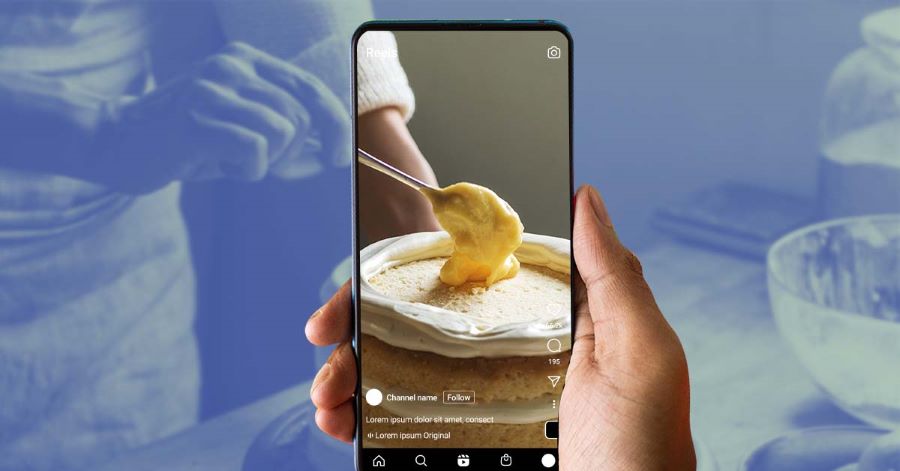

In the past decade, the ways people discover, share, and interact with food have been dramatically transformed. While traditional mediums like cookbooks, television shows, and restaurant reviews once dominated culinary communication, the rise of short video platforms—such as TikTok, Instagram Reels, and YouTube Shorts—has redefined how global audiences engage with food. These brief, visually driven videos have not only revolutionized the presentation of recipes but have also influenced culinary trends, dining habits, and even food industry marketing strategies.
The Rise of Short-Form Video in Food Culture
The emergence of short video platforms has democratized food media. Unlike television programs that often require substantial production resources, short videos allow anyone with a smartphone to create compelling content. As a result, a diverse range of voices—including home cooks, professional chefs, and food enthusiasts—can share culinary insights with global audiences.
Key characteristics of short video platforms that support this transformation include:
- Brevity and Accessibility: Short videos, typically 15–60 seconds long, condense recipes and cooking techniques into digestible, engaging formats. This appeals to modern viewers with limited attention spans.
- Visual Appeal: Food’s sensory qualities—color, texture, and presentation—are effectively conveyed through high-quality visuals and close-up shots. This allows audiences to experience a virtual taste of dishes without ever leaving their homes.
- Interactivity: Many platforms support comments, duets, and remixes, enabling viewers to actively participate in the content. This encourages community-building and knowledge exchange around culinary practices.
According to a 2023 report by Data.ai, food-related content on TikTok alone saw a 120% increase in engagement compared to the previous year. This growth illustrates not just the popularity of short videos but also their effectiveness in spreading culinary ideas rapidly.
Short Videos as Trend Accelerators
Short videos function as catalysts for global food trends. Viral clips often influence dining behaviors and menu development worldwide. For instance:
- Dalgona Coffee: Initially a South Korean cafe beverage, this whipped coffee trend exploded globally through short videos during the COVID-19 lockdown.
- Baked Feta Pasta: A Finnish pasta recipe became an international sensation purely through viral video content, prompting restaurants and home cooks to adopt the dish almost overnight.
These examples demonstrate that short videos can compress months or years of culinary diffusion into mere days, creating a new paradigm in how food trends spread.
Mechanisms behind viral food trends include:
- Algorithmic Amplification: Short video platforms prioritize content that captures attention quickly, promoting videos that combine visual appeal, simplicity, and novelty.
- Replicability: Simple, visually striking recipes are easier for viewers to try themselves, increasing participation and further circulation of content.
- Cultural Cross-Pollination: Platforms transcend geographical boundaries, enabling audiences to explore cuisines from distant regions without physical travel.
Impact on Culinary Creativity and Innovation
The prevalence of short video platforms has not only popularized certain dishes but also fostered culinary innovation. Chefs and home cooks alike experiment with aesthetics, textures, and ingredients to produce shareable content. Some notable innovations include:
- Colorful Layering and Plating Techniques: Multi-layered drinks, rainbow cakes, and visually striking salads are designed with social sharing in mind.
- Hybrid Recipes: Combining elements from multiple cuisines—for example, Korean-Mexican tacos or Japanese-inspired desserts—often gains traction because of their visual novelty.
- Time-Sensitive Cooking Experiments: Speed, visual impact, and dramatic cooking techniques are emphasized to suit the short-video format.
In essence, short videos incentivize a new type of culinary creativity—one where the visual and performative aspects of cooking are as important as taste and nutrition.
Influence on Consumer Behavior
Short videos are reshaping how consumers interact with food. Research conducted by the Culinary Institute of America (CIA) in 2022 found that 68% of viewers who watch food-related short videos are more likely to try cooking a recipe within a week. Additionally, these videos influence purchasing behavior:
- Ingredient Popularity: Items featured in viral videos—such as ricotta, halloumi, or specialty spices—often experience sudden spikes in demand.
- Kitchen Gadgets: Air fryers, spiralizers, and other tools gain rapid popularity when highlighted in visually compelling clips.
- Dining Choices: Users are increasingly motivated to visit restaurants featured in viral videos, generating a measurable impact on local food tourism.
This direct connection between short video consumption and consumer decision-making represents a shift in marketing strategy for the food industry.
Marketing and the Food Industry
Restaurants, food brands, and culinary influencers are actively leveraging short videos for marketing purposes. Key strategies include:
- Content-Driven Branding: Short videos allow brands to showcase personality, creativity, and values in a more intimate, relatable manner.
- Collaborations with Influencers: Partnering with viral content creators extends brand reach and credibility.
- Real-Time Engagement: Brands can test new recipes, limited-edition products, or seasonal menus while immediately gauging audience response.
For instance, a major global snack brand reported a 40% increase in online engagement after launching a TikTok campaign that encouraged users to create their own recipe hacks using the product. The campaign demonstrates how short videos serve as both marketing and product development tools simultaneously.
Cultural Exchange and Globalization
Short videos have also become platforms for culinary diplomacy, allowing cross-cultural exchange at an unprecedented scale. Audiences can explore cuisines from different countries, learn about cooking traditions, and gain insight into cultural contexts behind dishes.
Some significant outcomes of this phenomenon include:
- Greater Awareness of Regional Cuisines: Lesser-known culinary traditions, such as Peruvian street food or Ethiopian coffee ceremonies, are gaining global recognition.
- Fusion and Adaptation: As audiences are exposed to diverse flavors, home cooks and chefs often adapt dishes using locally available ingredients, creating new fusion cuisines.
- Sustainability Conversations: Videos highlighting local sourcing, plant-based meals, and zero-waste cooking practices encourage sustainable food consumption globally.
Thus, short video platforms are not only entertainment tools but also vehicles for cross-cultural education and sustainable practices.
Challenges and Criticisms
Despite their advantages, the rise of short videos in food communication is not without challenges:
- Accuracy and Safety: Viral recipes may omit important safety information, leading to potential food hazards.
- Oversimplification: Complex culinary techniques can be overly condensed, compromising authenticity and educational value.
- Commercialization Pressure: Content creators often prioritize virality over nutritional or cultural integrity, which can distort culinary traditions.
- Algorithmic Bias: Algorithms favor content that is visually striking and easily digestible, potentially sidelining nuanced or culturally significant dishes.
Addressing these challenges requires a balance between entertainment, education, and culinary ethics.
The Future of Food Communication
Looking ahead, short videos will likely continue shaping global food culture in several ways:
- Integration with AR/VR: Immersive cooking experiences could allow viewers to virtually participate in recipe creation, further enhancing engagement.
- AI-Generated Content: Algorithms could assist in recipe innovation, flavor pairing, and presentation optimization, combining human creativity with computational precision.
- Micro-Communities: Niche culinary communities may thrive around dietary preferences, traditional cuisines, or sustainability practices, fostering deeper engagement beyond mainstream trends.
- Monetization and Professionalization: As food content continues to attract audiences, more creators will develop full-time careers, professionalizing the field and raising standards for production quality.
In essence, the intersection of technology and gastronomy promises to redefine both how we experience food and how culinary knowledge is disseminated globally.
Conclusion
The rise of short video platforms has fundamentally transformed global food communication. By making culinary content more accessible, visually engaging, and socially interactive, these platforms have accelerated the spread of trends, fostered creativity, and influenced consumer behavior. While challenges remain—such as accuracy, cultural sensitivity, and ethical considerations—the overall impact of short videos on the culinary world is undeniable. As technology continues to evolve, the fusion of entertainment, education, and gastronomy will likely deepen, redefining the way humans connect with food on a global scale.
Short videos are not just a medium; they are a revolution in the way food is experienced, shared, and celebrated.