








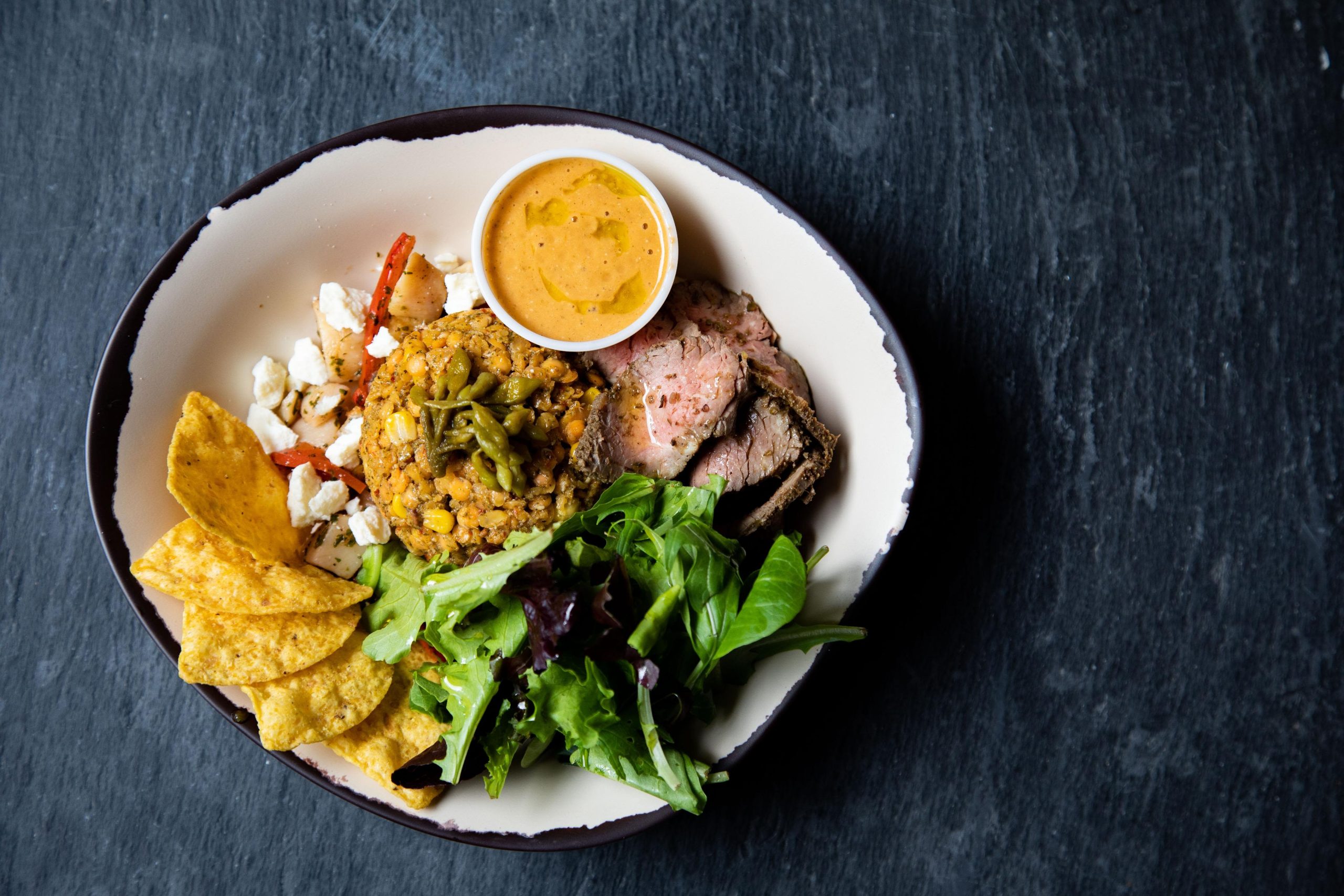

Introduction: The Menu as a Storytelling Tool
Food has long been a powerful medium for storytelling. Every dish carries with it a history, a narrative woven from tradition, culture, and experience. In recent years, menus have evolved beyond simple lists of ingredients and prices, transforming into dynamic storytelling tools that reflect the complexities of immigration, family heritage, history, and regional identity. These elements are no longer confined to the oral traditions passed down through generations—they are now actively showcased in restaurants, cafés, and food trucks across the globe, allowing diners to taste history with every bite.
As migration patterns have shifted, and as cultural exchanges become more prominent in the food industry, menus have become platforms for immigrants to share their personal histories and the histories of their communities. Restaurants are increasingly embracing this concept, presenting dishes that are deeply tied to the journeys, traditions, and struggles of their creators. Menus are no longer just about food—they are about identity, belonging, and the narratives that shape the culinary world.
This article explores how menus are being used as a medium to tell the stories of immigration, family, history, and region. By examining the ways in which chefs, restaurant owners, and food entrepreneurs craft their menus, we’ll explore the power of food to reflect cultural heritage, convey migration stories, and celebrate regional diversity. From immigrant-owned restaurants to family-run businesses, the menu serves as an intimate reflection of the cultures, people, and personal histories that are embedded in the food.
The Role of Immigration in Shaping Culinary Identities
In recent decades, immigration has played a crucial role in shaping the culinary landscape of many countries. Immigrants bring with them not just their possessions and dreams but also their food traditions, transforming the local food scene with new flavors, ingredients, and techniques. Food becomes a medium through which they can maintain ties to their home countries while also adapting to their new environments.
1. Food as a Bridge Between Two Worlds
For many immigrants, cooking is a way to maintain a connection to their homeland, to share their culture with others, and to adapt to their new environment. Immigrant chefs and restaurant owners often use their menus to tell the stories of their journeys, their heritage, and their experiences. A dish that originated in the kitchens of their grandmothers can be transformed in a modern setting, yet still carry the deep significance of home.
For example, a family-owned restaurant in New York might feature a dish like Lamb Shawarma, which reflects the Middle Eastern origins of the family, but also incorporates locally sourced vegetables or contemporary cooking techniques to appeal to the modern, diverse clientele. In this way, the dish becomes more than just a meal—it is a story of immigration, adaptation, and cultural exchange.
2. Culinary Fusion: A Metaphor for Immigration
Immigrant cuisine often reflects the blend of multiple cultural influences, much like the immigrant experience itself. Fusion dishes—such as Korean tacos or sushi burritos—serve as metaphors for the blending of cultures, combining traditional ingredients and cooking techniques with new ones. These dishes, often found in food trucks and casual eateries, represent the hybridity of immigrant identity and the ways in which culinary traditions are constantly evolving.
When creating a menu that celebrates fusion cuisine, chefs may draw on their personal migration stories, using ingredients from their homeland and new local ingredients to create dishes that speak to their unique journeys. These menus act as a canvas for telling the stories of migration and integration, often reflecting themes of resilience, adaptation, and the redefinition of cultural identity.
3. The Immigrant Experience and Nostalgia in Food
For many immigrants, the food of their home country becomes a source of comfort and nostalgia. Dishes that once were commonplace in their daily lives now become rare and cherished, reminding them of their past lives and families left behind. These dishes are often featured prominently on restaurant menus, where they take on new meaning in the context of the immigrant experience.
An immigrant-owned restaurant in the U.S. might serve Pho, a Vietnamese noodle soup, that not only represents Vietnamese culinary traditions but also the personal journey of the restaurant owner. The dish might be accompanied by a story on the menu explaining its significance, the way it reminds the chef of their childhood in Vietnam, or the effort it took to recreate the dish with locally available ingredients.
In this sense, food becomes a tool for storytelling, with the menu serving as a space to share the emotional connection between food and memory, between homeland and host country.
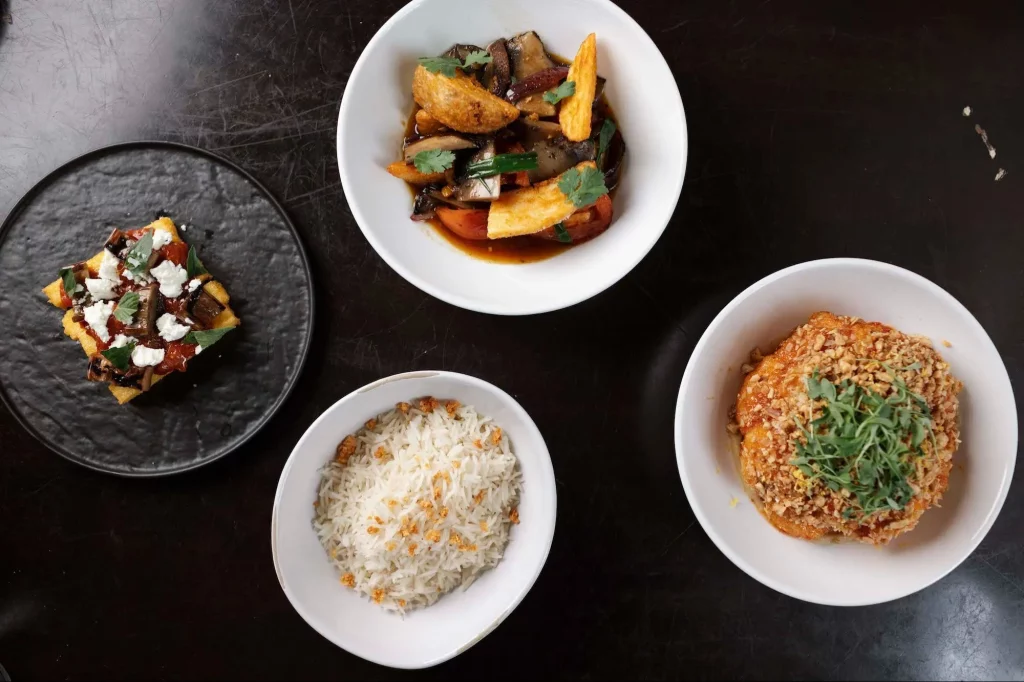
Family Heritage and the Role of Tradition in Menus
Family plays an integral role in the development of many culinary traditions. For generations, home cooks and restaurant owners alike have passed down recipes that hold not only nutritional value but also cultural significance. These recipes are the heart of many family-run restaurants, often finding their way onto menus as a way of honoring the past while simultaneously shaping the future.
1. The Importance of Family Recipes in Menu Development
Family recipes are often at the center of many restaurant menus, especially in establishments that have been passed down through generations. These dishes are more than just meals; they are family legacies, a reflection of the hard work, love, and care that have gone into creating them. A menu item such as Grandmother’s Meatballs, served in an Italian restaurant, often comes with a story about the matriarch of the family who perfected the recipe.
In these cases, the menu serves as a tribute to the family members who contributed to the dish’s creation and preservation. The recipes often stay unchanged for generations, becoming symbols of continuity and tradition within the family. As restaurants evolve, they incorporate these traditional family recipes into the core of their offerings, creating a connection between past and present.
2. Preserving Cultural Heritage Through Cooking
In immigrant-owned family restaurants, the dishes often represent the preservation of cultural heritage through food. Families who have migrated across borders take pride in preserving the culinary traditions of their homeland, even as they adapt them to their new environment. The menu then serves as a reflection of this balance—offering dishes that are rooted in history while also evolving to suit contemporary tastes and available ingredients.
For instance, a family-run restaurant in the U.S. specializing in Mexican cuisine may offer traditional dishes like Pozole or Tacos al Pastor, accompanied by a short history on the menu explaining their cultural significance and the family’s history of making these dishes. By sharing these personal stories, the restaurant becomes more than just a business—it becomes a living tribute to family, heritage, and tradition.
3. Creating a Sense of Belonging
For diners, eating at family-run restaurants is often an opportunity to experience a sense of connection to a culture they may not be familiar with. By featuring family recipes on their menus, these restaurants invite customers into a shared culinary history, fostering an appreciation for the family traditions that have shaped the food they are enjoying. The menu becomes a bridge between the past and the present, offering not only a meal but also a taste of history.
The Historical Significance of Food on Menus
Food has always been a powerful vehicle for conveying historical narratives. Every dish carries with it the imprint of the time and place it was created, and menus have become an important way of preserving and presenting these stories. From colonial-era recipes to the culinary evolution of nations, food is a direct reflection of historical events, migrations, and socio-political shifts.
1. Food as a Reflection of Social and Political Change
Menus can tell the story of a society’s social, political, and economic history. For example, the introduction of ingredients like tomatoes, potatoes, and spices into European cuisine after the Columbian Exchange dramatically changed the way food was prepared and consumed. A menu highlighting dishes like Tomato Sauce Pasta or Chili Con Carne offers a window into the interconnectedness of cultures and the historical exchange of foods.
Additionally, some dishes on restaurant menus may serve as markers of political or economic struggles. For example, foods like Ration Soup or Famine Bread may be included on menus in post-war or economically difficult contexts, paying homage to how food has helped people survive hard times.
2. The Evolution of Regional Cuisines
As regions develop and change, so do the foods associated with them. Historical events, such as migration, colonization, and trade, have shaped the culinary identities of regions and are often reflected in restaurant menus. A menu offering Caribbean Jerk Chicken or Brazilian Feijoada serves not only as a culinary offering but as a reflection of the complex history of the region, from the transatlantic slave trade to the blending of indigenous, African, and European culinary traditions.
In this way, a menu acts as a historical document, capturing the evolution of food as it has been influenced by regional shifts, trade routes, and cultural exchanges.
3. Narrating Personal and Collective Histories Through Food
Many immigrant-owned restaurants infuse their menus with the personal histories of their owners, reflecting the historical context of their migrations and their adaptation to new environments. A dish like Polish Pierogi on a menu in the U.S. might carry with it the personal story of an immigrant grandmother who arrived in the early 1900s and brought her beloved recipes to America. The menu becomes a space where collective histories are shared through the universal medium of food.
Conclusion: Menus as a Living Testament to Culture and Identity
In today’s world, menus have become much more than just lists of food options. They have transformed into a canvas for telling rich, multifaceted stories about immigration, family, history, and region. As consumers become more interested in the stories behind their food, menus are evolving into powerful storytelling tools that reflect the diverse and complex identities of the people who create and enjoy them.
By embracing the narratives of their heritage, their immigration journeys, and their personal histories, chefs and restaurant owners are offering more than just meals—they are offering experiences that are deeply connected to the past, present, and future. Each dish on a menu is not just food; it is a story, a culture, and a memory, served on a plate.
In this new era of culinary storytelling, the menu has become a living testament to the importance of food in preserving culture, history, and identity. As diners engage with these menus, they are not just eating—they are connecting to something far deeper and more meaningful. Through food, we learn not only about the ingredients but also about the people, places, and histories that have shaped them.