









Introduction: The Foundation of Culinary Mastery
Every great dish begins with quality ingredients and fundamental seasonings. Understanding the essentials of a well-stocked pantry and the principles of basic flavoring is crucial for both amateur cooks and professional chefs. These staples not only provide convenience but also serve as building blocks for culinary creativity, flavor balance, and nutritional value.
A foundational knowledge of herbs, spices, oils, acids, and key pantry staples allows cooks to improvise, adapt recipes, and explore diverse cuisines. Beyond flavor enhancement, these ingredients contribute to texture, aroma, and the overall sensory experience of cooking.
This article provides a comprehensive exploration of basic seasonings and must-have ingredients, covering their history, usage, storage, pairing principles, and their role in global culinary traditions. By mastering these fundamentals, one can elevate everyday cooking and lay the groundwork for advanced gastronomic skills.
Section 1: Understanding Basic Seasonings
1.1 Definition and Role
Seasonings are ingredients that enhance, complement, or transform the flavor of food. They include:
- Salt and salty elements
- Sugars and sweeteners
- Acids: Vinegars, citrus, and fermented liquids
- Oils and fats
- Herbs and spices
Their primary functions are to balance taste, highlight natural flavors, and introduce complexity. Proper seasoning transforms simple ingredients into harmonious dishes.
1.2 Historical Context
- Salt has been prized for thousands of years, used for preservation and flavor.
- Spices like black pepper, cinnamon, and cloves drove trade routes and influenced global cuisine.
- Herbs such as thyme, rosemary, and basil have roots in traditional medicine and local culinary practices.
- Sugar and natural sweeteners evolved from historical cultivation of sugarcane and honey.
Understanding these historical connections enhances appreciation for their culinary roles.
1.3 Flavor Principles
- Salty: Enhances taste perception and balances sweetness and acidity.
- Sweet: Adds contrast and depth, softens acidity or bitterness.
- Sour/acidic: Brightens dishes and balances richness.
- Bitter: Adds complexity and stimulates appetite.
- Umami: Found in fermented products, tomatoes, mushrooms, and aged cheeses, creating depth and savoriness.
Section 2: Salt – The Fundamental Seasoning
2.1 Types of Salt
- Table salt: Fine, iodized, commonly used in everyday cooking.
- Kosher salt: Coarse texture, ideal for seasoning and brining.
- Sea salt: Harvested from evaporated seawater, retains trace minerals.
- Flavored or smoked salts: Enhance specific culinary applications.
2.2 Culinary Applications
- Balances flavors in soups, sauces, and marinades.
- Preserves food through curing and fermentation.
- Draws out moisture in vegetables for pickling or roasting.
2.3 Storage and Usage Tips
- Keep in a dry, airtight container to prevent clumping.
- Add at multiple stages of cooking for even seasoning.
- Understand texture and granule size to match cooking techniques.
Section 3: Sugars and Sweeteners
3.1 Types
- Granulated sugar: Commonly used in baking and beverages.
- Brown sugar: Contains molasses for moisture and caramel notes.
- Honey and maple syrup: Natural sweeteners with unique flavor profiles.
- Alternative sweeteners: Stevia, agave, and coconut sugar for health-conscious cooking.
3.2 Culinary Roles
- Balances acidity and bitterness.
- Enhances caramelization and Maillard reactions in cooking.
- Provides texture and moisture in baked goods.
3.3 Tips for Selection
- Match sweetener type to desired flavor and texture outcome.
- Adjust quantities carefully when substituting for dietary needs.
Section 4: Acids – Brightness and Balance
4.1 Common Culinary Acids
- Vinegars: White, apple cider, rice, balsamic.
- Citrus juices: Lemon, lime, and orange.
- Fermented liquids: Soy sauce, tamari, and fish sauce for umami.
4.2 Functions
- Brighten flavors in savory dishes.
- Aid in protein denaturation for marinades (e.g., ceviche).
- Preserve foods through pickling and fermentation.
4.3 Application Guidelines
- Add gradually and taste frequently.
- Pair with complementary herbs and oils for layered flavor.
Section 5: Oils and Fats
5.1 Types
- Neutral oils: Canola, sunflower, and grapeseed for frying and baking.
- Flavorful oils: Olive oil, sesame oil, avocado oil.
- Animal fats: Butter, ghee, lard for richness and texture.
5.2 Culinary Significance
- Conduct heat and enable even cooking.
- Carry fat-soluble flavors and aroma compounds.
- Contribute to mouthfeel and texture in baked goods and sauces.
5.3 Storage Recommendations
- Keep oils in cool, dark places.
- Animal fats should be refrigerated or frozen for long-term storage.
Section 6: Herbs – Freshness and Aromatics
6.1 Common Culinary Herbs
- Basil, parsley, cilantro, chives: Fresh herbs for brightness.
- Thyme, rosemary, oregano, sage: Robust herbs for long-cooking dishes.
- Mint, dill, tarragon: Specialty herbs with distinctive aromatic profiles.
6.2 Usage Principles
- Add delicate herbs toward the end of cooking to preserve aroma.
- Hardy herbs withstand longer cooking times, infusing depth into soups and roasts.
- Fresh vs dried herbs differ in potency; adjust quantities accordingly.
6.3 Preservation Techniques
- Refrigerate in water or wrapped in damp paper towels.
- Freeze or dry for long-term storage without significant flavor loss.
Section 7: Spices – Complexity and Depth
7.1 Common Spices
- Black pepper, paprika, cumin, coriander, turmeric.
- Ginger, cinnamon, cloves, nutmeg, cardamom for aromatic complexity.
- Chili powders and blends for heat and regional flavor.
7.2 Application Techniques
- Toasting spices enhances aromatic oils and flavor intensity.
- Grinding fresh seeds produces more complex flavors than pre-ground options.
- Layer spices to develop depth and multi-dimensional flavor.
7.3 Storage
- Keep spices airtight, cool, and dark to maintain potency.
- Whole spices retain flavor longer than ground variants.
Section 8: Essential Pantry Staples
8.1 Grains and Legumes
- Rice, pasta, quinoa, lentils, chickpeas, and beans.
- Serve as versatile bases for countless dishes.
- High in fiber, protein, and micronutrients.
8.2 Canned and Preserved Items
- Tomatoes, coconut milk, beans, and stocks.
- Provide convenience and consistency year-round.
- Essential for soups, sauces, and global cuisines.
8.3 Condiments and Sauces
- Soy sauce, mustard, hot sauces, and Worcestershire sauce.
- Introduce umami, acidity, and heat into recipes.
- Serve as bases for marinades and dressings.
Section 9: Principles of Flavor Pairing
9.1 Balancing the Five Tastes
- Combine salty, sweet, sour, bitter, and umami for a harmonious dish.
- Use acids to brighten, fats to enrich, and salts to enhance other flavors.
- Sweetness can temper spiciness or acidity.
9.2 Regional Flavor Profiles
- Mediterranean: Olive oil, garlic, rosemary, oregano.
- Asian: Ginger, soy, sesame, chili.
- Latin American: Cilantro, lime, cumin, chili.
9.3 Experimentation and Creativity
- Start with fundamental pairings, then explore complementary herbs, spices, and condiments.
- Adjust intensity and ratios based on personal taste and dietary needs.
Section 10: Storage, Organization, and Rotation
10.1 Pantry Organization
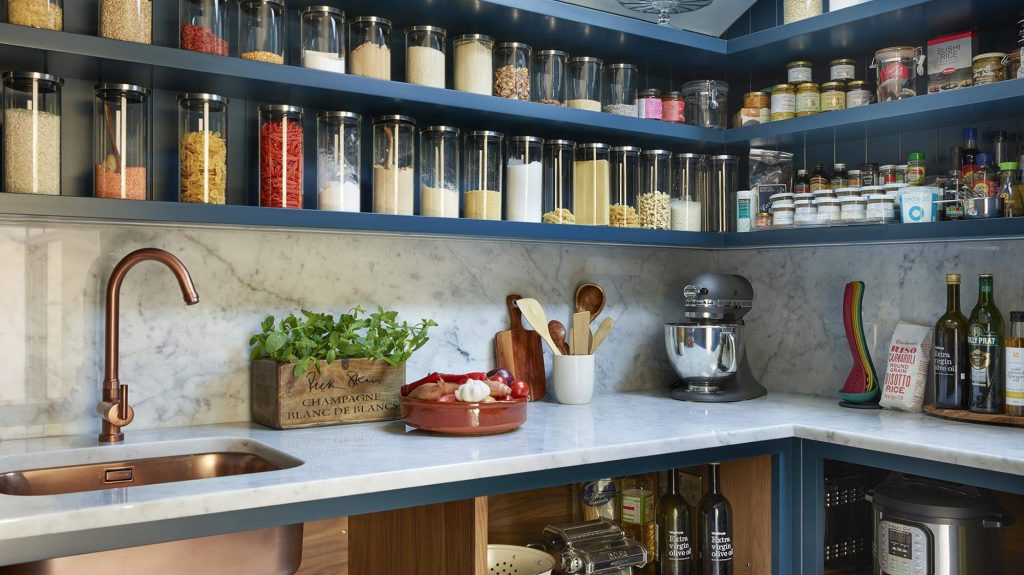
- Group items by category: grains, legumes, canned goods, spices, oils.
- Use transparent containers for visibility and freshness.
- Maintain an inventory checklist to avoid duplication and waste.
10.2 Shelf Life and Rotation
- Practice First In, First Out (FIFO) for perishable items.
- Monitor expiration dates for oils, dried herbs, and grains.
- Freeze or refrigerate items prone to spoilage.
10.3 Smart Management Practices
- Digital apps can track inventory and suggest recipes based on available ingredients.
- Incorporate seasonal adjustments to maintain freshness and flavor quality.
Section 11: Culinary Techniques and Application
11.1 Layering Flavors
- Introduce seasoning in stages: base, mid-cooking, finishing touches.
- Combine complementary herbs and spices to create depth.
- Use acids and fats strategically to balance dishes.
11.2 Marinating and Infusing
- Marinate proteins to enhance flavor penetration.
- Infuse oils and liquids with herbs and spices for enhanced aromatics.
11.3 Adjusting for Texture and Aroma
- Salt draws out moisture in vegetables, enhancing caramelization.
- Spices influence perceived heat, complexity, and visual appeal.
- Fresh herbs elevate finish aroma and presentation.
Section 12: Global Culinary Applications
- Italian cuisine: Olive oil, garlic, basil, Parmesan, and tomatoes.
- Indian cuisine: Cumin, coriander, turmeric, garam masala, and ghee.
- East Asian cuisine: Soy sauce, ginger, sesame oil, chili, and scallions.
- Middle Eastern cuisine: Sumac, za’atar, olive oil, chickpeas, and lamb.
Understanding essential seasonings enables cross-cultural cooking and creative fusion dishes.
Conclusion: Mastering Culinary Foundations
A well-stocked pantry and knowledge of basic seasonings empower cooks to create flavorful, nutritious, and aesthetically appealing meals. By mastering:
- Salt, sugar, acids, and fats for balance
- Herbs and spices for depth and aroma
- Grains, legumes, and preserved staples for versatility
Cooks can build confidence, experiment with global cuisines, and innovate without compromise.
The foundation of culinary success lies not in complexity, but in understanding the principles of flavor, ingredient synergy, and strategic seasoning, making every meal a testament to skill, creativity, and taste.