









Introduction: Rethinking Ingredients in Modern Cuisine
In contemporary culinary practice, local ingredient substitution and seasonal sourcing have become essential strategies for chefs, restaurateurs, and home cooks. These approaches not only enhance flavor and freshness but also contribute to sustainability, economic support for local farmers, and reduced environmental impact.
The principles of sourcing locally and seasonally are deeply tied to historical agricultural practices, yet they have gained renewed relevance in the context of climate change, global supply chain disruptions, and the modern consumer’s growing preference for transparency and traceability. By understanding how to substitute ingredients intelligently and leverage seasonal availability, culinary professionals can maintain the integrity of dishes while promoting ecological responsibility.
This article explores the strategies, benefits, challenges, and global trends associated with local ingredient substitution and seasonal procurement, offering a comprehensive guide for creating flavor-rich, sustainable, and economically viable menus.
Section 1: Principles of Local Ingredient Substitution
1.1 Definition and Purpose
Local ingredient substitution involves replacing non-local or out-of-season ingredients with locally sourced alternatives that retain flavor, texture, and nutritional value. Key objectives include:
- Enhancing freshness and flavor.
- Reducing carbon footprint associated with long-distance transportation.
- Supporting regional agriculture and economies.
- Aligning with seasonal dietary patterns.
1.2 Strategic Approaches
- Direct substitution: Using a local variety of the same ingredient (e.g., heirloom tomatoes for imported tomatoes).
- Functional substitution: Choosing an ingredient with similar properties when the original is unavailable (e.g., zucchini in place of cucumber for crunch).
- Flavor-driven substitution: Selecting local ingredients that contribute complementary flavor profiles while maintaining dish balance.
1.3 Culinary Considerations
- Evaluate texture, moisture content, and flavor intensity.
- Adjust cooking times or methods to account for differences in local produce.
- Preserve traditional or signature characteristics of the dish while embracing regional variations.
Section 2: Benefits of Local Ingredient Substitution
2.1 Environmental Impact
- Reduced transportation emissions due to shorter supply chains.
- Less reliance on energy-intensive storage and packaging for long-distance shipping.
- Encourages biodiversity by promoting local crop varieties.
2.2 Economic and Social Benefits
- Supports local farmers and producers.
- Strengthens regional economies and community engagement.
- Encourages culinary innovation through unique, locally available ingredients.
2.3 Culinary Advantages
- Fresher ingredients deliver more vibrant flavors, textures, and colors.
- Seasonal substitution allows chefs to experiment with evolving menus.
- Enhances nutritional value by using produce at its peak ripeness.
Section 3: Seasonal Sourcing Strategies
3.1 Understanding Seasonality
- Different crops have natural growth cycles determined by climate and region.
- Knowledge of local harvest periods ensures access to the freshest ingredients.
- Seasonal sourcing reduces reliance on imported or greenhouse-grown produce.
3.2 Planning Menus Around Seasons
- Spring: Leafy greens, asparagus, peas, and radishes.
- Summer: Tomatoes, peppers, berries, and stone fruits.
- Autumn: Squash, root vegetables, apples, and pears.
- Winter: Brassicas, citrus, and preserved items.
3.3 Collaborative Sourcing
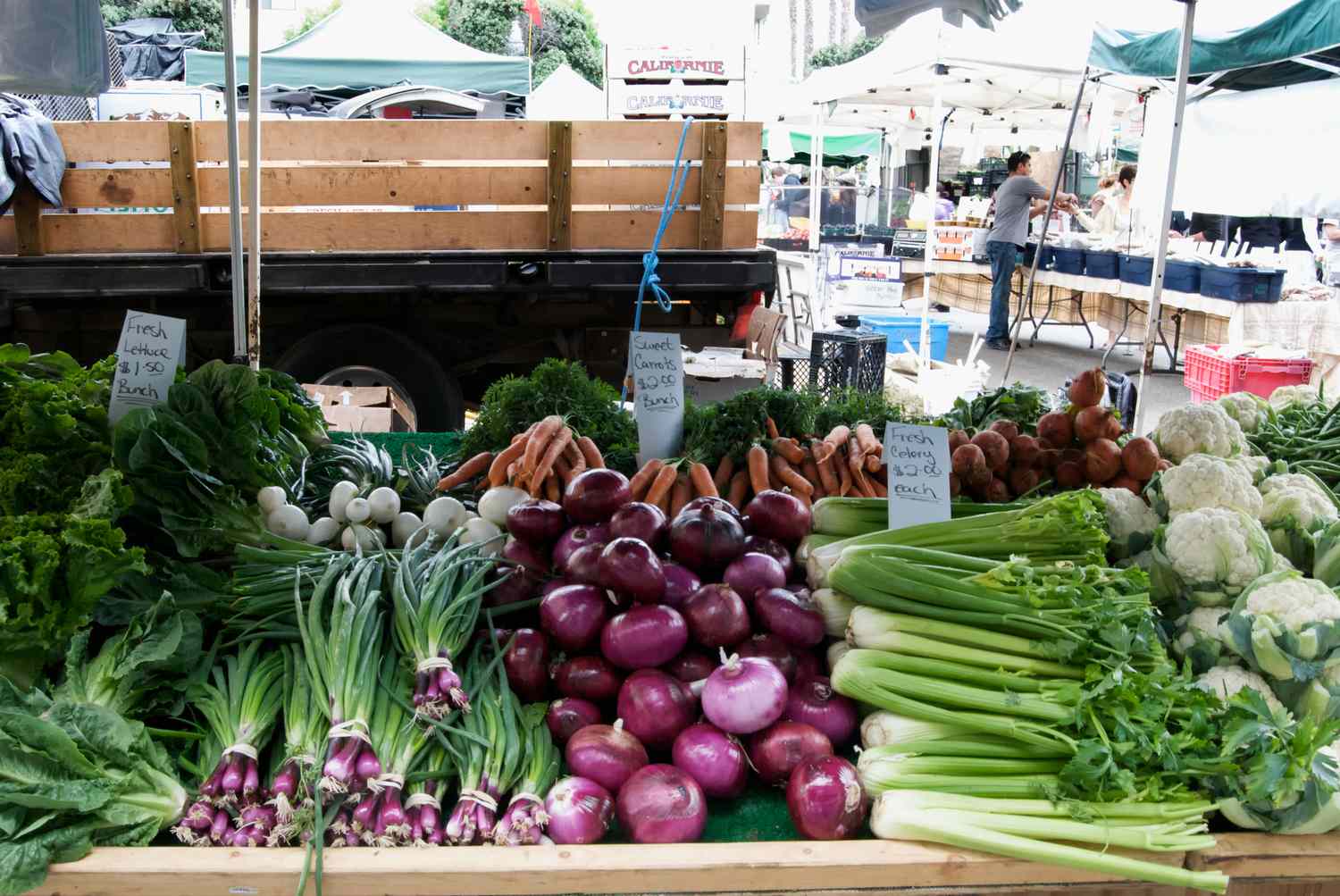
- Partner with farmers’ markets, local co-ops, and community-supported agriculture (CSA) programs.
- Develop direct relationships with farmers to ensure consistent quality and supply.
- Adapt menu planning and procurement cycles according to seasonal availability.
Section 4: Techniques for Effective Substitution
4.1 Matching Flavor Profiles
- Identify the dominant taste of the original ingredient.
- Select local alternatives that replicate sweetness, acidity, bitterness, or umami.
- Consider aromatic compounds for herbs, fruits, and vegetables.
4.2 Textural and Functional Adaptation
- Evaluate water content, firmness, and fibrousness.
- Adjust cooking times, marination, or preparation methods to preserve desired texture.
- Utilize complementary cooking techniques (roasting, blanching, fermentation) to enhance the substituted ingredient.
4.3 Case Examples
- Using kale or collard greens instead of imported spinach.
- Substituting local citrus varieties for imported lemons or limes.
- Replacing exotic mushrooms with locally foraged varieties for umami depth.
Section 5: Reducing Waste Through Seasonal Planning
5.1 Inventory Management
- Track ingredient usage based on seasonal availability.
- Prioritize local and perishable items to minimize spoilage.
- Plan batch cooking and menu rotation according to harvest cycles.
5.2 Recipe Adaptation
- Incorporate imperfect or surplus produce into soups, sauces, and preserves.
- Use root vegetables and greens creatively to extend shelf life.
- Preserve seasonal flavors through pickling, fermenting, or freezing.
5.3 Sustainability Outcomes
- Minimizes reliance on long-distance logistics and plastic packaging.
- Encourages full utilization of harvested crops.
- Supports eco-friendly culinary operations aligned with circular economy principles.
Section 6: Regional and Global Applications
6.1 North America
- Summer: Local berries, corn, tomatoes.
- Winter: Root vegetables, brassicas, and preserved fruits.
- Emphasis on farm-to-table initiatives and CSA programs.
6.2 Europe
- Mediterranean: Seasonal olive oil, fresh herbs, stone fruits.
- Northern Europe: Root crops, cabbage, apples, and mushrooms.
- Regional markets emphasize heirloom varieties and local cheeses.
6.3 Asia
- Tropical regions: Mangoes, coconut, local greens.
- Temperate regions: Seasonal mushrooms, root vegetables, leafy greens.
- Street food culture often relies on locally sourced fresh produce.
6.4 Latin America
- Indigenous crops like maize, beans, squash, and native chilies.
- Seasonal sourcing aligns with traditional agricultural cycles and local cuisine.
- Encourages flavor diversity and cultural authenticity in menus.
Section 7: Practical Guidelines for Chefs and Home Cooks
7.1 Planning and Procurement
- Maintain a seasonal calendar of local produce.
- Identify core ingredients that are always available locally.
- Develop flexible recipes that can adapt to substitutions.
7.2 Menu Flexibility
- Offer daily specials based on market availability.
- Highlight “locally sourced” and “seasonal” ingredients on menus.
- Use substitutions to enhance creativity without compromising quality.
7.3 Educational Engagement
- Educate staff and consumers about local ingredient benefits.
- Provide tasting experiences of seasonal and regional varieties.
- Promote sustainability through transparent sourcing narratives.
Section 8: Challenges in Local and Seasonal Sourcing
8.1 Availability and Consistency
- Seasonal fluctuations can affect menu planning and procurement.
- Limited supply of certain ingredients may require flexible sourcing strategies.
8.2 Cost Considerations
- Local and seasonal produce may be more expensive than imported alternatives in off-peak periods.
- Investing in supplier relationships can mitigate price volatility.
8.3 Skill and Knowledge Requirements
- Requires culinary knowledge to adapt recipes effectively.
- Chefs must understand flavor profiles, textures, and cooking methods for substitutions.
- Continuous experimentation is needed to maintain dish integrity.
Section 9: Technological Support and Tools
9.1 Digital Seasonal Calendars
- Apps and online platforms track local harvest schedules.
- Enable real-time inventory tracking and menu planning.
9.2 Farm-to-Table Networks
- Digital marketplaces connect chefs with local farmers and producers.
- Facilitate bulk ordering, quality verification, and traceability.
9.3 Predictive Analytics
- AI can forecast availability and pricing trends.
- Supports efficient menu planning and cost management.
Section 10: Future Directions
10.1 Sustainability-Driven Culinary Practices
- Integration of local sourcing, seasonal menus, and zero-waste strategies.
- Use of perennial crops and regenerative farming ingredients.
10.2 Global Culinary Influence
- Fusion cuisine increasingly relies on local substitutes to replicate international flavors.
- Encourages cultural exchange while maintaining ecological responsibility.
10.3 Policy and Community Support
- Governments and municipalities promoting farmers’ markets and local food programs.
- Restaurants and cooperatives supporting community-based agricultural initiatives.
Section 11: Case Studies
11.1 Farm-to-Table Restaurants
- Rotating menus based on daily market availability.
- Highlight locally sourced, seasonal ingredients to enhance flavor and sustainability.
11.2 Home Kitchens
- Seasonal shopping reduces reliance on imported, off-season produce.
- Creative substitution allows families to enjoy fresh, nutritious meals year-round.
11.3 Culinary Education Programs
- Teach chefs to adapt recipes based on ingredient availability.
- Foster appreciation for regional agricultural cycles and seasonal flavor diversity.
Conclusion: Embracing Local and Seasonal Ingredients
Local ingredient substitution and seasonal sourcing represent a holistic approach to modern culinary practice. By prioritizing freshness, sustainability, and regional authenticity, chefs and home cooks can:
- Enhance flavor, nutrition, and dish quality.
- Support local agriculture and economic resilience.
- Reduce environmental impact and food waste.
- Foster creativity, flexibility, and cultural appreciation in cuisine.
Understanding how to adapt recipes, select appropriate substitutes, and plan menus around seasonal availability is a critical skill for anyone committed to sustainable, flavorful, and responsible cooking. By embracing these principles, culinary professionals contribute not only to gastronomic excellence but also to a more resilient and environmentally conscious food system.