










Introduction: The Rise of Plant-Based Diets
Over the past decade, vegetarian and plant-based diets have gained significant attention worldwide. Driven by health, environmental sustainability, and ethical considerations, these diets emphasize fruits, vegetables, legumes, grains, nuts, and seeds while minimizing or eliminating animal-derived products.
Plant-based cooking is no longer restricted to specialty restaurants or niche diets; it has become a mainstream approach to healthy living. For beginners, understanding ingredient selection, cooking methods, nutritional balance, and flavor enhancement is crucial to successfully adopting a plant-based lifestyle.
This article provides a comprehensive guide for newcomers, offering practical tips, essential ingredients, quick recipes, and culinary strategies to simplify plant-based cooking while ensuring meals are nutritious, satisfying, and delicious.
Section 1: Understanding Plant-Based and Vegetarian Diets
1.1 Definitions
- Vegetarian Diets: Exclude meat, poultry, and fish but may include eggs and dairy (lacto-ovo vegetarian).
- Vegan Diets: Eliminate all animal-derived products, including dairy, eggs, and honey.
- Plant-Forward Diets: Focus on plants while allowing occasional animal products for flexibility.
1.2 Health Benefits
- Rich in fiber, vitamins, minerals, and antioxidants.
- Lower risk of cardiovascular disease, type 2 diabetes, obesity, and certain cancers.
- Promotes gut health through diverse plant compounds and prebiotics.
1.3 Environmental and Ethical Considerations
- Plant-based diets have a lower carbon footprint compared to meat-heavy diets.
- Reduce water and land resource usage.
- Align with ethical choices concerning animal welfare.
Section 2: Essential Ingredients for Beginners
2.1 Vegetables
- Leafy greens: Spinach, kale, arugula, swiss chard.
- Cruciferous: Broccoli, cauliflower, cabbage, Brussels sprouts.
- Root vegetables: Carrots, beets, sweet potatoes.
- Tips: Use fresh, seasonal produce for maximum flavor and nutrients.
2.2 Legumes and Beans
- Lentils, chickpeas, black beans, kidney beans.
- Serve as protein and fiber sources, essential for balanced plant-based diets.
- Canned or pre-cooked beans save prep time for beginners.
2.3 Whole Grains
- Brown rice, quinoa, oats, barley, millet.
- Provide complex carbohydrates, fiber, and minerals.
- Combine with legumes for a complete protein profile.
2.4 Nuts and Seeds
- Almonds, walnuts, pumpkin seeds, chia seeds, flaxseeds.
- Offer healthy fats, protein, and micronutrients.
- Ideal for snacks, toppings, or blending into sauces and smoothies.
2.5 Plant-Based Proteins
- Tofu, tempeh, seitan, edamame.
- High in protein and versatile for stir-fries, soups, and salads.
- Pre-marinated or firm-textured options simplify cooking for beginners.
2.6 Condiments and Flavor Enhancers
- Soy sauce, miso, tahini, nutritional yeast.
- Herbs and spices: Basil, cilantro, parsley, rosemary, paprika, cumin.
- Acids: Lemon juice, vinegar to brighten flavors.
Section 3: Cooking Techniques for Beginners
3.1 Sautéing and Stir-Frying
- Quick, high-heat cooking for vegetables, tofu, or tempeh.
- Retains color, texture, and nutrients.
- Use minimal oil for healthy preparation.
3.2 Roasting
- Oven roasting develops natural sweetness and depth.
- Suitable for root vegetables, cauliflower, and plant proteins.
- Tips: Toss with olive oil, herbs, and spices for enhanced flavor.
3.3 Steaming
- Preserves vitamins, minerals, and crisp texture.
- Ideal for delicate vegetables like broccoli, spinach, and green beans.
3.4 Boiling and Simmering
- Essential for grains, legumes, and soups.
- Avoid overcooking to retain nutrient density and texture.
3.5 Blending and Pureeing
- Smoothies, soups, and sauces are convenient ways to consume nutrient-dense ingredients.
- Combine fruits, vegetables, nuts, seeds, and plant-based milks for quick meals or snacks.
Section 4: Nutritional Considerations
4.1 Protein
- Include legumes, tofu, tempeh, seitan, and quinoa for adequate protein intake.
- Combine complementary plant proteins (e.g., rice and beans) for complete amino acid profiles.
4.2 Micronutrients
- Vitamin B12: Often requires fortified foods or supplements.
- Iron and Zinc: Found in legumes, seeds, and whole grains; enhance absorption by pairing with vitamin C-rich foods.
- Calcium: Sources include fortified plant milks, tofu, almonds, and leafy greens.
- Omega-3 Fatty Acids: Flaxseeds, chia seeds, walnuts, and algae-based supplements.
4.3 Fiber
- Plant-based diets are naturally fiber-rich, promoting digestion and satiety.
- Include variety of vegetables, fruits, and whole grains daily.
4.4 Managing Sugar and Processed Ingredients
- Limit processed plant-based foods like imitation meats and packaged snacks.
- Emphasize whole, minimally processed foods for maximum health benefits.
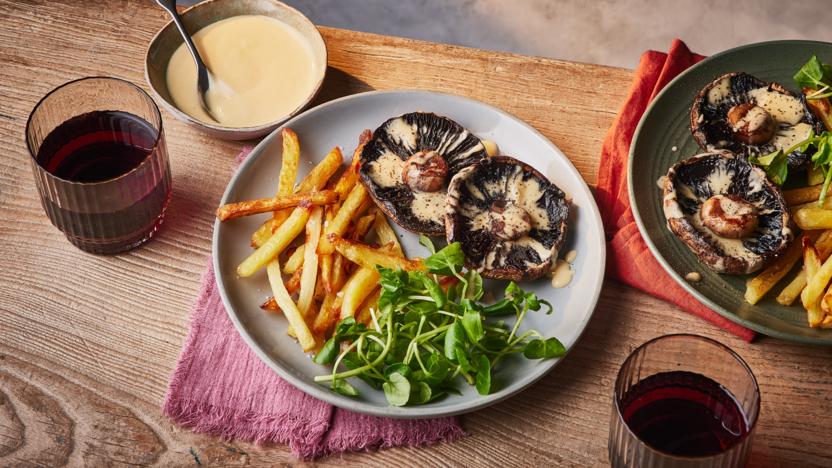
Section 5: Simple Plant-Based Recipes for Beginners
5.1 Breakfast: Overnight Oats with Chia Seeds and Berries
- Ingredients: Rolled oats, chia seeds, almond milk, fresh berries, a touch of maple syrup.
- Method: Combine ingredients in a jar, refrigerate overnight, serve chilled.
- Benefits: Quick, nutrient-dense, high-fiber.
5.2 Lunch: Quinoa and Black Bean Salad
- Ingredients: Quinoa, black beans, cherry tomatoes, cucumber, bell peppers, lemon dressing.
- Method: Cook quinoa, mix with beans and vegetables, toss with dressing.
- Benefits: High-protein, fiber-rich, easy to meal prep.
5.3 Snack: Hummus and Veggie Sticks
- Ingredients: Chickpeas, tahini, garlic, lemon juice, olive oil; carrots, cucumber, bell peppers.
- Method: Blend chickpeas, tahini, garlic, and lemon into smooth hummus; serve with sliced vegetables.
- Benefits: Protein-rich, portable, satisfying.
5.4 Dinner: Tofu Stir-Fry with Broccoli and Bell Peppers
- Ingredients: Firm tofu, broccoli, bell peppers, garlic, soy sauce, ginger, sesame oil.
- Method: Sauté tofu until golden, add vegetables and sauce, stir-fry 5–7 minutes.
- Benefits: Balanced protein, vitamins, and minerals; quick preparation.
5.5 Smoothie: Green Protein Shake
- Ingredients: Spinach, banana, almond milk, protein powder, flaxseeds.
- Method: Blend until smooth. Serve immediately.
- Benefits: Nutrient-dense, quick, energizing.
Section 6: Meal Planning and Prep Tips
6.1 Batch Cooking
- Cook grains, legumes, and proteins in bulk.
- Store in airtight containers for easy assembly throughout the week.
6.2 Ingredient Prepping
- Wash, chop, and portion vegetables in advance.
- Pre-marinate tofu or tempeh for flavor infusion and convenience.
6.3 Flexible Recipes
- Create recipes that allow ingredient swaps based on seasonal availability.
- Example: Swap broccoli for green beans, or quinoa for brown rice.
6.4 Portioning
- Pre-portion meals to control calories, nutrients, and reduce waste.
Section 7: Flavor Enhancement Without Animal Products
7.1 Umami Sources
- Nutritional yeast, miso, soy sauce, mushrooms.
- Adds depth and savoriness without animal ingredients.
7.2 Herbs and Spices
- Basil, cilantro, parsley, rosemary, paprika, turmeric, cumin.
- Fresh or dried, they brighten and enhance flavor naturally.
7.3 Acid and Fermentation
- Lemon, lime, vinegar, pickles, sauerkraut.
- Balances flavors, improves digestibility, and adds complexity.
Section 8: Common Challenges and Solutions for Beginners
8.1 Limited Protein Awareness
- Solution: Learn plant-based protein sources and combine them effectively.
8.2 Flavor Concerns
- Solution: Use umami-rich ingredients, spices, and herbs to enhance taste.
8.3 Convenience
- Solution: Utilize frozen vegetables, canned beans, and pre-cooked grains for quick meals.
8.4 Nutrient Sufficiency
- Solution: Plan meals to include a variety of vegetables, legumes, nuts, seeds, and fortified foods.
Section 9: Tools and Technology for Plant-Based Cooking
9.1 Kitchen Appliances
- Food processor for chopping and blending.
- Blender for smoothies and purees.
- Instant Pot or pressure cooker for grains and legumes.
9.2 Storage Solutions
- Airtight containers, vacuum sealing, and portioned freezer packs maintain freshness.
9.3 Apps and Resources
- Recipe apps, meal planners, and nutritional trackers help beginners stay organized and balanced.
Section 10: Expanding Beyond the Basics
10.1 Exploring World Cuisines
- Incorporate plant-based dishes from Mediterranean, Middle Eastern, Asian, and Latin American cuisines.
- Example: Thai tofu curry, Mediterranean chickpea salad, Mexican bean tacos.
10.2 Experimenting with Textures
- Use roasting, frying, steaming, and blending to vary textures and enhance appeal.
10.3 Plant-Based Dairy Alternatives
- Almond milk, oat milk, coconut yogurt, vegan cheeses.
- Useful for smoothies, baking, and creamy sauces.
10.4 Fermented Foods
- Tempeh, miso, kimchi, sauerkraut.
- Provide probiotics, flavor complexity, and nutritional benefits.
Section 11: Benefits of Consistent Plant-Based Cooking
- Encourages healthier eating habits and nutrient-rich diets.
- Reduces environmental impact and supports sustainable sourcing.
- Expands culinary skills and creativity.
- Simplifies meal preparation and encourages mindful eating.
Conclusion: Embracing Plant-Based Cooking
Starting a vegetarian or plant-based diet does not require complicated techniques or exotic ingredients. By understanding essential ingredients, cooking methods, flavor balancing, and meal prep strategies, beginners can create meals that are nutritious, satisfying, and delicious.
Key takeaways include:
- Focus on whole, nutrient-dense plant foods.
- Utilize quick cooking methods and batch prep to save time.
- Enhance flavor naturally using herbs, spices, acids, and umami-rich ingredients.
- Plan meals for balanced protein, vitamins, minerals, and fiber.
- Experiment with recipes, textures, and world cuisines to maintain variety and enjoyment.
With these strategies, plant-based cooking becomes accessible, efficient, and sustainable, supporting both personal health and environmental responsibility.