









Introduction
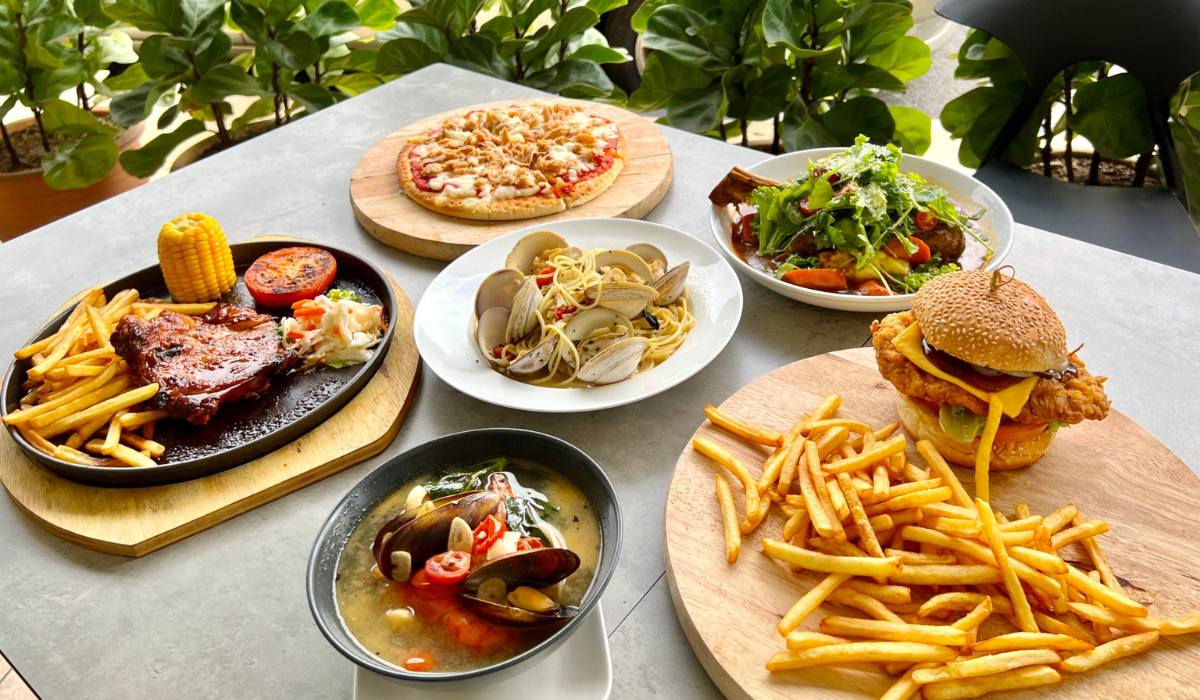
Western cuisine, particularly in North America and Europe, is renowned for its emphasis on convenience, flavor layering, and balanced nutrition. Dishes like sandwiches, salad bowls, and one-pot pasta meals have become staples in modern kitchens, catering to a wide range of dietary preferences, lifestyles, and culinary creativity.
These dishes are not only quick to prepare but also highly adaptable, allowing cooks to combine various proteins, vegetables, grains, and sauces. They reflect a growing trend towards health-conscious, fast, and globally inspired meals. This article explores these three iconic Western meal formats, examining their history, ingredients, preparation techniques, nutritional profiles, flavor principles, and modern adaptations.
1. Sandwiches: The Quintessential Western Grab-and-Go Meal
1.1 Origins and Cultural Significance
- The sandwich traces its origin to 18th-century England, attributed to John Montagu, the 4th Earl of Sandwich, as a convenient meal for travelers and workers
- Over time, sandwiches have evolved into countless regional and international variations, from American club sandwiches to French paninis and Italian focaccia-based creations
1.2 Core Components
- Bread: Whole grain, sourdough, ciabatta, rye, baguette
- Proteins: Deli meats, grilled chicken, roast beef, tofu, tempeh, legumes
- Vegetables: Lettuce, tomato, cucumber, peppers, sprouts, avocado
- Spreads and Condiments: Mustard, mayonnaise, pesto, hummus, aioli
1.3 Preparation Techniques
- Bread Selection: Choose bread that complements texture and flavor
- Layering Ingredients: Start with spreads, then proteins, vegetables, and cheese
- Toasting/Grilling: Optional step to enhance flavor and texture
- Cutting and Presentation: Diagonal slices or finger-size portions for ease of consumption
1.4 Nutritional Considerations
- Can be balanced in carbohydrates, protein, fiber, and healthy fats
- Incorporate whole grains and lean proteins to optimize nutrition
- Use vegetables generously to increase micronutrient content
1.5 Modern Variations
- Open-faced sandwiches with avocado, smoked salmon, and microgreens
- Plant-based sandwiches with hummus, roasted vegetables, and vegan cheeses
- Fusion sandwiches combining flavors from multiple cuisines (e.g., Mediterranean chicken pita)
2. Salad Bowls: Freshness, Nutrition, and Flexibility
2.1 Historical Context
- Salad bowls gained popularity in the 20th century, reflecting increased interest in fresh vegetables, whole grains, and balanced diets
- Popularized in cafés, fast-casual restaurants, and health-focused eateries across Europe and North America
2.2 Common Ingredients
- Greens: Romaine, spinach, kale, arugula, mixed greens
- Proteins: Grilled chicken, salmon, beans, tofu, boiled eggs
- Vegetables and Fruits: Tomatoes, cucumbers, bell peppers, carrots, berries, apples
- Grains: Quinoa, brown rice, farro, bulgur
- Toppings: Nuts, seeds, croutons, cheese, dried fruits
- Dressings: Vinaigrette, creamy dressings, yogurt-based, tahini, citrus
2.3 Preparation Techniques
- Ingredient Preparation: Wash, chop, and portion vegetables and greens
- Protein Cooking: Grilling, roasting, or poaching
- Grain Cooking: Steam or boil grains for inclusion
- Assembly: Layer ingredients in a visually appealing manner
- Dressing and Tossing: Apply dressings just before serving to prevent sogginess
2.4 Nutritional Benefits
- Provides high fiber content, antioxidants, lean protein, and healthy fats
- Supports weight management, cardiovascular health, and digestive health
- Easily adaptable to low-carb, vegetarian, vegan, or gluten-free diets
2.5 Modern Adaptations
- Buddha bowls: Layered with grains, vegetables, protein, and sauce for balanced nutrition
- Mediterranean salad bowls with feta, olives, chickpeas, and herbs
- Global fusion bowls combining Asian, Mexican, and Middle Eastern flavors
3. One-Pot Pasta Meals: Comfort and Efficiency
3.1 Origins and Cultural Significance
- Pasta is a staple of Italian cuisine, with origins dating back to the 13th century
- One-pot pasta meals simplify cooking by combining pasta, proteins, vegetables, and sauce in a single vessel
- Popular in Western households due to ease, speed, and minimal cleanup
3.2 Core Ingredients
- Pasta: Spaghetti, penne, fusilli, linguine, whole grain or gluten-free options
- Proteins: Ground meat, chicken, seafood, plant-based alternatives
- Vegetables: Zucchini, bell peppers, tomatoes, spinach, mushrooms
- Sauces: Tomato-based, cream-based, pesto, olive oil and garlic
- Seasonings: Salt, pepper, herbs, chili flakes, parmesan, nutritional yeast
3.3 Cooking Techniques
- Boiling Pasta: Cook in a measured amount of water or stock to absorb flavor directly
- Protein Sautéing: Brown or cook proteins in the same pot
- Vegetable Integration: Add vegetables at stages ensuring texture retention
- Sauce Incorporation: Gradually add sauces or liquids to blend flavors and thicken consistency
- Finishing Touches: Garnish with herbs, cheese, or nuts
3.4 Nutritional Considerations
- Provides complex carbohydrates, protein, and vitamins from vegetables
- One-pot method preserves flavors and nutrients while reducing fat and sodium
- Adaptable for calorie-conscious or high-protein diets
3.5 Modern Innovations
- Whole-grain or legume-based pasta for higher fiber and protein content
- Gluten-free and plant-based versions with lentil, chickpea, or zucchini noodles
- Fusion pasta: Incorporating Asian sauces, Mediterranean herbs, or Mexican spices
4. Flavor Principles in Western Quick Meals
4.1 Layering Flavors
- Use a balance of salty, sweet, sour, bitter, and umami
- Example: Sandwich with tangy mustard, sweet roasted peppers, savory protein
4.2 Texture Contrast
- Combine crunchy, soft, creamy, and chewy elements
- Ensures pleasing sensory experience in each bite
4.3 Freshness and Seasonality
- Emphasis on fresh vegetables, herbs, and seasonal produce
- Seasonal variations maintain nutritional density and flavor vibrancy
5. Efficient Cooking Techniques
5.1 Mise en Place
- Pre-chop vegetables, measure sauces, and portion proteins
- Reduces active cooking time and ensures consistency
5.2 Batch Cooking
- Cook grains, proteins, or sauces in bulk
- Freeze or refrigerate portions for quick assembly of sandwiches, salad bowls, or pasta meals
5.3 One-Pot and Multi-Task Cooking
- One-pot pasta reduces cleanup and maximizes flavor infusion
- Sandwich prep and salad assembly can occur simultaneously
6. Nutritional Strategies
6.1 Macro Balance
- Sandwiches: carbs from bread, protein from meats or legumes, vegetables for fiber
- Salad bowls: leafy greens and grains, protein, healthy fats from nuts or avocado
- One-pot pasta: pasta for carbs, protein, vegetables, minimal added fat
6.2 Ingredient Quality
- Whole grains, fresh vegetables, lean proteins, and healthy fats
- Limit processed ingredients, excess oils, and sodium
6.3 Dietary Adaptations
- Gluten-free: Use gluten-free bread or pasta
- Plant-based: Replace meat and dairy with legumes, tofu, or vegan cheese
- Low-calorie: Portion control and dressing moderation
7. Tools and Appliances
- Blenders and food processors: For sauces, spreads, and dressings
- Non-stick or cast-iron skillets: For grilling sandwiches or sautéing ingredients
- Rice cookers or multi-cookers: For grains in salad bowls or pasta water
- Sharp knives and mandolins: Efficient chopping and slicing for sandwiches and salads
8. Challenges and Solutions
8.1 Maintaining Freshness
- Store ingredients separately to prevent sogginess in sandwiches and salads
- Use airtight containers and refrigeration
8.2 Flavor Consistency
- Standardize seasoning ratios
- Taste as you cook to maintain balanced flavors
8.3 Time Constraints
- Pre-portion and batch-cook proteins and grains
- Assemble sandwiches or salad bowls quickly with prepped ingredients
9. Global Adaptations and Fusion
- Mediterranean sandwiches with hummus, grilled vegetables, and feta
- Asian-inspired salad bowls with sesame dressing, edamame, and rice noodles
- Mexican-style one-pot pasta with black beans, corn, and chili flakes
- Seasonal adaptations incorporating regional produce and proteins
10. Future Trends in Western Quick Meals
- Plant-forward meals: More vegetables, legumes, and plant-based proteins
- Functional ingredients: Superfoods like kale, quinoa, chia, and seeds incorporated
- Smart kitchens: AI-assisted recipe suggestions, programmable multi-cookers
- Sustainability: Minimal food waste and use of locally sourced ingredients
- Meal kits and pre-portioned ingredients for rapid assembly and freshness
Conclusion
Sandwiches, salad bowls, and one-pot pasta meals exemplify the essence of modern Western quick cuisine: fast, flavorful, adaptable, and nutritious. By understanding ingredient selection, preparation techniques, flavor layering, and modern adaptations, cooks can create meals that are efficient, satisfying, and globally inspired.
With the rising demand for health-conscious, convenient, and versatile meals, these dishes are ideal for contemporary households, professional kitchens, and foodservice environments. Mastery of these formats allows for creativity, balanced nutrition, and enjoyable eating experiences across varied lifestyles and dietary needs.