








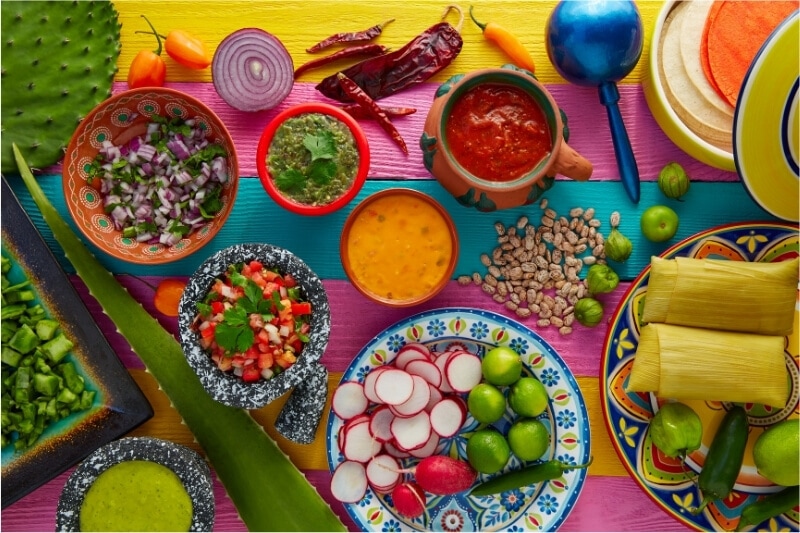

Food is one of the most direct and intimate expressions of culture. Beyond satisfying hunger, it communicates history, geography, social customs, and values of a community. From bustling street markets to refined fine dining, each meal is embedded with meaning, reflecting centuries of agricultural practices, trade routes, and regional influences. This article explores how food serves as a lens to understand local culture, examining culinary traditions, ingredient sourcing, preparation methods, dining etiquette, and the role of food in social rituals and identity formation across the globe.
The Intersection of Food and Culture
Culture encompasses beliefs, customs, art, language, and shared practices. Food intersects with all of these, offering a tangible manifestation of intangible cultural values.
Culinary Practices as Cultural Expressions
- Preparation Techniques: Traditional cooking methods, from fermentation to slow roasting, embody regional knowledge and environmental adaptation.
- Ingredients as Symbols: Locally sourced ingredients often carry symbolic meaning, representing abundance, spiritual beliefs, or historical trade connections.
- Flavor Profiles: Regional taste preferences reflect climate, agricultural conditions, and cultural aesthetics, shaping the identity of a cuisine.
Food and Social Structures
Food is also a medium for social cohesion and hierarchy:
- Communal Eating: In cultures like Ethiopia and India, shared meals foster community and collective identity.
- Ritualized Dining: Ceremonial foods, such as Japan’s kaiseki or Mexico’s Day of the Dead offerings, reveal cultural values and historical continuity.
- Celebratory Foods: Festive dishes often highlight local agricultural cycles, religious practices, and family traditions.
Exploring Regional Culinary Traditions
Understanding local culture through food requires examining both regional ingredients and culinary heritage.
Asia: Harmony and Ritual
- Japan: Kaiseki dining and tea ceremonies emphasize seasonal ingredients, meticulous presentation, and harmony with nature. Each dish narrates a story of geography, climate, and culinary philosophy.
- China: Regional cuisines, from Sichuan’s spicy dishes to Cantonese dim sum, reflect local climate, historical trade, and philosophical principles such as yin and yang in balancing flavors.
- Thailand: Street food culture integrates communal dining, aromatic herbs, and balance of flavors, reflecting Buddhist values and a deep connection to local agriculture.
Europe: Heritage, Terroir, and Craftsmanship
- France: Regional cheeses, wines, and pastries are deeply tied to local terroir, artisanal craftsmanship, and historical culinary evolution. Understanding these foods requires knowledge of geography, climate, and centuries of gastronomic refinement.
- Italy: Italian regional dishes, such as Neapolitan pizza or Tuscan ribollita, represent local ingredients, family traditions, and centuries-old agricultural practices.
- Spain: Tapas culture embodies social interaction, culinary creativity, and the integration of diverse regional influences, illustrating both local identity and cultural adaptability.
Latin America: Indigenous Roots and Colonial Influences
- Mexico: Traditional foods like tamales and mole reflect a blend of indigenous ingredients and Spanish colonial influences, providing insight into historical adaptation and cultural syncretism.
- Peru: Andean cuisine utilizes native crops such as quinoa and potatoes, emphasizing the relationship between geography, agriculture, and cultural heritage.
- Brazil: Feijoada and regional seafood dishes illustrate Afro-Brazilian traditions, historical trade networks, and community identity.
Middle East and North Africa: Spice, Ritual, and Hospitality
- Morocco: Tagines, couscous, and spice blends reflect Berber traditions, Islamic dietary practices, and the legacy of trade routes linking Africa, Europe, and Asia.
- Turkey: Ottoman culinary heritage, seen in dishes like baklava and kebabs, reveals the fusion of empire-wide influences and regional adaptations.
- Lebanon: Mezze culture illustrates hospitality, communal sharing, and a nuanced approach to flavor and presentation.

Ingredients as Cultural Narratives
Ingredients themselves tell stories about geography, agriculture, and local traditions.
Local Sourcing and Seasonal Awareness
- Farm-to-Table Practices: Utilizing local, seasonal ingredients highlights environmental adaptation, sustainability, and cultural respect for the land.
- Traditional Agriculture: Indigenous farming methods, terrace cultivation, and crop rotation preserve both biodiversity and historical knowledge.
- Trade and Migration: Ingredients such as spices, chili, and coffee reveal historical trade routes and cross-cultural exchanges.
Symbolic Ingredients
- Rice in Asia: Central to sustenance and ritual, rice represents prosperity, fertility, and community.
- Corn in Latin America: Maize carries spiritual significance and sustains cultural identity through traditional dishes like tortillas and tamales.
- Olives in the Mediterranean: Olive trees symbolize longevity, peace, and connection to land and history.
Street Food and Market Exploration as Cultural Immersion
Street food and markets are living cultural laboratories, offering a direct window into everyday life.
Sensory and Social Dimensions
- Visual Appeal: Colorful produce, handcrafted foods, and vibrant stalls reflect aesthetic traditions and regional creativity.
- Aromas and Flavors: Spices, herbs, and cooking methods communicate cultural preferences and culinary history.
- Social Interaction: Markets encourage negotiation, storytelling, and exchange, connecting travelers with local vendors and community practices.
Examples of Immersive Markets
- Bangkok, Thailand: Night markets and street food stalls reveal culinary hierarchy, seasonal ingredient use, and communal dining practices.
- Mexico City, Mexico: Mercado de San Juan introduces indigenous ingredients, family-run culinary traditions, and cross-generational knowledge transfer.
- Florence, Italy: Mercato Centrale blends fresh produce with artisanal cooking demonstrations, offering insights into Tuscan agricultural and culinary heritage.
Dining Etiquette and Rituals as Cultural Expression
How people eat communicates cultural norms, values, and social rules.
Communal Eating
- India: Sharing thali meals emphasizes inclusivity, hospitality, and collective identity.
- Ethiopia: Injera-based communal eating fosters connection and equality within the group.
Ritualized Meals
- Japan: Kaiseki and tea ceremonies demonstrate discipline, respect, and harmony with nature.
- Morocco: Tagine and communal meals during Ramadan highlight religious observance, hospitality, and cultural solidarity.
Celebratory and Ceremonial Foods
- Mexico: Day of the Dead offerings and festive foods connect ancestry, ritual, and historical memory.
- China: Lunar New Year dishes illustrate symbolism, familial bonds, and historical continuity.
Culinary Storytelling and Tourism
Food tourism is increasingly recognized as a powerful vehicle for cultural understanding.
Experiential Culinary Tourism
- Cooking Classes: Learning to prepare local dishes deepens appreciation for techniques and cultural significance.
- Guided Market Tours: Insight into ingredient sourcing, local production, and vendor traditions enhances contextual understanding.
- Interactive Dining: Participating in traditional rituals or tasting sessions transforms food consumption into cultural engagement.
Benefits for Travelers
- Cultural Literacy: Food acts as an entry point to history, geography, and societal norms.
- Emotional Engagement: Personal stories from chefs and vendors create lasting cultural connections.
- Sustainability Awareness: Understanding seasonal and local sourcing fosters environmentally responsible choices.
Benefits for Local Communities
- Preservation of Traditions: Culinary storytelling supports artisanal methods, recipes, and agricultural knowledge.
- Economic Support: Cultural food experiences create sustainable income for small producers, markets, and restaurants.
- Cultural Promotion: Food tourism raises awareness of regional heritage on a global scale.
Challenges and Considerations
- Authenticity vs. Commercialization: Some food experiences may be commodified, altering traditional methods and narratives.
- Accessibility: High-end or remote experiences may be costly or require careful planning.
- Cultural Sensitivity: Respecting local customs, dietary laws, and etiquette is essential for meaningful engagement.
Conclusion
Food is far more than a sensory experience; it is a profound medium for understanding culture. Each dish, ingredient, and culinary ritual carries history, geography, and social meaning, connecting diners to local traditions and values. Street markets, fine dining, and communal meals offer immersive experiences that teach, engage, and inspire, making gastronomy a form of cultural literacy.
For travelers and enthusiasts, approaching food with curiosity, participation, and respect transforms eating into a journey through the heart of a community. Food becomes a storyteller, a teacher, and a bridge—revealing the soul of a culture bite by bite. By recognizing and engaging with these culinary narratives, we not only savor flavors but also gain insight into the identity, history, and spirit of the people behind them.