









Introduction: A Shared Table Between Continents
Stretching from the eastern shores of the Mediterranean Sea into the heart of the Middle East lies one of the world’s most influential culinary regions. Here, food is not merely sustenance; it is language, memory, and social glue. At bustling markets, family kitchens, and street-side stalls, dishes are assembled from humble ingredients—legumes, vegetables, grains, olive oil—yet they carry centuries of history, belief, and exchange.
Among the most recognizable expressions of this shared food culture are hummus, fast-roasted vegetables, and flatbread wraps. Simple at first glance, these foods reveal a deep logic shaped by climate, agriculture, trade, religion, and daily life. They reflect a cuisine that values balance over excess, speed without sacrificing flavor, and communal eating over individual plates.
This article explores the Middle Eastern and Mediterranean culinary continuum through these three elements. By examining their ingredients, techniques, cultural meanings, and modern adaptations, we uncover how a regional food system built on necessity became a global model of flavor, health, and hospitality.
1. The Middle East and the Mediterranean: A Culinary Continuum
1.1 Geography as Destiny
The Middle East and the Mediterranean are bound by geography. Hot summers, mild winters, limited water in many areas, and abundant sunlight shaped agricultural choices long before modern technology. The result was a reliance on:
- Drought-resistant legumes such as chickpeas and lentils
- Hardy vegetables like eggplant, zucchini, peppers, and onions
- Grains, especially wheat
- Olive oil as the primary fat
These shared environmental conditions produced overlapping cuisines that differ in accent rather than foundation.
1.2 Trade Routes and Cultural Exchange
For millennia, trade routes connected Anatolia, the Levant, North Africa, Southern Europe, and beyond. Spices, techniques, and ideas traveled with merchants, pilgrims, and migrants. Food evolved through borrowing rather than isolation.
Hummus appears across borders under different names. Flatbreads take dozens of forms—pita, lavash, khubz, manakish—each shaped by local ovens and customs. Roasted vegetables appear everywhere, seasoned according to local taste.
Rather than strict national ownership, these foods belong to a shared culinary ecosystem.
2. Hummus: A Dish of Simplicity, Depth, and Debate
2.1 The Anatomy of Hummus
At its core, hummus consists of:
- Chickpeas
- Tahini (sesame paste)
- Lemon juice
- Garlic
- Olive oil
- Salt
This short ingredient list reflects a defining principle of Middle Eastern and Mediterranean cooking: quality over quantity. When ingredients are few, each one must be respected.
2.2 Chickpeas: The Backbone of the Region
Chickpeas thrive in dry climates and poor soils, making them ideal for the Middle East and Mediterranean basin. They are:
- Nutritionally dense
- Inexpensive
- Easy to store
Historically, chickpeas provided protein where meat was scarce or reserved for special occasions. Hummus transformed this necessity into a culinary icon.
2.3 Technique Over Recipe
Authentic hummus is less about exact measurements and more about technique:
- Properly cooked chickpeas for smoothness
- Balanced acidity from lemon
- Emulsification between tahini and olive oil
In many households, hummus is adjusted by taste rather than formula, reflecting the intuitive nature of regional cooking.
2.4 Cultural Meaning and Communal Eating
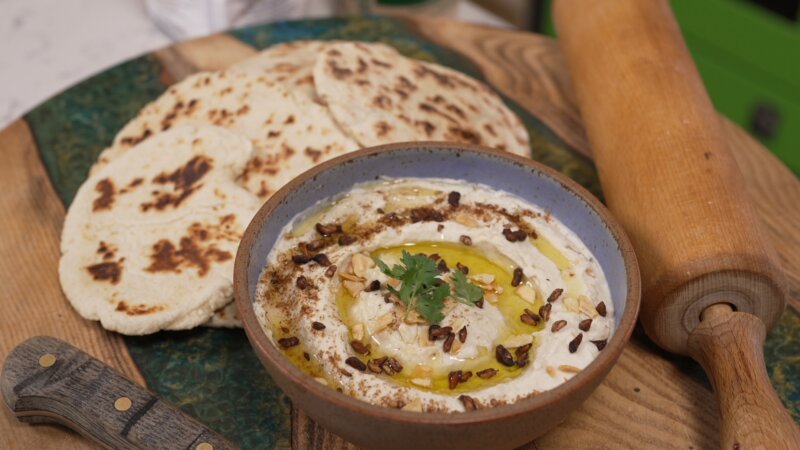
Hummus is rarely eaten alone. It is placed at the center of the table, shared with bread, vegetables, and conversation. This communal format reflects broader social values:
- Hospitality
- Equality at the table
- Food as a collective experience
Arguments over hummus’s origin—while passionate—underscore how deeply it is woven into regional identity.
3. Fast-Roasted Vegetables: Speed, Fire, and Flavor
3.1 Why Roasting Matters in Hot Climates
In regions where fuel and time were historically limited, cooking methods evolved to be efficient. Fast roasting—using high heat for short periods—allowed cooks to:
- Preserve vegetable texture
- Concentrate natural sugars
- Minimize fuel use
This approach contrasts with long braises common in colder climates.
3.2 Common Vegetables, Endless Variations
Across Middle Eastern and Mediterranean kitchens, certain vegetables appear repeatedly:
- Eggplant
- Zucchini
- Bell peppers
- Tomatoes
- Onions
Roasted quickly with olive oil and salt, they become the base for countless dishes—served as mezze, folded into wraps, or layered with grains and legumes.
3.3 Seasoning as Cultural Signature
While the roasting technique is shared, seasoning distinguishes local styles:
- Levantine kitchens may add cumin, sumac, or za’atar
- Mediterranean coasts emphasize herbs like oregano and thyme
- North African influences introduce chili and warm spices
These subtle differences create a rich mosaic of flavors from a common method.
3.4 Vegetables as the Center, Not the Side
Unlike meat-centric cuisines, Middle Eastern and Mediterranean food often places vegetables at the center of the meal. Roasted vegetables are not supporting actors; they are the main attraction.
This approach reflects both historical scarcity of meat and a cultural appreciation for plant-based flavors long before modern dietary trends.
4. Flatbread: The Universal Vessel
4.1 Bread as a Daily Essential
Flatbread is foundational across the region. Made from wheat, water, and time, it appears in countless forms:
- Pita with its pocket
- Thin lavash
- Soft khubz
- Rustic village breads baked on hot stones
Bread is eaten at every meal, often replacing utensils.
4.2 Bread as Plate, Spoon, and Wrap
Flatbread is multifunctional:
- Torn and dipped into hummus
- Used to scoop vegetables and salads
- Wrapped around roasted fillings
This versatility shaped eating habits and meal structure. Food is assembled by hand, reinforcing intimacy and participation.
4.3 Symbolism and Respect
In many cultures of the Middle East, bread carries deep symbolic weight:
- It represents sustenance and dignity
- Waste is discouraged
- Sharing bread signifies trust and peace
This reverence elevates even the simplest flatbread to cultural significance.
5. The Flatbread Wrap: Mobility and Modernity
5.1 Street Food Origins
The flatbread wrap emerged from practicality. Workers, travelers, and vendors needed food that was:
- Portable
- Affordable
- Filling
By combining hummus, roasted vegetables, and bread, cooks created a complete meal that required no plate and minimal time.
5.2 Balance of Texture and Nutrition
A well-made wrap offers:
- Creaminess from hummus
- Caramelized crunch from roasted vegetables
- Soft chew from bread
Nutritionally, it delivers protein, fiber, healthy fats, and complex carbohydrates—an accidental masterpiece of balance.
5.3 A Template, Not a Fixed Dish
The flatbread wrap is less a recipe than a structure. Ingredients change with season, location, and preference. This flexibility explains its global appeal.
6. Mezze Culture: Many Dishes, One Table
6.1 The Philosophy of Small Plates
Hummus and roasted vegetables often appear as part of mezze—a collection of small dishes meant to be shared. Mezze emphasizes:
- Variety over quantity
- Conversation over speed
- Community over individual consumption
This dining style shapes how food is prepared and served.
6.2 Social Rhythm and Hospitality
Mezze meals unfold slowly. Dishes arrive in waves, encouraging lingering and interaction. The goal is not efficiency, but connection.
Flatbread circulates constantly, binding the table together.
7. Health, Sustainability, and the Modern Rediscovery
7.1 Nutritional Wisdom Before Nutrition Science
Long before dietary guidelines, Middle Eastern and Mediterranean cuisines developed patterns now praised for health:
- High plant intake
- Moderate fat from olive oil
- Limited red meat
- Emphasis on whole foods
Hummus, roasted vegetables, and flatbread wraps exemplify this balance.
7.2 Sustainability Rooted in Tradition
These foods are inherently sustainable:
- Legumes enrich soil
- Vegetables require fewer resources than livestock
- Local, seasonal cooking reduces waste
What is now called “sustainable eating” has long been everyday practice.
8. Global Spread and Culinary Adaptation
8.1 From Regional Staples to Global Icons
In recent decades, hummus and flatbread wraps have become global staples, appearing in cafés, supermarkets, and home kitchens worldwide. Their rise reflects:
- Demand for plant-forward meals
- Interest in global flavors
- Appreciation for simplicity
8.2 Adaptation Without Erasure
As these foods travel, they adapt—new vegetables, sauces, and breads appear. This evolution mirrors the region’s own history of exchange.
The challenge lies in honoring origins while allowing creativity.
9. Identity, Memory, and Everyday Cooking
9.1 Food as Emotional Geography
For many people of Middle Eastern and Mediterranean heritage, hummus, roasted vegetables, and flatbread wraps are not trends—they are memory. They recall:
- Family kitchens
- Shared meals
- Everyday rhythms
These dishes carry identity across borders and generations.
9.2 Home Cooking as Cultural Continuity
Even as restaurants innovate, the heart of this cuisine remains domestic. The techniques are accessible, the ingredients affordable, and the knowledge often passed down informally.
This accessibility ensures continuity.
10. Why These Foods Endure
Hummus, fast-roasted vegetables, and flatbread wraps endure not because they are fashionable, but because they answer fundamental human needs:
- Nourishment without excess
- Flavor without complication
- Community without formality
They are adaptable, generous, and deeply rooted in place.
Conclusion: A Shared Culinary Language
The Middle East and the Mediterranean speak many languages, follow different religions, and tell diverse histories. Yet at the table, a shared language emerges—spoken through hummus smoothed by hand, vegetables kissed by fire, and bread torn and passed from person to person.
These foods remind us that great cuisine does not require complexity, only understanding: of land, of people, and of time. In a world increasingly disconnected from its food systems, the humble combination of hummus, roasted vegetables, and flatbread offers a powerful lesson—one of balance, hospitality, and enduring wisdom.
At their best, these dishes are not just meals. They are maps of a region where food has always been a bridge—between cultures, between classes, and between the past and the present.