








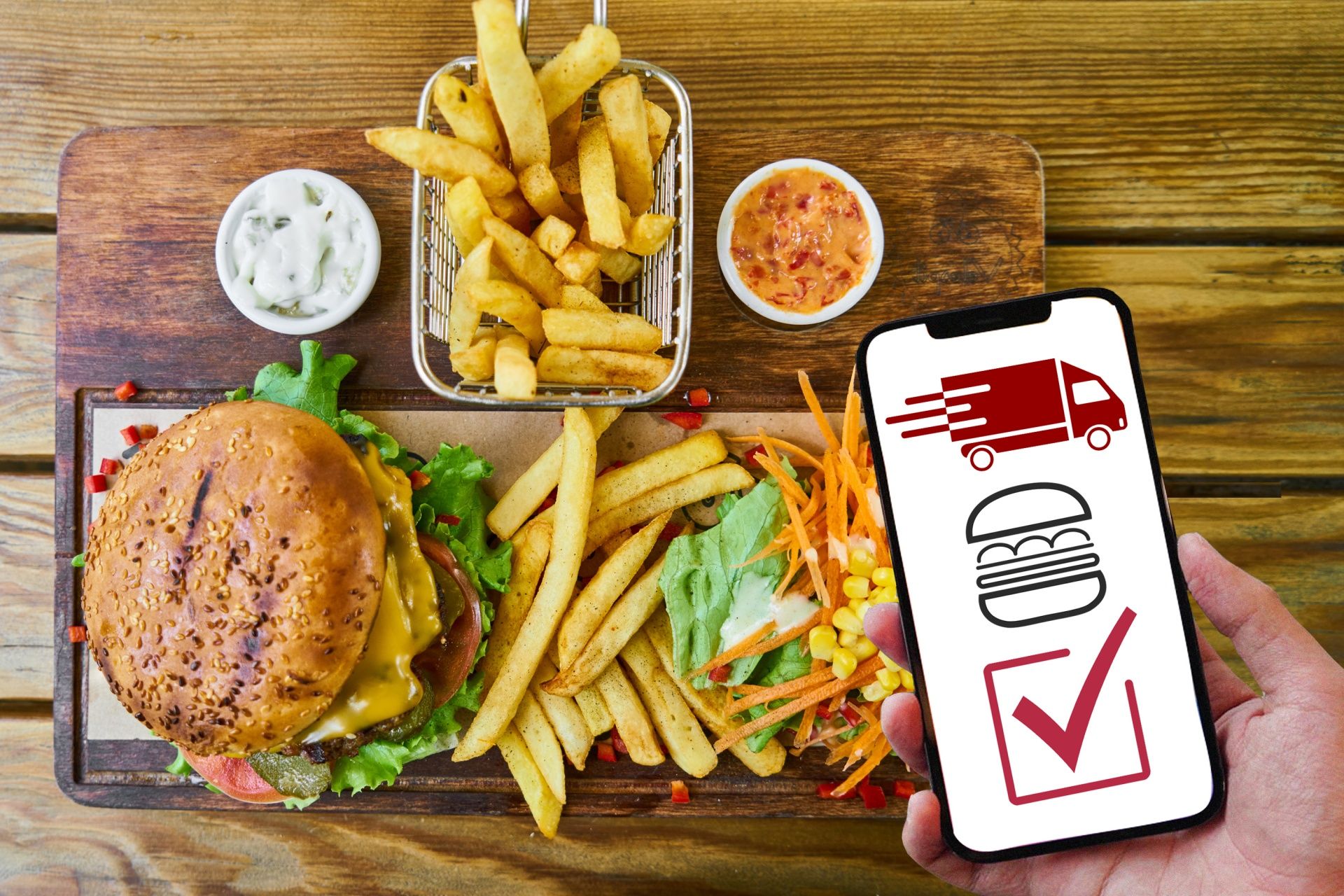

Introduction: From Wandering Palates to Algorithmic Guidance
For most of human history, food discovery was local, slow, and deeply personal. People learned what to eat through family traditions, neighborhood markets, seasonal availability, and word of mouth. A memorable dish might travel only as far as a migrating cook or a handwritten recipe. Culinary exploration depended on physical proximity and social networks.
In the last two decades, however, this landscape has changed dramatically. Smartphones, social media, search engines, data platforms, and artificial intelligence have fundamentally reshaped how people find, evaluate, experience, and remember food. Today, a person can discover a restaurant on another continent, understand its menu, see thousands of photos, read reviews, and even learn how to recreate its dishes at home—often within minutes.
Digital tools have not merely accelerated food exploration; they have restructured it. They influence what we desire, where we go, how we choose, and how cuisines spread across cultures. This article examines how digital technology has transformed food exploration, from discovery and decision-making to cultural exchange and identity, while also addressing the opportunities and challenges this transformation brings.
1. Food Discovery Before the Digital Era: Context Matters
1.1 Geography, Tradition, and Limited Choice
Historically, food exploration was constrained by geography. What one ate was largely determined by:
- Local agriculture
- Climate and seasonality
- Cultural and religious norms
- Economic access
Exploring “new food” often meant encountering a neighboring region’s cuisine or tasting a dish introduced through migration or trade.
1.2 Gatekeepers of Taste
Before digital tools, culinary knowledge was mediated by gatekeepers:
- Chefs and restaurateurs
- Food critics and newspapers
- Cookbooks and television programs
These channels were influential but limited in reach and diversity. Many voices—home cooks, street vendors, minority cuisines—remained invisible.
2. Search Engines and Maps: The Foundation of Digital Food Exploration
2.1 From Asking Locals to Asking Algorithms
Search engines transformed how people answer the most basic food question: Where should I eat? Instead of relying solely on local knowledge, users now consult:
- Search results
- Digital maps
- Location-based recommendations
This shift placed algorithms at the center of food exploration, prioritizing visibility, relevance, and data signals.
2.2 Maps as Culinary Interfaces
Digital mapping platforms evolved from navigation tools into food discovery ecosystems. They combine:
- Location data
- User reviews
- Photos and menus
- Operating hours and popularity trends
Maps now function as dynamic food guides, shaping movement and consumer behavior in real time.
2.3 Impact on Restaurants and Cities
This visibility changed urban food landscapes:
- Restaurants optimize for digital presence, not just taste
- Neighborhoods gain or lose traffic based on algorithmic exposure
- “Hidden gems” become global destinations overnight
Food exploration became scalable, but also competitive.
3. Review Platforms and the Democratization of Opinion
3.1 From Critics to Crowds
Digital review platforms shifted authority from professional critics to the collective voice of consumers. Anyone with a smartphone can now influence perception through ratings, photos, and comments.
This democratization:
- Increased transparency
- Reduced dependence on elite tastemakers
- Amplified everyday dining experiences
Food exploration became participatory rather than hierarchical.
3.2 Trust, Bias, and Signal Noise
However, crowd-sourced opinions come with challenges:
- Review inflation and manipulation
- Cultural bias in expectations
- Overemphasis on visual appeal
Digital tools changed not only what people explore, but how they judge quality.
4. Social Media: The Visual Revolution of Food Discovery
4.1 Food as Visual Content
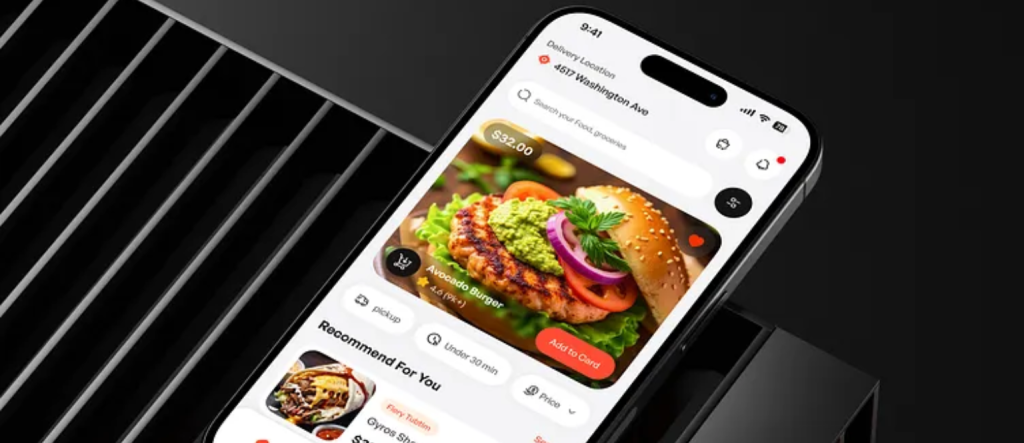
Platforms built around images and short videos transformed food into a highly visual medium. Dishes are now discovered before they are tasted, often through:
- Carefully composed photos
- Short-form cooking videos
- Influencer narratives
Visual appeal has become a primary gateway to culinary interest.
4.2 Virality and the Acceleration of Trends
Digital platforms allow food trends to spread globally in days rather than decades. A single dish, technique, or ingredient can:
- Go viral
- Inspire imitation across cultures
- Create sudden demand spikes
This acceleration reshapes supply chains, restaurant menus, and consumer expectations.
4.3 The Rise of Food Influencers
Food influencers occupy a new role between media, marketing, and personal storytelling. They guide exploration by:
- Curating experiences
- Framing narratives around food
- Translating cultural context for broad audiences
Their influence highlights how trust has shifted from institutions to personalities.
5. Apps and Platforms: Personalizing the Culinary Journey
5.1 Recommendation Systems and Personal Taste Profiles
Food discovery apps increasingly rely on data-driven personalization. By analyzing:
- Past behavior
- Preferences
- Location and time
Digital tools recommend restaurants, dishes, and cuisines tailored to individual users. Exploration becomes less random and more curated.
5.2 Convenience as a Driver of Exploration
Delivery and reservation platforms expanded food exploration beyond physical constraints. People now explore food by:
- Ordering cuisines they might not visit in person
- Trying new dishes with low commitment
- Discovering restaurants through availability rather than proximity
Convenience reshapes curiosity.
6. Digital Menus, Data, and Decision-Making
6.1 Menus as Information Systems
Digital menus provide more than prices and names. They often include:
- Photos and descriptions
- Ingredient transparency
- Allergen and dietary information
This data empowers consumers to make informed choices, especially for those with health, ethical, or religious considerations.
6.2 Data-Driven Dining Choices
Food exploration increasingly involves comparison:
- Ratings versus price
- Popularity versus novelty
- Convenience versus authenticity
Digital tools structure decision-making, turning exploration into a semi-analytical process.
7. Home Cooking in the Digital Age
7.1 From Cookbooks to Platforms
Home cooks once relied on printed cookbooks and oral tradition. Today, they explore food through:
- Online recipes
- Video tutorials
- Interactive cooking platforms
This has expanded access to global cuisines and techniques previously confined to professional kitchens.
7.2 Learning Through Observation and Community
Video-based platforms allow users to learn visually, mimicking:
- Knife skills
- Timing cues
- Textural indicators
Comments and community feedback create shared learning environments, transforming cooking into a social experience.
8. Artificial Intelligence and the Future of Food Discovery
8.1 Pattern Recognition and Flavor Exploration
AI systems analyze vast datasets of recipes, ingredients, and preferences to:
- Suggest novel combinations
- Predict taste compatibility
- Personalize culinary recommendations
This augments human curiosity with computational insight.
8.2 From Exploration to Co-Creation
Digital tools increasingly blur the line between discovering food and creating it. Users interact with systems that:
- Propose ideas
- Refine preferences
- Adapt suggestions dynamically
Food exploration becomes iterative and collaborative.
9. Cultural Exchange at Digital Speed
9.1 Breaking Geographic Barriers
Digital tools allow cuisines to travel without migration. People encounter dishes digitally before encountering the cultures behind them.
This accelerates cultural exchange but also risks:
- Decontextualization
- Simplification of traditions
- Loss of historical depth
Food becomes global, but understanding may lag behind.
9.2 Representation and Visibility
Digital platforms can amplify marginalized cuisines and voices, but visibility often depends on:
- Platform algorithms
- Visual appeal
- Language accessibility
Food exploration is shaped as much by technology as by culture.
10. Economic Impacts on the Food Industry
10.1 Restaurants as Digital Entities
Modern restaurants operate simultaneously as physical spaces and digital profiles. Success depends on:
- Online discoverability
- Review management
- Social media presence
Food exploration tools directly affect livelihoods.
10.2 Small Businesses and Global Audiences
Digital exposure allows small or local food businesses to reach global audiences, but also exposes them to:
- Sudden demand
- Intense competition
- Platform dependency
Exploration drives opportunity and risk in equal measure.
11. Psychological Shifts: How Digital Tools Change Our Relationship with Food
11.1 From Serendipity to Optimization
Digital tools reduce uncertainty but may also reduce serendipity. Exploration becomes:
- More efficient
- More predictable
- Less open-ended
The balance between guidance and discovery is shifting.
11.2 The Performance of Eating
Food exploration increasingly involves documentation—photos, reviews, posts. Eating becomes:
- A shared performance
- A form of identity expression
- A social signal
Digital tools mediate not only choice, but meaning.
12. Challenges and Ethical Questions
12.1 Algorithmic Homogenization
Recommendation systems tend to favor popular or highly rated options, which can:
- Crowd out niche or traditional foods
- Reinforce dominant tastes
- Limit true exploration
Digital abundance can paradoxically narrow choice.
12.2 Authenticity, Ownership, and Credit
As food travels digitally, questions arise:
- Who represents a cuisine?
- Who profits from visibility?
- How are cultural origins acknowledged?
Ethical food exploration requires awareness beyond convenience.
13. Reclaiming Intentional Exploration
13.1 Using Digital Tools Consciously
Digital tools are not inherently limiting. When used intentionally, they can:
- Expand cultural understanding
- Support local and sustainable food systems
- Encourage deeper engagement
The key lies in how we explore, not just what we click.
13.2 Balancing Data with Curiosity
The future of food exploration may belong to those who combine:
- Algorithmic guidance
- Human curiosity
- Cultural humility
Technology can open doors, but humans must choose how to walk through them.
Conclusion: A New Era of Culinary Exploration
Digital tools have not simply changed the speed or scale of food exploration—they have changed its structure. Discovery is now visual, data-driven, personalized, and globally interconnected. Cuisines circulate faster, voices multiply, and access expands in unprecedented ways.
Yet beneath the screens and algorithms, the core human impulse remains the same: the desire to taste, to understand, and to connect. Digital tools are powerful amplifiers of this impulse, not replacements for it.
As we navigate this new era, the challenge is not to resist technology, but to use it wisely—to explore food not only as content or consumption, but as culture, history, and shared experience. When approached with intention, digital food exploration can deepen rather than diminish our relationship with what we eat.
In this sense, technology does not end the story of food discovery. It simply writes a new chapter—one that we are all, consciously or not, helping to shape.