









In recent years, the landscape of home cooking has undergone a remarkable transformation. Driven by consumer demand for convenience, health-conscious solutions, and technological integration, appliances such as air fryers, slow cookers, and multifunctional cooking machines have gained widespread popularity. These tools not only simplify meal preparation but also enable users to explore diverse cooking techniques and innovative culinary creations.
This article explores the rise of these kitchen appliances, their technological advancements, impact on cooking habits, health considerations, market trends, and future prospects. It provides an in-depth analysis of how modern appliances are reshaping culinary culture, domestic food preparation, and the broader food industry.
1. Historical Context and Market Evolution
1.1 Traditional Cooking Appliances
Historically, home cooking relied on basic stoves, ovens, and manual kitchen utensils. These tools demanded significant time, skill, and attention, often limiting the types of meals that could be prepared efficiently. Early innovations, such as pressure cookers and electric mixers, provided incremental convenience but did not fundamentally alter cooking culture.
1.2 Emergence of Modern Appliances
The late 20th and early 21st centuries saw the introduction of electric and automated cooking devices designed to simplify food preparation. Notable innovations include:
- Slow cookers (Crock-Pots) enabling unattended, long-duration cooking.
- Multifunctional machines such as Thermomix or Instant Pot, combining steaming, blending, kneading, and cooking.
- Air fryers, designed to mimic deep-frying with minimal oil for healthier results.
Consumer interest in convenience, health, and experimentation has driven rapid adoption of these technologies globally.
2. Air Fryers: Health, Efficiency, and Versatility
2.1 Technology Overview
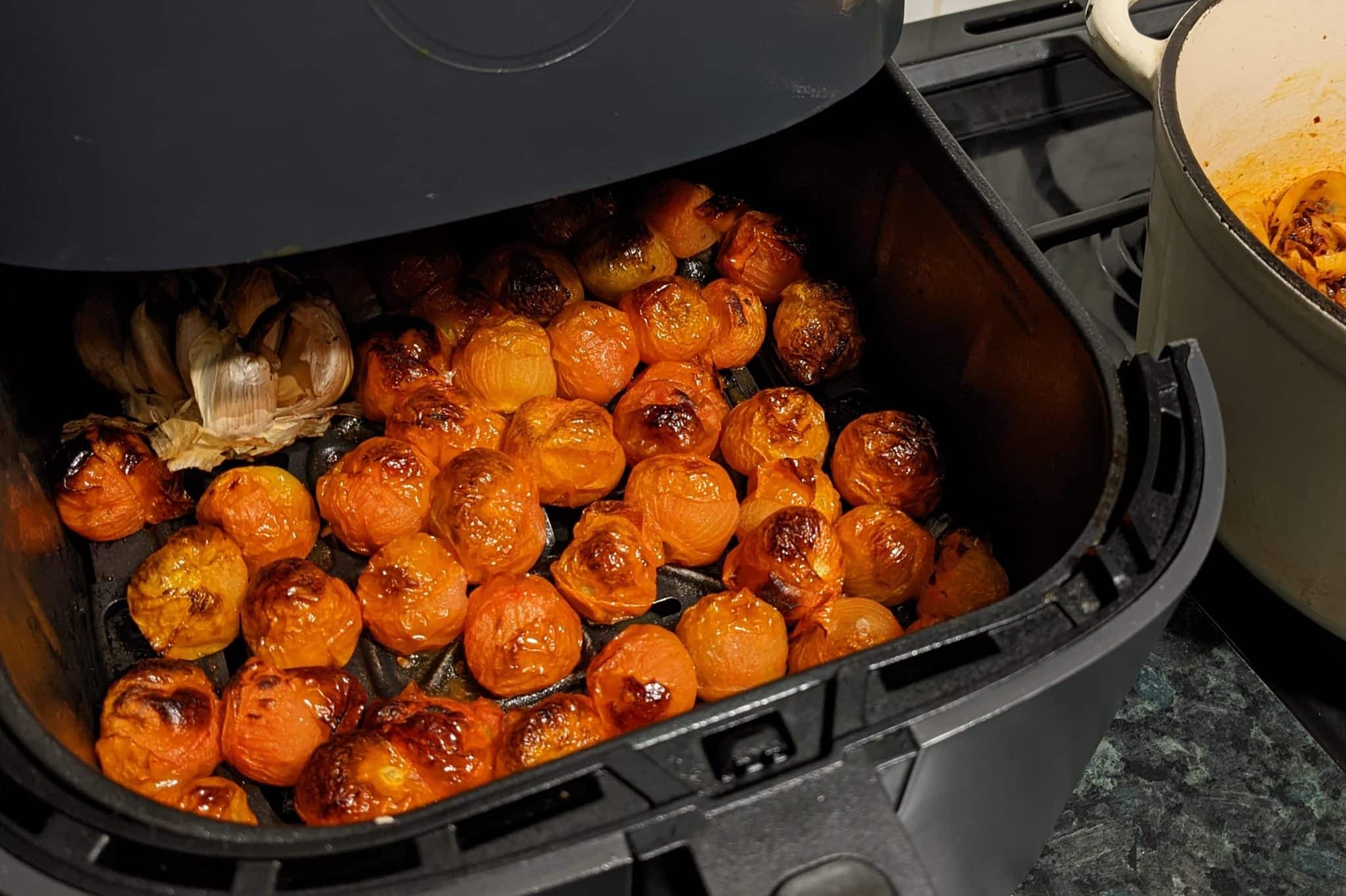
Air fryers employ rapid hot air circulation to cook food evenly, producing a crispy texture similar to traditional deep frying but with significantly less oil. Key components include:
- Heating elements generating high-temperature airflow.
- A powerful fan for air circulation.
- Removable baskets and trays for optimal crispiness and minimal oil usage.
2.2 Health Implications
- Reduced oil usage lowers calorie intake and decreases consumption of trans fats.
- Preserves flavor and nutrients compared to deep-frying or high-heat pan frying.
- Encourages healthier cooking habits, particularly among urban, health-conscious consumers.
2.3 Culinary Applications
Air fryers enable diverse culinary techniques:
- Crispy vegetables, proteins, and snacks.
- Reheating or finishing oven-baked dishes with minimal moisture loss.
- Baking, roasting, and even dehydrating, depending on model sophistication.
Air fryers demonstrate how technological design can enhance both taste and nutrition.
3. Slow Cookers: Convenience Meets Traditional Cooking
3.1 Functional Principles
Slow cookers operate using low-temperature, prolonged cooking, allowing:
- Gentle extraction of flavors.
- Tenderization of tough cuts of meat and fibrous vegetables.
- Minimal attention required during cooking, freeing time for other activities.
3.2 Impact on Cooking Habits
- Facilitates batch cooking and meal planning, supporting busy lifestyles.
- Encourages use of traditional recipes, stews, and soups in modern kitchens.
- Promotes home-cooked meals, reducing reliance on fast food and convenience products.
3.3 Popular Recipes and Cultural Adaptation
- Stews, curries, and braised meats benefit from slow, even heat.
- Cultural cuisines worldwide adapt slow cooker techniques to local ingredients and flavors.
- Slow cookers blend traditional culinary methods with modern convenience.
4. Multifunctional Cooking Machines: The Swiss Army Knife of Kitchens
4.1 Technological Features
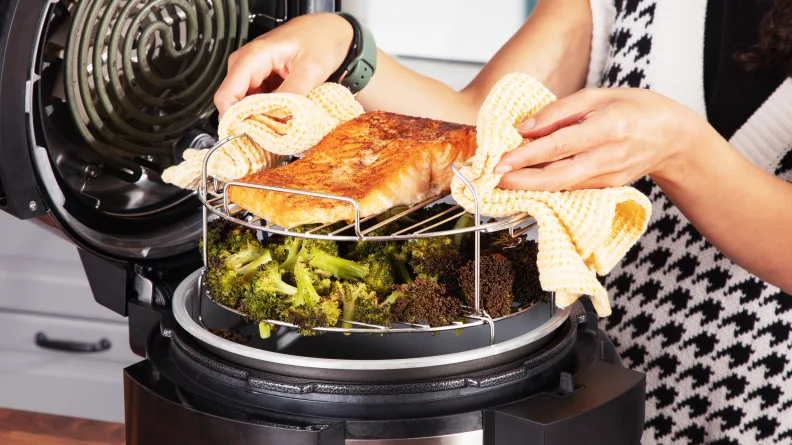
Multifunctional machines combine multiple cooking functions into a single appliance, offering:
- Blending, chopping, and pureeing.
- Steaming, sautéing, and boiling.
- Precise temperature and timing control, often with programmable settings.
Popular models include Instant Pot, Thermomix, and Ninja Foodi, which cater to both amateur and professional home cooks.
4.2 Benefits for Culinary Innovation
- Supports complex recipes that require multiple steps without multiple appliances.
- Enables experimentation with textures, flavors, and cooking methods.
- Integrates with digital recipes, AI-assisted cooking, and app-based monitoring for enhanced precision.
4.3 Implications for Home Cooking
- Reduces kitchen clutter by consolidating appliances.
- Lowers barriers to cooking technically challenging dishes.
- Encourages creative culinary exploration, blending international cuisines with ease.
5. Market Trends and Consumer Adoption
5.1 Global Market Growth
- Air fryers and multifunctional machines have seen double-digit annual growth in North America, Europe, and Asia-Pacific.
- Slow cookers maintain steady popularity due to affordability and simplicity.
5.2 Demographic Insights
- Urban professionals and millennials prioritize time-saving, health-conscious appliances.
- Families adopt multifunctional devices for batch cooking and meal versatility.
- Health and wellness trends drive air fryer adoption, while slow cookers appeal to traditional culinary enthusiasts.
5.3 Retail and Online Distribution
- E-commerce platforms provide global access to premium and niche appliances.
- Online reviews, social media, and cooking influencers play a critical role in consumer decision-making.
- Brand differentiation increasingly depends on innovation, app integration, and versatility.
6. Culinary and Nutritional Implications
6.1 Healthier Cooking Practices
- Reduced oil and fat consumption aligns with dietary guidelines.
- Preservation of nutrients in vegetables and proteins supports balanced diets.
- Multifunctional appliances allow portion control, cooking customization, and dietary adaptation.
6.2 Culinary Creativity
- Air fryers enable textures similar to fried foods without compromise on flavor.
- Slow cookers enhance traditional recipes, facilitating experimentation with spices, broths, and international cuisines.
- Multifunctional machines allow complex recipes, molecular gastronomy-inspired techniques, and fusion cuisine at home.
6.3 Food Waste Reduction
- Batch cooking and precise timing reduce spoilage.
- Appliances like multifunctional cookers allow repurposing of ingredients across meals.
- Consumers increasingly recognize appliances as tools for sustainable culinary practices.
7. Challenges and Considerations
7.1 Learning Curve
- Multifunctional appliances may overwhelm beginners due to complex features and settings.
- Proper use is required to achieve desired textures, flavors, and cooking times.
7.2 Cost and Accessibility
- High-end multifunctional machines can be expensive, limiting access for some households.
- Air fryers and slow cookers offer affordable alternatives but may lack advanced features.
7.3 Space and Energy Consumption
- Urban kitchens may face space constraints, especially with multiple appliances.
- Energy efficiency varies by model, requiring informed consumer choices.
7.4 Maintenance and Durability
- Regular cleaning and care are essential to maintain performance.
- Component wear, such as heating elements or sealing rings, can affect longevity.
8. Case Studies: Global Adoption
8.1 North America
- Air fryers dominate U.S. kitchens due to health-conscious consumer trends.
- Slow cookers remain popular for traditional stews, chili, and holiday meals.
- Multifunctional machines integrate with smart home devices, offering voice control and app connectivity.
8.2 Europe
- Emphasis on multifunctional appliances supporting small kitchen spaces and international cuisine exploration.
- Air fryers adopted for low-fat cooking and convenience meals.
8.3 Asia-Pacific
- Multifunctional cooking machines support rice-based, soup, and stir-fry dishes.
- Air fryers popular in urban areas for snack preparation and quick meals.
- Slow cookers utilized for herbal soups, braised meats, and traditional recipes.
8.4 Emerging Markets
- Growing middle-class populations adopt time-saving and health-focused appliances.
- E-commerce drives accessibility and awareness, creating rapid adoption curves.
9. Future Trends
9.1 Smart Appliances
- IoT-enabled devices allow remote control, monitoring, and recipe guidance via smartphones.
- Integration with AI supports automated cooking, adaptive temperature control, and predictive meal planning.
9.2 Sustainable Design
- Energy-efficient heating elements reduce environmental impact.
- Modular and durable designs enhance lifespan and reduce waste.
9.3 Culinary Fusion and Innovation
- Appliances encourage experimentation with international cuisines, textures, and cooking methods.
- AI-assisted recipe recommendations personalize experiences based on user preferences and dietary restrictions.
9.4 Integration with Food Delivery and Meal Kits
- Appliances may integrate with pre-portioned meal kits, automating cooking processes.
- Partnerships between appliance brands and meal kit companies enhance convenience and culinary exploration.
10. Conclusion
The rise of air fryers, slow cookers, and multifunctional cooking machines reflects a profound shift in home cooking practices. Driven by convenience, health, and technological integration, these appliances empower consumers to prepare diverse, nutritious, and flavorful meals with minimal effort.
Air fryers revolutionize low-fat cooking, slow cookers preserve traditional recipes while saving time, and multifunctional machines combine innovation with versatility, fostering creativity and experimentation. Together, these appliances are redefining modern culinary culture, shaping consumer habits, and influencing global food trends.
As technology continues to evolve, smart integration, sustainable design, and cross-cultural culinary exploration will drive the next wave of appliance innovation, making cooking at home more efficient, enjoyable, and globally inspired. The kitchen is no longer just a space for meal preparation—it has become a hub of technological innovation, culinary creativity, and lifestyle transformation.