








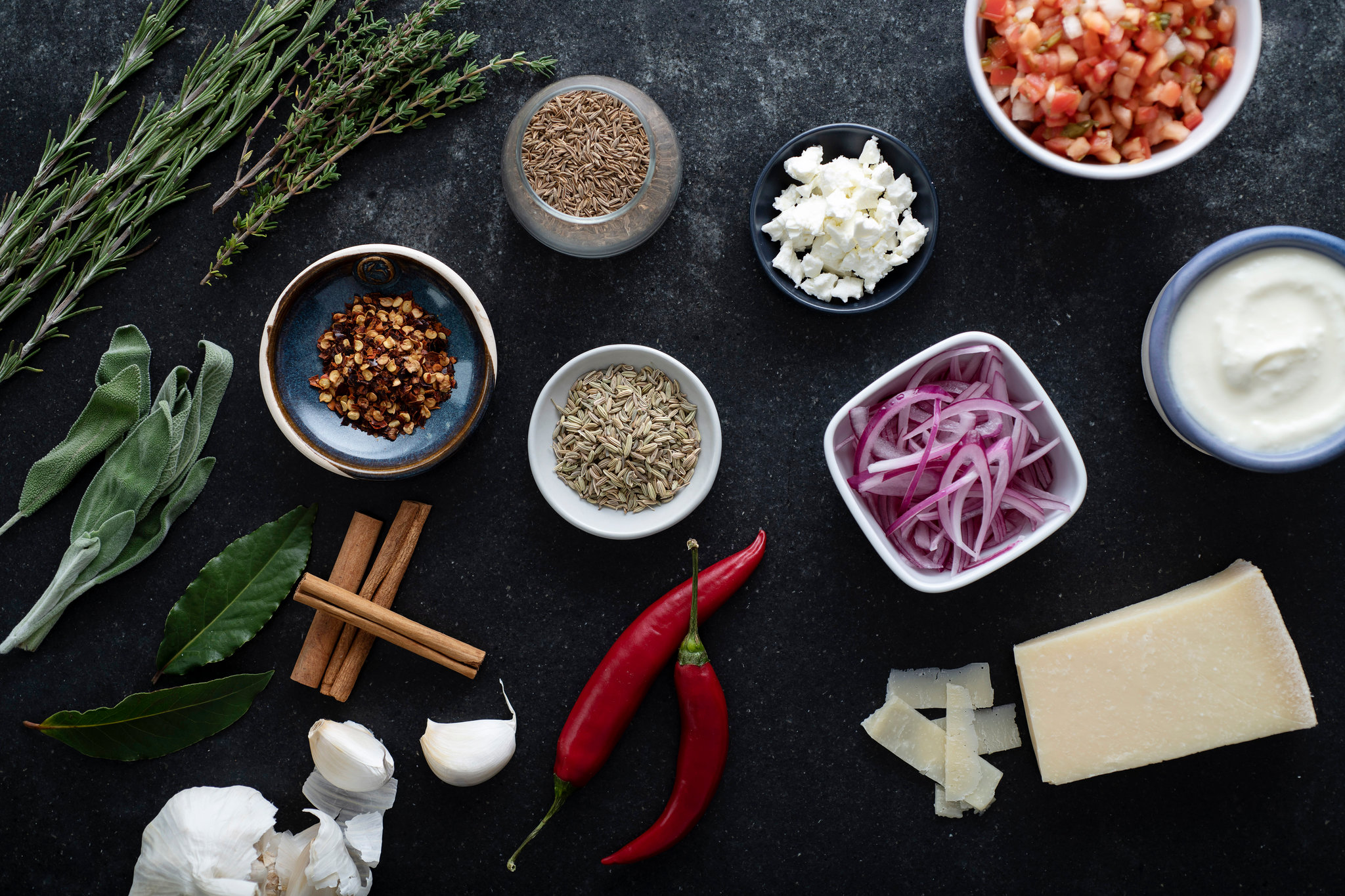

In the digital age, the way people cook and plan meals has undergone a fundamental transformation. Traditional cookbooks, static recipes, and random online searches are increasingly being replaced by smart cooking applications and video tutorials that recommend dishes based on available ingredients. These tools combine artificial intelligence, machine learning, culinary expertise, and interactive media to offer highly personalized, efficient, and engaging cooking experiences.
This article explores the evolution, functionality, technological integration, culinary impact, market trends, and future potential of smart cooking apps and ingredient-based video tutorials. It examines how these innovations enhance accessibility, improve nutrition, preserve culinary heritage, and redefine home cooking.
1. Introduction to Smart Culinary Technology
1.1 Drivers of Digital Culinary Innovation
- Convenience: Urban lifestyles demand quick, personalized, and easy-to-follow cooking solutions.
- Resource Optimization: Using available ingredients reduces waste and promotes sustainable cooking.
- Learning Enhancement: Video tutorials and step-by-step guidance allow both novice and experienced cooks to improve culinary skills.
- Global Access: Digital platforms expose users to international cuisines, techniques, and flavor profiles.
1.2 Scope of Smart Cooking Apps
Modern cooking apps offer multiple functions:
- Recipe recommendations based on user-input ingredients.
- Personalized meal planning considering dietary preferences, allergies, and nutritional goals.
- Integration with grocery delivery services, timers, and smart kitchen appliances.
- Interactive video tutorials demonstrating techniques, plating, and flavor tips.
By leveraging AI and interactive media, these apps transform cooking into an educational, creative, and efficient process.
2. Ingredient-Based Recipe Recommendations
2.1 How Ingredient Recognition Works
- Users input available ingredients via text, voice commands, or photo scanning.
- Apps employ machine learning algorithms and large recipe databases to identify compatible dishes.
- Advanced systems consider ingredient freshness, seasonal availability, and substitution options.
2.2 Personalization and Dietary Considerations
- Users can filter recommendations based on allergies, dietary restrictions, or caloric limits.
- Apps suggest alternatives to accommodate vegetarian, vegan, gluten-free, keto, or low-sodium diets.
- Nutritional analysis calculates macronutrients, calories, and micronutrients for informed meal planning.
2.3 Reducing Food Waste
- By recommending recipes that utilize existing ingredients, apps minimize kitchen waste.
- Smart inventory management tracks ingredients, expiration dates, and usage trends.
- Integration with meal planning ensures efficient grocery shopping and sustainable consumption.

3. Video Tutorials: Visual Learning and Skill Acquisition
3.1 Educational Value
- Video tutorials demonstrate techniques, textures, and timing far more effectively than text alone.
- Step-by-step guidance reduces errors, enhances confidence, and improves the overall cooking experience.
- Incorporating both professional chefs and home cooks bridges practical knowledge with culinary expertise.
3.2 Enhancing Engagement
- Interactive video features include pause, replay, slow-motion, annotations, and quizzes.
- Gamification elements, such as badges for completed recipes, encourage repeated practice and learning retention.
- Multi-angle camera views show knife techniques, plating methods, and ingredient handling in detail.
3.3 Integration with Apps
- Video tutorials are linked to ingredient recognition modules, allowing users to instantly see recipes they can cook.
- Some apps provide augmented reality overlays, guiding users in real-time as they chop, sauté, or bake.
- This integration bridges the gap between theory and practice, making complex recipes accessible to beginners.
4. Technology Behind Smart Cooking Apps
4.1 Artificial Intelligence and Machine Learning
- AI analyzes ingredient combinations, flavor pairings, and cooking methods to generate optimized recipe suggestions.
- Machine learning predicts user preferences and adapts recommendations over time.
- Advanced AI models incorporate cultural cuisine databases for global recipe diversity.
4.2 Image Recognition and Augmented Reality
- Apps can scan ingredients or fridge contents via smartphone cameras.
- AR overlays guide users through step-by-step cooking instructions, ingredient measurements, and plating suggestions.
- Visual recognition enhances accuracy, efficiency, and engagement in home kitchens.
4.3 Integration with Smart Appliances
- Smart ovens, sous-vide machines, and air fryers can sync with app instructions.
- Automated adjustments for temperature, time, and cooking mode ensure consistent results.
- IoT-enabled kitchens allow users to monitor progress remotely or via mobile devices.
5. Culinary Impact and Innovation
5.1 Broadening Access to Global Cuisines
- Apps expose users to recipes from different cultures, fostering culinary curiosity.
- Users can cook authentic dishes without prior training, guided by expert video tutorials.
- Integration of cultural context enhances appreciation of traditional techniques and ingredients.
5.2 Encouraging Experimentation
- Ingredient-based recommendations promote creative combinations and recipe improvisation.
- Users gain confidence in substituting ingredients, adjusting flavors, and plating innovatively.
- Professional chefs can test new flavor profiles and cooking techniques through app-based experimentation.
5.3 Culinary Education and Skill Development
- Apps and tutorials teach fundamental techniques, including knife skills, roasting, braising, and emulsifying.
- Gamified learning tracks progress, milestones, and mastery, encouraging continuous improvement.
- Community features allow peer feedback, sharing of modifications, and collaborative recipe creation.
6. Market Trends and Consumer Behavior
6.1 Rising Demand for Smart Culinary Solutions
- Busy urban lifestyles drive adoption of apps that simplify meal planning and preparation.
- Health-conscious consumers value apps that provide nutritional analysis and ingredient tracking.
- Millennials and Gen Z favor interactive, gamified, and visually appealing platforms.
6.2 Monetization and Business Models
- Subscription services offer premium recipes, video tutorials, and personalized guidance.
- Freemium models encourage wide adoption while generating revenue through add-ons.
- Partnerships with grocery chains, appliance manufacturers, and cooking schools expand market reach and brand loyalty.
6.3 Social Integration
- Community features allow users to share recipes, video recreations, and cooking tips.
- Social media integration encourages viral recipe trends and collaborative learning.
- User-generated content provides valuable data for AI recommendation improvements.
7. Sustainability and Ethical Considerations
7.1 Reducing Food Waste
- Apps minimize food waste by recommending recipes tailored to available ingredients.
- Meal planning and inventory tracking improve ingredient utilization and expiration management.
7.2 Encouraging Healthier Choices
- Nutritional insights help users make informed dietary decisions, including portion control and nutrient balance.
- Recipes can emphasize seasonal, local, and plant-based ingredients, promoting sustainable consumption.
7.3 Cultural Sensitivity and Representation
- Platforms must respect traditional recipes, cultural heritage, and regional authenticity.
- Inclusive design ensures content is accessible to diverse dietary preferences and culinary traditions.
8. Challenges and Limitations
8.1 Ingredient Availability
- Certain global or rare ingredients may not be accessible to all users.
- Apps must suggest substitutions or adaptations without compromising flavor.
8.2 User Engagement and Retention
- Maintaining long-term engagement requires fresh content, interactive features, and community incentives.
- Video fatigue or repetitive recommendations may reduce retention.
8.3 Accuracy and Reliability
- AI-generated recipes must be tested for accuracy, flavor balance, and technical feasibility.
- Misinformation or poorly optimized suggestions can frustrate users and damage credibility.
9. Case Studies
9.1 Yummly
- Offers ingredient-based recipe recommendations and nutritional information.
- Integrates video tutorials, smart appliance syncing, and personalized dietary filters.
- Uses AI to adapt suggestions based on user history and preferences.
9.2 SideChef
- Provides step-by-step cooking instructions, video guidance, and ingredient-based suggestions.
- Supports meal planning, grocery integration, and voice-assisted cooking.
- Community features allow sharing, feedback, and recipe collaboration.
9.3 Tasty by Buzzfeed
- Combines high-quality video tutorials with dynamic recipe recommendations.
- Focuses on visual storytelling, step-by-step guidance, and social sharing.
- Expands global reach through YouTube, Facebook, and mobile apps.
10. Future Perspectives
10.1 Enhanced AI and Predictive Recommendations
- Advanced algorithms will consider ingredient freshness, dietary goals, and flavor compatibility.
- Predictive features may suggest meals based on past cooking patterns, pantry inventory, and seasonal availability.
10.2 Integration with IoT and Smart Kitchens
- Full kitchen automation will enable seamless ingredient measurement, cooking, and plating guidance.
- Real-time feedback and sensors will monitor doneness, texture, and seasoning adjustments.
10.3 Augmented Reality and Immersive Tutorials
- AR overlays will provide step-by-step guidance on ingredient handling, cooking techniques, and presentation.
- VR platforms may simulate restaurant kitchens or cultural markets, enhancing educational experiences.
10.4 Global Culinary Exchange
- Platforms will continue to bridge cultural gaps, preserving classic recipes while promoting culinary innovation.
- User-generated content and global collaboration will drive creative adaptations and cross-cultural fusion.
11. Conclusion
Smart cooking apps and video tutorials have redefined home cooking by combining technology, culinary expertise, and personalization. Ingredient-based recipe recommendations offer a practical, efficient, and educational approach, enabling users to maximize their pantry, reduce waste, and explore global cuisines.
By integrating AI, AR, IoT, and interactive media, these platforms enhance skill development, nutritional awareness, and culinary creativity. They democratize access to professional techniques and classic dishes, transforming cooking into an immersive, engaging, and sustainable experience. As technology evolves, smart cooking tools will continue to bridge tradition and innovation, connecting chefs, learners, and food enthusiasts worldwide.