









Introduction: The False Choice Between Speed and Sustainability
Modern life moves quickly. Work schedules are compressed, family routines fragmented, and attention constantly divided. In this context, fast cooking is no longer a luxury—it is a necessity. At the same time, environmental pressures have made it impossible to ignore the ecological footprint of everyday meals. Food waste, excessive packaging, energy-intensive cooking, and overconsumption of resources are now widely recognized as systemic problems rather than isolated mistakes.
This tension has given rise to a critical question: Can we cook quickly without sacrificing environmental responsibility and zero-waste principles? The answer is not only yes—it is increasingly essential.
This article provides a comprehensive, professional analysis of how fast cooking can coexist with eco-conscious, zero-waste practices. Rather than framing sustainability as an added burden or time-consuming ideal, the discussion reframes it as a matter of smart systems, intentional habits, and design thinking. By integrating efficiency with responsibility, home cooks and professionals alike can reduce waste, conserve resources, and maintain realistic cooking routines.
1. Redefining “Fast Cooking” in a Sustainable Context
1.1 Speed as System Efficiency, Not Shortcut Dependence
Fast cooking is often misunderstood as relying on:
- Ultra-processed convenience foods
- Single-use packaging
- Disposable tools
- Excessive energy use
In a sustainable framework, speed is redefined as system efficiency:
- Clear workflows
- Minimal decision fatigue
- Smart preparation
- Thoughtful reuse
Efficiency is achieved not by cutting corners, but by removing friction.
1.2 Sustainability as Optimization, Not Perfection
Zero waste does not mean zero impact. It means:
- Conscious reduction
- Continuous improvement
- Avoiding unnecessary loss
When sustainability is framed as optimization rather than moral purity, it becomes compatible with fast-paced cooking.
2. The Environmental Cost of Everyday Cooking
2.1 Food Waste as a Structural Problem
Globally, a significant portion of food is wasted at the household level due to:
- Overbuying
- Poor planning
- Improper storage
- Unrealistic expectations of freshness
This waste represents:
- Lost energy and water
- Unnecessary emissions
- Financial inefficiency
Fast cooking systems that rely on impulse or excess often amplify this problem.
2.2 Energy, Water, and Packaging
Beyond food waste, daily cooking impacts the environment through:
- Energy consumption (stoves, ovens, appliances)
- Water use (washing, boiling, cleaning)
- Packaging waste (plastic, cardboard, single-use items)
A zero-waste, fast-cooking mindset addresses all three simultaneously.
3. Zero Waste as a Design Principle
3.1 Designing Out Waste From the Start
Zero-waste cooking begins before cooking itself:
- What is purchased
- How it is stored
- How it is planned to be used
Speed improves when waste is designed out, because:
- Fewer ingredients mean fewer decisions
- Less clutter reduces preparation time
- Clear purpose reduces hesitation
3.2 Thinking in Food Cycles, Not Meals
Instead of planning individual meals in isolation, sustainable fast cooking thinks in cycles:
- Ingredients used across multiple dishes
- Leftovers intentionally transformed
- Trimmings repurposed
This cyclical thinking supports both speed and waste reduction.
4. Smart Planning for Fast, Low-Waste Cooking
4.1 Flexible Meal Frameworks
Rigid meal plans often lead to waste when plans change. Instead, professionals recommend:
- Theme-based planning (bowls, stir-fries, wraps)
- Modular meals with interchangeable components
- Core ingredients used in varied formats
Flexibility reduces both time pressure and spoilage.
4.2 Shopping With Intent, Not Aspiration
Zero-waste fast cooking emphasizes:
- Buying realistic quantities
- Prioritizing versatile ingredients
- Avoiding impulse purchases driven by novelty
Shorter, more intentional shopping lists save time and reduce waste simultaneously.
5. Ingredient Versatility as a Time-Saving Tool
5.1 Multi-Use Ingredients
Fast, sustainable kitchens rely on ingredients that:
- Appear in multiple cuisines
- Work raw and cooked
- Store well
Examples include grains, legumes, seasonal vegetables, eggs, and basic condiments.
Versatility reduces:
- Storage complexity
- Food spoilage
- Decision fatigue
5.2 Seasonal and Local Ingredients
Seasonal foods tend to:
- Last longer when fresh
- Require less packaging
- Be more affordable
Cooking with what is naturally abundant simplifies both preparation and planning.
6. Whole-Ingredient Utilization
6.1 From Root to Stem, Nose to Tail
Zero-waste cooking encourages using:
- Vegetable stems, leaves, and peels
- Bones and trimmings
- Citrus zest and pulp
These components are often:
- Nutrient-rich
- Flavorful
- Already part of traditional cuisines
Using whole ingredients reduces waste and eliminates the need for additional purchases.
6.2 Speed Through Familiarity
When cooks are familiar with whole-ingredient use, preparation becomes faster:
- No hesitation about what to discard
- No separate waste management
- Fewer ingredients needed overall
Skill reduces both waste and time.
7. Fast Cooking Techniques With Low Environmental Impact
7.1 One-Pan and One-Pot Methods
One-pan meals:
- Reduce cleanup time
- Save water
- Lower energy use
They also encourage thoughtful ingredient sequencing, which improves flavor and efficiency.
7.2 Energy-Efficient Cooking Methods
Sustainable fast cooking favors:
- Pressure cooking
- Stir-frying
- Steaming
- Residual heat cooking
These methods minimize cooking time and energy consumption while preserving nutrients.
8. The Role of Preparation and Batch Work
8.1 Strategic Prep Without Overproduction
Batch preparation supports fast meals when done intentionally:
- Cooking base components (grains, legumes)
- Washing and cutting vegetables once
- Preparing versatile sauces
Overproduction leads to waste; strategic prep supports flexibility.
8.2 Cooling, Storage, and Food Safety
Zero-waste systems depend on:
- Proper cooling techniques
- Clear labeling
- Visible storage
When food is easy to see and access, it is more likely to be used.
9. Rethinking Leftovers as Assets
9.1 Leftovers as Planned Outcomes
In fast, sustainable cooking, leftovers are:
- Anticipated
- Designed
- Repurposed intentionally
This reduces the need for additional cooking and shopping.
9.2 Transformative Reuse
Rather than reheating the same dish, leftovers can become:
- Fillings
- Toppings
- Bases for soups or bowls
Transformation maintains interest and reduces waste fatigue.
10. Packaging Reduction in Fast Cooking
10.1 Minimizing Single-Use Materials
Fast cooking often relies on packaged convenience foods. Sustainable alternatives include:
- Buying in bulk
- Choosing refillable options
- Preparing simple components at home
These choices reduce packaging waste without increasing cooking time.
10.2 Storage as an Efficiency Tool
Reusable containers:
- Extend food life
- Improve organization
- Reduce clutter
Well-organized storage speeds up cooking by reducing search time and uncertainty.
11. Water Conservation in the Kitchen
11.1 Washing With Purpose
Water waste is common during food prep. Zero-waste strategies include:
- Washing produce efficiently
- Reusing rinse water for plants (where appropriate)
- Avoiding unnecessary soaking
Small habits accumulate into meaningful savings.
11.2 Cooking Water Reuse
Cooking liquids—such as vegetable blanching water or pasta water—can be reused for:
- Sauces
- Soups
- Grains
This reduces waste while enhancing flavor.
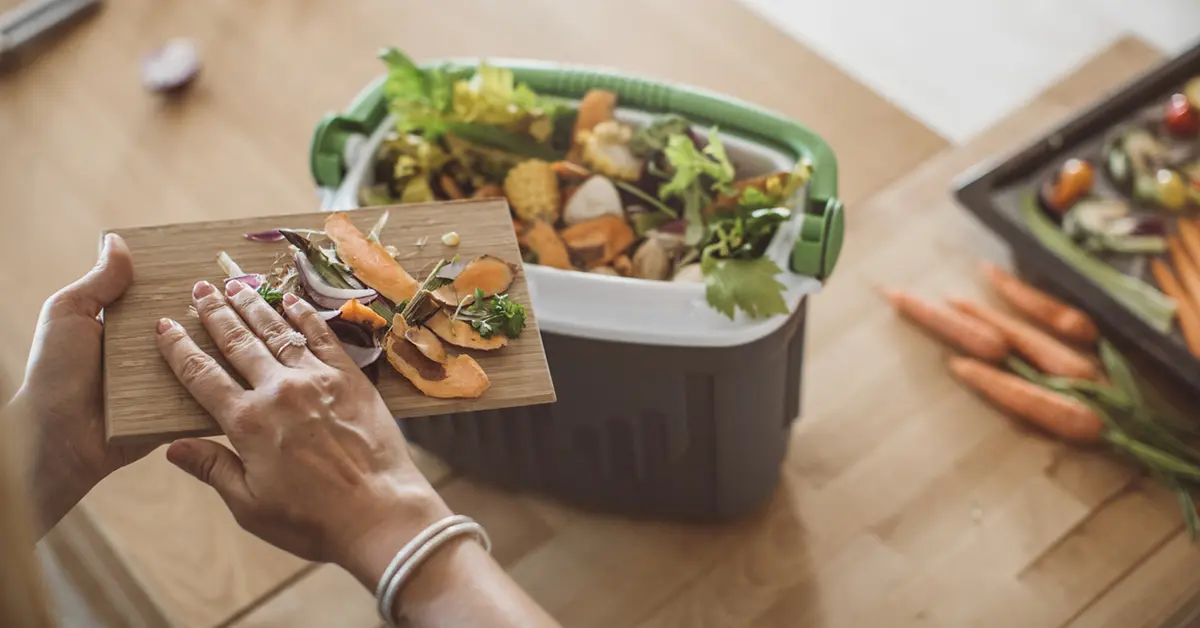
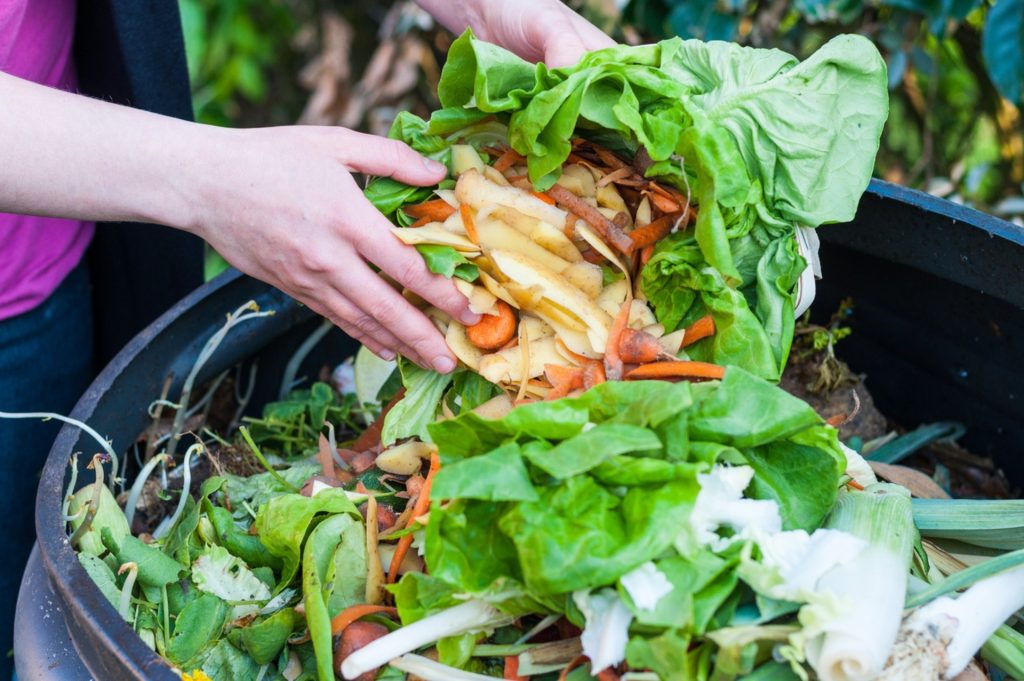
12. Fast Cooking and Composting Systems
12.1 Composting as a Safety Net, Not an Excuse
While composting is valuable, zero-waste philosophy prioritizes:
- Prevention first
- Composting second
Composting supports sustainability, but should not justify avoidable waste.
12.2 Designing for Minimal Scraps
Efficient cooking systems aim to:
- Reduce unavoidable scraps
- Keep compost streams clean and simple
- Avoid contamination
This saves time and improves compost quality.
13. Psychological Barriers to Zero-Waste Fast Cooking
13.1 The Myth of “Too Complicated”
Many people assume sustainable cooking is:
- Time-consuming
- Restrictive
- Overly technical
In practice, sustainability often simplifies routines by reducing excess and distraction.
13.2 Letting Go of Perfectionism
Zero-waste fast cooking thrives on:
- Progress, not purity
- Adaptation, not rigidity
- Learning over time
This mindset supports long-term adoption.
14. Technology as an Enabler
14.1 Appliances That Support Efficiency
Certain tools help align speed and sustainability:
- Pressure cookers
- Induction cooktops
- High-efficiency blenders
These tools reduce energy use while saving time.
14.2 Digital Tools for Awareness
Simple digital aids—such as inventory lists or reminders—can:
- Reduce forgotten food
- Support smarter shopping
- Improve planning accuracy
Technology supports intention, not replacement of skill.
15. Teaching Sustainable Speed in Shared Households
15.1 Shared Responsibility Systems
In households, zero-waste fast cooking works best when:
- Roles are shared
- Systems are visible
- Expectations are aligned
Clear systems reduce friction and duplication.
15.2 Education Through Practice
Children and cohabitants learn sustainability through:
- Observation
- Participation
- Repetition
Fast, low-waste routines become normalized rather than exceptional.
16. Economic Benefits of Fast, Zero-Waste Cooking
16.1 Cost Savings Through Reduction
Reducing waste leads to:
- Lower grocery bills
- Fewer emergency purchases
- Less reliance on takeout
Efficiency benefits both environment and budget.
16.2 Time as a Financial Resource
Saved time translates into:
- Reduced stress
- More predictable routines
- Greater overall efficiency
Time efficiency is an often-overlooked sustainability benefit.
17. Cultural Shifts Toward Responsible Convenience
17.1 Redefining Convenience
True convenience is:
- Reliable
- Sustainable
- Low-friction
Fast cooking that generates waste creates future inconvenience through cleanup, guilt, and cost.
17.2 Social Influence and Normalization
As sustainable fast cooking becomes more visible, norms shift:
- Reuse becomes standard
- Waste becomes noticeable
- Efficiency gains social value
Cultural change begins with everyday practice.
18. Fast Cooking in Professional and Institutional Contexts
18.1 Lessons From Professional Kitchens
Many professional kitchens practice zero-waste principles out of necessity:
- Tight margins
- Limited storage
- High throughput
These environments demonstrate that speed and sustainability are not opposites.
18.2 Scaling Principles, Not Rules
Households benefit by adopting principles—such as whole-ingredient use and flexible menus—rather than copying professional intensity.
19. Measuring Success: What Actually Matters
19.1 Meaningful Metrics
Success in fast, sustainable cooking is measured by:
- Reduced waste volume
- Increased ingredient utilization
- Consistent home cooking frequency
- Lower stress levels
Perfection is neither realistic nor necessary.
19.2 Long-Term Habit Formation
The most sustainable systems are those that:
- Feel manageable
- Adapt to change
- Support real life
Speed and sustainability reinforce each other when habits stick.
Conclusion: Efficiency With Intention
Focusing on fast cooking while embracing environmental responsibility and zero waste is not a contradiction—it is a design challenge. When kitchens are organized around clarity, versatility, and respect for resources, speed emerges naturally. When waste is minimized, complexity decreases. When intention guides habit, sustainability becomes practical rather than idealistic.
In this integrated approach, cooking quickly is no longer about cutting corners. It is about thinking clearly, using resources fully, and aligning daily routines with long-term values. Every efficient, low-waste meal is a small act of environmental care—one that fits into modern life rather than competing with it.
The future of everyday cooking will not be slower or more demanding. It will be smarter, more adaptive, and more responsible. And in that future, speed and sustainability will no longer be trade-offs, but partners at the same table.