








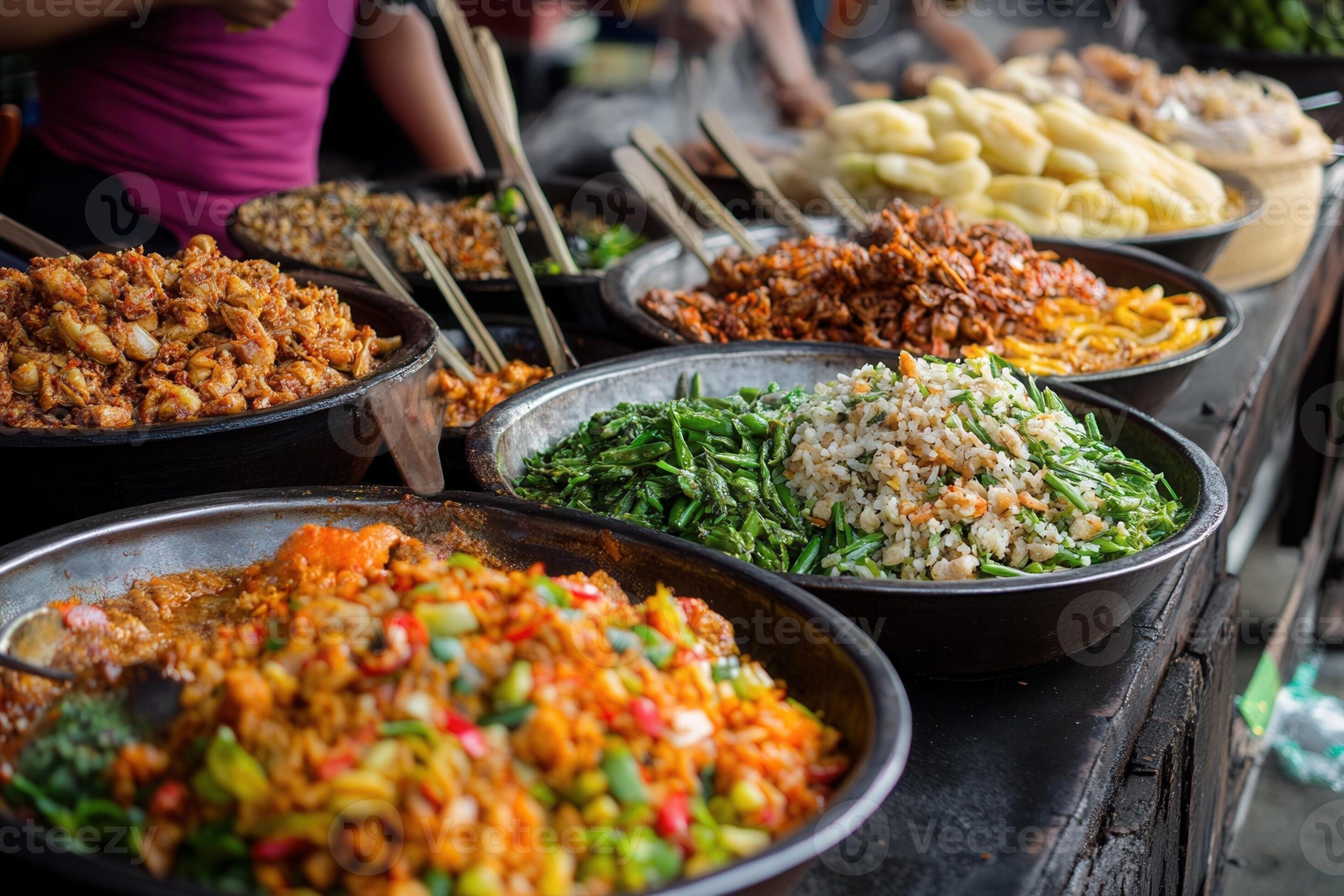

Introduction: Street Food as Asia’s Living Culinary Archive
Across Asia, street food is far more than a casual meal grabbed on the go. It is a living culinary system, deeply embedded in daily life, local economies, cultural memory, and regional identity. From steaming noodle carts in East Asia to spice-laden grills in South Asia, from night markets in Southeast Asia to bustling bazaars in Central and West Asia, street food reflects centuries of migration, trade, adaptation, and creativity.
What makes Asian street food especially compelling is its extraordinary diversity. It spans climates, religions, histories, and social structures, yet shares a common emphasis on immediacy, affordability, and skill. Street food vendors are often informal educators, preserving techniques and flavor combinations that predate modern restaurants.
This article offers an in-depth, professional analysis of the diversity of Asian street food. It explores historical roots, regional variations, cooking methods, ingredient philosophies, social functions, economic importance, and contemporary transformations. Rather than treating street food as a novelty, the discussion positions it as a foundational pillar of Asian food culture.
1. Historical Foundations of Asian Street Food
1.1 Origins in Urbanization and Trade
Street food emerged alongside:
- Dense urban centers
- Trade routes and ports
- Markets and religious gathering spaces
In many Asian societies, communal cooking and public food selling developed due to limited private kitchen space, especially in older cities. Vendors provided ready-to-eat food that met daily needs efficiently.
1.2 Continuity Across Centuries
Unlike many formal cuisines that evolved within elite contexts, street food:
- Preserves older cooking methods
- Retains regional dialects of flavor
- Evolves incrementally rather than radically
This continuity makes street food a historical record that is edible and experiential.
2. Geographic and Cultural Scope of Asian Street Food
2.1 East Asia: Precision, Balance, and Seasonality
In East Asia, including China, Japan, and Korea, street food often emphasizes:
- Technical precision
- Balance of textures
- Seasonal ingredients
Examples include filled buns, skewered items, pancakes, dumplings, and broths served quickly but carefully. Attention to detail reflects broader culinary philosophies that value harmony and restraint.
2.2 Southeast Asia: Intensity, Contrast, and Freshness
Southeast Asian street food is characterized by:
- Bold seasoning
- Layered flavors
- Contrasts between sweet, sour, salty, spicy, and bitter
Fresh herbs, fermented elements, and complex sauces dominate. Street stalls function as open kitchens where freshness and aroma attract customers instantly.
2.3 South Asia: Spice, Bread, and Fermentation
South Asian street food showcases:
- Diverse breads
- Deep spice knowledge
- Fermented batters and drinks
Food is often assembled quickly from prepared components, allowing for customization and speed. Vegetarian options are especially prominent due to religious and cultural traditions.
2.4 Central and West Asia: Grilling, Bread, and Hospitality
In Central and West Asia, street food frequently revolves around:
- Grilled meats and vegetables
- Flatbreads
- Shared platters
Street vendors play a social role, offering food that encourages communal eating and conversation.
3. Ingredients as Regional Signatures
3.1 Local Availability as Creative Constraint
Asian street food relies heavily on:
- Local grains
- Indigenous vegetables
- Regional proteins
- Climate-adapted preservation methods
Scarcity and abundance alike have shaped iconic dishes, turning limitations into defining features.
3.2 The Role of Rice, Wheat, and Legumes
Staple ingredients vary widely:
- Rice-based foods dominate much of East and Southeast Asia
- Wheat-based breads and noodles appear more frequently in northern, western, and central regions
- Legumes provide protein in many vegetarian traditions
These staples form the structural backbone of street food diversity.
4. Cooking Techniques and Craftsmanship
4.1 Speed Without Compromise
Street food demands rapid service, yet speed does not mean simplicity. Vendors master:
- Precise heat control
- Efficient workflows
- Muscle memory developed through repetition
Skill compensates for limited equipment.
4.2 Portable and Adaptable Tools
Common tools include:
- Flat griddles
- Woks
- Charcoal grills
- Steamers
These tools are portable, durable, and adaptable, enabling cooking in dense urban environments.
5. Fermentation and Preservation in Street Food
5.1 Extending Flavor and Shelf Life
Fermentation plays a key role by:
- Enhancing flavor
- Improving digestibility
- Extending usability of ingredients
Fermented batters, sauces, and pickles appear across Asia, often prepared in advance and used quickly.
5.2 Cultural Knowledge Embedded in Practice
Fermentation knowledge is rarely written. It is passed through observation and practice, making street vendors guardians of intangible culinary heritage.
6. Social Functions of Street Food
6.1 Everyday Nourishment
For many communities, street food is not an occasional treat but a daily necessity. It provides:
- Affordable nutrition
- Consistent availability
- Familiar flavors
Street vendors often know their customers personally, reinforcing social bonds.
6.2 Social Equalizer
Street food spaces bring together:
- Different income levels
- Generations
- Professions
Eating in public dissolves social barriers, creating shared experiences.
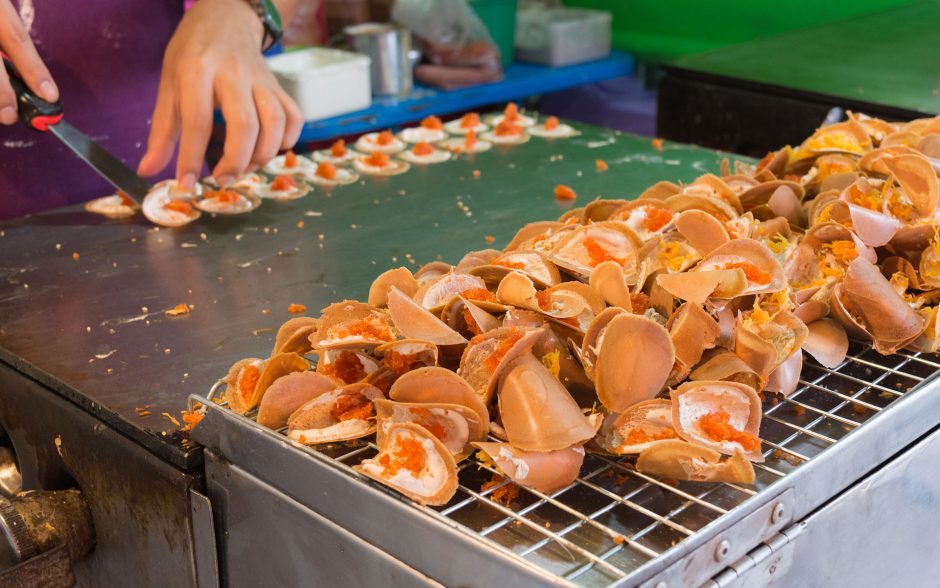
7. Street Food and Urban Identity
7.1 Culinary Landmarks
Certain streets or markets become synonymous with specific foods, shaping:
- Neighborhood identity
- Local pride
- Tourism narratives
Food becomes a form of urban storytelling.
7.2 Sensory Geography
Smells, sounds, and visual cues guide people through cities. Street food creates:
- Sensory landmarks
- Rhythms of daily life
- Emotional attachment to place
8. Economic Importance of Street Food
8.1 Informal Economies and Livelihoods
Street food supports millions of livelihoods by:
- Requiring low startup costs
- Providing flexible employment
- Supporting family-run operations
It plays a vital role in urban food security.
8.2 Skill-Based Entrepreneurship
Success depends less on capital and more on:
- Consistency
- Reputation
- Technical skill
This makes street food a merit-based economic system.
9. Hygiene, Regulation, and Perception
9.1 Traditional Practices of Safety
Despite stereotypes, many street food traditions include:
- High turnover of ingredients
- Cooking at high temperatures
- Time-tested handling practices
These factors often contribute to food safety.
9.2 Modern Regulatory Challenges
As cities modernize, street food faces:
- Licensing restrictions
- Relocation pressures
- Standardization demands
Balancing safety with cultural preservation remains a challenge.
10. Regional Flavor Philosophies
10.1 Balance vs. Boldness
Different regions emphasize:
- Balance and subtlety
- Intensity and contrast
- Comfort and familiarity
Street food offers direct insight into these culinary philosophies.
10.2 Customization and Interaction
Many street foods are customized at the point of sale, allowing:
- Personal preference
- Dialogue between vendor and customer
- Dynamic variation within tradition
11. Rituals, Festivals, and Street Food
11.1 Seasonal Specialties
Certain foods appear only during:
- Festivals
- Religious observances
- Agricultural seasons
Street vendors play a crucial role in marking time and tradition.
11.2 Food as Celebration
Street food transforms public space into festive space, reinforcing communal identity.
12. Street Food and Migration
12.1 Culinary Adaptation
Migration spreads street food traditions, leading to:
- New hybrid forms
- Ingredient substitutions
- Cultural exchange
Street food adapts while retaining core identity.
12.2 Diaspora and Memory
For migrant communities, street food:
- Preserves cultural memory
- Maintains connection to home
- Transmits identity across generations
13. Aesthetic and Visual Diversity
13.1 Presentation as Communication
Street food presentation:
- Signals freshness
- Demonstrates skill
- Attracts customers visually
Color, motion, and arrangement matter.
13.2 Informal Design Language
Carts and stalls develop unique visual identities that reflect personality and place rather than branding trends.
14. The Global Influence of Asian Street Food
14.1 From Streets to Restaurants
Many modern restaurants draw inspiration from street food, adapting:
- Flavors
- Formats
- Techniques
However, context remains essential to authenticity.
14.2 Street Food as Culinary Ambassador
Asian street food shapes global perceptions of Asian cuisine more than formal dining, due to its accessibility and emotional resonance.
15. Challenges in Preservation
15.1 Urban Development Pressures
Rising rents, redevelopment, and sanitation policies threaten:
- Vendor livelihoods
- Culinary diversity
- Cultural continuity
Preservation requires thoughtful policy.
15.2 Risk of Homogenization
Tourism-driven street food can become:
- Simplified
- Standardized
- Detached from local context
Maintaining diversity requires local agency.
16. Sustainability and Resource Efficiency
16.1 Low-Waste Traditions
Many street food practices naturally emphasize:
- Minimal packaging
- Whole-ingredient use
- Efficient fuel use
These traditions align with modern sustainability goals.
16.2 Lessons for Modern Food Systems
Street food demonstrates that:
- Efficiency does not require industrial scale
- Skill can replace excess resources
- Local systems can be resilient
17. Education Through Street Food
17.1 Informal Culinary Education
Observing street food teaches:
- Cooking techniques
- Ingredient handling
- Flavor construction
Learning happens through proximity and repetition.
17.2 Intergenerational Knowledge Transfer
Skills are often passed within families, reinforcing continuity and identity.
18. The Future of Asian Street Food
18.1 Adaptation Without Loss
The future depends on:
- Flexible regulation
- Cultural respect
- Support for vendors
Adaptation must preserve core practices.
18.2 Street Food as Cultural Heritage
Increasingly, street food is recognized as:
- Intangible cultural heritage
- A form of public art
- A social institution
This recognition supports long-term survival.
Conclusion: Diversity as Strength and Continuity
The diversity of Asian street food is not accidental. It is the result of geography, history, culture, and human ingenuity responding to everyday needs. Each stall, cart, and market represents a microcosm of local identity—shaped by climate, belief, economy, and memory.
Street food’s true value lies not only in flavor, but in its ability to connect people to place and to each other. In a rapidly modernizing world, Asian street food remains resilient precisely because it is adaptive, communal, and deeply rooted in lived experience.
To understand Asia’s food culture fully, one must look beyond restaurants and into the streets—where diversity is cooked in the open, shared freely, and renewed every day.