








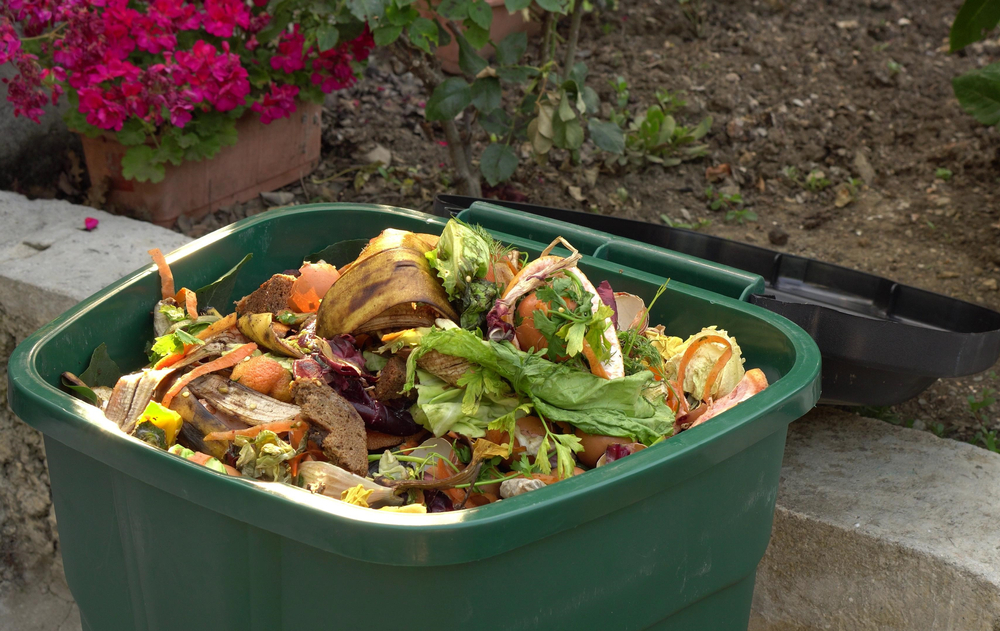

Food waste has become one of the most pressing global issues in recent decades, affecting not only the environment but also economic and social systems. According to the Food and Agriculture Organization (FAO), approximately one-third of all food produced for human consumption is lost or wasted annually, equating to about 1.3 billion tons. Such inefficiency has significant consequences, including greenhouse gas emissions, loss of biodiversity, depletion of natural resources, and economic burdens on households and businesses alike. However, with thoughtful strategies and creative approaches, food waste can be transformed into valuable resources, contributing to sustainable living and responsible consumption. This article explores various methods, benefits, and innovations in food waste utilization.
1. The Scope of Food Waste
Food waste occurs at multiple stages of the supply chain, from production and processing to retail and household consumption. In industrialized countries, a large portion of food waste happens at the consumer level, while in developing regions, losses are more common during production and storage due to inadequate infrastructure. Typical categories of food waste include:
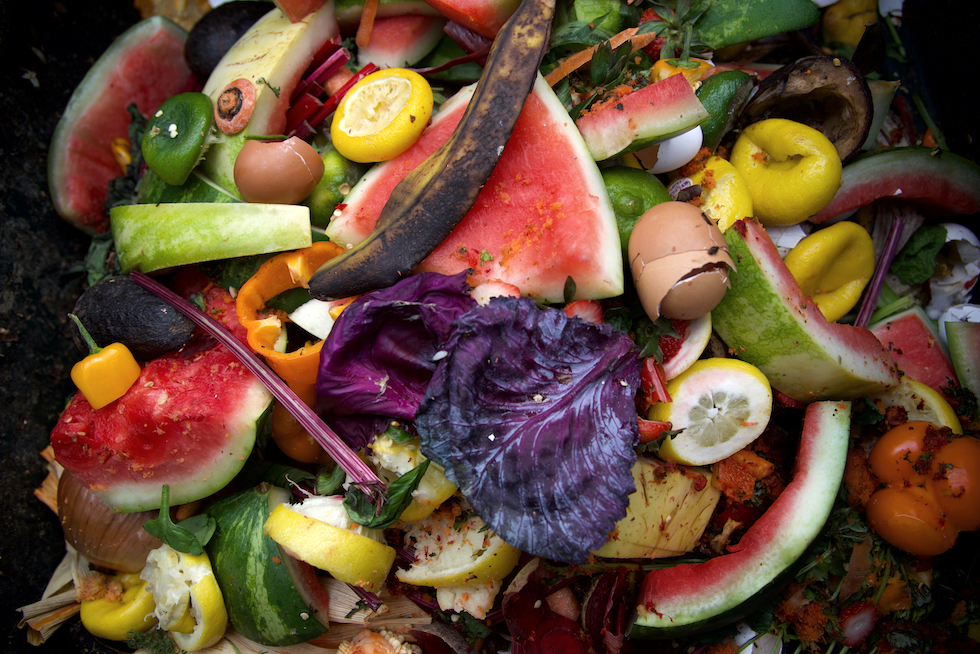
- Vegetable and Fruit Scraps: Peels, stems, leaves, and trimmings often discarded despite being nutritionally valuable.
- Cereal and Grain Residues: Broken grains, husks, and bran usually considered byproducts.
- Meat and Fish Byproducts: Bones, skin, offcuts, and shells that can be repurposed into broths or fertilizers.
- Dairy Leftovers: Whey, expired milk, and cheese trimmings that can serve as protein-rich inputs in other applications.
Understanding the types and sources of food waste is essential to designing effective utilization strategies.
2. Environmental and Economic Implications
The environmental impact of food waste is staggering. Decomposing organic waste in landfills generates methane, a greenhouse gas approximately 28 times more potent than carbon dioxide over a 100-year period. Additionally, the resources used to produce wasted food—water, energy, labor, and land—are essentially squandered. For instance, producing one kilogram of beef requires around 15,000 liters of water; if the beef is discarded, the environmental cost is incurred without any nutritional benefit.
From an economic perspective, households and businesses bear significant financial losses. Studies suggest that the average family in the United States wastes approximately $1,500 worth of food annually. Restaurants, supermarkets, and food processing industries also experience substantial losses, emphasizing the need for efficient utilization techniques.
3. Strategies for Food Waste Utilization
3.1 Culinary Reuse
One of the simplest yet most effective methods to reduce food waste is culinary reuse. This involves transforming leftovers and scraps into new meals. Examples include:
- Vegetable Broths and Stocks: Peels, stems, and cores from vegetables can be boiled to create nutrient-rich stocks.
- Fruit Compotes and Jams: Overripe fruits can be converted into preserves or sauces.
- Bread Upcycling: Stale bread can be made into croutons, breadcrumbs, or bread puddings.
- Protein Repurposing: Leftover meats or fish can be incorporated into stews, salads, or pâtés.
Culinary reuse not only minimizes waste but also encourages creativity and experimentation in cooking.
3.2 Industrial Processing
Food processing industries are increasingly adopting innovative methods to convert waste into valuable products:
- Animal Feed: Fruit pulp, vegetable trimmings, and dairy byproducts are converted into high-quality feed for livestock. This reduces dependency on synthetic feed and supports circular food systems.
- Food Ingredients: Skins, seeds, and shells are processed into natural food additives, fibers, and flavor enhancers. For example, citrus peels can yield pectin, widely used as a gelling agent in jams and desserts.
- Bioenergy Production: Anaerobic digestion of organic waste produces biogas, which can generate electricity or heat, offering renewable energy solutions.
- Bioactive Compounds: Certain fruit and vegetable wastes contain antioxidants, polyphenols, and vitamins, which are extracted for use in supplements, cosmetics, and pharmaceuticals.
These methods exemplify how food waste can be converted into high-value materials rather than being treated as mere garbage.
3.3 Composting and Soil Enrichment
For residues unsuitable for human or animal consumption, composting provides an eco-friendly alternative. Composting transforms organic matter into humus, enriching soil and promoting sustainable agriculture. Key benefits include:
- Nutrient Recycling: Essential nutrients such as nitrogen, phosphorus, and potassium are returned to the soil, reducing the need for chemical fertilizers.
- Soil Structure Improvement: Organic matter enhances soil aeration, water retention, and microbial activity.
- Carbon Sequestration: Composting reduces methane emissions from landfills and contributes to carbon storage in soil.
Advanced techniques, like vermicomposting using earthworms, can further accelerate decomposition and increase nutrient content.
3.4 Food Donation and Redistribution
Another critical aspect of food waste management is redirecting edible surplus food to people in need. Food banks, community kitchens, and charitable organizations collaborate with supermarkets, restaurants, and households to collect and distribute food that would otherwise be wasted. This approach addresses both social and environmental challenges, providing nutrition to vulnerable populations while reducing the volume of discarded food.
3.5 Innovative Technologies
Technological advancements have opened new frontiers in food waste utilization:
- Smart Packaging: Sensors embedded in packaging can monitor spoilage and extend shelf life, preventing premature disposal.
- Food Waste Analytics: AI and IoT solutions help businesses predict demand, optimize inventory, and reduce overproduction.
- Biodegradable Materials: Food residues like potato peels and corn husks are used to produce bioplastics, decreasing reliance on petroleum-based plastics.
- Enzymatic and Microbial Transformation: Specific enzymes and microbes convert food waste into biofuels, biopolymers, and other industrially relevant compounds.
Such innovations highlight the intersection of sustainability and cutting-edge science, offering scalable solutions to global food waste problems.
4. Case Studies in Successful Food Waste Utilization
4.1 Scandinavia: Circular Economy Initiatives
Countries like Sweden and Denmark have integrated food waste reduction into national policy. Restaurants, supermarkets, and municipalities collaborate to transform surplus food into animal feed, compost, and bioenergy. The “Too Good To Go” app, for instance, allows consumers to purchase unsold meals at discounted rates, reducing household and commercial food waste significantly.
4.2 Japan: Zero-Waste Restaurants
Japan’s culinary culture emphasizes minimal waste. Chefs creatively use all parts of vegetables, seafood, and meat, transforming what is often discarded in Western kitchens into broths, garnishes, and condiments. Additionally, some businesses convert kitchen scraps into fertilizer for urban farms, closing the loop in food production and consumption.
4.3 Industrial Innovations in the United States
Major food companies in the U.S. have developed strategies to repurpose byproducts. For example, fruit juice manufacturers extract fiber from pulp to create snack bars, while breweries convert spent grains into animal feed or baking ingredients. These practices demonstrate how industrial-scale solutions can yield both economic and environmental benefits.
5. Nutritional and Health Considerations
Food scraps often contain concentrated nutrients. For instance, broccoli stems and leaves are rich in fiber and vitamins, while citrus peels contain flavonoids and antioxidants. By utilizing these parts, consumers can enhance dietary diversity and nutrient intake. However, it is important to ensure proper hygiene, storage, and processing to prevent contamination and maintain food safety standards.
6. Policy and Community Engagement
Government policies, corporate responsibility programs, and community initiatives play a crucial role in promoting food waste utilization. Effective measures include:
- Legislation: Tax incentives for food donations, regulations on landfill waste, and mandatory reporting of food losses.
- Public Awareness Campaigns: Educational programs highlighting the environmental and social impacts of food waste.
- Community Kitchens and Urban Farming: Local projects that transform surplus food into meals or compost for community gardens.
- Collaboration Across Sectors: Partnerships between agriculture, retail, hospitality, and research institutions to develop holistic solutions.
Such policies create systemic incentives, making food waste utilization both feasible and sustainable.
7. Future Perspectives
The future of food waste utilization lies in integrated, circular approaches that combine culinary innovation, industrial processing, technological advancements, and community engagement. Emerging trends include:
- Upcycling as a Mainstream Practice: More consumers and businesses are likely to embrace creative reuse of food byproducts.
- Bioengineering Solutions: Microbial and enzymatic innovations could convert even complex residues into valuable compounds efficiently.
- Global Data Sharing: Advanced analytics will enable predictive models to minimize food waste across the supply chain.
- Sustainability-Driven Consumer Culture: Growing awareness of climate change and resource scarcity will drive adoption of zero-waste lifestyles.
By rethinking food systems, we can move toward a future where food waste is not a problem but a resource.
8. Conclusion
Food waste utilization is not merely a matter of reducing trash—it is a multifaceted approach that addresses environmental, economic, and social challenges simultaneously. From transforming vegetable scraps into broths, industrial byproducts into bioenergy, and surplus meals into nourishment for those in need, the potential applications are vast and impactful. With the combined efforts of households, businesses, governments, and innovators, it is possible to create a sustainable food ecosystem where every edible resource is valued. Embracing food waste utilization is not just a responsible choice—it is a vital step toward a more sustainable and equitable world.