








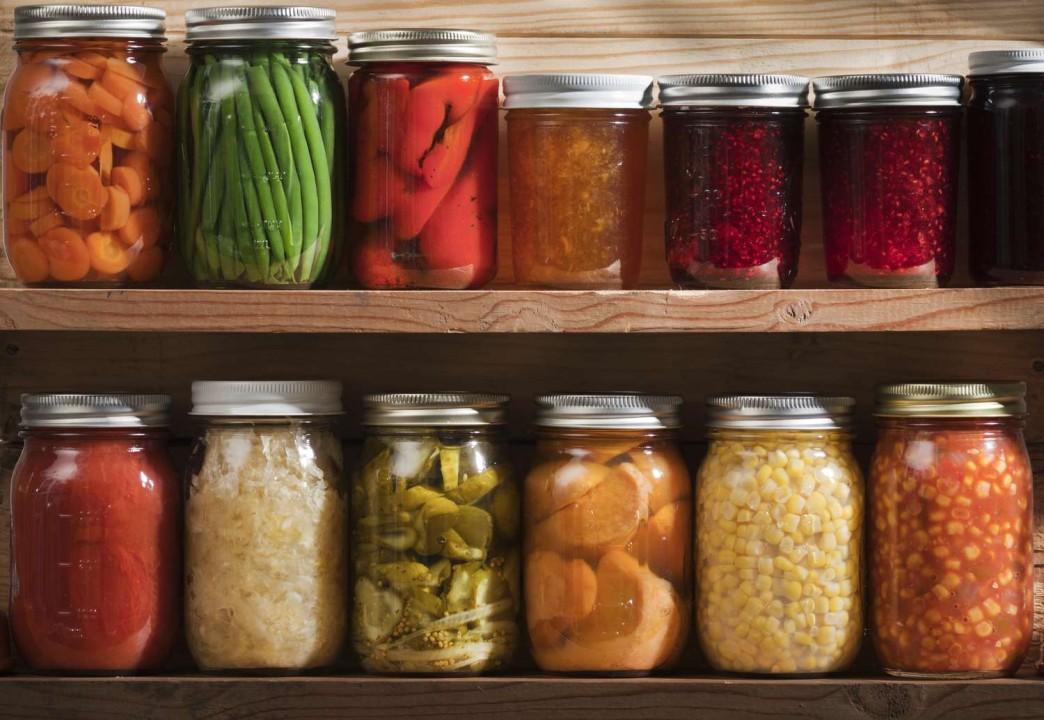

In the culinary world, the importance of proper ingredient preprocessing and storage cannot be overstated. Efficient handling of ingredients before and after cooking plays a critical role in preserving their nutritional value, flavor, texture, and overall quality. From the moment ingredients arrive at the kitchen, careful attention to preprocessing and storage is essential for minimizing waste, reducing food spoilage, and ensuring food safety.
In this article, we explore the techniques involved in ingredient preprocessing and storage, focusing on methods for preparing and preserving a variety of foods, including fruits, vegetables, meat, seafood, dairy, and grains. By understanding and applying these techniques, both home cooks and professional chefs can ensure that ingredients remain fresh, flavorful, and safe for consumption.
1. The Importance of Ingredient Preprocessing and Storage
1.1 The Role of Preprocessing in Culinary Efficiency
Preprocessing involves the initial handling of raw ingredients before cooking. This step can include washing, peeling, chopping, marinating, and even blanching or par-cooking, depending on the type of ingredient. Proper preprocessing is essential for several reasons:
- Maximizing Freshness: Preprocessing allows you to maintain the quality of ingredients by cleaning them of dirt, pesticides, and other contaminants. It also helps remove inedible parts, improving the overall eating experience.
- Time-Saving: By prepping ingredients ahead of time, you can streamline cooking, making it easier and faster to execute a dish. This is particularly helpful for batch cooking, meal prep, or large-scale food production.
- Enhancing Flavor: Marinating, seasoning, and allowing ingredients to rest before cooking can significantly enhance the flavors of a dish. Proper preprocessing ensures that ingredients are ready to take on seasoning and cooking techniques for optimal flavor development.
1.2 The Role of Proper Storage in Maintaining Ingredient Quality
Once ingredients are prepped, proper storage is essential to maintain their quality and nutritional content. Improper storage can lead to spoilage, loss of flavor, and diminished nutritional value. Additionally, improper storage practices can increase the risk of foodborne illness due to bacterial growth. The key goals of proper food storage are:
- Preserving Freshness and Flavor: Storing ingredients correctly helps retain their flavor and texture over time, ensuring they taste as fresh as when they were first purchased.
- Preventing Spoilage and Waste: Proper storage reduces the chances of spoilage, which leads to waste. By extending the shelf life of ingredients, you can reduce the need for frequent grocery store visits and save money.
- Ensuring Food Safety: Storing food at the correct temperature and in the right conditions prevents the growth of harmful bacteria and pathogens, ensuring the food remains safe to eat.
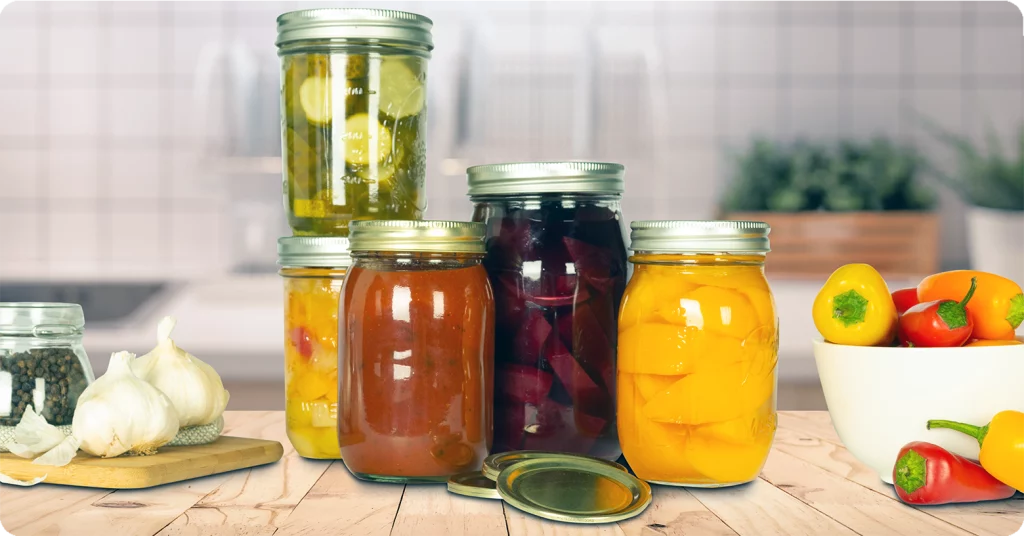
2. Preprocessing Techniques for Various Ingredients
2.1 Fruits and Vegetables
Fruits and vegetables are some of the most commonly used ingredients in cooking, and they require special care during preprocessing to maintain their freshness and nutritional value.
- Washing and Cleaning: Always wash fruits and vegetables thoroughly before use to remove dirt, pesticides, and bacteria. This is especially important for leafy greens, root vegetables, and fruits with edible skins.
- For leafy vegetables (e.g., spinach, lettuce), washing in cold water and drying them thoroughly helps prevent wilting and maintains crispness.
- For root vegetables (e.g., carrots, potatoes), scrub them gently with a brush to remove dirt.
- Peeling and Cutting: Peeling fruits and vegetables, like carrots or cucumbers, can remove unwanted skins that may harbor pesticides. When cutting vegetables, such as onions, peppers, and tomatoes, use a sharp knife to ensure clean cuts that help preserve their texture.
- Blanching: Blanching is a technique where vegetables are briefly plunged into boiling water and then immediately cooled in ice water. This process helps to preserve the color, flavor, and nutritional content of vegetables, particularly those destined for freezing.
- Commonly blanched vegetables include broccoli, green beans, spinach, and peas. Blanching also helps reduce the activity of enzymes that cause spoilage.
- Storing Cut Produce: Once fruits or vegetables are cut, they should be stored in airtight containers in the refrigerator to prevent them from drying out or absorbing odors from other foods. Some vegetables, such as carrots and celery, can be stored submerged in water to maintain their crispness.
2.2 Meat and Seafood
Proper preprocessing of meat and seafood is crucial for both food safety and culinary outcomes. This involves defrosting, trimming, marinating, and portioning.
- Defrosting: Never defrost meat or seafood at room temperature, as this can encourage bacterial growth. Instead, defrost them in the refrigerator overnight, or use the defrost setting on a microwave if necessary for quicker results.
- Trimming and Portioning: Trim excess fat, skin, and bones from meat, as these parts are not always desirable in cooking. Portion the meat into usable sizes, and consider separating cuts like steaks, chops, or chicken breasts for easier cooking.
- Marinating: Marinating meat or seafood before cooking enhances flavor and tenderness. A marinade typically includes acidic ingredients (e.g., lemon juice, vinegar), oils, and herbs. Marinate in a sealed container or ziplock bag in the refrigerator, not at room temperature, to prevent bacterial growth.
- Storage: For long-term storage, freeze meat and seafood. Wrap them tightly in plastic wrap or vacuum-sealed bags to prevent freezer burn. Always label packages with the date to ensure they are used before the recommended expiration time.
2.3 Dairy and Eggs
Dairy products and eggs are highly perishable and require specific preprocessing and storage to ensure safety and freshness.
- Eggs: Always check eggs for cracks before storing them. Keep eggs in their original carton, as it helps preserve their freshness and minimizes absorption of strong odors from other foods in the fridge.
- Dairy: Dairy products such as milk, cheese, and yogurt should be stored in their original packaging and kept refrigerated. Cheese should be wrapped tightly in wax paper or plastic wrap and stored in an airtight container to prevent it from drying out.
2.4 Grains and Legumes
Grains and legumes, like rice, beans, and lentils, require careful preprocessing to remove dirt and improve cooking results.
- Rinsing: Grains and legumes, especially rice, quinoa, and lentils, should be rinsed thoroughly before cooking to remove excess starch and dirt.
- Soaking: Legumes like beans and chickpeas benefit from soaking, as it reduces cooking time and helps with digestion. Soak dried beans overnight in plenty of water, and discard the soaking water before cooking to remove any potential toxins.
- Storage: Store uncooked grains and legumes in airtight containers in a cool, dry place. For longer storage, you can keep them in the refrigerator or freezer to prevent insect infestations and to extend their shelf life.
3. Storage Techniques for Different Ingredients
3.1 Temperature Control: The Foundation of Food Safety
One of the most critical aspects of food storage is maintaining the correct temperature. Most ingredients require refrigeration or freezing to remain fresh.
- Refrigeration: Keep your refrigerator at 37°F (3°C) or lower. Perishable items like dairy, meat, and eggs should always be stored in the coldest part of the fridge. Make sure your fridge is not overcrowded, as air circulation is necessary to maintain even temperatures.
- Freezing: Freezing extends the shelf life of many foods. For optimal quality, freeze items like meat, vegetables, and even some fruits in airtight packaging to prevent freezer burn. Be mindful that not all foods freeze well, as the texture of some ingredients (like lettuce or cucumbers) may be compromised after thawing.
3.2 Vacuum Sealing
Vacuum sealing is a highly effective storage technique that removes air from bags, reducing the chances of oxidation and spoilage. This method is ideal for storing meats, fish, grains, and even prepared meals. Vacuum-sealed bags can extend the shelf life of ingredients by preventing moisture loss and protecting them from freezer burn.
3.3 Use of Proper Containers
Choosing the right storage containers is also key to maintaining the freshness and quality of ingredients.
- Airtight Containers: Use airtight containers for storing cut fruits and vegetables, cooked food, and leftovers. This prevents the absorption of odors and moisture loss.
- Glass Jars and Bins: Glass containers and jars are great for storing dry ingredients like grains, legumes, and spices. They are non-reactive and preserve the flavor and aroma of ingredients better than plastic.
- Bags and Wraps: Use resealable bags for storing smaller portions of frozen foods or ingredients you intend to use quickly. For items like cheese or deli meats, wax paper or parchment paper can help keep them fresh while allowing them to breathe.
4. Sustainable Practices in Preprocessing and Storage
Sustainability in the kitchen is increasingly important, both from an environmental and a financial perspective. Implementing efficient preprocessing and storage techniques can significantly reduce food waste, conserve resources, and lower your carbon footprint.
- Reducing Waste: By properly storing leftovers and using ingredients before they spoil, you can reduce food waste. Techniques like freezing surplus vegetables, meat, or prepped meals allow you to enjoy them later while maintaining their quality.
- Sustainable Packaging: Opt for sustainable storage solutions, such as reusable silicone bags, beeswax wraps, and glass jars. These reduce reliance on disposable plastic packaging, which is harmful to the environment.
- Local Sourcing and Seasonal Storage: By sourcing ingredients locally and seasonally, you support sustainable food systems while ensuring fresher produce. Preserving seasonal ingredients through canning, freezing, and dehydrating allows you to enjoy them year-round.
Conclusion
Mastering ingredient preprocessing and storage is an essential skill for anyone interested in cooking, whether professionally or at home. By following proper techniques for washing, cutting, marinating, and storing foods, cooks can ensure that their ingredients remain fresh, safe, and flavorful. Furthermore, adopting sustainable practices can help reduce food waste, conserve resources, and promote environmental stewardship.
From fruits and vegetables to meats and grains, proper handling of ingredients before and after cooking enhances both the quality of meals and the overall efficiency of the kitchen. By investing time and effort into understanding these techniques, chefs and home cooks can ensure that their culinary creations remain delicious, nutritious, and safe for everyone to enjoy.