








Introduction: The Growing Popularity of Culinary Experiences
In recent years, live cooking demonstrations and tasting workshops have become an integral part of culinary culture, offering both food enthusiasts and professional chefs alike the opportunity to learn, explore, and indulge in the art of cooking. These immersive events are no longer confined to the world of elite cooking schools or private culinary clubs; they are increasingly accessible to the general public, with many food festivals, market events, and even online platforms offering opportunities for people to watch chefs in action, taste unique dishes, and engage in hands-on learning experiences.
These events not only celebrate the skill and creativity involved in food preparation but also serve as an interactive learning experience that fosters deeper connections between cooking techniques, ingredients, and cultural influences. From watching a Michelin-starred chef prepare a complex dish to participating in a hands-on workshop focused on regional cooking styles, the appeal of live cooking demonstrations and tasting workshops has expanded globally, and it’s easy to see why.
This article explores the significance of live cooking demonstrations and tasting workshops in modern culinary culture, how they enhance cooking skills, foster culinary creativity, and create immersive food experiences for participants. We will also discuss the growing trend of culinary events as an avenue for cultural exchange, community building, and food education.
Section I — The Evolution of Culinary Demonstrations and Tasting Experiences
1. The Rise of Live Cooking Demonstrations
The concept of live cooking demonstrations is not new. The roots of such demonstrations can be traced back to early food festivals and cooking classes conducted by renowned chefs. These demonstrations have evolved from simple recipe-sharing sessions to elaborate events that focus on showcasing advanced culinary techniques, ingredient sourcing, and gourmet preparations.
In the early 20th century, culinary demonstrations were primarily held in elite settings, such as private clubs, gourmet events, and in the kitchens of luxury hotels. Over time, however, these events began to grow in popularity, fueled by the increasing interest in food culture and the widespread availability of television cooking shows. Cooking programs hosted by famous chefs like Julia Child, Gordon Ramsay, and Jamie Oliver brought the art of cooking into the homes of millions, making it more accessible to the general public.
As food culture continued to thrive, live cooking demonstrations became a common feature at food festivals, farmers’ markets, and gastronomy events. Today, these demonstrations serve not only as a tool for learning new culinary skills but also as a platform for showcasing food trends, innovative cooking methods, and sustainable practices.
2. The Role of Tasting Workshops in Culinary Education
While cooking demonstrations focus on showcasing the process of cooking, tasting workshops provide an interactive space for participants to learn about the subtleties of flavor profiles, ingredient pairings, and regional cuisine. These workshops have become essential to understanding the intricacies of food tasting, which requires more than simply eating—it is about exploring the texture, aroma, and visual appeal of food.
Tasting workshops offer a more immersive experience, as participants are often involved in blind tastings, food and wine pairings, and hands-on experiences with various ingredients. In contrast to cooking demonstrations, which often focus on the preparation aspect of food, tasting workshops delve deeply into sensory experiences and palate development.
These workshops also provide a platform for participants to engage with food experts who share knowledge about regional specialties, food history, and the science of taste perception. Through guided tastings, chef-led tutorials, and interactive Q&A sessions, participants gain a deeper understanding of how flavors interact and how to create well-balanced dishes.
Section II — Key Components of Live Cooking Demonstrations
1. The Chef as a Teacher and Entertainer
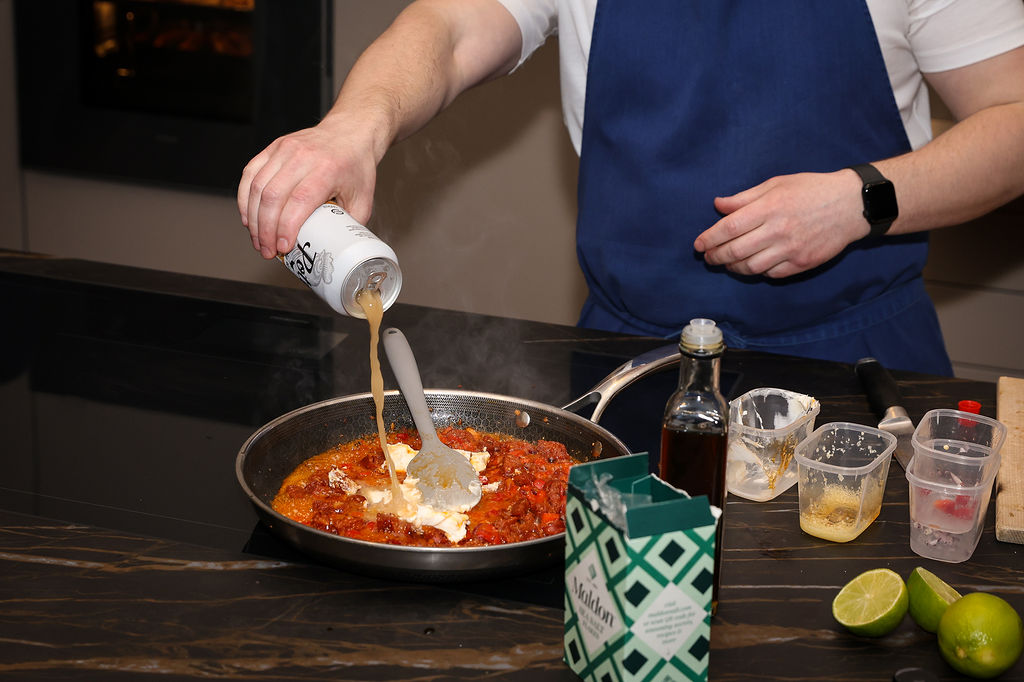
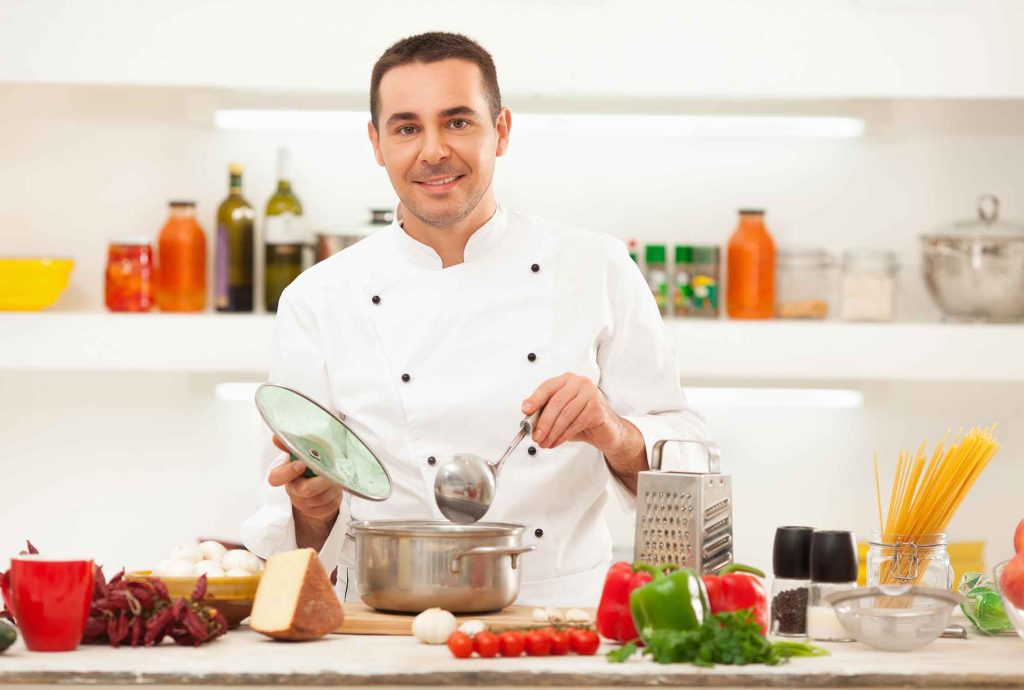
At the core of every live cooking demonstration is the chef, who is tasked with not only preparing the dish but also explaining the techniques, ingredients, and creative choices behind each step. The chef’s ability to engage with the audience is essential in creating an effective and memorable experience. A skilled chef can turn the demonstration into an entertaining show, infusing humor, storytelling, and personal anecdotes into the presentation.
For many culinary enthusiasts, watching a professional chef work in real-time is akin to witnessing an artist at work. The precision, timing, and technique involved in preparing a dish are showcased in ways that are both educational and awe-inspiring. Whether it’s a Michelin-starred chef demonstrating how to make a perfect sushi roll or a pastry chef showing the art of creating delicate desserts, the demonstration becomes a masterclass in cooking that participants can refer to long after the event is over.
Moreover, the demonstration format offers a level of interactivity. Participants can ask questions, seek clarification, and even offer suggestions, creating a more personalized experience.
2. The Hands-On Element: Encouraging Participation
Incorporating a hands-on element into live cooking demonstrations can significantly enhance the learning experience. Many events, especially in culinary schools or cooking studios, offer participants the chance to prepare dishes themselves under the guidance of an expert chef. This interactive aspect not only reinforces the techniques being demonstrated but also allows participants to practice cooking in real-time, building their confidence and skills.
Hands-on cooking classes are particularly popular in tasting workshops, where participants might be asked to recreate specific dishes or prepare ingredients for a communal meal. This encourages collaboration, enhances skill development, and fosters a sense of community among participants. After all, cooking is often more enjoyable and meaningful when it’s a shared experience.
3. Exploring Food Trends and Innovations
Live cooking demonstrations often highlight emerging food trends, offering participants the opportunity to experience cutting-edge culinary innovations firsthand. From molecular gastronomy and plant-based cuisine to zero-waste cooking and fermentation techniques, these events showcase the future of cooking while also honoring traditional methods.
Many chefs use live demonstrations as a platform to experiment with new techniques or to showcase innovative products that are revolutionizing the culinary world. Participants are introduced to alternative ingredients, gourmet tools, and new methods, all of which enhance their knowledge and inspire creativity in their own cooking.
4. Creating a Memorable Atmosphere
Creating the right atmosphere is crucial for a successful live cooking demonstration. The environment must encourage interaction and engagement while offering an immersive culinary experience. Whether it’s a charming outdoor market, a professional kitchen studio, or a food festival tent, the space should be designed to make participants feel as if they are part of something truly special.
Many events also incorporate music, decor, and thematic elements that align with the cuisine being prepared, transforming the demonstration into a full-sensory experience. This environment enhances the overall impact of the event and helps participants build lasting memories.
Section III — The Power of Tasting Workshops
1. Developing a Palate
Tasting workshops are one of the most educational aspects of modern food culture, offering participants the chance to develop and refine their palate. Whether it’s tasting wine and cheese pairings, flavored olive oils, or chocolate and coffee varieties, these workshops provide an opportunity to experience the subtleties and complexities of different ingredients.
Through guided tastings, participants learn how to recognize key flavors, identify food pairings, and discern quality. Over time, this helps people become more mindful eaters, who can appreciate the nuance and balance in every dish.
2. Food Pairing and Culinary Creativity
In addition to developing a refined palate, tasting workshops also focus on the art of food pairing. For example, pairing the right cheese with wine, sauces with meats, or herbs with vegetables can elevate any dish. These workshops teach participants how to think creatively about flavor combinations and understand the fundamental principles of taste balance.
For chefs and home cooks alike, this is an invaluable skill that can transform everyday meals into exceptional dining experiences. It also opens the door to cross-cultural exploration, as participants learn how food traditions vary across regions and cuisines.
3. Cultural Exploration Through Taste
Tasting workshops also provide a fascinating cultural exploration through food. By sampling regional dishes or traditional beverages, participants gain insight into the unique cooking methods, ingredients, and historical significance of different cuisines. Whether it’s learning about Japanese sushi, Italian pasta-making, or the flavors of Mexican salsas, these workshops offer a deeper understanding of the cultural context behind each dish.
4. Building a Community of Food Lovers
Tasting workshops are also a great way to foster a sense of community among participants. These events often bring together food lovers from diverse backgrounds who share a common interest in exploring new flavors and culinary experiences. The collaborative nature of tasting workshops, along with the shared enjoyment of food, creates an environment of camaraderie and connection.
Conclusion: A Flavorful Future
As the demand for immersive culinary experiences continues to grow, live cooking demonstrations and tasting workshops are becoming central to how we learn about and enjoy food. These events offer a blend of education, entertainment, and culture, bringing people together to explore new flavors, cooking techniques, and food traditions.
Whether you are a novice cook or a seasoned chef, these experiences foster a deeper connection to the food we eat and help cultivate an appreciation for the artistry of cooking. With the continued rise of food-centric experiences and the ever-growing interest in culinary education, the future of live cooking demonstrations and tasting workshops looks exceptionally bright.