








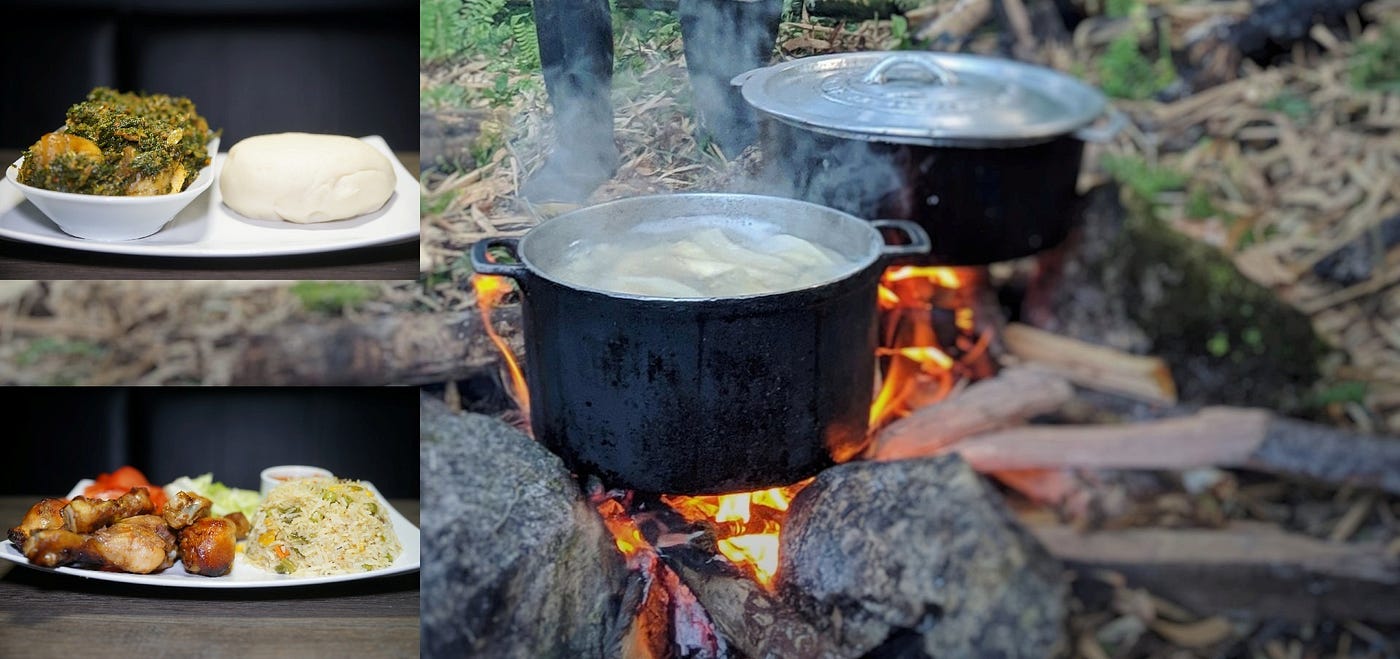

In a world increasingly dominated by industrialized food production, ready-to-eat meals, and digital recipes, the importance of traditional culinary techniques cannot be overstated. These techniques represent centuries of cultural knowledge, local adaptation, and artisanal craftsmanship. Preserving and valuing these methods is essential not only for cultural heritage but also for culinary innovation, sustainability, and gastronomy education.
This article explores the historical significance of traditional cooking methods, the role of regional culinary heritage, modern applications, educational initiatives, and the challenges faced in maintaining these vital skills.
Historical Roots of Traditional Culinary Techniques
Traditional cooking techniques are deeply embedded in cultural and regional histories. They reflect the intersection of geography, climate, available ingredients, and social practices:
- Indigenous Practices: Indigenous communities across the world developed techniques such as smoking, fermenting, drying, and baking using locally available resources. These methods not only preserved food but also enhanced flavors and nutritional value.
- Colonial and Trade Influences: Global trade and colonization introduced new ingredients, spices, and methods, leading to hybrid culinary traditions. For example, the introduction of chili peppers to Asia and Africa reshaped local cuisines.
- Community and Ritual Significance: Traditional cooking was often communal, linked to celebrations, festivals, and seasonal cycles, reinforcing social bonds and cultural identity.
Preserving these techniques ensures that culinary history remains tangible and accessible, allowing future generations to appreciate and learn from past innovations.
Core Traditional Techniques Across Cultures
Fermentation
- Applications: Sauerkraut in Germany, kimchi in Korea, miso in Japan, and cacao fermentation in Latin America.
- Significance: Fermentation enhances flavor complexity, preserves seasonal produce, and promotes gut health.
- Modern Relevance: Fermentation techniques are now integrated into contemporary fine dining, artisanal beverages, and functional foods.
Smoking and Curing
- Applications: Smoked fish in Scandinavia, cured meats in Italy (prosciutto), and jerk meat in Jamaica.
- Significance: These methods preserve food, concentrate flavors, and impart distinctive textures.
- Modern Relevance: Smoking techniques inspire innovative flavor profiles in modern gastronomy and craft cuisine.
Stone and Wood-Fired Cooking
- Applications: Clay ovens in India (tandoor), pizza ovens in Italy, and hearth cooking in rural France.
- Significance: Heat retention and slow cooking create unique textures and flavors unattainable with modern equipment.
- Modern Relevance: Artisanal bakeries, pizzerias, and specialty restaurants celebrate these methods for authenticity.
Handcrafted Doughs and Pastes
- Applications: Pasta making in Italy, tortilla preparation in Mexico, and dumpling folding in China.
- Significance: Manual processes control texture, elasticity, and integration of flavors.
- Modern Relevance: Culinary schools emphasize these skills as fundamental for professional chefs and artisans.
Spice Blending and Marinades
- Applications: Curry blends in India, rubs in the American South, and sofrito in Latin America.
- Significance: Complex flavor layering is achieved through careful blending and maceration.
- Modern Relevance: Craft seasoning companies and Michelin-starred kitchens rely on traditional knowledge to innovate contemporary dishes.
Cultural and Regional Culinary Heritage
Each region’s culinary identity is intertwined with its traditional cooking methods:
- Asia: Steaming, stir-frying, and pickling preserve delicate textures and enhance umami.
- Europe: Braising, roasting, and baking reflect adaptation to colder climates and resource conservation.
- Africa: Grilling, pit cooking, and fermentation respond to available ingredients and environmental conditions.
- Latin America: Stone ovens, corn processing, and chili preservation define local food culture.
Understanding these techniques is crucial for preserving cultural narratives, as recipes are repositories of history, social values, and collective memory.
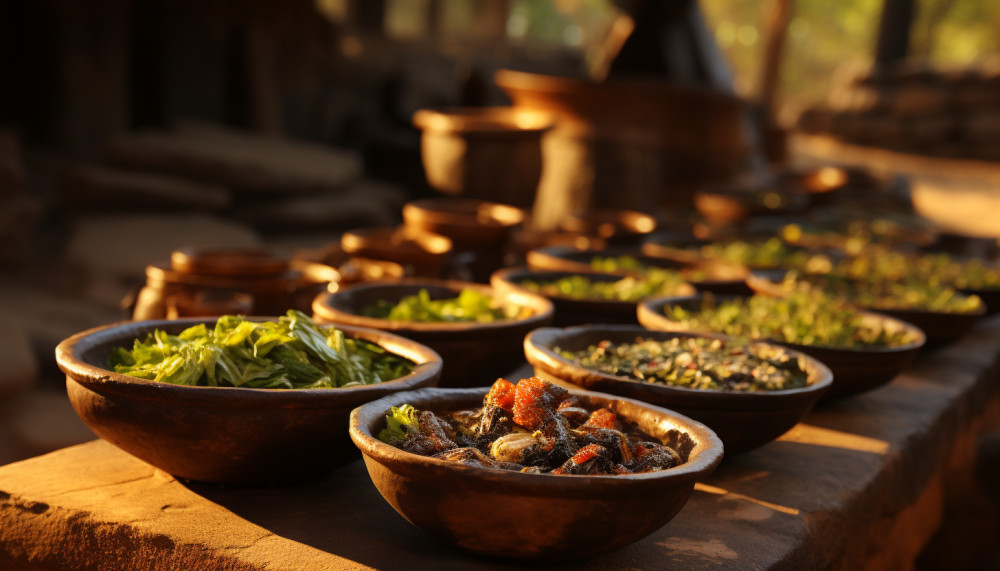
Educational Initiatives and Culinary Schools
To preserve traditional techniques, educational frameworks and institutions play a central role:
- Culinary Schools: Many professional schools now integrate traditional methods alongside modern techniques, ensuring chefs are versatile and culturally informed.
- Workshops and Masterclasses: Artisan chefs lead hands-on sessions, transmitting knowledge in intimate and practical ways.
- Community Programs: Local governments and NGOs support initiatives for youth and communities to learn heritage cooking, often linked to sustainable food practices.
- Digital Preservation: Online tutorials, video documentaries, and virtual apprenticeships document endangered culinary practices for global access.
Education ensures that tradition is not only remembered but actively practiced, allowing innovation to emerge from a foundation of mastery.
Integration with Modern Culinary Innovation
Traditional techniques are not static; they inspire contemporary gastronomy:
- Fusion Cuisine: Traditional methods applied to modern ingredients create hybrid dishes that respect heritage while innovating flavor.
- Chef-Driven Experimentation: Techniques such as fermentation and smoking are reinterpreted for fine dining and molecular gastronomy.
- Sustainability Initiatives: Heritage methods often emphasize minimal waste, resourcefulness, and local sourcing, aligning with modern sustainability goals.
By integrating traditional skills with contemporary creativity, chefs produce dishes that are culturally resonant, environmentally conscious, and aesthetically compelling.
Economic and Social Impact
Preserving traditional techniques carries significant social and economic benefits:
- Support for Local Farmers and Artisans: Utilizing traditional methods often relies on local, seasonal ingredients, strengthening regional economies.
- Tourism and Culinary Heritage: Traditional cooking attracts culinary tourism, fostering cultural pride and economic opportunity.
- Food Security: Techniques like fermentation and preservation reduce dependency on industrialized food systems, enhancing resilience.
- Community Cohesion: Participatory cooking practices, such as communal bread-making or festival meals, reinforce social bonds.
Through these dimensions, valuing tradition benefits society beyond taste, contributing to culture, economy, and sustainability.
Challenges in Preserving Traditional Techniques
Despite their value, traditional methods face multiple threats:
- Industrialization and Convenience Foods: Mass production reduces the demand for labor-intensive techniques.
- Loss of Artisanal Knowledge: Younger generations may favor efficiency and technology over heritage skills.
- Globalization: Homogenization of diets undermines regional culinary identity.
- Regulatory Barriers: Food safety and urban regulations can limit traditional methods like open-fire cooking or fermentation.
Addressing these challenges requires policy support, cultural valorization, and market incentives to sustain interest and practice.
Case Studies
Japan: Washoku
The Japanese approach to cooking emphasizes seasonality, technique, and aesthetic presentation. Washoku has been recognized by UNESCO as intangible cultural heritage, highlighting the importance of preserving traditional methods alongside contemporary culinary evolution.
France: Artisan Bakeries
French boulangeries continue to use traditional leavening, kneading, and baking methods. Master bakers train apprentices for years, ensuring continuity of artisanal craft in bread and pastry production.
Mexico: Nixtamalization
The preparation of corn through nixtamalization demonstrates a centuries-old process essential for tortillas and tamales. This technique not only enhances flavor but also improves nutritional value, showcasing the intersection of tradition and science.
India: Tandoor Cooking
Clay oven cooking preserves centuries of culinary heritage, from breads to marinated meats. Contemporary restaurants leverage this technique for authenticity while adapting menus for modern palates.
Policy and Global Initiatives
Governments and organizations play a vital role in safeguarding culinary heritage:
- UNESCO Intangible Cultural Heritage Program: Recognizes and promotes traditional food practices globally.
- National Culinary Institutes: Fund programs teaching indigenous and regional techniques.
- Cultural Festivals and Exhibitions: Celebrate traditional foods and cooking methods, enhancing public awareness and engagement.
- Sustainable Agriculture Policies: Support ingredients essential to traditional recipes, ensuring ecological and economic viability.
Policy frameworks ensure that tradition is protected, valued, and economically viable in a modern context.
The Future of Traditional Culinary Techniques
The ongoing relevance of traditional methods depends on innovation, education, and cultural integration:
- Hybrid Techniques: Combining old and new methods preserves flavor while improving efficiency.
- Digital Archiving: Documentation and virtual training prevent knowledge loss.
- Consumer Engagement: Culinary tourism and interactive workshops expose broader audiences to traditional skills.
- Sustainable Practices: Emphasizing local, seasonal, and low-waste techniques aligns tradition with modern environmental goals.
By embracing both preservation and innovation, traditional techniques can thrive in the 21st century, sustaining heritage and inspiring new culinary possibilities.
Conclusion
Valuing traditional culinary techniques is more than a nostalgic endeavor; it is an essential aspect of cultural preservation, gastronomic innovation, and sustainable food systems. From fermentation and smoking to artisanal baking and spice blending, these methods embody centuries of human ingenuity, regional adaptation, and social cohesion.
Integrating these techniques into modern culinary education, professional kitchens, and consumer experiences ensures that they remain relevant, respected, and influential. In doing so, chefs, educators, and consumers collectively honor the past, enrich the present, and inspire the future of gastronomy.
By preserving, practicing, and innovating upon these heritage methods, the culinary world can maintain a delicate balance between tradition and modernity, ensuring that flavors, skills, and cultural identity continue to thrive for generations to come.