










Introduction: Modernizing Classic Cuisine for Busy Families
Traditional classic dishes are often associated with lengthy preparation, intricate techniques, and multi-step cooking processes. While these meals offer rich flavors, cultural heritage, and comforting familiarity, the modern household faces time constraints, dietary considerations, and convenience demands.
The goal of transforming traditional classics into quick, family-friendly versions is to retain the essence, flavor, and nostalgia of these recipes while streamlining preparation, simplifying techniques, and using accessible ingredients. This approach allows families to enjoy homemade, nutrient-dense meals without spending hours in the kitchen.
This article explores strategies for ingredient optimization, time-saving techniques, flavor retention, nutritional enhancement, and recipe modification to modernize traditional dishes for everyday family cooking.
Section 1: Understanding the Principles of Recipe Optimization
1.1 Preserving Flavor Essence
- Focus on the core ingredients and flavors that define a dish.
- Example: A classic beef stew relies on slow-cooked beef, onions, and aromatics; a family-friendly version can use tender cuts and pressure cooking to maintain depth quickly.
1.2 Simplifying Techniques
- Reduce the number of steps and cooking tools required.
- Use one-pot methods, sheet pan recipes, or pressure cookers to minimize preparation and cleanup.
1.3 Nutritional Enhancement
- Replace heavy fats or refined ingredients with healthier alternatives without compromising taste.
- Incorporate more vegetables, lean proteins, whole grains, and legumes.
1.4 Time Management
- Identify steps that can be prepped in advance or shortened with modern tools.
- Use pre-chopped vegetables, canned beans, frozen proteins, and pre-cooked grains for speed.
Section 2: Ingredient Selection and Modern Substitutions
2.1 Proteins
- Traditional cuts may be fatty or slow-cooking; substitute with lean meats, poultry, fish, or plant-based alternatives.
- Example: Slow-braised pork belly can become quick pan-seared pork or tofu stir-fry.
2.2 Vegetables
- Increase vegetable content for nutrition and volume.
- Use quick-cooking vegetables like bell peppers, zucchini, or spinach.
2.3 Carbohydrates
- Replace long-cooking grains with pre-cooked rice, quinoa, or pasta.
- Consider whole-grain or gluten-free options to improve nutritional value.
2.4 Flavor Enhancers
- Traditional dishes often require long-simmered stocks and sauces; modern shortcuts include:
- Store-bought low-sodium stocks.
- Concentrated flavor pastes (tomato paste, miso, curry paste).
- Quick spice blends instead of grinding whole spices.
Section 3: Quick Cooking Techniques
3.1 Pressure Cooking
- Great for soups, stews, braised meats, and grains.
- Reduces cooking time from hours to 20–40 minutes without losing tenderness or flavor.
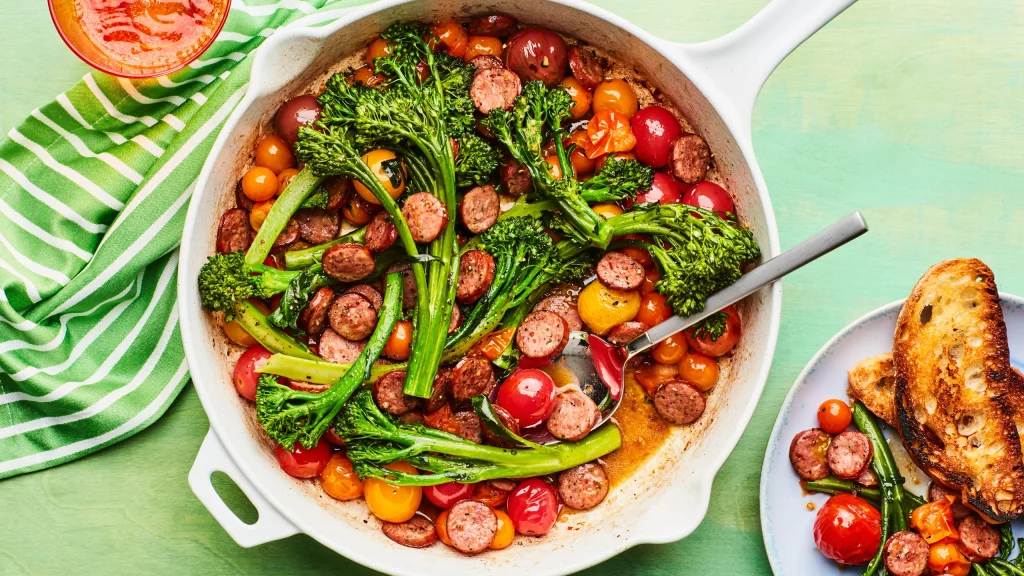
3.2 One-Pot and Sheet Pan Meals
- Combine protein, vegetables, and starches in a single vessel.
- Minimizes cleanup and ensures even flavor integration.
3.3 Stir-Frying and Sautéing
- Rapid cooking for small, uniform pieces of protein and vegetables.
- Preserves color, texture, and nutrients.
3.4 Oven Roasting
- Ideal for large batches of vegetables or proteins.
- Enhances natural sweetness and caramelization with minimal attention.
3.5 Prepping and Marinating
- Marinate proteins overnight or use quick marinades (10–30 minutes) to maximize flavor in less time.
- Chop vegetables in advance for rapid assembly.
Section 4: Retaining Traditional Flavors with Modern Shortcuts
4.1 Stocks and Sauces
- Replace long-simmered stocks with concentrated or instant stocks.
- Flavor can be amplified with herbs, spices, miso, tomato paste, or soy sauce.
4.2 Slow-Cooked Aromatics
- Use garlic, onion, ginger, and spice pastes sautéed briefly to replicate depth.
- Add a splash of acid (lemon, vinegar) at the end to brighten flavors.
4.3 Layering Flavors
- Traditional depth comes from slow layering of ingredients; replicate with sequential seasoning and quick-cooking techniques.
- Toast spices for 1–2 minutes before adding proteins for instant aromatic infusion.
4.4 Maintaining Texture
- Avoid overcooking vegetables or proteins by using high heat for short durations or al dente methods for grains and pasta.
Section 5: Sample Optimized Classic Dishes
5.1 Family-Friendly Beef Stroganoff
- Traditional Method: Slow-cooked beef strips with mushrooms, onions, and cream.
- Quick Version:
- Use thinly sliced beef or tender cuts.
- Sauté with mushrooms, onions, garlic for 8–10 minutes.
- Add Greek yogurt or light cream at the end.
- Serve with pre-cooked noodles or quinoa.
5.2 Quick Chicken Cacciatore
- Traditional Method: Hours-long braise with tomatoes, wine, and herbs.
- Quick Version:
- Sear chicken thighs, add canned tomatoes and bell peppers.
- Simmer 20 minutes with garlic, oregano, and basil.
- Serve over pre-cooked polenta or rice.
5.3 One-Pot Ratatouille
- Traditional Method: Layered, slow-cooked vegetables.
- Quick Version:
- Dice zucchini, eggplant, bell peppers, and onions.
- Sauté 5 minutes, add tomatoes and garlic, simmer 15 minutes.
- Finish with fresh herbs and olive oil.
5.4 Speedy Shepherd’s Pie
- Traditional Method: Ground meat with mashed potatoes baked 45 minutes.
- Quick Version:
- Use lean ground turkey or lentils.
- Sauté with carrots, peas, and onions.
- Top with instant mashed potatoes or cauliflower mash, bake 15 minutes.
5.5 Simplified Coq au Vin
- Traditional Method: Slow braise in wine with mushrooms and bacon.
- Quick Version:
- Sear chicken drumsticks or thighs, sauté mushrooms and onions.
- Add red wine or stock, simmer 25 minutes.
- Serve with quick-cooked grains or roasted potatoes.
Section 6: Ingredient Prep and Storage
6.1 Pre-Chopping and Freezing
- Chop vegetables in bulk and freeze for future meals.
- Use portion-sized freezer packs for proteins and sauces.
6.2 Pre-Cooked Components
- Prepare grains, beans, or pasta in advance.
- Refrigerate for rapid meal assembly during the week.
6.3 Ready-to-Use Sauces
- Blend herbs, garlic, and tomatoes to create multi-purpose sauces.
- Store for 3–5 days in the fridge or freeze for longer storage.
Section 7: Balancing Health and Taste
7.1 Reducing Fat and Calories
- Use olive oil or avocado oil sparingly.
- Substitute cream with Greek yogurt, milk alternatives, or blended tofu.
7.2 Increasing Vegetable Content
- Boost fiber and nutrients by adding extra vegetables to sauces, casseroles, and soups.
7.3 Whole Grains and Legumes
- Replace refined grains with quinoa, brown rice, or lentils.
- Supports long-lasting energy and satiety.
7.4 Portion Control
- Adjust protein and carb portions to fit family preferences and dietary needs.
Section 8: Flavor Enhancement Techniques
8.1 Fresh Herbs and Spices
- Add fresh parsley, basil, cilantro, rosemary, or thyme at the end of cooking.
- Provides vibrancy and aroma without extra fat.
8.2 Acid Balance
- Lemon juice, vinegar, or a splash of wine enhances flavors and complexity.
8.3 Umami Boosters
- Nutritional yeast, soy sauce, miso, or tomato paste increases savory depth.
8.4 Layering Quick Marinades
- Marinate proteins for 10–20 minutes to impart flavor in a fraction of time.
Section 9: Time-Saving Tools for the Modern Kitchen
- Pressure cookers and Instant Pots: Ideal for meats, beans, and grains.
- Sheet pans and baking trays: Simplify roasted vegetable and protein meals.
- Blenders and food processors: Quick sauces, purees, and marinades.
- Measuring and storage systems: Keep ingredients organized and ready to cook.
Section 10: Sample Weekly Family Meal Plan
| Day | Dish | Prep Time | Notes |
|---|---|---|---|
| Monday | Quick Chicken Cacciatore | 25 min | Serve with pre-cooked polenta |
| Tuesday | One-Pot Ratatouille | 20 min | Add lentils for protein |
| Wednesday | Family-Friendly Beef Stroganoff | 20 min | Use Greek yogurt instead of cream |
| Thursday | Speedy Shepherd’s Pie | 25 min | Cauliflower mash for lighter version |
| Friday | Simplified Coq au Vin | 30 min | Serve with roasted vegetables |
| Saturday | Quick Vegetable Curry | 25 min | Use canned coconut milk for fast sauce |
| Sunday | Sheet Pan Salmon & Veggies | 20 min | Toss with olive oil and herbs |
Section 11: Overcoming Challenges in Quick Family Versions
11.1 Preserving Authenticity
- Focus on signature flavors and textures.
- Use quick techniques that replicate slow-cooked depth.
11.2 Maintaining Nutritional Balance
- Add vegetables, lean proteins, and whole grains to replace calorie-dense traditional methods.
11.3 Adapting to Family Preferences
- Offer customizable components (e.g., sauce on the side, different vegetables).
11.4 Time Management
- Combine batch prep, pre-portioned ingredients, and multi-tasking to streamline weeknight cooking.
Section 12: Advantages of Quick Family Versions
- Saves time while maintaining comfort and familiarity.
- Enhances nutritional content by increasing vegetables and reducing excess fats.
- Simplifies cooking for busy households without sacrificing flavor.
- Encourages family engagement in meal preparation.
Conclusion: Bridging Tradition and Modern Convenience
Transforming traditional classic dishes into quick, family-friendly versions ensures that the flavors, nostalgia, and culinary heritage are preserved while meeting modern lifestyle demands. By optimizing ingredients, simplifying techniques, enhancing nutrition, and leveraging kitchen tools, families can enjoy delicious, wholesome meals with minimal time and effort.
Key takeaways:
- Identify core flavors and maintain them in simplified recipes.
- Use quick-cooking techniques and modern kitchen tools to save time.
- Enhance nutrition with extra vegetables, lean proteins, and whole grains.
- Employ flavor enhancers such as herbs, spices, and umami boosters to replicate depth.
- Plan ahead with batch cooking and pre-portioned ingredients for weeknight efficiency.
By embracing these strategies, families can enjoy the richness of classic cuisine every day, without sacrificing convenience, nutrition, or taste.