








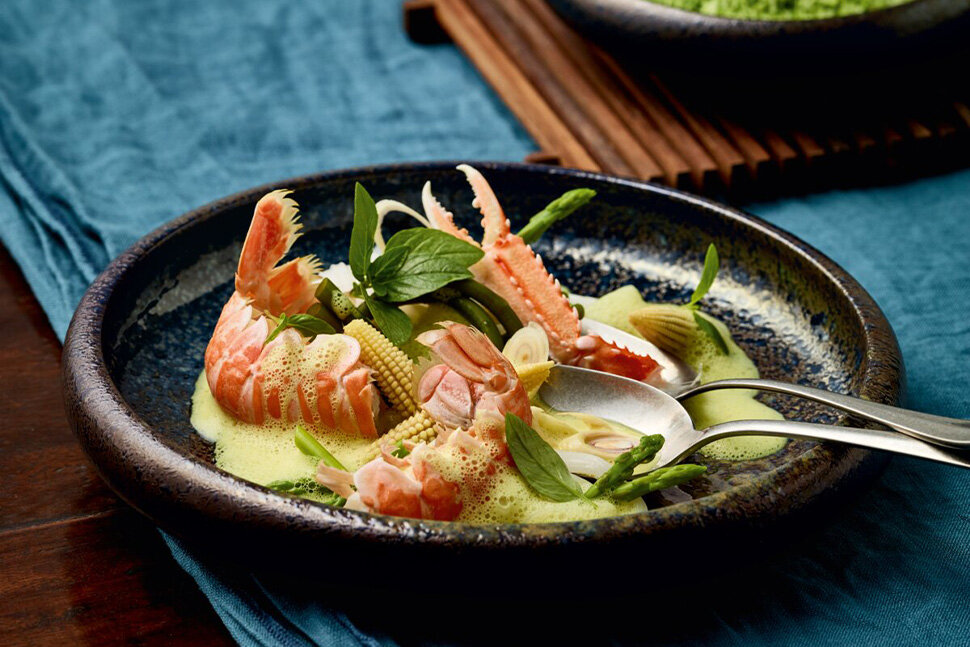

The culinary world is an ever-evolving landscape, where cultures intersect, interact, and innovate. One of the most exciting trends of the modern food world is the fusion of classic dishes from different culinary traditions. This fusion, which often blends the flavors, techniques, and ingredients of diverse regions, reflects the increasingly globalized nature of society. As people migrate, trade, and explore, they bring with them culinary influences that shape and redefine the way we eat. Classic dishes, once tied strictly to their regional roots, have become the canvas for creative culinary artists seeking to blend cultural flavors and techniques.
The fusion of multicultural elements in cuisine has a rich history, rooted in global trade, migration, colonialism, and technological advancements. The result is a dynamic fusion cuisine that not only combines flavors but tells the story of the interconnectedness of the world. This essay will delve into the origins, evolution, and impact of multicultural fusion in classic dishes. It will explore the historical forces that have influenced the blending of culinary traditions, as well as the contemporary role of fusion cuisine in the culinary world.
1. The Origins of Fusion Cuisine: A Historical Perspective
The concept of fusion cuisine is not a modern phenomenon; rather, it is deeply embedded in the history of global trade, colonization, and migration. Over centuries, different cultures have exchanged ingredients, spices, and cooking techniques, laying the foundation for today’s fusion cuisine.
1.1 The Influence of Ancient Trade Routes
One of the earliest examples of culinary fusion can be traced back to the ancient trade routes that connected distant civilizations. The Silk Road, which stretched from China to Europe, played a key role in the exchange of not only goods but also culinary knowledge. Spices, herbs, fruits, and even cooking techniques were traded along these routes, resulting in the blending of flavors across cultures.
For instance, the introduction of spices such as cinnamon, saffron, and cumin from the Middle East and Asia to Mediterranean cuisine led to the transformation of classic dishes. The Mediterranean diet, which relied heavily on olive oil, seafood, and grains, incorporated these exotic spices, creating new, complex flavor profiles that were distinctly multicultural.
Similarly, the maritime spice routes of the 15th century, which connected Europe with India and Southeast Asia, were instrumental in the development of fusion cuisine. The Portuguese and Dutch colonizers brought chili peppers, vanilla, and nutmeg to Europe, forever changing the way people thought about flavor and seasoning.
1.2 Colonialism and the Birth of Hybrid Cuisines
Colonialism is another crucial factor in the development of fusion cuisine. As European powers colonized vast regions of Asia, Africa, and the Americas, they brought with them European cooking techniques and ingredients, while also adapting to the local environments. This resulted in the fusion of indigenous ingredients with European flavors, giving birth to hybrid cuisines that blended the best of both worlds.
In the Caribbean, for example, the African, European, and Indigenous populations combined their culinary traditions to create dishes such as jerk chicken, which blends African spice techniques with Indigenous Caribbean ingredients and European influences. Similarly, in India, British colonialism led to the creation of dishes like Chicken Tikka Masala, which is a fusion of traditional Indian spices and British cooking techniques.
In Southeast Asia, the Portuguese brought chili, tomatoes, and vinegar, which were used to create hybrid dishes like the Filipino adobo, a combination of indigenous Filipino, Spanish, and Chinese culinary techniques and ingredients. These early examples of fusion cuisine set the stage for the diverse, complex food traditions we see around the world today.
2. Fusion Cuisine in the Modern Era
As global migration and technological advancements accelerated in the 20th and 21st centuries, the concept of fusion cuisine evolved and became a global trend. What began as the blending of cultures through necessity or colonization evolved into a conscious culinary movement, where chefs began to actively seek out innovative ways to combine traditional dishes from different regions.
2.1 The Birth of Modern Fusion Cuisine
In the 1970s and 1980s, fusion cuisine started to gain popularity, especially in cosmopolitan cities like New York, Los Angeles, and London. These cities, which were cultural melting pots, became the epicenter of the fusion food movement. Chefs like Wolfgang Puck and Nobu Matsuhisa played pivotal roles in shaping this new approach to cooking, combining ingredients and techniques from different culinary traditions to create unique, cutting-edge dishes.
At Puck’s restaurant Spago in Los Angeles, for example, he began combining Italian ingredients with Californian produce and Asian spices. Dishes such as smoked salmon pizza and miso-glazed lamb became signature offerings, showcasing how elements of Italian, Asian, and Californian cuisines could work together harmoniously.
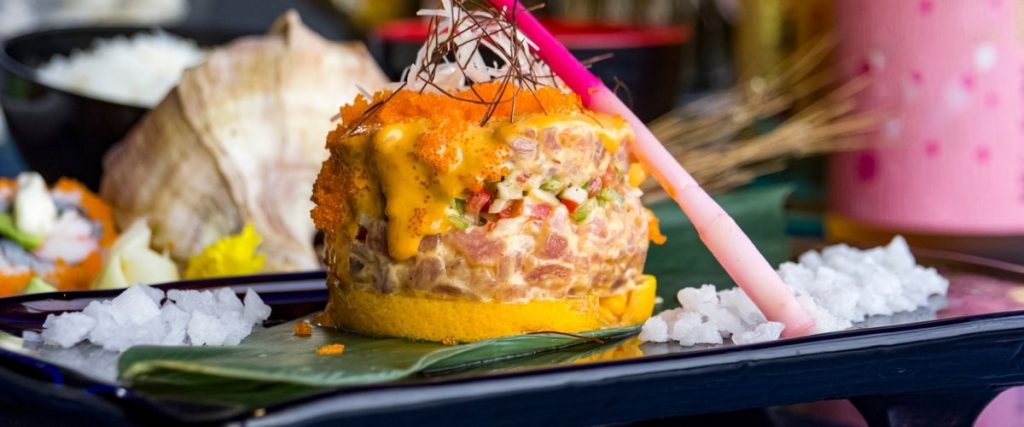
Similarly, Nobu Matsuhisa, a Japanese chef, revolutionized sushi by integrating Peruvian ingredients like aji amarillo (yellow chili) and yuzu with traditional Japanese sushi. His signature dish, the Black Cod Miso, combines miso with a delicate cod, creating a dish that transcends cultural boundaries while maintaining the integrity of both culinary traditions.
2.2 Fusion Cuisine and Street Food
The popularity of fusion cuisine has not been confined to fine dining alone. Street food around the world has also embraced the fusion trend, giving rise to dishes that combine traditional street foods with global influences. This is especially evident in the food truck culture in the United States, where chefs experiment with combining different culinary traditions in a single, convenient serving.
One notable example is the “Korean taco,” a fusion dish that combines Mexican tacos with Korean barbecue. Originating in Los Angeles, this dish is a testament to the multicultural nature of modern cities, where diverse communities come together to share their culinary heritage. The Korean taco is typically made with grilled Korean bulgogi beef, fresh vegetables, and spicy kimchi, all served in a soft corn tortilla, merging the best of both Korean and Mexican cuisines.
Street food in Singapore and Malaysia is another example of fusion cuisine in action. Dishes like Laksa, a spicy noodle soup, blend Chinese and Malay culinary traditions, combining Chinese noodles with a rich coconut milk broth and spicy sambal paste. Similarly, in Hong Kong, the fusion of Cantonese dim sum with Western flavors has led to the creation of unique dishes like egg tarts, which combine British pastry techniques with traditional Chinese fillings.
2.3 The Role of Technology in Fusion Cuisine
Advancements in food technology have also played a role in the evolution of fusion cuisine. Molecular gastronomy, a technique that uses scientific principles to transform food textures and flavors, has opened up new avenues for fusion cooking. Chefs like Ferran Adrià and Heston Blumenthal have used molecular techniques to deconstruct traditional dishes, adding a modern twist that challenges our understanding of food.
For example, in a molecular twist on the classic Caesar salad, Adrià might deconstruct the ingredients—turning the dressing into a foam, transforming the lettuce into a gel, and reinterpreting the croutons as crispy, airy bites. These innovative techniques allow chefs to merge cultural influences in ways that were not previously possible, further pushing the boundaries of fusion cuisine.
3. Key Characteristics of Fusion Cuisine
Fusion cuisine is a delicate balance of creativity and cultural sensitivity. It requires a deep understanding of ingredients, techniques, and the cultural context of the dishes being fused. Below are some of the key characteristics that define fusion cuisine:
3.1 Creative Ingredient Pairing
The essence of fusion cuisine lies in the creative pairing of ingredients from different culinary traditions. The goal is not just to combine ingredients for the sake of novelty, but to find complementary flavors that enhance each other. For example, pairing the heat of Mexican jalapeños with the sweetness of Thai coconut milk creates a balance of flavors that excites the palate. Similarly, combining French pastry techniques with Japanese matcha creates a dessert that marries the richness of French cream with the earthy bitterness of Japanese green tea.
3.2 Culinary Techniques from Different Traditions
Fusion cuisine often involves blending cooking techniques from various culinary traditions. For example, grilling, a technique commonly used in American and Mediterranean cuisines, might be combined with the delicate steaming techniques of Chinese cooking. This approach allows chefs to highlight the best of both worlds, resulting in dishes that are both innovative and grounded in tradition.
3.3 Presentation and Aesthetics
The visual appeal of fusion dishes is also a key component. Just as art is important in other forms of expression, food presentation in fusion cuisine is an essential aspect of the experience. A fusion dish might be presented with vibrant colors, delicate garnishes, and modern plating techniques that reflect the creative spirit of the dish.
4. The Future of Fusion Cuisine
As the world becomes more interconnected, the future of fusion cuisine looks promising. We are likely to see continued experimentation with ingredients, techniques, and cultural influences, resulting in dishes that challenge our understanding of food.
Advances in sustainable food practices, such as plant-based proteins and lab-grown meats, will also play a role in shaping the future of fusion cuisine. Chefs are already beginning to explore how plant-based ingredients can be used in fusion dishes, providing both ethical and environmental benefits.
In addition, as culinary techniques become more advanced and accessible, home cooks will also be able to experiment with fusion cuisine, creating their own unique blends of global flavors. The rise of food blogs, social media platforms, and cooking shows has democratized cooking, enabling anyone with a passion for food to share their fusion creations with the world.
Conclusion
Fusion cuisine represents the perfect synthesis of cultures, flavors, and techniques from around the world. From its origins in ancient trade routes to its modern-day expressions in restaurants and street food stalls, fusion cuisine has continually evolved, shaped by the forces of migration, globalization, and technological innovation. Today, it stands as a testament to the dynamic nature of food, reflecting the interconnected world in which we live.
As culinary artists continue to push the boundaries of traditional cooking, fusion cuisine will remain a vibrant and exciting part of the global food landscape. By blending the best of different culinary traditions, fusion dishes tell the stories of cultural exchange and offer a unique lens through which we can experience the rich diversity of the world’s cuisines.