






Introduction: The Role of a Professional Culinary Guide
A professional culinary guide serves as a comprehensive roadmap for chefs, culinary students, food enthusiasts, and hospitality professionals. It encompasses techniques, ingredient knowledge, kitchen management, flavor development, and presentation skills, all aimed at elevating cooking from mere sustenance to a refined gastronomic experience.
Modern gastronomy demands precision, creativity, and adaptability, making professional culinary guides essential for maintaining consistency, quality, and innovation in both home and professional kitchens. This article delves into the key components of a professional culinary guide, covering core techniques, ingredient mastery, kitchen organization, flavor science, and presentation artistry.
Section 1: Foundations of Professional Cooking
1.1 Culinary Techniques
A professional guide emphasizes core techniques, which form the backbone of sophisticated cooking:
- Knife Skills: Proper slicing, dicing, julienning, and chiffonade techniques for efficiency and presentation.
- Cooking Methods: Mastery of boiling, steaming, roasting, grilling, sautéing, poaching, braising, and sous-vide cooking.
- Sauce Preparation: Fundamentals of mother sauces, emulsions, reductions, and flavored stocks.
- Baking and Pastry: Techniques for dough, custards, meringues, and laminated pastries.
1.2 Ingredient Knowledge
Understanding the nature, seasonality, and interactions of ingredients is essential:
- Proteins: Cuts, grades, and cooking times for meat, poultry, seafood, and plant-based alternatives.
- Vegetables and Fruits: Seasonal selection, texture retention, and nutrient preservation.
- Grains and Legumes: Cooking techniques to enhance digestibility and flavor.
- Spices and Herbs: Usage, pairing principles, and flavor balancing.
1.3 Flavor Profiles
- Recognizing sweet, sour, salty, bitter, umami, and aromatic elements.
- Techniques for layering flavors and achieving harmony and contrast in dishes.
- Understanding how heat, acidity, fat, and seasoning influence flavor perception.
Section 2: Kitchen Organization and Professional Standards
2.1 Mise en Place
- Translating to “everything in its place,” this principle ensures efficient workflow and minimal stress.
- Includes pre-measured ingredients, prepped tools, and clean workspace.
2.2 Kitchen Zones
- Organize the kitchen into zones:
- Preparation Zone: Cutting boards, knives, mixing bowls.
- Cooking Zone: Stoves, ovens, grills, and fryers.
- Plating Zone: Garnishes, sauces, and plating tools.
- Storage Zone: Refrigerators, freezers, and pantry.
2.3 Safety and Hygiene
- Professional guides emphasize food safety, sanitation, and cross-contamination prevention.
- Use of gloves, hairnets, and proper handwashing techniques.
- Regular maintenance of equipment and storage areas.
Section 3: Ingredient Selection and Sourcing
3.1 Local and Seasonal Ingredients
- Prioritize fresh, locally sourced, and seasonal ingredients for optimal flavor and sustainability.
- Understand regional variations and sourcing options.
3.2 Specialty Ingredients
- Incorporate rare or high-end ingredients such as truffles, saffron, or exotic seafood.
- Knowledge of storage, shelf life, and preparation is critical for consistency.
3.3 Substitutions and Flexibility
- Guide includes acceptable alternatives for unavailable or seasonal ingredients.
- Adaptation without compromising taste, texture, or presentation.
Section 4: Flavor Science and Culinary Innovation
4.1 Umami and Flavor Enhancement
- Understanding glutamates, nucleotides, and natural umami sources.
- Techniques for enhancing depth and complexity in dishes.
4.2 Balancing Taste and Texture
- Strategies to combine crispy, tender, creamy, and firm textures.
- Balancing flavors: acidity to cut richness, salt to enhance sweetness, bitterness to create contrast.
4.3 Modern Culinary Techniques
- Sous-vide cooking: Precision temperature control for protein and vegetable perfection.
- Foams, gels, and spherification: Advanced molecular gastronomy techniques.
- Smoke, infusion, and aroma manipulation: Adding depth without excessive fat or salt.
Section 5: Menu Planning and Recipe Development
5.1 Seasonal Menu Design
- Incorporate seasonal produce and align with regional or cultural themes.
- Balance appetizers, mains, sides, and desserts for texture, flavor, and nutritional content.
5.2 Costing and Portion Control
- Track ingredient costs, labor, and portion sizes for profitability.
- Maintain consistency across servings for a professional dining experience.
5.3 Recipe Documentation
- Standardized recipes include ingredient lists, quantities, cooking steps, and plating instructions.
- Enables repeatable results and training consistency for culinary staff.
Section 6: Plating and Presentation
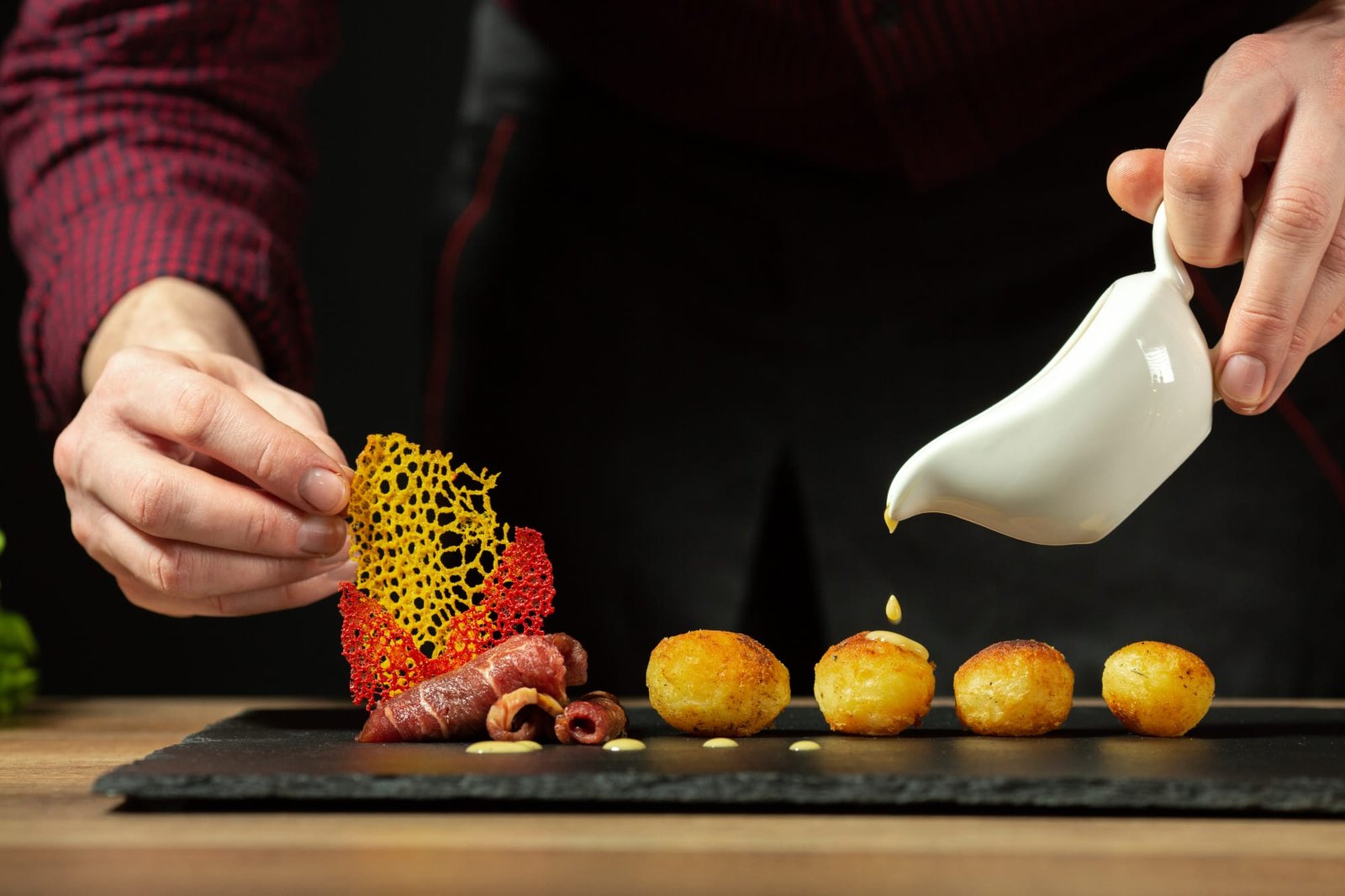
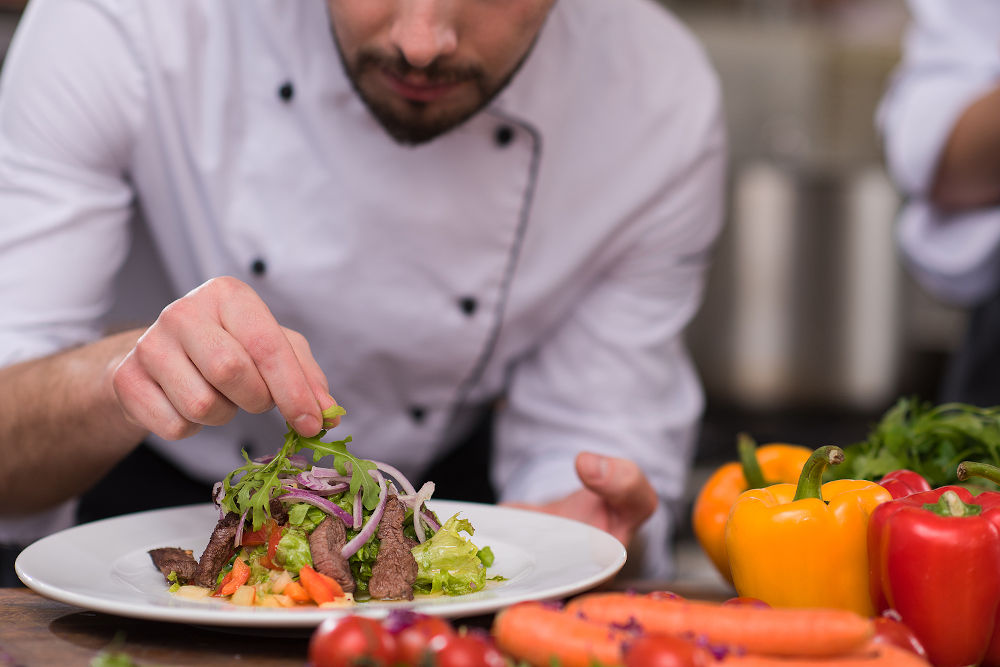
6.1 Visual Appeal
- Techniques include layering, symmetry, height, and color contrast.
- Plate as an art form, with attention to detail.
6.2 Textural Contrast
- Combine crunchy, creamy, and tender elements for a memorable sensory experience.
6.3 Garnishing Techniques
- Use herbs, edible flowers, microgreens, and sauces for enhancement without overcrowding.
6.4 Plateware Selection
- Choose plates and bowls that complement portion size, color palette, and dish style.
- Consider seasonal or thematic presentation for dining impact.
Section 7: Beverages and Pairing
7.1 Wine Pairing Principles
- Match acidity, body, sweetness, and flavor intensity with dishes.
- Balance between protein richness and wine tannins.
7.2 Non-Alcoholic Pairing
- Explore herbal infusions, flavored waters, teas, and artisanal sodas.
- Consider temperature, sweetness, and texture for complementary flavors.
7.3 Culinary Integration
- Pairing extends to sauces, seasoning, and presentation, enhancing overall dining experience.
Section 8: Advanced Culinary Skills
8.1 Butchery and Filleting
- Mastery of meat, poultry, and fish cuts.
- Techniques for trimming, portioning, and minimizing waste.
8.2 Baking and Confectionery
- Precision in temperature, timing, and ingredient ratios.
- Techniques for lamination, proofing, tempering chocolate, and sugar work.
8.3 Fermentation and Preservation
- Knowledge of pickling, curing, smoking, and fermenting to enhance flavor and shelf life.
8.4 International Cuisine Mastery
- Exposure to global cooking styles, traditional techniques, and flavor profiles.
- Adapting dishes to local ingredients while maintaining authenticity.
Section 9: Culinary Technology and Modern Tools
9.1 Precision Cooking Devices
- Use of immersion circulators, thermal ovens, and induction cooktops for accurate control.
9.2 Digital Recipe Management
- Apps and software streamline recipe storage, scaling, and nutritional calculation.
9.3 Smart Kitchen Integration
- Inventory tracking, automated reminders, and IoT appliances enhance efficiency and consistency.
9.4 Culinary Robotics
- Emerging technologies for precision cutting, mixing, and plating in high-volume kitchens.
Section 10: Training and Skill Development
10.1 Apprenticeships and Mentorship
- Hands-on learning under experienced chefs to develop practical expertise.
10.2 Continuing Education
- Workshops, online courses, and culinary schools for mastering new techniques.
10.3 Taste Development
- Practice sensory evaluation, ingredient recognition, and flavor pairing.
10.4 Creativity and Innovation
- Encouraging experimentation with textures, flavors, and presentation.
Section 11: Sustainability and Ethical Practices
11.1 Ingredient Sourcing
- Prioritize local, organic, and sustainably harvested ingredients.
11.2 Reducing Food Waste
- Plan menus and storage to minimize spoilage and leftovers.
11.3 Energy Efficiency
- Use energy-saving appliances and optimized cooking schedules.
11.4 Ethical Considerations
- Respect animal welfare, fair trade, and environmentally conscious sourcing.
Section 12: The Professional Culinary Experience
12.1 Hospitality and Service
- Culinary guides emphasize timing, plating, and coordination with service staff.
- Presentation, flavor, and temperature all contribute to guest satisfaction.
12.2 Consistency Across Dishes
- Standardized methods ensure every plate meets quality expectations.
12.3 Feedback and Improvement
- Incorporate customer feedback and tasting sessions to refine techniques and menus.
12.4 Culinary Storytelling
- Connect dishes with cultural, historical, and regional narratives to enhance dining experience.
Section 13: Conclusion: The Value of a Professional Culinary Guide
A professional culinary guide is a comprehensive framework for mastering the art and science of cooking. It provides a structured approach to techniques, ingredients, flavor development, and presentation, while incorporating modern tools, technology, and sustainability practices.
Key takeaways include:
- Mastery of core cooking techniques and ingredient knowledge.
- Efficient kitchen organization, workflow, and safety practices.
- Understanding of flavor science, pairing, and menu planning.
- Integration of modern tools, technology, and sustainability principles.
- Continuous development through training, experimentation, and innovation.
By following a professional culinary guide, chefs and food enthusiasts can elevate cooking from routine to artistry, creating meals that are technically precise, nutritionally balanced, and visually captivating, while respecting tradition and embracing modern innovation.