









How Place, Memory, and Terroir Are Reshaping Contemporary Food Culture
Introduction: When Food Finds Its Way Home
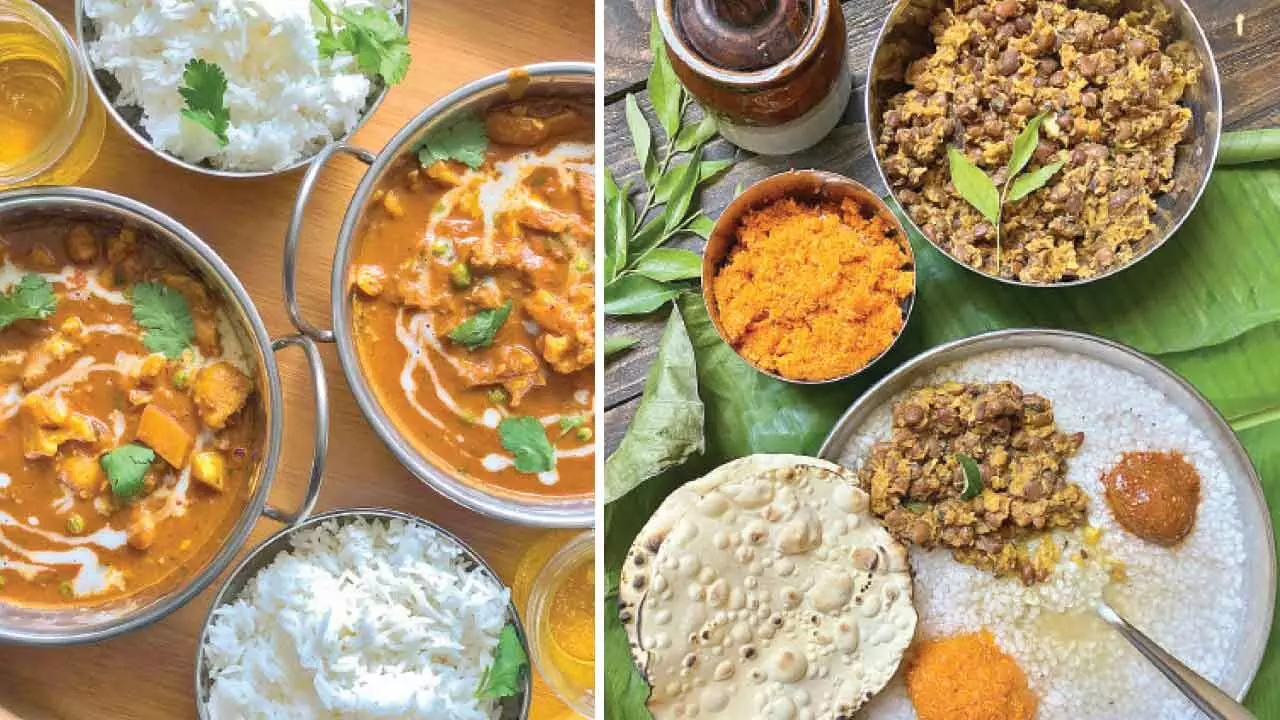
In an era defined by globalization, speed, and standardization, food once seemed destined to become placeless. International supply chains made identical ingredients available everywhere; global restaurant brands offered the same menus across continents; and culinary trends spread instantly through digital media. Yet paradoxically, this very homogenization has ignited a powerful counter-movement: the return of regional identity and local flavors.
Across the world, chefs, producers, and consumers are rediscovering the value of food rooted in specific places. Regional cuisines—once dismissed as rustic, outdated, or commercially unviable—are being reexamined, revalued, and reinterpreted. Local ingredients, dialects of taste, and inherited techniques are no longer obstacles to modernity; they are becoming its most compelling expressions.
This article explores why regionality and local flavor are returning to the center of food culture. It examines the historical forces that led to their marginalization, the social and economic dynamics driving their revival, and the implications for sustainability, identity, and the future of gastronomy. More than a trend, this movement represents a reorientation of values, placing place-based knowledge and cultural specificity back at the heart of what—and how—we eat.
1. Understanding Regionality in Food
1.1 What Does “Regional” Really Mean?
Regional food is often misunderstood as simply “local.” In reality, it is more complex. Regionality encompasses:
- Geography: climate, soil, altitude, and water
- Ecology: native plants, animals, and biodiversity
- Culture: history, migration, religion, and social structure
- Technique: methods developed in response to local conditions
A regional cuisine is therefore not a static collection of recipes, but a living system shaped by long-term interaction between people and place.
1.2 Local Flavor as Cultural Language
Flavor functions like a language. It encodes memory, identity, and belonging. Regional flavors—whether a particular spice blend, fermentation note, or cooking fat—carry meanings that go beyond taste. They communicate who people are, where they come from, and how they relate to their environment.
The return to local flavor is, in this sense, a return to cultural literacy through food.
2. How Regional Cuisines Were Marginalized
2.1 Industrialization and Standardization
The industrialization of food production prioritized uniformity, scalability, and shelf stability. Ingredients and dishes that could not be standardized were often sidelined. Regional variation—once a strength—became a logistical challenge.
As a result:
- Local crops were replaced by high-yield varieties
- Traditional processing methods were abandoned
- Regional tastes were labeled inefficient or unsophisticated
2.2 The Prestige Hierarchy of Cuisine
For much of the 20th century, global culinary prestige was shaped by a narrow set of standards, often rooted in Western fine dining traditions. Many regional cuisines were undervalued unless they were “refined” to fit these frameworks.
This dynamic created a divide between:
- “High” cuisine, associated with technique and presentation
- “Everyday” or “ethnic” food, associated with tradition and informality
The revival of regional food challenges this hierarchy directly.
3. Globalization’s Paradox: Why Local Is Returning
3.1 Homogeneity Fatigue
As global food options expanded, they also began to converge. The same ingredients, cooking styles, and aesthetics appeared everywhere. Over time, diners experienced homogeneity fatigue—a sense that food had lost its distinctiveness.
Regional flavors offer contrast. They provide specificity in a world of sameness, satisfying a growing desire for experiences that feel rooted rather than replicated.
3.2 Mobility and Identity
Global mobility has made questions of identity more complex. Migration, urbanization, and digital connectivity blur traditional boundaries. In this context, regional food becomes a tangible anchor—a way to maintain continuity amid change.
Eating local flavors is not only about nostalgia; it is about reasserting identity in a fluid world.
4. Terroir Beyond Wine: A Broader Framework
4.1 Expanding the Concept of Terroir
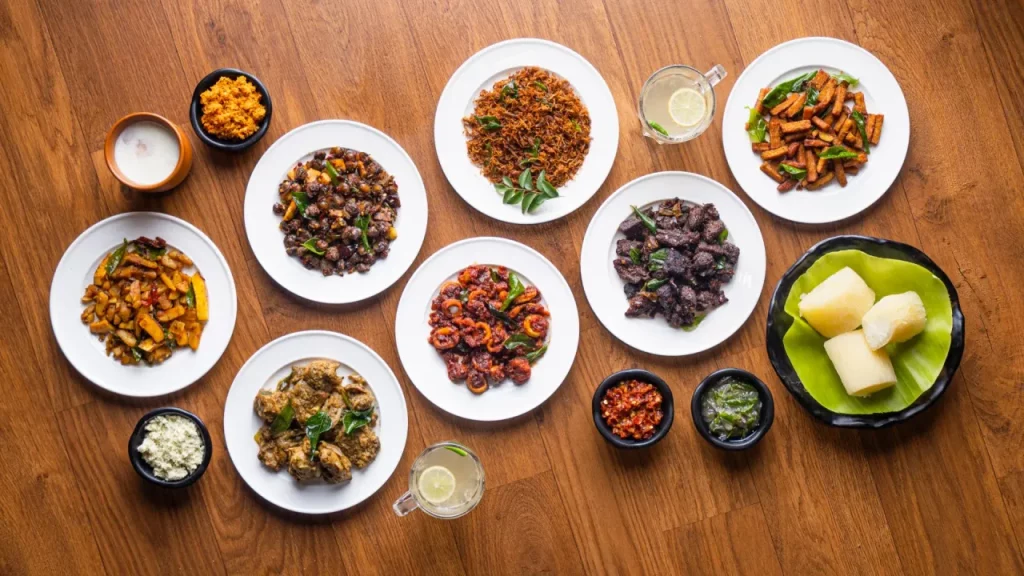
Originally used to describe wine, terroir refers to how environmental factors shape flavor. Today, the concept is applied more broadly to cheese, grains, vegetables, meat, and even fermentation cultures.
Terroir highlights that:
- Flavor is not universal
- Ingredients express their environment
- Place matters as much as technique
This perspective reinforces the value of regional ingredients and discourages interchangeable sourcing.
4.2 Terroir as Knowledge System
Understanding terroir requires local knowledge—when to harvest, how to process, how to cook. Reviving terroir therefore means reviving embedded expertise, often passed down through generations.
5. Chefs as Interpreters of Place
5.1 From Global Stars to Local Storytellers
The contemporary chef is increasingly seen not just as a creator, but as an interpreter of place. Rather than showcasing personal ego or global trends, many chefs now position themselves as mediators between landscape and diner.
This shift involves:
- Sourcing locally and seasonally
- Highlighting lesser-known ingredients
- Preserving traditional techniques
The chef becomes a cultural translator, making regional food legible to modern audiences.
5.2 Innovation Without Erasure
Importantly, the return to regionality does not reject innovation. Instead, it reframes it. Innovation becomes meaningful when it extends tradition rather than replacing it.
Modern tools and ideas are used to clarify, preserve, or adapt local flavors—not to overwrite them.
6. Indigenous and Ancestral Foodways
6.1 Reclaiming Suppressed Cuisines
In many regions, indigenous food systems were marginalized through colonization, land displacement, and cultural assimilation. The current revival often includes deliberate efforts to reclaim these traditions.
This process involves:
- Restoring native ingredients
- Reviving traditional farming methods
- Recognizing indigenous intellectual property
Food becomes a medium of cultural restoration and political recognition.
6.2 Ethical Engagement With Heritage
The resurgence of indigenous flavors also raises ethical questions. Who has the right to represent these cuisines? How are benefits shared? Responsible revival requires collaboration, credit, and community leadership.
7. Regional Ingredients and Biodiversity
7.1 Flavor Diversity as Ecological Asset
Regional cuisines are closely tied to biodiversity. Traditional diets often include a wide range of species adapted to local ecosystems. When these diets disappear, so does the incentive to preserve that biodiversity.
By valuing regional flavors, food systems:
- Support diverse crops and breeds
- Reduce reliance on monocultures
- Enhance ecological resilience
Flavor diversity and ecological health are deeply connected.
7.2 Seed Sovereignty and Local Varieties
The revival of regional food often includes renewed interest in local seed varieties. These seeds carry genetic adaptations developed over centuries and are crucial for climate resilience.
Protecting them is not only an agricultural issue, but a cultural one.
8. Fermentation, Preservation, and Time
8.1 Techniques Born of Necessity
Many regional flavors are inseparable from preservation techniques developed before modern refrigeration: fermentation, drying, curing, pickling. These methods created distinctive tastes while ensuring food security.
Today, they are being rediscovered not as survival strategies, but as expressions of time and place.
8.2 Slowness as Value
Regional food traditions often operate on seasonal and long-term rhythms. In contrast to instant availability, they emphasize waiting, transformation, and patience. This temporal dimension resonates with contemporary movements that value slowness and intentionality.
9. Regionality in Urban Contexts
9.1 Cities as Convergence Points
Cities are often seen as enemies of regionality, yet they can also be powerful platforms for its revival. Urban markets, restaurants, and community kitchens bring rural flavors to diverse audiences.
Through cities:
- Regional foods gain visibility
- Producers access new markets
- Cultural exchange intensifies
Urban regionalism is not about isolation, but connection.
9.2 Migrant Communities and Hybrid Identities
Migration reshapes regional flavors. When people move, they adapt traditional dishes to new environments, creating hybrid forms that are still deeply regional—just in a new context.
These evolving cuisines demonstrate that regional identity is dynamic, not fixed.
10. The Economics of Local Flavor
10.1 Shorter Supply Chains, Stronger Communities
Regional food systems often rely on shorter supply chains, which can:
- Increase transparency
- Keep value within communities
- Strengthen producer–consumer relationships
Economic resilience becomes intertwined with cultural preservation.
10.2 Challenges of Scalability
However, regional food faces economic challenges:
- Higher production costs
- Limited volumes
- Market access barriers
Balancing authenticity with financial viability requires supportive policy, cooperative models, and informed consumers.
11. Media, Storytelling, and Representation
11.1 Narratives That Restore Context
Food media plays a crucial role in the return of regionality. When stories focus on origins, people, and processes—not just dishes—they restore context to flavor.
Good storytelling resists simplification and allows regional cuisines to be understood on their own terms.
11.2 Avoiding Exoticism
There is a fine line between celebration and exoticization. Responsible representation avoids turning regional food into spectacle, instead emphasizing continuity, everyday use, and lived experience.
12. Education and Knowledge Transmission
12.1 Learning From Elders and Practitioners
Much regional knowledge is oral and experiential. Preserving it requires intergenerational exchange—learning by doing, tasting, and observing.
Culinary education that values regionality incorporates:
- Fieldwork
- Apprenticeship
- Community engagement
12.2 Integrating Regional Knowledge Into Formal Systems
When regional foodways enter schools, archives, and institutions, they gain protection and legitimacy. Documentation, however, must respect context and avoid freezing living traditions.
13. Regionality and Sustainability
13.1 Environmental Alignment
Regional food systems are often inherently more sustainable because they evolved within environmental limits. Seasonal eating, local sourcing, and minimal processing reduce ecological strain.
Sustainability, in this sense, is not a new invention but a rediscovered alignment.
13.2 Cultural Sustainability
Sustainability is also cultural. A food system that erases identity is not sustainable, even if it is efficient. Regionality ensures that food remains meaningful, not just functional.
14. The Risks of Romanticization
14.1 Not All Traditions Are Ideal
While regional food deserves respect, it should not be idealized uncritically. Some traditions emerged from hardship or inequality and may require adaptation.
Revival should involve reflection, not blind preservation.
14.2 Guarding Against Commercial Dilution
As regional flavors gain popularity, there is a risk of dilution—simplifying complex traditions for mass appeal. Maintaining integrity requires clear standards, education, and community involvement.
15. The Future: Pluralism Over Uniformity
The return of regional identity does not mean rejecting global exchange. Instead, it points toward a pluralistic food culture where many local systems coexist, interact, and evolve.
In such a future:
- Global techniques support local expression
- Technology documents and protects tradition
- Diversity becomes strength, not inefficiency
Conclusion: Eating With a Sense of Place
The return of regionality and local flavor signals a deeper shift in how societies understand progress. Rather than moving away from the past, food culture is learning to move forward with memory intact.
Regional cuisines remind us that flavor is not abstract. It is shaped by soil, weather, history, and human care. When we eat with an awareness of place, we participate in a larger story—one that connects environment, culture, and community.
In reclaiming local flavors, contemporary food culture is not retreating from modernity. It is redefining it—choosing depth over sameness, meaning over scale, and connection over convenience. In a world that often feels increasingly detached, regional food offers something profoundly grounding: the taste of belonging.