









Introduction: From Sustenance to Spectacle
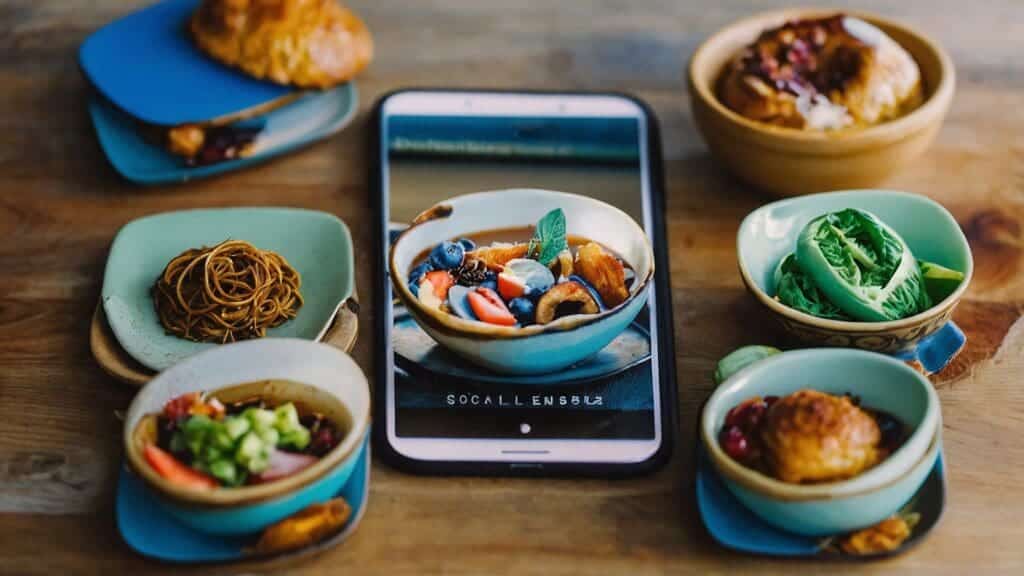
Food has always carried meaning beyond nutrition. It signals belonging, status, ritual, memory, and care. Yet in the last decade, food has undergone a dramatic transformation: it has become one of the most visually mediated cultural objects of our time. On platforms such as Instagram, TikTok, YouTube, and Xiaohongshu (RED), food is no longer merely eaten—it is staged, edited, narrated, branded, and circulated. This phenomenon can be described as social media–driven food aesthetics: a system in which the visual, symbolic, and algorithmic logic of social platforms reshapes how food is produced, presented, valued, and consumed.
This article examines that system in depth. It explores the historical roots of food aesthetics, the technological affordances of social media, the psychological mechanisms behind engagement, the economic structures that reward certain visuals, and the cultural consequences—both creative and problematic—of turning meals into media. Rather than treating food trends as superficial fads, this analysis positions them as serious cultural signals that reveal how digital life reorganizes taste, identity, and everyday behavior.
1. The Evolution of Food Aesthetics: A Brief Context
1.1 Pre-Digital Food Representation
Before social media, food aesthetics were shaped primarily by:
- Culinary traditions (plating styles rooted in regional history)
- Print media (cookbooks, magazines, advertisements)
- Fine dining culture (especially French and later molecular gastronomy)
Visual presentation mattered, but access to food imagery was limited and curated by professionals—chefs, photographers, editors. The audience was largely passive.
1.2 The Digital Shift
The arrival of smartphones with high-quality cameras and the rise of image-first platforms changed everything:
- Everyone became a potential food documentarian.
- Food imagery shifted from instructional (recipes) to performative (lifestyle).
- Speed, novelty, and shareability became more important than culinary depth.
Social media did not simply amplify food aesthetics; it redefined the criteria of what counts as “good-looking food.”
2. Platform Logics and the Aestheticization of Food
Each platform has its own technical and cultural logic, which directly shapes food aesthetics.
2.1 Instagram: Curated Perfection
Instagram favors:
- Clean compositions
- Consistent color palettes
- Minimalist or luxury vibes
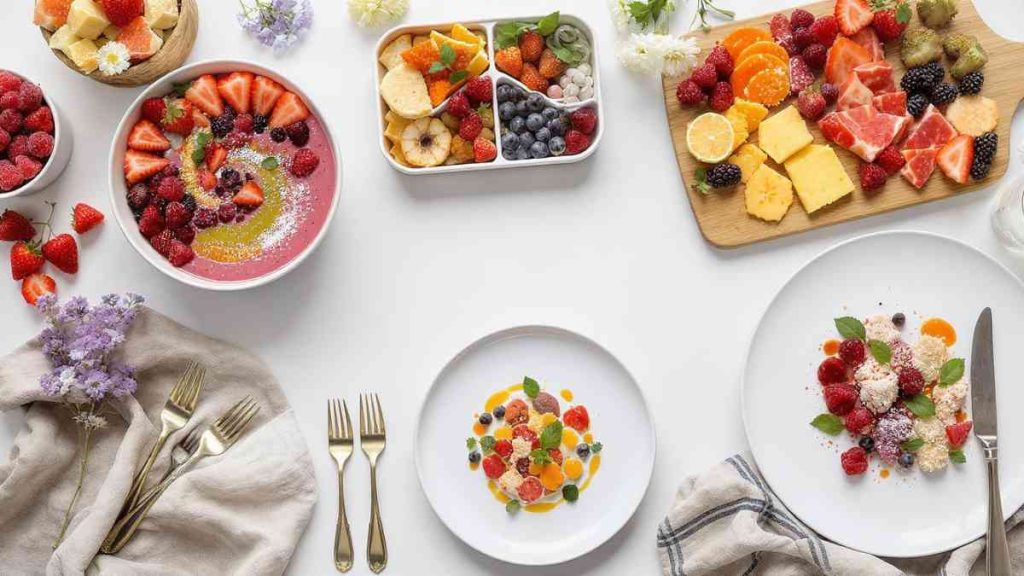
- Flat lays, overhead shots, soft lighting
This has led to:
- The dominance of pastel desserts, smoothie bowls, latte art
- “Instagrammable” cafés designed primarily as photo backdrops
- Aesthetic homogeneity across global cities
Food on Instagram often communicates taste as identity: what you eat signals who you are.
2.2 TikTok: Process, Performance, and Pleasure
TikTok shifts attention from static beauty to:
- Motion (melting cheese, pouring sauces)
- Sound (crunch, sizzle, ASMR)
- Transformation (before/after cooking)
This has popularized:
- Comfort foods with exaggerated textures
- “Recipe hacks” and simplified cooking
- Visually dramatic but sometimes nutritionally questionable dishes
Here, food becomes entertainment, optimized for watch time rather than elegance.
2.3 Regional Platforms and Cultural Hybridity
Platforms like Xiaohongshu or YouTube Shorts blend:
- Lifestyle storytelling
- Educational content
- Commercial recommendations
They often localize global trends, producing hybrid aesthetics that mix traditional cuisines with global visual styles—matcha croissants, sushi burritos, chili oil pasta.
3. Algorithms, Attention, and the Logic of Visibility
3.1 How Algorithms Shape Taste
Algorithms reward content that:
- Generates rapid engagement
- Is easily understood within seconds
- Triggers emotional responses (comfort, desire, surprise)
As a result, food that performs well online tends to be:
- Visually extreme (very colorful, very indulgent)
- Familiar but slightly novel
- Easy to replicate and remix
Over time, this creates a feedback loop: creators imitate what performs well, narrowing aesthetic diversity.
3.2 The Compression of Culinary Complexity
Complex flavors and subtle techniques are difficult to convey visually. Algorithms therefore favor:
- Visual shortcuts (cheese pulls instead of balanced sauces)
- Quantifiable abundance (oversized portions)
- Repetition of recognizable formats
This does not mean complexity disappears, but it is often hidden beneath spectacle.
4. Psychological Mechanisms: Why We Can’t Look Away
4.1 Visual Hunger and Anticipatory Pleasure
Seeing food activates reward pathways in the brain. Social media intensifies this by:
- Offering endless streams of food imagery
- Separating desire from consumption
- Creating “visual snacking” habits
Users may scroll through food content without eating, yet still experience pleasure.
4.2 Social Comparison and Identity Construction
Food posts function as:
- Signals of lifestyle (healthy, indulgent, cultured, trendy)
- Tools of self-branding
- Markers of social belonging
This can motivate creativity, but also:
- Anxiety about eating “correctly”
- Pressure to perform wellness or luxury
- Fear of missing out on trends
5. The Economics of Food Aesthetics
5.1 Influencers, Sponsorships, and Monetization
Food aesthetics are deeply tied to commerce:
- Sponsored posts promote restaurants, products, supplements
- Visual appeal often outweighs transparency
- Aesthetic consistency becomes a business asset
Influencers may prioritize:
- Foods that photograph well
- Brands that align with their visual identity
- Trends that maximize reach
5.2 Restaurants Designed for the Camera
Many modern restaurants now consider:
- Lighting optimized for photos
- Signature “viral” dishes
- Interior design aligned with platform trends
In some cases, photogenic value rivals taste as a success metric.
6. Cultural Consequences: Globalization and Homogenization
6.1 The Global Spread of Aesthetic Norms
Social media accelerates the global circulation of food styles:
- Korean street food visuals appear worldwide
- Matcha, boba, and croissants become global symbols
- Traditional dishes are re-plated to fit global aesthetics
This creates opportunities for cultural exchange—but also risks flattening diversity.
6.2 Loss and Reinvention of Tradition
Some traditional foods are:
- Simplified for visual clarity
- Modified to fit trend cycles
- Detached from their cultural context
At the same time, social media can:
- Revive forgotten recipes
- Give visibility to marginalized cuisines
- Allow younger generations to reinterpret heritage
The outcome depends on who controls the narrative.
7. Health, Ethics, and Responsibility
7.1 The Aestheticization of “Health”
Wellness food aesthetics often emphasize:
- Clean lines
- Neutral colors
- Minimalism
While visually calming, they can:
- Promote unrealistic body or eating ideals
- Oversimplify nutrition
- Create moral hierarchies around food
7.2 Ethical Eating as Visual Performance
Sustainability, veganism, and ethical consumption are increasingly aestheticized:
- Earth-toned palettes
- Rustic textures
- “Authentic” storytelling
This visibility can raise awareness, but also risks turning ethics into branding rather than practice.
8. Resistance and Alternative Aesthetics
8.1 Anti-Aesthetic and “Ugly Food” Movements
Some creators intentionally reject polish:
- Messy plates
- Imperfect lighting
- Honest, everyday meals
These approaches challenge:
- Algorithmic norms
- Perfection culture
- The idea that food must be performative
8.2 Slow Food in a Fast Media World
Long-form content, newsletters, and community-based platforms allow:
- Deeper storytelling
- Context-rich food narratives
- Emphasis on process over spectacle
They represent a countercurrent to rapid trend cycles.
9. The Future of Social Media Food Aesthetics
9.1 Emerging Technologies
New tools will further reshape food aesthetics:
- AI-generated food imagery
- Augmented reality menus
- Virtual influencers and synthetic meals
These developments raise questions about:
- Authenticity
- Trust
- The boundary between food and fiction
9.2 Toward a More Reflective Food Culture
A more balanced future may involve:
- Media literacy around food content
- Diverse aesthetic representations
- Greater emphasis on context, culture, and care
Food can be beautiful without being reductive.
Conclusion: Beyond the Plate, Beyond the Screen
Social media–driven food aesthetics are not a trivial trend; they are a powerful cultural system that shapes how we see, value, and relate to food. By translating meals into images and experiences optimized for platforms, social media has expanded creativity and access—but also introduced new pressures, inequalities, and distortions.
Understanding this system allows us to engage with food content more consciously: to appreciate beauty without mistaking it for truth, to enjoy trends without losing tradition, and to remember that behind every image is a complex web of labor, culture, and meaning.
In the end, food is still meant to be eaten, shared, and lived—not just liked.