









Introduction
In today’s fast-paced lifestyle, people increasingly seek meals that are both time-efficient and nutritionally balanced. The traditional perception of “fast food” often evokes high calories, low nutrients, and minimal dietary value. However, the modern culinary movement emphasizes that speed in cooking does not need to compromise health.
Quick recipes—also referred to as “fast-cooking meals”—are designed for busy professionals, students, families, and health-conscious individuals. They combine efficient cooking techniques, high-quality ingredients, and balanced nutrition, enabling people to maintain wellness, energy, and convenience simultaneously.
This article explores the principles, techniques, trends, and practical applications of quick, healthy recipes. It also examines meal planning, nutrient optimization, global inspirations, technology integration, and future directions, providing a comprehensive guide for chefs, nutritionists, and home cooks.
1. The Need for Fast and Healthy Cooking
1.1 Modern Lifestyle Challenges
- Urbanization and demanding work schedules leave limited time for meal preparation.
- Convenience often leads to reliance on processed foods, delivery services, and prepackaged meals, which may lack nutritional balance.
- Rising health awareness has created a demand for fast meals that support wellness goals.
1.2 Health Implications
- Poor dietary habits can result in weight gain, nutrient deficiencies, and chronic conditions such as diabetes and cardiovascular disease.
- Quick, healthy meals allow individuals to meet protein, fiber, and micronutrient needs without sacrificing time.
1.3 Advantages of Quick, Healthy Recipes
- Reduce reliance on processed convenience foods
- Support weight management, muscle maintenance, and energy levels
- Promote family-friendly meal solutions
- Minimize food waste through proper planning and ingredient use
2. Nutritional Foundations
2.1 Macronutrient Balance
- Proteins: Essential for muscle maintenance, satiety, and metabolism
- Lean meats: chicken, turkey, fish
- Plant-based proteins: tofu, tempeh, legumes
- Dairy and eggs: Greek yogurt, low-fat cheese
- Carbohydrates: Prefer complex carbs for sustained energy
- Whole grains: quinoa, brown rice, oats
- Legumes and starchy vegetables: sweet potatoes, chickpeas
- Fats: Focus on healthy unsaturated fats
- Olive oil, nuts, seeds, avocado
2.2 Micronutrients and Fiber
- Vegetables and fruits provide vitamins, minerals, antioxidants, and fiber
- Fiber enhances satiety, digestive health, and blood sugar regulation
- Quick meals should include at least one vegetable serving per meal
2.3 Caloric Considerations
- Quick meals should be energy-appropriate, supporting weight maintenance or loss
- Portion control and nutrient-dense ingredients are key to avoiding calorie overload
3. Principles of Healthy Quick Recipes
3.1 Minimal Ingredients
- Recipes with 5–10 ingredients reduce preparation time and complexity
- Focus on versatile, nutrient-dense items
3.2 Efficient Cooking Techniques
- Stir-frying, steaming, sautéing, grilling, microwaving, and one-pot meals
- Techniques preserve nutrients while enhancing flavor
3.3 Balanced Composition
- Combine protein, fiber, and healthy fats in each meal
- Include seasonal vegetables and fruits to boost micronutrient intake
3.4 Flavor Enhancement
- Use herbs, spices, citrus, and low-calorie sauces to maximize taste without adding unhealthy fats or sugars
- Example: garlic, ginger, turmeric, paprika, lemon juice
4. Categories of Fast and Healthy Recipes
4.1 Stir-Fries and Skillet Meals
- Combine protein with a variety of vegetables
- High heat cooking reduces nutrient loss and retains crisp texture
- Examples:
- Chicken and broccoli stir-fry with garlic and ginger
- Tofu and mixed vegetable sauté with soy sauce and sesame oil
4.2 One-Pot and Sheet-Pan Meals
- Simplify cooking and cleanup
- Allow proteins, grains, and vegetables to cook together
- Examples:
- Sheet-pan salmon with asparagus, carrots, and cherry tomatoes
- One-pot lentil stew with kale, sweet potatoes, and herbs
4.3 Salads and Bowls
- Combine leafy greens, lean proteins, and healthy grains
- Dress with light vinaigrettes or yogurt-based sauces
- Examples:
- Quinoa bowl with chickpeas, spinach, cherry tomatoes, and lemon-tahini dressing
- Mixed greens with grilled shrimp, avocado, and roasted vegetables
4.4 Smoothies and Quick Snacks
- Nutrient-dense, portable options
- Examples:
- Spinach, banana, and protein powder smoothie
- Greek yogurt parfait with berries, seeds, and nuts
5. Meal Planning and Preparation
5.1 Batch Cooking
- Cook proteins and vegetables in bulk
- Store in airtight containers for 3–5 days
- Allows assembly of fast, healthy meals throughout the week
5.2 Pantry Staples
- Keep grains, legumes, nuts, seeds, spices, and condiments ready
- Reduces preparation time for on-demand quick recipes
5.3 Seasonal and Local Ingredients
- Reduces cost and improves flavor and nutrient quality
- Supports sustainable eating habits
5.4 Time-Saving Tips
- Pre-chop vegetables
- Use frozen vegetables when fresh options are unavailable
- Prepare sauces or dressings in advance
6. Global Inspirations
6.1 Mediterranean Influence
- Emphasizes olive oil, vegetables, legumes, fish, and lean meats
- Quick options:
- Greek salad with grilled chicken and chickpeas
- Pan-seared fish with sautéed spinach and tomatoes
6.2 Asian Cuisine
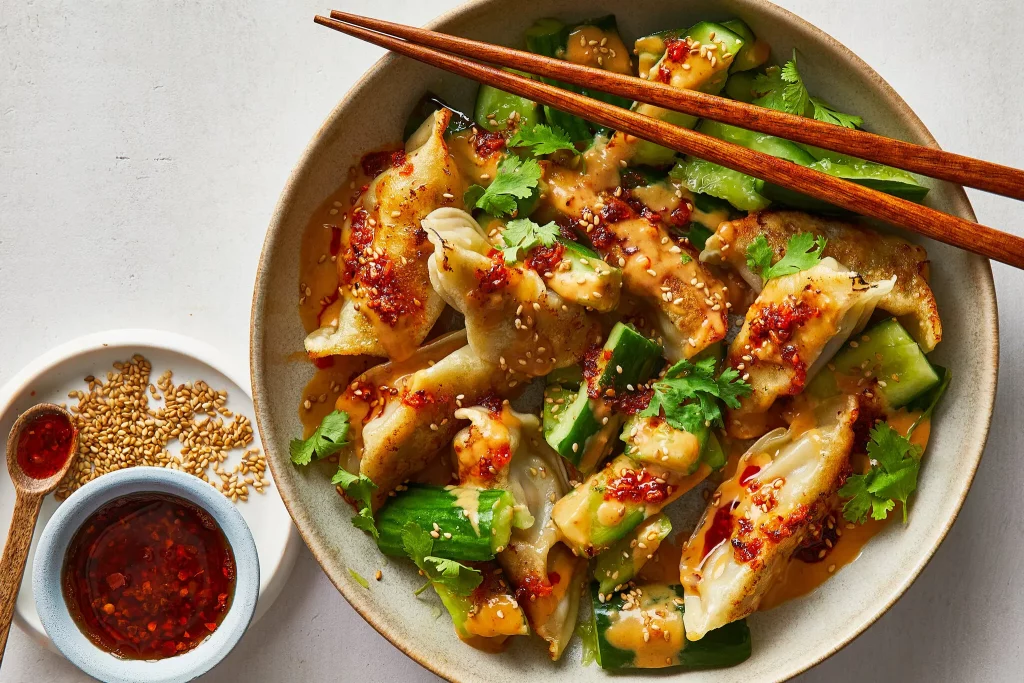
- Stir-frying, steaming, and using light sauces
- Quick meals:
- Tofu and bok choy stir-fry
- Shrimp and vegetable rice noodles
6.3 Latin American Influence
- Beans, corn, peppers, and lean proteins
- Examples:
- Black bean and corn salad with grilled chicken
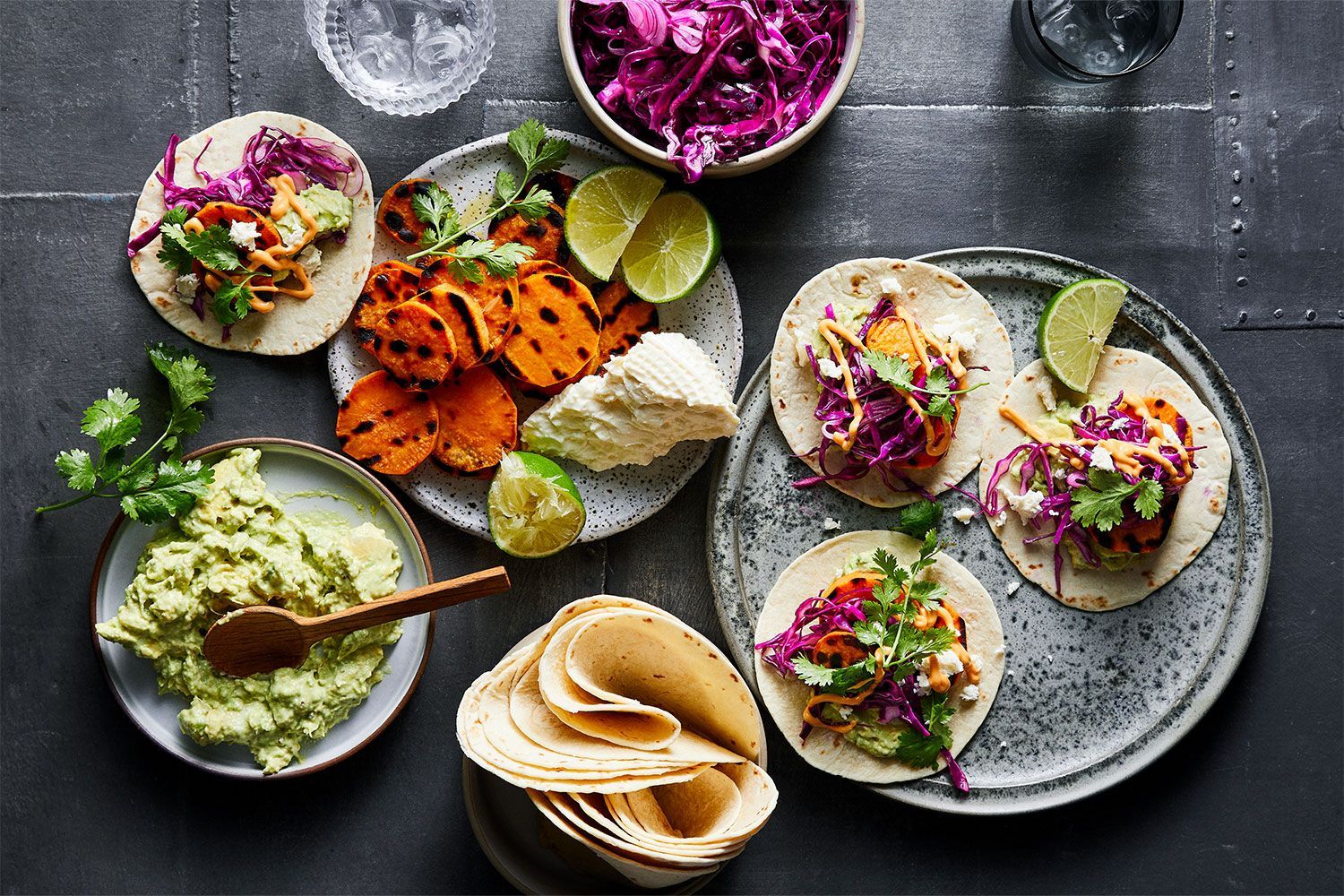
- Vegetable tacos with avocado and salsa
7. Technology and Smart Cooking
7.1 Recipe Apps
- Apps like Tasty, Yummly, and Mealime provide quick, healthy recipe suggestions
- Filter by dietary needs, prep time, and available ingredients
7.2 Smart Appliances
- Air fryers, pressure cookers, and induction cooktops accelerate cooking
- Preserve nutrients while reducing active cooking time
7.3 AI Meal Planning
- AI can suggest recipes based on pantry inventory, nutritional goals, and time constraints
- Reduces decision fatigue and enhances meal efficiency
8. Case Studies of Quick Healthy Meals
8.1 Breakfast Options
- Veggie omelet with spinach, mushrooms, and tomatoes
- Smoothie with banana, spinach, Greek yogurt, and protein powder
- Overnight oats with chia seeds, berries, and almond butter
8.2 Lunch and Dinner
- Grilled chicken with quinoa and roasted vegetables
- Lentil and vegetable stew with kale and carrots
- Shrimp stir-fry with snow peas, bell peppers, and brown rice
8.3 Snacks
- Roasted chickpeas with paprika and garlic
- Veggie sticks with hummus
- Greek yogurt with nuts and fruit
9. Challenges and Solutions
9.1 Balancing Flavor and Health
- Avoid blandness by using herbs, spices, and umami-rich ingredients
- Roasting, grilling, or sautéing vegetables enhances flavor
9.2 Ingredient Availability
- Frozen or canned vegetables can substitute fresh produce
- Use legumes and grains as versatile protein sources
9.3 Time Management
- Pre-chopping, batch cooking, and using smart appliances save significant time
- Meal prep can reduce daily cooking time to 10–15 minutes per meal
9.4 Maintaining Nutrient Density
- Avoid overcooking
- Use steaming or brief sautéing to preserve heat-sensitive vitamins
10. Future Trends
10.1 Plant-Based Quick Recipes
- Growth of vegan proteins like tofu, tempeh, legumes, and pea protein
- Plant-based quick meals are nutrient-dense and calorie-conscious
10.2 Functional Foods
- Incorporating superfoods, adaptogens, and probiotics
- Example: spinach and kale for antioxidants, miso for probiotics
10.3 Meal Kits
- Portion-controlled, ready-to-cook kits support time-efficient healthy cooking
- Reduce decision fatigue and ensure balanced nutrition
10.4 Sustainability
- Focus on seasonal produce, minimal waste, and eco-friendly packaging
- Encourages responsible, healthy eating
Conclusion
Quick recipes do not have to compromise health. By combining efficient cooking techniques, nutrient-dense ingredients, and thoughtful meal planning, individuals can enjoy fast, satisfying, and balanced meals.
Key principles include:
- Minimalist ingredient lists
- Time-saving techniques like stir-frying, steaming, and sheet-pan meals
- Balanced nutrition with proteins, fiber, and healthy fats
- Flavor enhancement using herbs, spices, and smart cooking methods
The integration of technology, AI, smart appliances, and global culinary inspirations ensures that fast meals can be healthy, delicious, and convenient. As lifestyles continue to accelerate, quick, healthy recipes will remain a cornerstone of modern home cooking, supporting wellness, efficiency, and sustainability.