









Introduction: Why Sustainability and Health Now Converge
Food sits at the intersection of personal well-being and planetary health. What we choose to eat influences our energy levels, growth, and long-term wellness, while simultaneously shaping land use, water systems, biodiversity, and climate outcomes. For much of modern history, nutrition science and environmental stewardship were treated as separate conversations. Today, they are inseparable.
Sustainable and healthy dietary choices represent a holistic approach to eating—one that aims to nourish individuals while reducing ecological strain and supporting resilient food systems. This is not a call for rigid rules or moralized eating. Rather, it is an invitation to align daily food decisions with evidence-based health principles, cultural respect, and environmental responsibility.
This article provides a professional, structured, and accessible exploration of sustainable and healthy diets. It examines scientific foundations, environmental impacts, cultural dimensions, practical strategies, and future directions. The goal is not perfection, but progress—making informed, realistic choices that are beneficial over time.
1. Defining Sustainable and Healthy Diets
1.1 What Is a Healthy Diet?
A healthy diet supports:
- Growth and development (especially in children and adolescents)
- Stable energy and cognitive function
- Long-term disease prevention
- Positive relationships with food
From a scientific perspective, healthy eating patterns typically emphasize:
- Dietary diversity
- Adequate intake of essential nutrients
- Balance across food groups
- Regularity rather than restriction
Importantly, health is not defined by appearance or body size, but by function, adequacy, and sustainability over time.
1.2 What Makes a Diet Sustainable?
A sustainable diet:
- Has low environmental impact
- Preserves biodiversity
- Uses resources efficiently
- Is culturally appropriate and economically accessible
Sustainability also includes social dimensions: fair labor, food security, and community resilience. A diet cannot be truly sustainable if it is inaccessible, culturally dismissive, or nutritionally inadequate.
2. The Science Linking Diet, Health, and the Environment
2.1 Food Systems and Environmental Impact
Global food systems contribute significantly to:
- Greenhouse gas emissions
- Freshwater use
- Land conversion and deforestation
- Soil degradation
Different foods have vastly different environmental footprints. Generally:
- Plant-based foods tend to require fewer resources
- Animal-based foods vary widely depending on production methods
- Highly processed foods often involve energy-intensive supply chains
Sustainable dietary choices aim to optimize nutrition per environmental cost, not eliminate entire food categories by default.
2.2 Shared Pathways Between Human and Planetary Health
Many dietary patterns associated with better health outcomes also align with environmental goals:
- Higher intake of vegetables, fruits, legumes, and whole grains
- Moderate consumption of animal-source foods
- Reduced reliance on ultra-processed products
This overlap creates a rare opportunity where personal and collective benefits reinforce each other.
3. Plant-Forward Eating: Central but Not Exclusive
3.1 What “Plant-Forward” Really Means
A plant-forward diet prioritizes plant foods without demanding strict exclusion of animal products. It emphasizes:
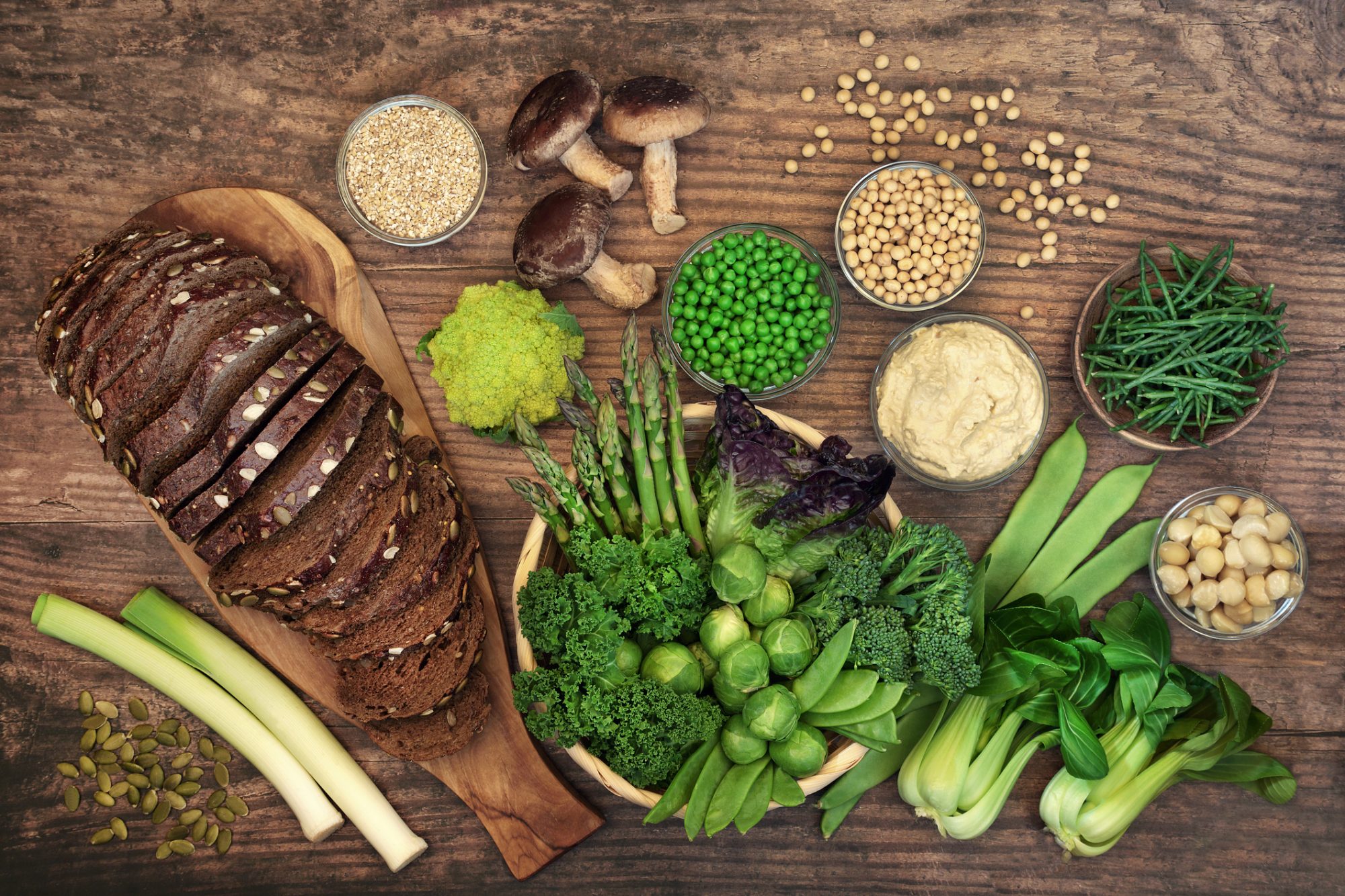
- Vegetables and fruits
- Legumes (beans, lentils, peas)
- Whole grains
- Nuts and seeds
Animal foods, if included, are often:
- Consumed in smaller portions
- Chosen with attention to sourcing
- Integrated for nutritional or cultural reasons
This approach is flexible, inclusive, and adaptable across cultures.
3.2 Nutritional Strengths of Plant Foods
Plant foods provide:
- Dietary fiber for gut health
- Phytochemicals with protective roles
- Essential vitamins and minerals
- Lower saturated fat content (depending on preparation)
From a sustainability perspective, they generally require fewer resources per calorie or gram of protein.
4. Animal-Sourced Foods: Nuance Over Elimination
4.1 Nutritional Contributions
Animal-source foods can contribute:
- High-quality protein
- Bioavailable iron and zinc
- Vitamin B12
- Calcium (in dairy)
For some populations—children, adolescents, elderly individuals—these nutrients can be important when access to diverse foods is limited.
4.2 Sustainability Depends on How, Not Just What
Environmental impact varies dramatically based on:
- Production methods
- Feed sources
- Animal welfare standards
- Geographic context
Sustainable dietary choices encourage:
- Mindful portions
- Reduced frequency rather than absolute exclusion
- Preference for responsibly produced options when available
5. The Role of Whole Foods and Processing Levels
5.1 Whole and Minimally Processed Foods
Whole foods typically:
- Retain natural nutrient structures
- Require fewer industrial inputs
- Support satiety and metabolic stability
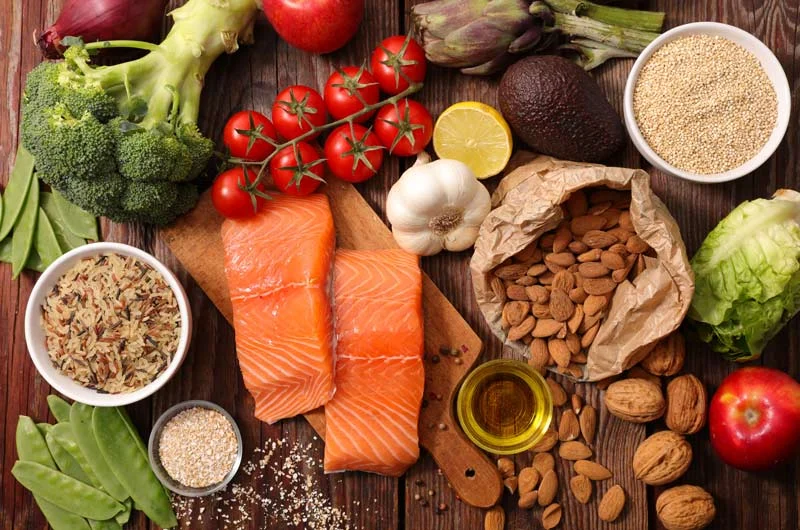
Examples include fresh produce, whole grains, legumes, eggs, and plain dairy products.
5.2 Ultra-Processed Foods and Sustainability
Ultra-processed foods often:
- Contain refined ingredients
- Require complex manufacturing
- Generate significant packaging waste
- Displace more nutritious options
Reducing reliance on ultra-processed foods supports both health and environmental goals, even when convenience remains important.
6. Local, Seasonal, and Regional Eating
6.1 Benefits of Seasonal Foods
Seasonal eating often:
- Reduces transportation emissions
- Supports local agriculture
- Encourages dietary variety throughout the year
Seasonal foods are also frequently fresher and more flavorful, which can enhance satisfaction and reduce waste.
6.2 Local Does Not Always Mean Sustainable
While local foods offer social and economic benefits, sustainability depends on:
- Farming practices
- Resource efficiency
- Storage and preservation needs
A balanced perspective considers both origin and method rather than relying on distance alone.
7. Cultural Diversity and Food Traditions
7.1 Sustainability Is Not One-Size-Fits-All
Sustainable diets must respect:
- Cultural food traditions
- Religious practices
- Regional ecologies
Many traditional cuisines are inherently sustainable, having evolved through necessity, seasonality, and resource awareness.
7.2 Learning from Traditional Dietary Patterns
Examples of sustainable principles embedded in tradition include:
- Emphasis on plant staples
- Nose-to-tail or root-to-stem use
- Fermentation and preservation
- Shared meals and reduced waste
Modern sustainability efforts benefit from honoring, not replacing, these food cultures.
8. Food Waste: A Hidden Sustainability Challenge
8.1 The Scale of the Problem
A significant portion of edible food is wasted globally, contributing to:
- Unnecessary emissions
- Resource loss
- Economic inefficiency
Food waste undermines both sustainability and food security.
8.2 Practical Strategies to Reduce Waste
Sustainable and healthy eating includes:
- Planning meals realistically
- Storing food properly
- Repurposing leftovers
- Using whole ingredients creatively
Reducing waste is often one of the most impactful and accessible sustainability actions.
9. Packaging, Materials, and Consumption Habits
9.1 Packaging Choices Matter
Food packaging contributes to:
- Plastic pollution
- Resource extraction
- Waste management challenges
Sustainable choices include:
- Buying in bulk when possible
- Choosing recyclable or reusable packaging
- Supporting brands with transparent practices
9.2 Consumption Patterns Over Individual Products
Long-term habits—such as cooking at home more often or buying fewer but better-quality foods—often matter more than isolated product decisions.
10. Affordability and Accessibility
10.1 Sustainable Eating on a Budget
Contrary to common belief, sustainable diets can be affordable when they emphasize:
- Staple plant foods
- Seasonal produce
- Home cooking
- Reduced waste
Legumes, grains, and seasonal vegetables are among the most cost-effective foods available.
10.2 Addressing Structural Barriers
True sustainability requires:
- Improved food access
- Nutrition education
- Supportive public policies
Individual choices matter, but systemic change is essential for equity.
11. Building a Sustainable and Healthy Plate
11.1 A Practical Framework
A balanced, sustainable plate often includes:
- Half the plate from vegetables and fruits
- One quarter from whole grains or starchy vegetables
- One quarter from protein sources (plant or animal)
- Healthy fats used thoughtfully
This framework is adaptable and non-prescriptive.
11.2 Flexibility Across Meals and Time
No single meal needs to be perfect. Sustainability and health are achieved through:
- Patterns over days and weeks
- Variety and adaptability
- Responsiveness to changing needs
12. The Psychological Dimension of Sustainable Eating
12.1 Avoiding Guilt and Perfectionism
Overly rigid rules can:
- Increase stress
- Harm relationships with food
- Reduce long-term adherence
A sustainable diet is one that is mentally sustainable as well.
12.2 Building Positive Food Relationships
Enjoyment, satisfaction, and cultural connection are essential components of lasting dietary patterns. Food should support well-being, not anxiety.
13. Technology, Innovation, and the Future of Food
13.1 Emerging Food Technologies
Innovations such as:
- Alternative proteins
- Precision fermentation
- Improved agricultural practices
may help reduce environmental impact while maintaining nutritional quality.
13.2 Informed Choice in a Complex Landscape
As options expand, critical thinking becomes more important than novelty. Sustainable and healthy choices depend on transparency, evidence, and context.
14. Education and Collective Action
14.1 The Role of Education
Food literacy empowers individuals to:
- Read labels critically
- Understand basic nutrition
- Make informed sustainability choices
Education supports autonomy rather than compliance.
14.2 Collective Impact
When communities, schools, and institutions align around sustainable food practices, individual efforts are amplified. Shared meals, public procurement, and community agriculture all play roles.
Conclusion: Eating for the Long Term
Sustainable and healthy dietary choices are not about strict diets or moral superiority. They are about alignment—between personal well-being, environmental limits, cultural values, and practical realities. By emphasizing diversity, moderation, respect for resources, and enjoyment, such diets offer a realistic path forward.
Every meal is an opportunity, not a test. Small, consistent choices—eating more plants, wasting less food, supporting responsible producers, and cooking with intention—accumulate into meaningful impact over time.
In a world facing complex nutritional and environmental challenges, sustainable and healthy eating is not a trend. It is a necessary evolution—one that invites care, curiosity, and cooperation at the table, today and for generations to come.