










Introduction: Convenience No Longer Means Compromise
For decades, ready-to-eat meals and frozen food occupied the lowest rung of the culinary hierarchy. They were associated with mass production, bland flavors, excessive preservatives, and nutritional shortcuts—solutions for time scarcity rather than gastronomic pleasure. In popular imagination, convenience food was the opposite of “real food.”
That perception is rapidly changing.
Across global markets, a new category has emerged: high-end ready-to-eat meals and gourmet frozen cuisine. These products promise not just speed, but quality; not just practicality, but pleasure. They borrow techniques from professional kitchens, source premium ingredients, emphasize nutrition and transparency, and often carry the creative signatures of chefs and food designers.
This shift represents more than a product trend. It reflects profound changes in lifestyle, technology, consumer values, and the very definition of what “good food” means in a modern, urbanized world. This article explores why premium convenience food is rising, how it differs from its predecessors, what technologies and cultural forces enable it, and what it signals about the future of eating.
1. From Survival Food to Lifestyle Choice: A Historical Perspective
1.1 The Original Purpose of Ready Meals
Ready-to-eat and frozen meals were originally designed to solve practical problems:
- Feeding large populations efficiently
- Supporting working households with limited cooking time
- Extending shelf life and reducing spoilage
Early innovations prioritized affordability, safety, and uniformity over flavor and culinary nuance. Industrial processes dominated, and consumer expectations were correspondingly low.
1.2 Cultural Stigma and Culinary Hierarchies
Over time, a clear hierarchy emerged:
- Fresh, home-cooked food at the top
- Restaurant dining as a treat
- Processed convenience food at the bottom
This hierarchy was reinforced by chefs, media, and health narratives. Convenience was framed as a moral failure or a necessary evil.
The rise of premium ready meals challenges this hierarchy at its core.
2. Why Premium Convenience Food Is Rising Now
2.1 Time Scarcity in Modern Life
Urban professionals, dual-income households, aging populations, and digitally connected lifestyles have dramatically reduced time available for daily cooking. Yet expectations for food quality have not declined—in fact, they have increased.
Consumers increasingly ask:
- Why should lack of time mean lack of quality?
- Why must convenience and craftsmanship be mutually exclusive?
Premium ready meals are a direct response to this tension.
2.2 The Normalization of Culinary Sophistication
Global travel, food media, and digital platforms have raised baseline culinary literacy. Many consumers can now recognize:
- Proper seasoning and balance
- Ingredient quality
- Regional and cultural authenticity
This sophistication creates demand for convenience food that respects the palate rather than underestimating it.
2.3 Redefining Value: From Cheap to Worthwhile
Modern consumers are often willing to pay more for:
- Better ingredients
- Ethical sourcing
- Transparent production
- Superior taste
Value is increasingly measured not by price alone, but by experience and alignment with personal values.
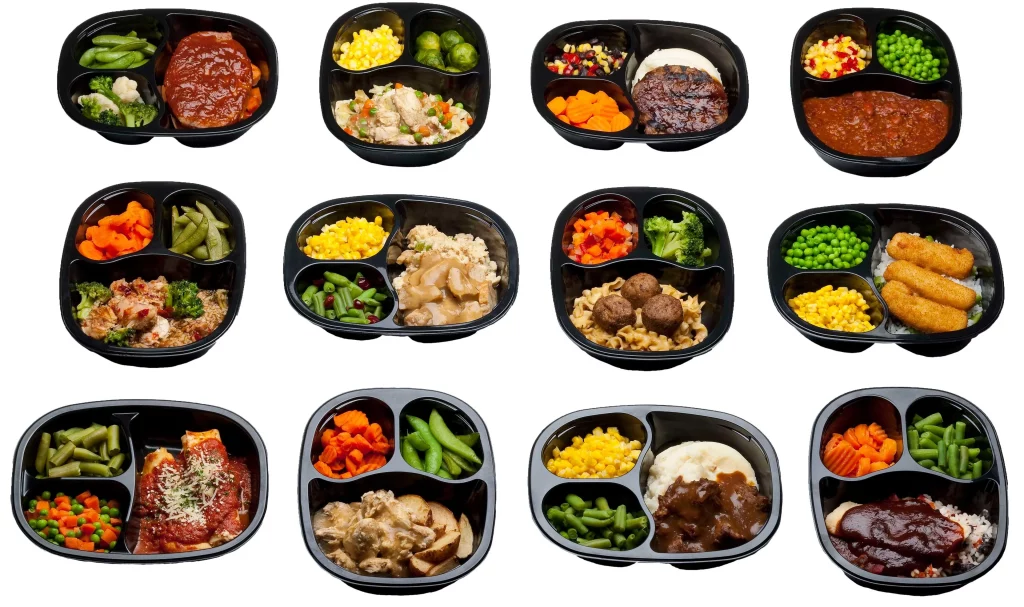
3. What Defines High-End Ready-to-Eat and Gourmet Frozen Cuisine?
3.1 Ingredient Integrity
Premium convenience food distinguishes itself first through ingredients:
- Whole cuts of meat and fresh vegetables
- Minimal additives and preservatives
- Clear sourcing information
Rather than hiding behind heavy sauces or salt, these products allow ingredients to speak.
3.2 Culinary Techniques Borrowed from Restaurants
Modern gourmet frozen meals often employ professional techniques such as:
- Slow cooking and braising
- Precise temperature control
- Shock freezing to preserve texture and flavor
These methods retain complexity that traditional industrial freezing destroyed.
3.3 Thoughtful Menu Design
High-end ready meals are curated, not generic. Menus often reflect:
- Seasonal rotations
- Regional cuisines
- Balanced nutritional profiles
This intentionality mirrors restaurant menu philosophy rather than factory output.
4. The Science Behind Better Frozen Food
4.1 Advances in Freezing Technology
One of the most critical enablers of gourmet frozen cuisine is improved freezing technology. Rapid freezing techniques minimize ice crystal formation, which:
- Preserves cellular structure
- Maintains texture after reheating
- Locks in flavor
The result is food that tastes freshly cooked rather than reheated.
4.2 Packaging as a Culinary Tool
Modern packaging does more than contain food. It:
- Controls moisture and oxygen exposure
- Supports even reheating
- Extends shelf life without chemical intervention
Packaging design is now part of the culinary process.
4.3 Reheating as the Final Cooking Step
Premium ready meals treat reheating as a deliberate stage, not an afterthought. Instructions are precise, and products are designed to finish properly in:
- Ovens
- Steamers
- Microwaves
The consumer becomes the final participant in the cooking process.
5. Chefs, Brands, and the Shift in Authority
5.1 Chefs Beyond Restaurants
Many chefs now see premium ready meals as an extension of their craft rather than a compromise. This allows them to:
- Reach wider audiences
- Maintain creative control
- Reduce the constraints of service-based dining
The chef’s role expands from performer to designer of scalable experiences.
5.2 Brand Trust and Culinary Identity
High-end convenience brands invest heavily in:
- Clear culinary philosophy
- Consistent flavor profiles
- Transparent storytelling
Trust becomes essential when consumers cannot see the kitchen.
6. Nutrition, Health, and Functional Eating
6.1 Beyond Calories and Macros
Premium ready meals increasingly integrate nutrition as a core design principle:
- Balanced macronutrients
- Emphasis on fiber, vegetables, and healthy fats
- Reduced reliance on sugar and sodium
Health is framed as nourishment, not restriction.
6.2 Special Diets Without Sacrifice
Gourmet frozen cuisine has expanded options for:
- Plant-based diets
- Gluten-free or allergen-aware eating
- Culturally specific dietary needs
Convenience no longer requires exclusion from culinary pleasure.
7. Sustainability and Ethical Considerations
7.1 Reducing Food Waste
Frozen and ready-to-eat formats can significantly reduce waste by:
- Extending shelf life
- Offering precise portion control
- Preventing spoilage at the consumer level
Sustainability becomes a practical outcome rather than a slogan.
7.2 Supply Chain Transparency
Many premium brands emphasize:
- Ethical sourcing
- Responsible farming
- Reduced environmental impact
These values resonate with consumers seeking alignment between eating habits and ethics.
8. Changing Social Meanings of Convenience Food
8.1 From Shame to Confidence
Where convenience food was once hidden or apologized for, premium ready meals are now:
- Shared openly
- Served to guests
- Integrated into social occasions
The stigma fades as quality rises.
8.2 Redefining Home Cooking
Home cooking is no longer defined strictly by starting from raw ingredients. Instead, it encompasses:
- Assembly
- Finishing
- Curating meals from high-quality components
This broader definition reflects modern realities.
9. Market Segmentation and Consumer Profiles
9.1 Urban Professionals and Time-Rich, Skill-Poor Consumers
Many buyers of high-end ready meals are not uninterested in food—they are constrained by time. They value:
- Consistency
- Reliability
- Minimal cognitive effort
Premium convenience meets these needs without sacrificing enjoyment.
9.2 Aging Populations and Accessibility
For older consumers, gourmet ready meals offer:
- Nutritional adequacy
- Ease of preparation
- Culinary pleasure without physical strain
This demographic shift further fuels demand.
10. Globalization and Culinary Diversity in Frozen Form
10.1 Authenticity at Scale
Premium frozen cuisine increasingly features:
- Regional recipes
- Traditional techniques
- Cultural specificity
When done responsibly, this preserves culinary diversity rather than diluting it.
10.2 Risks of Simplification
At the same time, there is a risk of:
- Over-standardization
- Cultural flattening
The challenge lies in balancing scalability with respect for origin.
11. Technology, Data, and the Next Phase of Growth
11.1 Data-Driven Menu Development
Brands analyze consumer behavior to:
- Refine flavor profiles
- Adjust portion sizes
- Anticipate demand
This feedback loop accelerates innovation.
11.2 Personalization and Smart Kitchens
Future developments may include:
- Personalized meal plans
- Smart appliances optimized for specific products
- Adaptive reheating based on portion and preference
Convenience becomes intelligent, not generic.
12. Criticisms and Ongoing Challenges
12.1 Price and Accessibility
High-end ready meals are often more expensive, raising questions about:
- Food inequality
- Accessibility beyond affluent consumers
Scaling quality without exclusion remains a key challenge.
12.2 Maintaining Craft at Scale
As brands grow, preserving:
- Ingredient quality
- Culinary intent
- Ethical standards
requires constant vigilance.
Conclusion: A New Definition of Modern Eating
The rise of high-end ready-to-eat meals and gourmet frozen cuisine signals a deeper transformation in how society understands food. Convenience is no longer the enemy of quality; it is a design challenge to be solved with creativity, technology, and respect for the eater.
These products reflect a world where time is scarce, expectations are high, and values matter. They acknowledge that good food should be accessible not only to those with time, space, and skill, but also to those navigating modern life’s constraints.
In this sense, premium convenience food is not a retreat from culinary culture—it is an evolution of it. By blending craftsmanship with practicality, and technology with taste, high-end ready meals redefine what it means to eat well in the twenty-first century.
The question is no longer whether convenience food can be good. It is how good we are willing—and able—to make it.