










Introduction: Tradition Reimagined at the Highest Level
Michelin-starred restaurants occupy a unique and influential position in the global culinary ecosystem. They are simultaneously guardians of excellence, laboratories of innovation, and cultural storytellers. In recent decades, one of the most defining movements within Michelin-level dining has been the modern interpretation of traditional regional cuisine. Rather than abandoning heritage in favor of novelty, many top chefs are turning inward—toward local histories, ancestral techniques, and regional ingredients—and reinterpreting them through contemporary perspectives, technologies, and aesthetics.
This approach is neither nostalgic replication nor radical deconstruction. Instead, it represents a sophisticated dialogue between past and present. Traditional dishes are not merely “updated” for luxury dining; they are analyzed, distilled, and re-expressed. The result is cuisine that feels intellectually grounded, emotionally resonant, and globally relevant, while remaining deeply rooted in place.
This article provides a comprehensive and professional examination of how Michelin restaurants explore and redefine traditional regional cuisines. It analyzes philosophical foundations, technical strategies, cultural implications, and future directions, offering insight into why this movement has become central to modern fine dining.
1. Why Tradition Matters in Michelin-Level Cuisine
1.1 Tradition as Cultural Capital
Traditional regional cuisine represents accumulated knowledge shaped by geography, climate, agriculture, religion, and social structure. For Michelin restaurants, engaging with tradition offers:
- Cultural legitimacy
- Narrative depth
- A clear sense of identity
In an era of globalized tastes, tradition provides specificity. A dish rooted in a particular valley, coastline, or village carries meaning that cannot be fabricated through technique alone.
1.2 Moving Beyond Universal Fine Dining
Historically, haute cuisine—particularly French fine dining—prioritized universal standards: refined sauces, classical techniques, and luxury ingredients. While influential, this model often suppressed regional diversity.
Modern Michelin restaurants increasingly reject uniformity in favor of culinary localization, where excellence is defined by how authentically and creatively a chef expresses their region.
2. From Preservation to Interpretation
2.1 The Difference Between Reproduction and Interpretation
Reproducing traditional dishes exactly as they were made historically is valuable for preservation, but Michelin cuisine typically goes further. Interpretation involves:
- Identifying the essence of a dish
- Understanding its cultural and emotional role
- Reimagining its form, texture, or presentation
The goal is not to replace tradition, but to translate it for a contemporary context.
2.2 Distillation of Core Elements
Chefs often begin by deconstructing traditional dishes into fundamental components:
- Primary flavor drivers
- Essential techniques
- Symbolic ingredients
Once isolated, these elements can be recomposed in new forms while retaining recognizability.
3. Regional Identity as a Creative Framework
3.1 Terroir as Narrative
Michelin restaurants exploring regional cuisine often emphasize terroir—not only soil and climate, but also:
- Local farming practices
- Indigenous breeds and varieties
- Seasonal rhythms
Menus become geographic narratives, guiding diners through landscapes rather than courses.
3.2 Micro-Regional Focus
Rather than representing entire nations, many chefs narrow their focus to:
- A single province
- A coastline
- A mountain range
- Even one village
This micro-regional approach allows for deeper research and more nuanced expression, strengthening authenticity.
4. Modern Techniques Applied to Traditional Foundations
4.1 Precision Without Sterility
Contemporary techniques—such as low-temperature cooking, fermentation control, and advanced emulsification—allow chefs to:
- Enhance clarity of flavor
- Improve texture consistency
- Reduce heaviness common in older preparations
When applied thoughtfully, these techniques serve tradition rather than overshadow it.
4.2 Rethinking Classical Processes
Traditional methods like braising, curing, smoking, and drying are often:
- Shortened or extended
- Combined with modern tools
- Refined for greater balance
For example, a long-simmered regional stew might be reinterpreted as a layered composition, separating broth, protein, and aromatics while preserving their collective identity.
5. Ingredient Revival and Agricultural Partnerships
5.1 Rediscovering Forgotten Ingredients
Many Michelin chefs actively search for:
- Heirloom vegetables
- Ancient grains
- Wild herbs
- Local varieties once considered “peasant food”
By reintroducing these ingredients in refined contexts, restaurants contribute to biodiversity and cultural continuity.
5.2 Collaboration with Local Producers
Modern interpretations of regional cuisine often depend on close relationships with:
- Small-scale farmers
- Fishermen
- Foragers
- Artisans
These collaborations influence menu design and reinforce the restaurant’s connection to place.
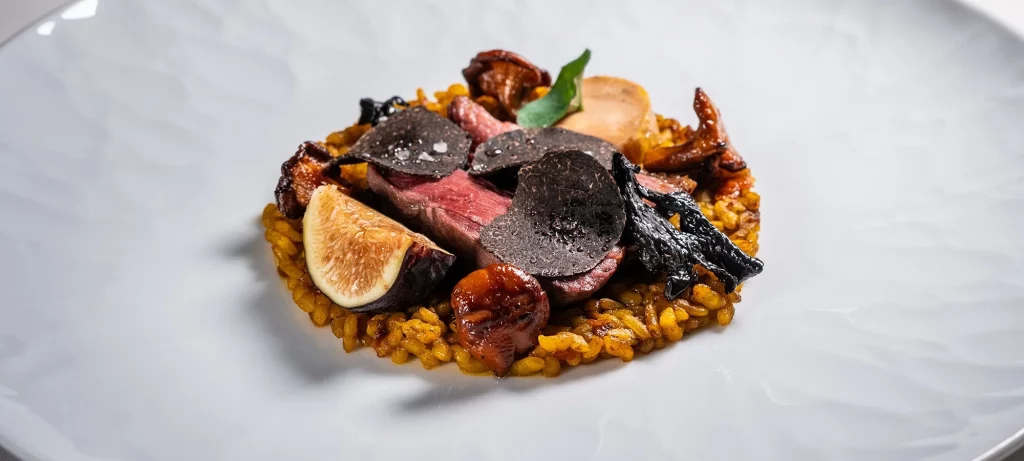
6. Plating and Visual Language: Tradition Meets Contemporary Aesthetics
6.1 From Abundance to Intentionality
Traditional regional dishes often emphasize generosity and abundance. Michelin reinterpretations tend to:
- Reduce portion size
- Clarify composition
- Highlight each component’s role
This shift reflects contemporary fine dining aesthetics without negating the original spirit.
6.2 Visual Storytelling
Plating becomes a medium for storytelling:
- Natural textures evoke landscapes
- Minimalist arrangements emphasize purity
- Traditional serving vessels are reimagined in modern materials
Visual restraint often mirrors respect for the original dish.
7. Emotional Resonance and Memory
7.1 Cooking for Recognition, Not Surprise Alone
While innovation is essential, successful reinterpretations prioritize recognition. Diners should sense familiarity—even if they cannot immediately identify the source.
This emotional recognition:
- Builds trust
- Creates nostalgia
- Enhances memorability
7.2 Personal and Collective Memory
Many chefs draw from childhood experiences with regional food. These personal memories intersect with collective cultural memory, resulting in dishes that feel both intimate and universal.
8. Balancing Accessibility and Excellence
8.1 Respecting the Spirit of Everyday Food
Traditional regional dishes often originate from necessity rather than luxury. Michelin reinterpretations face the challenge of:
- Elevating without alienating
- Refining without erasing humility
The most compelling examples preserve the soul of everyday food while applying exceptional skill.
8.2 Avoiding Cultural Elitism
There is ongoing debate about whether fine dining appropriates or honors traditional cuisine. Responsible Michelin restaurants address this by:
- Acknowledging origins
- Engaging with local communities
- Avoiding caricature or exoticization
9. Case Patterns Across Global Regions (Conceptual Overview)
9.1 Europe
European Michelin restaurants frequently:
- Revisit rural and farmhouse dishes
- Modernize preservation techniques
- Emphasize seasonality and terroir
The focus is often on refinement and historical continuity.
9.2 Asia
In many Asian contexts, chefs reinterpret:
- Street food
- Home-style cooking
- Ritual and ceremonial dishes
Modern techniques are applied to cuisines traditionally based on intuition and repetition, resulting in new precision without losing cultural depth.
9.3 The Americas
Michelin restaurants in the Americas often explore:
- Indigenous ingredients
- Colonial culinary legacies
- Fusion born from migration
These interpretations frequently carry strong political and identity-driven narratives.
10. Sustainability and Ethics in Modern Interpretation
10.1 Environmental Responsibility
Reinterpreting regional cuisine naturally aligns with sustainability:
- Reduced reliance on imported luxury ingredients
- Greater use of local ecosystems
- Seasonal menu structures
Sustainability becomes embedded in the cuisine rather than added as a concept.
10.2 Cultural Sustainability
Preserving culinary heritage is also an ethical act. Michelin restaurants can:
- Document disappearing techniques
- Support traditional producers
- Inspire younger generations to value regional foodways
11. Challenges and Risks
11.1 Over-Intellectualization
One risk of modern reinterpretation is excessive abstraction. When dishes become too conceptual, they may lose:
- Emotional warmth
- Sensory satisfaction
- Cultural clarity
Balance is essential.
11.2 Trend Dependency
If reinterpretation follows global trends too closely, regional identity may blur. Authenticity requires resistance to short-lived fashions.
12. The Future of Regional Cuisine in Michelin Dining
12.1 Toward Deeper Research
The future points toward:
- Anthropological research
- Collaboration with historians
- Greater documentation of oral traditions
Chefs increasingly act as researchers as well as creators.
12.2 Technology as a Supporting Tool
Advanced tools—data analysis, fermentation science, precision agriculture—will continue to support reinterpretation, but they are most powerful when used invisibly, in service of flavor and meaning.
Conclusion: Innovation Rooted in Respect
The modern interpretation of traditional regional cuisine in Michelin restaurants represents one of the most meaningful evolutions in contemporary gastronomy. It demonstrates that progress does not require erasure, and that innovation can emerge from deep listening rather than disruption alone.
By engaging thoughtfully with tradition, Michelin chefs transform regional dishes into living expressions of culture—dynamic, relevant, and emotionally resonant. These reinterpretations do more than impress; they educate, preserve, and connect. They remind us that the future of fine dining is not found in distance from the past, but in a more profound relationship with it.
In this sense, Michelin restaurants are no longer just destinations of luxury. They are custodians of culinary memory, shaping how tradition survives, evolves, and continues to be tasted—one carefully considered dish at a time.