










Food is more than sustenance; it is a vital marker of cultural identity. Across the globe, local dishes embody historical narratives, geographic particularities, social hierarchies, and community values. They serve as both a reflection of national identity and a symbol of communal cohesion. The study of food identity examines how regional dishes become intertwined with notions of heritage, belonging, and cultural memory, influencing everything from everyday consumption to international culinary diplomacy.
This article explores the multifaceted role of local cuisine in shaping national and community identity, examining historical evolution, sociocultural significance, globalization influences, and contemporary reinterpretations.
1. Defining Food Identity
1.1 Conceptual Foundations
Food identity refers to the ways in which individuals and communities express and perceive themselves through food practices. It encompasses ingredients, preparation methods, consumption rituals, and symbolic meanings attached to specific dishes.
Key dimensions include:
- Regional Significance: Ingredients and techniques tied to geography.
- Historical Continuity: Recipes transmitted across generations, reflecting collective memory.
- Symbolic Value: Foods that mark holidays, rituals, and social ceremonies.
- Communal Association: Dishes representing local social norms, family structures, and shared experiences.
1.2 Food as a Marker of Belonging
Local dishes often function as cultural anchors, signaling membership in a specific community or nation. For example:
- Italy’s pasta varieties vary regionally, reflecting centuries of agrarian adaptation and regional pride.
- Ethiopia’s injera represents communal dining traditions, linking social cohesion to culinary practice.
- In Mexico, mole symbolizes regional variation and ceremonial importance, embodying both indigenous heritage and colonial history.
Through these examples, food identity becomes a lens to understand broader cultural narratives.
2. Historical Roots of Local Cuisine and National Identity
2.1 Geographic Determinants
Local cuisine develops primarily through the interaction of environment and culture:
- Climate and Soil: Determine the types of crops and livestock available, shaping regional dishes.
- Access to Waterways and Trade Routes: Introduce spices, grains, and techniques from other cultures.
- Ecological Adaptation: Ingredients and preservation methods evolve to meet local challenges, e.g., pickling, smoking, and fermentation.
For instance, Scandinavian preservation techniques evolved from long winters, while Mediterranean diets emphasize fresh produce due to mild climates and abundant sunlight.
2.2 Historical Influences
Historical processes such as colonization, migration, and trade have deeply influenced local cuisine:
- Colonial expansions introduced ingredients like chili, potatoes, and tomatoes worldwide, altering existing culinary practices.
- Migration and diasporas created hybrid dishes reflecting both old and new homelands.
- Conflicts and resource scarcity shaped preservation methods, leading to iconic dishes such as kimchi in Korea or salted cod in Portugal.
Historical analysis demonstrates that local dishes are living records of societal adaptation and cultural exchange.
3. Social and Cultural Significance
3.1 Food and Community Cohesion
Local dishes often act as social glue, connecting individuals to community traditions and shared values:
- Ritualized Consumption: Traditional dishes mark holidays, festivals, weddings, and funerals.
- Intergenerational Transmission: Recipes are passed from elders to younger generations, embedding social norms.
- Collective Identity: Regional specialties foster a sense of belonging and pride among local populations.
For example, in Japan, the preparation and consumption of mochi during New Year celebrations reinforce familial and communal identity, emphasizing continuity and cultural literacy.
3.2 Food as Cultural Symbol
Certain dishes transcend mere nutrition to become symbols of national or regional pride:
- France’s baguette or croissant represents both artisanal heritage and national identity.
- India’s biryani, varying regionally, reflects culinary sophistication and historical syncretism.
- Lebanese mezze showcases local biodiversity and the cultural emphasis on shared meals.
Through such examples, cuisine becomes a performative medium through which culture communicates its values.
4. Regional Variation and Identity Negotiation
4.1 Diversity Within Nations
Even within a single country, culinary identities can vary widely, reflecting micro-regional identities:
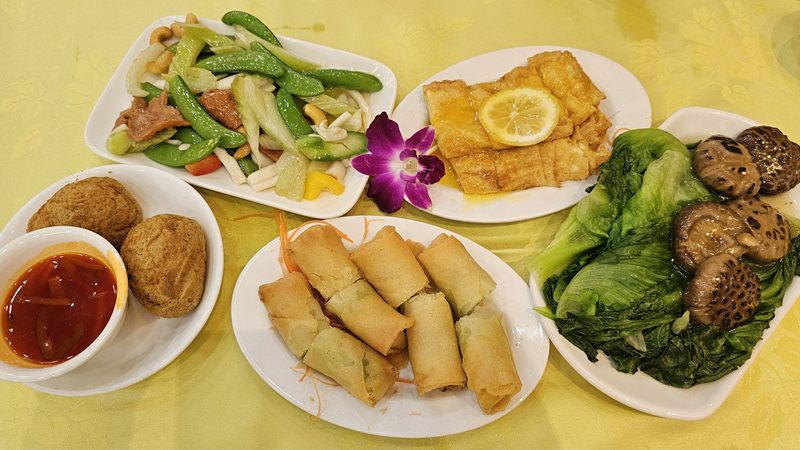
- China: Sichuan’s bold, spicy cuisine contrasts sharply with Cantonese emphasis on freshness and subtle flavors.
- Italy: Northern pasta dishes with butter and cream versus Southern tomato-based sauces.
- United States: Southern soul food, New England seafood traditions, and Southwestern spice-centric meals each convey distinct regional identities.
These internal variations reveal the complexity of food as an identity marker, demonstrating how localized tastes shape perceptions of national culture.
4.2 Negotiating Modernity and Tradition
Modern influences, such as urbanization, global supply chains, and culinary tourism, require communities to negotiate between preserving tradition and adapting to change:
- Fast-food globalization challenges traditional dining practices but also inspires hybridized dishes.
- Urban migration blends rural and regional cuisines, creating new culinary expressions.
- Restaurants and food festivals showcase regional specialties as heritage markers while adapting to contemporary tastes.
Balancing preservation and innovation ensures that food identity remains relevant and resilient.
5. Globalization and Cultural Exchange
5.1 Fusion and Cross-Cultural Influence
Globalization facilitates cross-cultural culinary exchange, expanding local cuisine’s influence while introducing external elements:
- Japanese sushi bars worldwide reinterpret traditional techniques to suit local palates.
- Mexican tacos may incorporate Asian or Mediterranean flavors in urban fusion restaurants.
- Indian curry houses in the UK blend spices and preparation styles to create regionally distinct variations.
While this broadens cultural reach, it also raises questions about authenticity, adaptation, and cultural ownership.
5.2 Culinary Diplomacy
Food has become an instrument of cultural diplomacy, projecting national identity abroad:
- Thai cuisine promotes tourism and national branding through globally recognized dishes.
- French gastronomy, protected under UNESCO’s intangible cultural heritage, fosters cultural prestige.
- Ethiopian coffee ceremonies have become emblematic of hospitality and community in international contexts.
Through these mechanisms, cuisine serves not only as sustenance but also as a strategic expression of national identity and soft power.
6. Contemporary Practices in Preserving Food Identity
6.1 Documentation and Archival Efforts
Efforts to document and preserve local dishes have intensified in the modern era:
- Cookbooks, digital archives, and culinary museums catalog recipes and culinary techniques.
- Oral history projects capture the stories behind dishes, connecting them to community heritage.
- Cultural heritage organizations advocate for protection of traditional food knowledge from commercialization or dilution.
6.2 Culinary Tourism and Festivals
Local dishes are increasingly celebrated in culinary festivals, where national and regional identities are showcased:
- Spain’s La Tomatina festival emphasizes local agricultural products.
- Italy’s truffle fairs highlight regional foraging traditions and artisanal expertise.
- Japan’s regional food expos promote local specialties, strengthening community branding and economic sustainability.
These practices reinforce the symbolic and economic significance of food identity.
6.3 Modern Adaptation Without Loss of Identity
Chefs and communities innovate while respecting culinary heritage:
- Farm-to-table initiatives source local ingredients to maintain authenticity.
- Contemporary plating and cooking techniques reimagine traditional dishes for modern diners.
- Integration of nutritional science ensures that traditional dishes remain relevant in health-conscious contexts.
This approach allows cultural identity to evolve while maintaining its roots.
7. Challenges and Ethical Considerations
7.1 Cultural Appropriation vs. Appreciation
Globalization and media exposure raise ethical concerns about cultural misrepresentation:
- Superficial adaptation of traditional recipes may strip dishes of meaning.
- Commercial exploitation without community engagement risks erasing authentic narratives.
- Educating chefs, consumers, and media on respectful representation is essential.
7.2 Balancing Innovation and Authenticity
The modern culinary landscape demands constant negotiation between experimentation and preservation:
- Innovation can invigorate local cuisine but may alienate traditionalists.
- Maintaining ingredient integrity while experimenting with new flavors requires meticulous balance.
- Community involvement ensures dishes remain true to cultural narratives.
These challenges underscore that food identity is dynamic but fragile, requiring conscious stewardship.
8. Case Studies
8.1 Italian Regional Pasta
- Northern Italy: Risotto and butter-based sauces reflect dairy-rich agrarian economies.
- Southern Italy: Tomato-based sauces and olive oil emphasize Mediterranean agriculture.
- These regional distinctions reinforce cultural pride and local identity while contributing to a cohesive national culinary image.
8.2 Mexican Mole
- Originating in Oaxaca, mole embodies indigenous and Spanish influences.
- Variants differ regionally, reflecting local ingredients, histories, and ceremonial importance.
- Mole illustrates how complex local dishes become symbols of communal and national identity.
8.3 Ethiopian Injera
- Serves as a communal dining platform, reinforcing social bonds.
- Fermentation techniques reflect adaptation to climate and historical preservation practices.
- The dish embodies both practical survival strategies and cultural cohesion.
9. The Future of Food Identity
9.1 Digital Preservation and Education
Technology allows for archiving and sharing culinary heritage:
- Interactive platforms teach traditional recipes and cooking techniques.
- VR and AR experiences enable immersive culinary education and heritage exploration.
9.2 Sustainability and Ethical Sourcing
Food identity is increasingly tied to sustainable practices:
- Local sourcing supports community economies and preserves agricultural biodiversity.
- Ethical harvesting and preparation methods reinforce cultural respect and continuity.
9.3 Global Culinary Networks
As communities connect, food identity evolves through dialogue and exchange:
- Diaspora communities maintain culinary traditions while adapting to new environments.
- International collaborations create hybrid dishes that respect both heritage and innovation.
The future of food identity will therefore balance tradition, innovation, and global interconnectedness.
Conclusion
Local cuisine serves as a powerful symbol of cultural and national identity, linking history, geography, social structures, and communal values. From everyday meals to ceremonial feasts, food communicates who we are, where we come from, and how we belong. Preserving these culinary traditions while adapting to contemporary tastes and global influences is essential for sustaining cultural memory and fostering intercultural appreciation.
Through careful documentation, ethical innovation, and thoughtful global engagement, communities can ensure that local dishes continue to nourish both body and cultural identity, maintaining their central role in shaping national pride and community cohesion for generations to come.