









Introduction: The Cultural Significance of Street Food
Street food is more than just food; it is a gateway into a region’s culture, a culinary story, and a living representation of tradition and history. For centuries, street food has played a pivotal role in the daily life of communities, from bustling metropolises to quiet villages. Every dish served at a street food stall carries with it not only flavors and ingredients but also stories that reflect the unique history, values, and traditions of the people who prepare and consume it.
In this article, we will explore how street food encapsulates the local culture, heritage, and history of different regions. From the origins of popular street snacks to the ways in which food carries the identity of a place, we will examine how each dish tells a story of people, geography, and tradition. Additionally, we will explore how these dishes evolve over time, carrying modern influences while maintaining their deep cultural significance.
Section I — The Origins of Street Food: Tradition and Necessity
1. Street Food as a Necessity
The origins of street food can be traced back to the simple need for affordable, quick, and accessible meals. Historically, street food emerged in the bustling streets of ancient cities, where the working population sought easy access to meals that were not only affordable but also quickly prepared. These quick bites were designed to serve the labor force, enabling people to grab a meal during their busy days without the need for elaborate cooking or long waits.
In Ancient Rome, for example, vendors known as popinae would sell simple meals like bread, cheese, and soup to the working class. Similarly, in China, the origin of street food is linked to the idea of convenience and affordability, with vendors offering dumplings, noodles, and steamed buns to travelers, merchants, and city-dwellers.
Street food has historically been the heart of local street life, where people of all walks of life could meet, exchange stories, and enjoy a meal together. As cities grew larger and trade routes expanded, street food became an important cultural exchange point where regional flavors and ingredients fused into new culinary traditions.
2. Street Food and Cultural Identity
Food has always played a crucial role in defining cultural identity. In street food, this sense of identity is magnified, as each dish becomes a representation of local history, cultural evolution, and regional tastes. In many cases, the food served on the streets is the culmination of generations of culinary expertise—passed down through families and communities—offering a distinct taste of place.
For example, in Mexico, tacos al pastor reflect the historical fusion of indigenous culture with influences from Lebanese immigrants who brought the technique of spit-roasting meat to the country. In India, pani puri (also known as golgappa or puchka) has evolved through centuries, with each region adding its unique touch. From spices to the type of flour used, every aspect of the dish tells a story of regional influence and the spice trade.
3. The Role of Street Food in Regional Development
Street food has not only shaped cultural identities but has also been integral to economic development in many regions. In places like Thailand, Vietnam, and Indonesia, street food vendors are often the backbone of the local economy, providing affordable meals for the working population while also contributing to the tourist economy. These small-scale vendors are deeply connected to the regions they serve, and many dishes are unique to specific neighborhoods or cities.
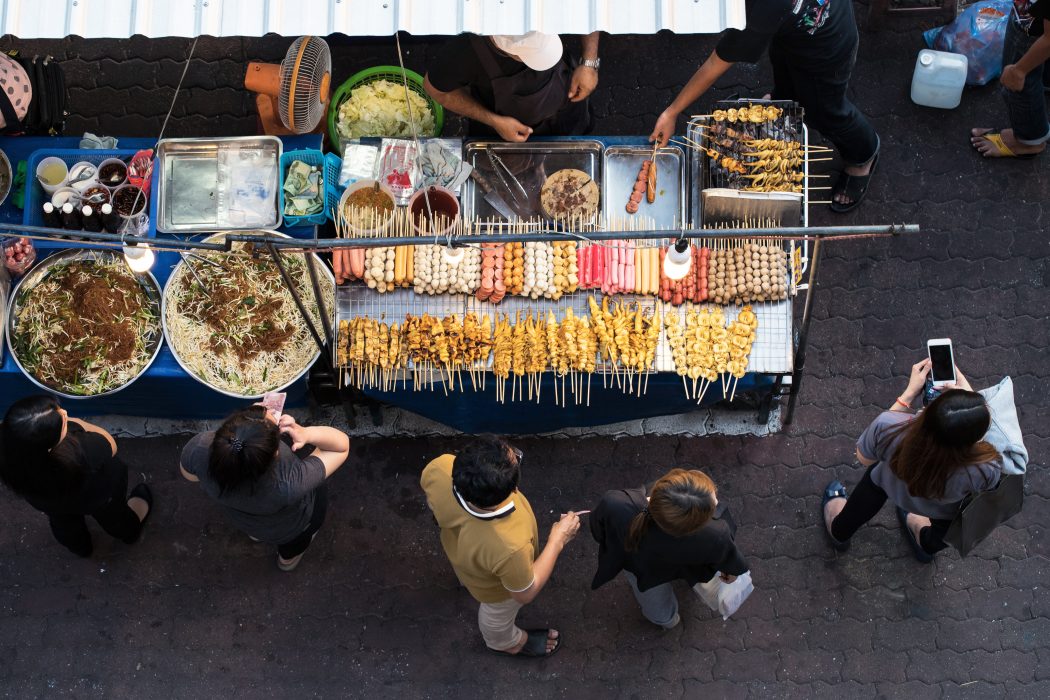
For example, Bangkok’s street food stalls serve a wide array of traditional Thai dishes that reflect the city’s historical significance as a cultural melting pot. Street food culture has long been intertwined with the identity of the city, where foods like pad thai, som tam, and satay continue to shape the global image of Thai cuisine. This interplay between local tradition and tourism allows street food vendors to thrive while preserving the culinary heritage of the region.
Section II — The Cultural and Culinary Evolution of Street Food
1. Regional Variations in Street Food
Street food is inherently regional—each city, province, or country has its own distinct dishes that reflect its local geography, ingredients, and traditions. From the North of Mexico to the streets of Bangkok, Tokyo, and Lagos, the diversity of street food is a direct reflection of the cultures and histories of the places where they are found.
- China: The street food scene in China is known for its regional variation. In Beijing, jianbing (a savory crepe) is a popular breakfast dish, while in Shanghai, xiaolongbao (soup dumplings) are the main street food attraction. In Xi’an, the famed roujiamo (often called a “Chinese hamburger”) tells the story of the ancient Silk Road and its influence on local flavors.
- Thailand: Street food in Thailand serves as a reflection of the country’s culinary heritage influenced by Chinese, Indian, and Malay immigrants. Som tam (papaya salad) and pad thai have become symbolic of Thai street food culture, while lesser-known dishes like kanom krok (coconut rice pancakes) and moo ping (grilled pork skewers) remain rooted in local traditions.
- India: Street food in India is a rich tapestry of regional influences, with each region having its own specialties. In Mumbai, vada pav (a potato fritter sandwich) and pav bhaji (spicy vegetable curry served with bread) are street food staples. In Calcutta, phuchka (crispy puris filled with spiced water and tamarind) is a must-try, while in Chennai, the focus shifts to idli and sambar as popular street snacks.
2. The Evolution of Street Food Over Time
As cities grow and urbanization increases, street food is constantly evolving. The traditional vendors, who once cooked in modest stalls with basic equipment, now have access to modern technologies and global ingredients, enabling them to innovate and adapt.
For instance, in Singapore, traditional hawker centers (which began in the 1940s as a way to centralize food vendors) have become global culinary destinations, where chefs use new techniques and ingredients to offer both traditional favorites and innovative modern dishes. Similarly, in New York City, food trucks that serve ethnic street food from Korean BBQ to Mexican tacos have become an essential part of the food scene, evolving with the multicultural dynamics of the city.
3. The Globalization of Street Food: From Local to International
While street food has its roots in specific regions, the increasing global mobility of people and cultures has led to the globalization of street food. Many traditional dishes are now found in cities around the world, offering a way for people to experience authentic flavors from faraway places.
The food truck phenomenon in Western cities like Los Angeles and London is a perfect example of how street food has transcended its regional origins to become a global sensation. With a focus on quality ingredients, creative presentations, and fusion concepts, these vendors attract both locals and tourists eager to try the authentic tastes of places such as India, Mexico, and South Korea.
However, as street food continues to spread across borders, questions about authenticity arise. Is a taco served in Los Angeles as authentic as one served on the streets of Mexico City? This question highlights the delicate balance between preserving tradition and embracing innovation, a dynamic that continues to shape the future of street food.
Section III — The Social and Economic Impact of Street Food
1. Street Food as an Economic Engine
Street food plays a significant role in the economic landscape of many countries, especially in developing regions. In places like India, Indonesia, and Mexico, street food vendors provide affordable food for millions of people, often becoming the main source of income for entire families.
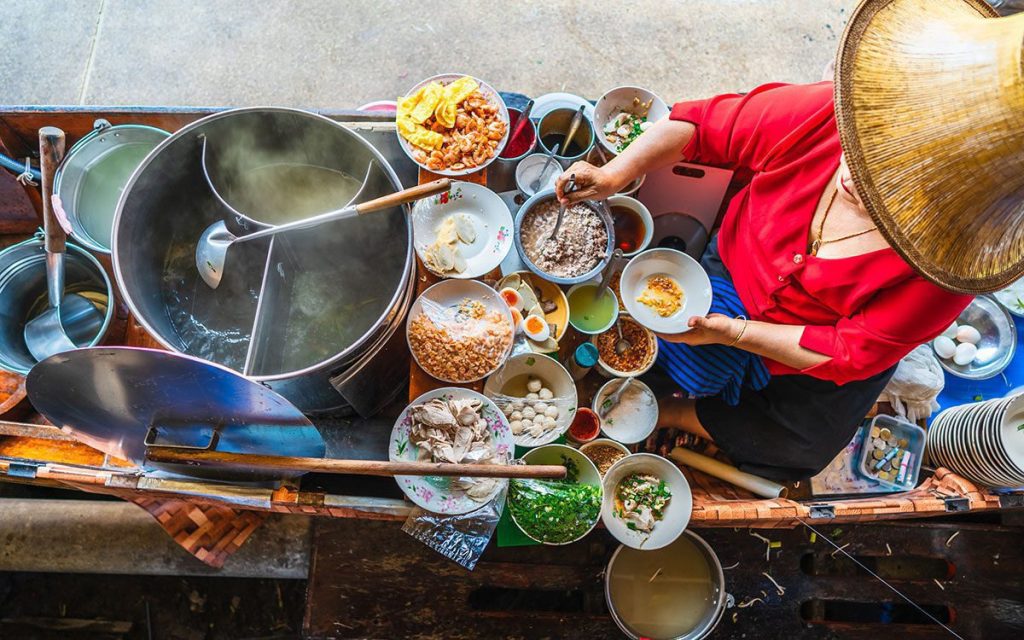
In Thailand, street food is central to the local economy, with vendors making a living from the bustling food stalls that line the streets of cities like Bangkok and Chiang Mai. Similarly, in Vietnam, pho and banh mi vendors are not only preserving culinary traditions but also contributing to the country’s tourism industry, attracting international visitors who want to experience these iconic dishes firsthand.
The affordability of street food also makes it accessible to the working class and students, who rely on it as a quick and inexpensive meal option. This dynamic underscores the role of street food as an integral part of daily life in many regions, contributing to both social cohesion and economic prosperity.
2. Street Food as a Cultural Experience for Tourists
For travelers, street food has become one of the most appealing aspects of visiting a new place. In fact, food tourism is now a major part of the global travel industry, and street food plays a key role in this trend. Tourists flock to street markets in cities like Bangkok, Mexico City, and Istanbul to experience the flavors, smells, and sounds of local food cultures.
Eating street food allows visitors to connect with a destination’s culture on a deeper level. Whether it’s the crunch of freshly fried tempura in Tokyo or the sizzle of kebabs in Istanbul, street food provides a sensory experience that is as much about the atmosphere and the people as it is about the food itself.
Conclusion: A Story Told Through Every Bite
Each dish of street food carries a rich history of tradition, culture, and regional identity. From humble origins as quick and affordable meals for workers to becoming global icons in the food world, street food has evolved into a powerful expression of local heritage and community spirit.
As street food continues to spread across the globe, it remains a vital part of local economies, cultural identity, and culinary traditions. It tells the story of migration, adaptation, and innovation, and each bite offers a taste of history and culture that transcends borders.
Whether you’re savoring a taco in Mexico, a bowl of noodles in Beijing, or a plate of satay in Bangkok, you are not just enjoying food—you are engaging in a timeless, cultural narrative that is passed down from generation to generation. In every corner of the world, street food remains a powerful tool for preserving identity, tradition, and community, offering a delicious journey through the history of human experience.