









Introduction: The Urgency of Reducing Food Waste
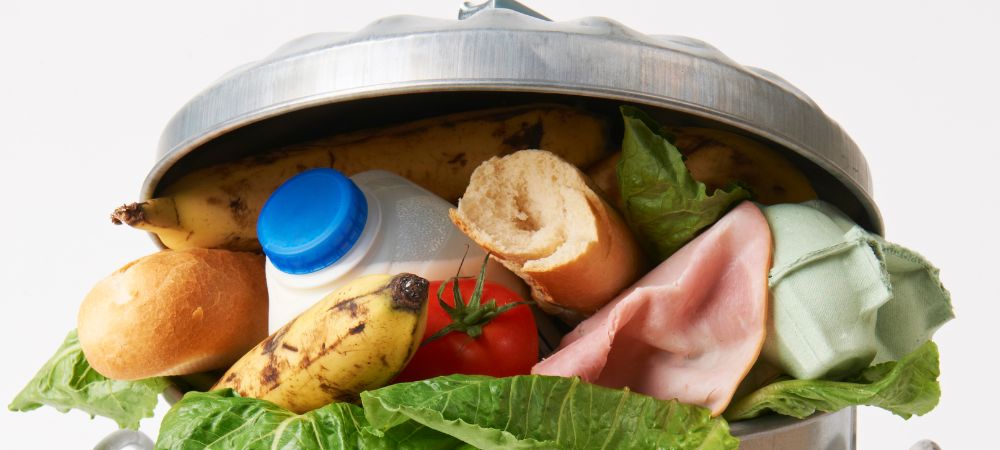
Food waste is a global issue that has severe environmental, economic, and social consequences. Approximately one-third of all food produced for human consumption—around 1.3 billion tons annually—is wasted. This waste contributes to greenhouse gas emissions, unnecessary resource use (such as water, energy, and labor), and increasing pressure on landfills. Additionally, food waste exacerbates global hunger, as millions of people around the world go without adequate food every day.
As the population continues to grow, so too does the amount of food produced—and wasted. Therefore, reducing food waste is essential for sustainable development. One of the most effective ways to tackle this issue is by implementing creative cooking techniques and adopting circular kitchen models that promote the reuse of food scraps, leftovers, and overlooked ingredients.
This article will explore innovative recipes and practical strategies within the circular kitchen framework to reduce food waste. It will also delve into the role of sustainable cooking practices in minimizing the environmental footprint of food preparation and consumption.
The Impact of Food Waste
Food waste is a multifaceted problem, and its effects are felt across various domains. The environmental impact of food waste is particularly significant, as it contributes to the depletion of natural resources and environmental degradation.
1. Environmental Consequences
The environmental impact of food waste goes beyond simply wasting food. When food is thrown away, it also means that the energy, water, and labor used to produce, process, and transport it are wasted. Furthermore, when food waste decomposes in landfills, it generates methane—a potent greenhouse gas. This contributes to climate change, as methane has 25 times the warming potential of carbon dioxide over a 100-year period.
For example, food production is responsible for nearly 25% of global greenhouse gas emissions. Reducing food waste is one of the easiest and most effective ways to decrease these emissions.
2. Economic Costs
The economic costs of food waste are staggering. It is estimated that global food waste costs the economy around $940 billion annually. In developed countries, much of the food waste happens at the consumer level—within households, restaurants, and retail businesses—while in developing countries, it primarily occurs during production, storage, and transportation due to inadequate infrastructure.
3. Social Impact
While food is being discarded, millions of people are facing food insecurity. According to the United Nations, nearly 828 million people around the world suffer from hunger, and many others struggle to access nutritious food. Wasting food is not only an environmental and economic issue but also a moral one.
The Concept of Circular Kitchens
A circular kitchen is a sustainable, innovative model that seeks to reduce food waste by prioritizing resource reuse, recycling, and minimizing waste. This concept is based on the principles of the circular economy, which aims to eliminate waste and make the most of available resources. In the context of food, this means reducing waste through creative cooking, repurposing food scraps, and adopting sustainable food practices that extend the lifecycle of food items.
Key Principles of the Circular Kitchen Model:
- Reduce Waste
The circular kitchen is designed to minimize food waste by planning meals, storing food properly, and using ingredients efficiently. This includes reducing food spoilage, preventing over-purchasing, and making use of leftover food. - Reuse Ingredients
Reusing ingredients is a central aspect of the circular kitchen. For instance, instead of throwing away vegetable peels or stems, they can be repurposed into broths, sauces, or other dishes. This reduces the need for fresh ingredients and helps minimize food waste. - Recycle Food Scraps
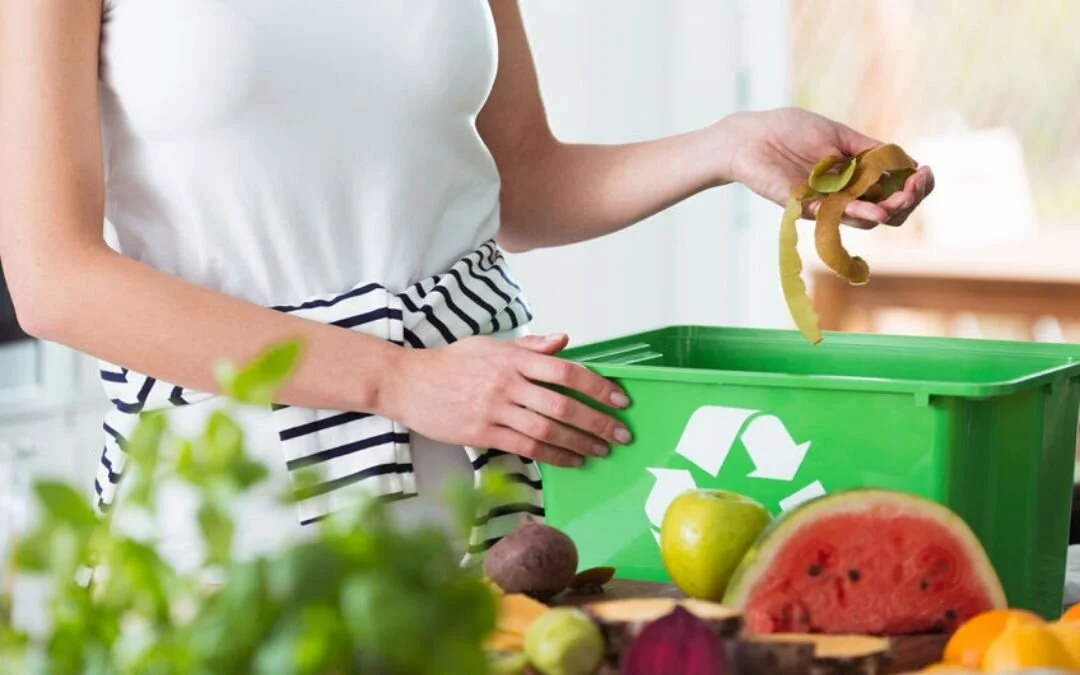
Food scraps such as vegetable trimmings, coffee grounds, and eggshells can be recycled into compost or used to feed animals. Many kitchens now use composting systems to turn organic waste into nutrient-rich soil for gardening, thus closing the loop in the food system. - Repurpose Leftovers
Leftovers can be creatively incorporated into new dishes. For example, yesterday’s roasted vegetables can become today’s soup base, or stale bread can be turned into croutons. Repurposing leftovers is an easy way to reduce waste and save money. - Sustainable Sourcing
Circular kitchens also focus on sourcing food responsibly. This includes buying locally-produced ingredients, supporting sustainable agriculture, and choosing foods with minimal packaging. Sustainable sourcing ensures that food production has a reduced environmental footprint from the very beginning.
Creative Recipes to Reduce Food Waste
Reducing food waste requires a shift in how we view leftovers and food scraps. By approaching cooking with creativity and resourcefulness, we can transform what would typically be discarded into delicious and nutritious meals.
1. Vegetable Scraps Soup
One of the easiest ways to reduce food waste is by making soup from vegetable scraps. Instead of tossing out carrot tops, onion skins, or celery leaves, gather them to create a hearty vegetable stock. Add any leftover vegetables to the stock and let it simmer for a flavorful, nutritious soup.
Recipe:
- Collect vegetable scraps (onion skins, carrot tops, celery leaves, mushroom stems, etc.)
- Simmer with water, a bay leaf, garlic, and pepper for 1–2 hours.
- Strain the stock and add any remaining vegetables for a chunky soup.
- Season with salt, pepper, and herbs to taste.
2. Banana Peel Bacon
Bananas are a popular snack, but many people throw away the peel without realizing its potential. Instead of discarding banana peels, they can be repurposed into a plant-based “bacon” that mimics the crispy texture of bacon. This creative recipe is a great example of how to utilize food waste to create something entirely new.
Recipe:
- Peel the banana and remove any stringy fibers.
- Cut the peel into strips and marinate with soy sauce, liquid smoke, maple syrup, and smoked paprika.
- Sauté in a hot pan until crispy.
3. Stale Bread Pudding
Instead of tossing stale bread into the trash, transform it into a rich, comforting bread pudding. This dessert is not only a great way to repurpose old bread, but it’s also a delicious treat for the whole family.
Recipe:
- Tear up stale bread into small pieces.
- Mix with eggs, milk, sugar, vanilla, cinnamon, and any dried fruit or nuts.
- Bake until golden and set. Serve warm with a drizzle of caramel sauce or whipped cream.
4. Citrus Peel Marmalade
Citrus fruits are often consumed without the peel, but the skin is edible and full of flavor. Citrus peel marmalade is a simple and sweet way to repurpose citrus peels into a tangy preserve.
Recipe:
- Collect citrus peels (lemon, orange, grapefruit, etc.).
- Boil the peels to soften them and remove bitterness.
- Simmer with sugar and water until it thickens to a marmalade consistency.
5. Vegetable Leaf Chips
Instead of throwing away the leaves from beets, sweet potatoes, or radishes, turn them into crispy, crunchy chips. This snack is easy to make and provides a nutritious alternative to store-bought chips.
Recipe:
- Wash and dry the vegetable leaves.
- Toss with olive oil, salt, and spices.
- Bake in a single layer at 350°F (175°C) for 10–15 minutes, flipping halfway through.
The Circular Kitchen at Work: Reducing Waste Through Systematic Practices
To fully embrace the concept of the circular kitchen, it’s important to develop systematic practices that encourage food waste reduction. Here are several strategies for running a kitchen in a sustainable, circular way:
1. Meal Planning and Proper Storage
One of the main causes of food waste in homes is over-purchasing and improper storage. By planning meals ahead of time and purchasing only what’s needed, households can reduce food waste significantly. Additionally, storing food correctly—such as freezing leftovers or preserving fruits and vegetables—can extend their shelf life and prevent spoilage.
2. Composting Food Scraps
Instead of throwing food scraps away, composting them can turn waste into valuable resources. Composting not only diverts waste from landfills but also creates nutrient-rich soil that can be used for gardening or farming. Home composting bins are an easy and effective way to implement this practice.
3. Educating and Encouraging Others
The circular kitchen model encourages sharing knowledge and teaching others about sustainable food practices. Educating family members, colleagues, or restaurant staff about the importance of food waste reduction can create a collective effort toward minimizing waste. Additionally, restaurants and foodservice providers can implement similar practices in their kitchens to reduce waste on a larger scale.
Conclusion: Transforming the Future of Food
The circular kitchen model and creative cooking practices offer exciting and practical ways to reduce food waste, cut costs, and promote sustainability. By rethinking how we use food scraps, leftovers, and underappreciated ingredients, we can reduce the environmental and economic impact of food waste while benefiting from delicious, innovative meals. As individuals, families, and businesses, adopting these strategies can contribute to a more sustainable and waste-conscious food culture.