








Introduction: The Gender Divide in the Kitchen
The culinary world has long been a domain dominated by men, with a historical bias that has relegated women to less visible or lower-paying roles. From the early days of fine dining to the rise of celebrity chefs, the kitchen has often been seen as a male-centric environment, with women historically occupying positions of waitstaff, sous chefs, or pastry chefs, rather than leading kitchen operations.
Yet, as the world progresses toward greater gender equality in various industries, the kitchen has not been left untouched. More and more women are breaking through the proverbial glass ceiling in professional kitchens, rising to leadership positions, and earning the respect they deserve. While there is still work to be done, the journey toward gender equality in the culinary industry is gaining momentum. This article examines the historical gender disparity in the kitchen, the challenges women face in this space, and the steps being taken to foster an environment of gender equality in professional kitchens around the world.
Historical Overview: The Gender Divide in Professional Kitchens
To understand the challenges women face in achieving gender equality in the kitchen, it’s important to look at the historical context.
1. The Male-Dominated Culinary Tradition
Historically, the culinary profession has been largely male-dominated, particularly in high-end restaurants and professional kitchens. From the early days of the culinary world, men have held the majority of the prestigious positions, including executive chef and head chef. This dominance was reinforced by social norms that placed women in domestic roles, primarily in the home, while men were seen as the providers and the ones who could “master” the art of cooking.
In many Western societies, cooking was seen as a domestic, gendered task. While women cooked for their families at home, men were often trained in professional kitchens, where cooking was considered a skilled craft that required rigorous training and expertise. This bifurcation of cooking roles kept women largely out of professional kitchens for much of culinary history, and when women did enter the professional culinary world, they were often limited to lower-level positions.
2. The “Celebrity Chef” Era and the Exclusion of Women
In the late 20th and early 21st centuries, the rise of celebrity chefs brought even more visibility to the male-dominated kitchen environment. Men such as Gordon Ramsay, Jamie Oliver, and Mario Batali became household names, while female chefs remained largely on the sidelines of mainstream culinary culture. While there were some notable female chefs, such as Julia Child and Alice Waters, they were outliers in a field dominated by men.
Women who did manage to secure top positions in the kitchen often faced enormous challenges. They were frequently subject to discrimination, undermined by colleagues, and excluded from opportunities that were more readily available to their male counterparts. As the restaurant industry became more commercialized and competitive, the environment became increasingly hostile to women, particularly in high-stakes fine dining settings, which often emphasized aggressive and toxic masculinity in the kitchen.
The Challenges Faced by Women in Professional Kitchens
Despite the significant progress that has been made in the culinary industry, gender inequality persists. Women in professional kitchens continue to face several barriers that prevent them from reaching the same levels of recognition and success as their male counterparts.
1. Gender Bias and Discrimination
Gender bias remains a significant issue in the culinary world. Women chefs often find themselves fighting against stereotypes that assume they lack the strength, aggression, or leadership skills needed to succeed in a high-pressure kitchen environment. Women who demonstrate leadership or assertiveness may be labeled as “bossy” or “difficult,” while their male counterparts exhibiting the same traits are praised as strong leaders.
In addition to these biases, women in the culinary industry are frequently underpaid compared to their male colleagues, even when they hold similar positions or qualifications. According to various studies, female chefs earn significantly less than their male counterparts, despite doing the same work. This pay gap, coupled with gendered expectations and stereotypes, reinforces the idea that women’s contributions to the kitchen are undervalued.
2. The Work-Life Balance Struggle
Another challenge women face in professional kitchens is the work-life balance. The culinary industry is notorious for its demanding hours, long shifts, and high-stress environment. These conditions often clash with the societal expectations placed on women, particularly when it comes to family responsibilities.
While male chefs may have more freedom to focus solely on their careers, women often face additional societal pressure to manage both their professional duties and family obligations. This disparity can lead to burnout, fewer opportunities for advancement, and, in some cases, the decision to leave the culinary industry altogether. The lack of flexibility and support for women in balancing work and family life is one of the key obstacles preventing greater gender equality in professional kitchens.
3. Toxic Work Environments and Harassment
The culture in many professional kitchens remains toxic, with sexism, harassment, and abuse of power continuing to plague the industry. In male-dominated kitchens, women often face sexual harassment, bullying, and exclusion, creating an environment where it can be difficult for women to thrive. The hyper-competitive and aggressive nature of many professional kitchens often perpetuates a “boys’ club” mentality, where women are left out of important conversations, excluded from opportunities, and discouraged from speaking up about mistreatment.
The pressure to conform to a hyper-masculine standard of behavior can also be isolating for women, as they are forced to navigate an environment that is often hostile or dismissive of their contributions. This environment discourages many women from pursuing leadership positions or staying in the industry long-term, despite their talent and ambition.
Breaking the Barriers: Progress Toward Gender Equality
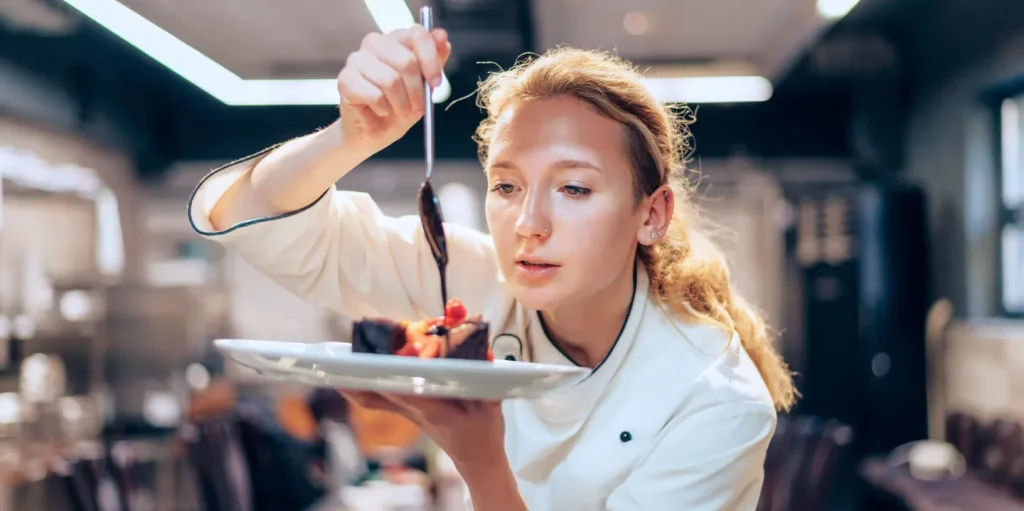
Despite the ongoing challenges, significant strides are being made to create a more inclusive and gender-equal culinary industry. Efforts to address gender disparities in the kitchen are coming from both the grassroots level and institutional reform, with organizations, individuals, and initiatives actively working to break down barriers and provide women with the support and opportunities they deserve.
1. Female Chefs and Restaurateurs Leading the Way
In recent years, women have been increasingly taking the reins in kitchens across the world. Pioneers such as Dominique Crenn (the first female chef in the U.S. to receive three Michelin stars), Clare Smyth, and Ana Ros have not only achieved remarkable success in the culinary world but have also used their platforms to advocate for gender equality. These women have proven that success in the kitchen is not bound by gender, and their stories are helping to inspire the next generation of female chefs.
2. The Rise of Female-Centric Culinary Programs and Networks
Another important development has been the creation of networks and programs designed to support and uplift women in the culinary industry. Organizations like Women Chefs and Restaurateurs (WCR), The Women’s Culinary Alliance, and The Culinary Institute of America’s Women in Culinary Leadership program have become instrumental in providing mentorship, networking opportunities, and resources to women seeking to advance their culinary careers.
These initiatives are vital in fostering a more inclusive environment where women are given the tools they need to succeed. Additionally, they help build a community of women who can support each other in navigating the unique challenges they face in the kitchen.
3. Changing Workplace Culture: Towards Inclusion and Support
There has also been a growing movement within the industry to address toxic workplace cultures. Many forward-thinking restaurants are now implementing policies designed to reduce harassment, promote inclusivity, and support work-life balance. For example, restaurants like Blue Hill at Stone Barns in New York have adopted progressive policies around flexible hours and family leave to help support women in the industry.
In addition, some restaurants and culinary institutions are actively working to diversify their leadership teams, making concerted efforts to ensure that women are represented at the top. This includes offering leadership training programs, implementing anti-discrimination policies, and fostering a culture of respect and inclusivity within the kitchen.
The Road Ahead: What Needs to Be Done
While there has been significant progress, there is still much work to be done to achieve gender equality in the culinary world. The following areas are critical to creating lasting change:
1. Addressing the Pay Gap
A major priority in the fight for gender equality in the kitchen is closing the pay gap. Female chefs and kitchen staff should be paid equally for equal work, regardless of gender. Ensuring fair wages, alongside eliminating the systemic barriers that keep women in lower-paying positions, will be essential for creating an equitable industry.
2. Promoting Diversity in Leadership
Encouraging more women to take leadership roles in the kitchen will require changes to traditional leadership models. The industry must shift away from hyper-masculine standards and create leadership environments that support women, particularly in terms of mentorship, recognition, and career advancement.
3. Creating Supportive Work Environments
Finally, fostering a supportive work environment that acknowledges the challenges women face in balancing work and family responsibilities is essential. By providing greater flexibility, promoting work-life balance, and creating policies that prevent harassment and discrimination, the industry can create a more welcoming environment for women to succeed in.
Conclusion: A New Era for Women in the Kitchen
The journey toward gender equality in the kitchen is far from over, but significant progress is being made. Women are increasingly carving out their space in professional kitchens, rising to leadership roles, and proving that talent knows no gender. By continuing to address the challenges women face in the culinary industry—whether it’s gender bias, pay inequality, or toxic work environments—society can create a more inclusive, fair, and supportive industry for the next generation of chefs, restaurateurs, and culinary innovators. With continued advocacy, education, and support, the kitchen can become a truly equal space where talent is the only thing that matters.