









Introduction: The Evolution of Grocery Management
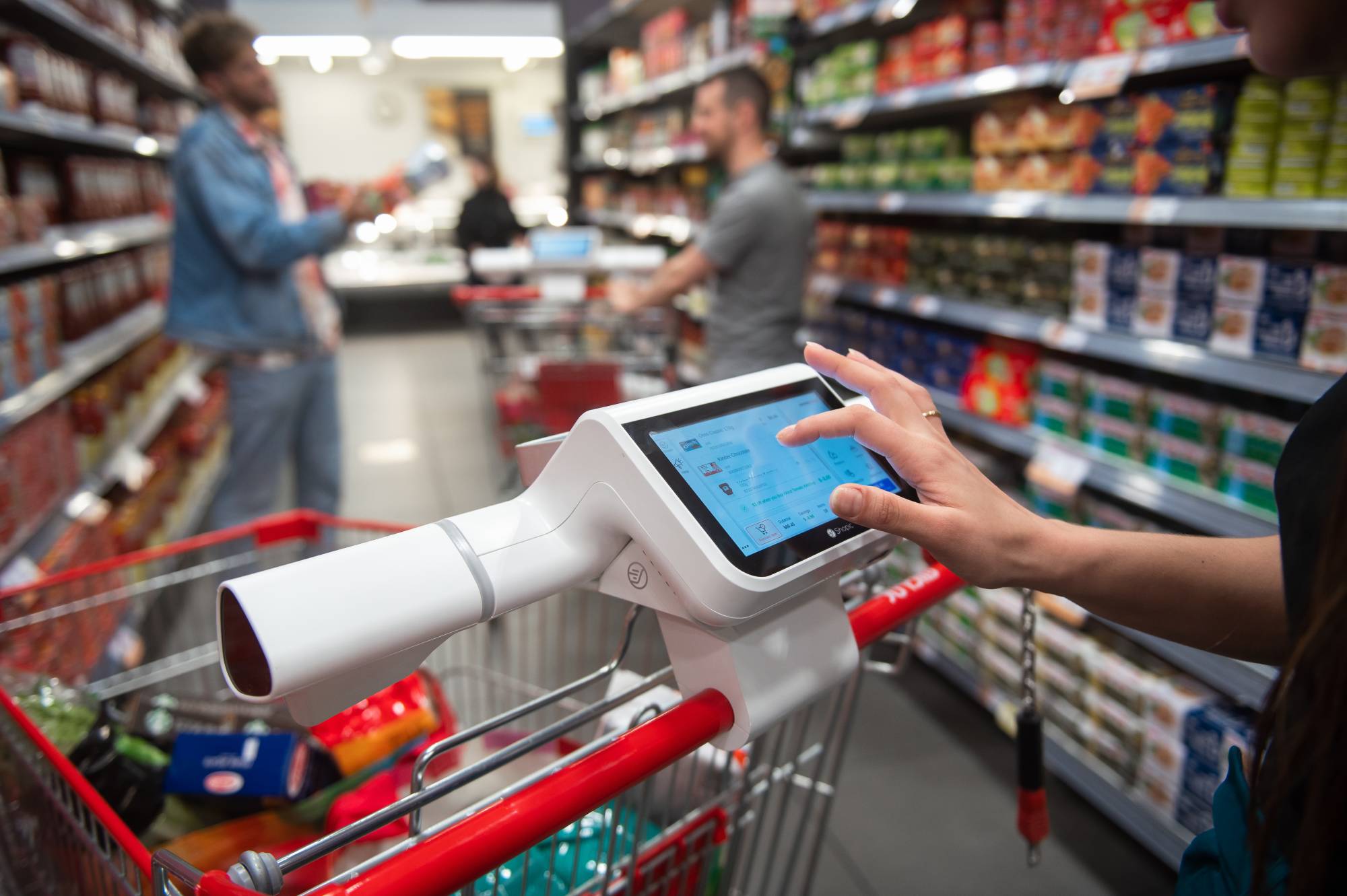
In the modern era, smart shopping lists and inventory management systems have transformed how households and businesses approach food procurement and consumption. Leveraging digital technology, artificial intelligence (AI), and the Internet of Things (IoT), these systems streamline grocery planning, minimize food waste, and optimize nutrition and budgeting.
Traditional shopping methods often rely on memory, paper lists, or intuition, leading to inefficient purchases, forgotten items, and overstocking. In contrast, intelligent solutions integrate data from consumption patterns, inventory levels, and personal preferences, enabling real-time decision-making and predictive shopping.
This article explores the technological foundations, practical applications, benefits, challenges, and future directions of smart shopping lists and inventory management, highlighting their potential to revolutionize both home kitchens and commercial food operations.
Section 1: Fundamentals of Smart Shopping Lists
1.1 Definition and Functionality
Smart shopping lists are digital tools that organize and optimize grocery purchases based on user preferences, consumption history, and dietary requirements. Key features include:
- Automatic item suggestions: AI algorithms predict items based on past purchases.
- Categorization and prioritization: Products are grouped by type, store section, or expiration date.
- Integration with recipes and meal plans: Lists adjust dynamically according to planned meals.
1.2 Technological Integration
- Mobile applications: Cloud-based apps synchronize lists across multiple devices.
- Voice assistants: Smart speakers enable hands-free addition of items.
- Barcode scanning and QR codes: Facilitate quick entry of products and tracking of details.
- Predictive analytics: Algorithms analyze consumption patterns to forecast future needs.
1.3 User Experience Benefits
- Reduces time spent on planning and shopping.
- Improves accuracy and completeness of purchased items.
- Encourages budget-conscious shopping by tracking costs in real time.
- Supports dietary compliance by highlighting items aligned with health goals.
Section 2: Inventory Management in the Kitchen
2.1 Definition and Scope
Inventory management involves tracking, organizing, and optimizing the storage of food products in both domestic and commercial kitchens. Modern systems go beyond simple lists, providing:
- Real-time tracking of stock levels.
- Expiration date monitoring with alerts for perishable items.
- Integration with shopping lists for automated replenishment.
2.2 Key Components
- IoT sensors: Detect quantity, temperature, and freshness of stored items.
- RFID and NFC tags: Enable item identification and history tracking.
- Database management systems: Maintain records of product characteristics, purchase dates, and supplier information.
- Analytics dashboards: Visualize inventory status and consumption trends.
2.3 Advantages of Smart Inventory
- Minimizes food waste by alerting users to expiring items.
- Optimizes stock levels, preventing over-purchasing and under-stocking.
- Enhances meal planning and recipe management by knowing what ingredients are available.
- Facilitates budget and resource management in households and restaurants.
Section 3: Integrating Smart Shopping and Inventory Systems
3.1 Seamless Data Flow
Combining smart shopping lists with inventory management creates a closed-loop ecosystem:
- Inventory data informs shopping lists: items running low are automatically added.
- Purchase data updates inventory: quantities and expiration dates are adjusted in real-time.
- Consumption data refines predictions: AI algorithms improve forecasting for future needs.
3.2 Smart Kitchen Ecosystem
- Connected appliances: Refrigerators, pantries, and smart shelves communicate with apps.
- Recipe and meal planning integration: Suggestions are tailored to available ingredients.
- Automated replenishment: Some systems can order groceries online when stock falls below thresholds.
3.3 Practical Applications
- Home kitchens: Simplify weekly grocery trips and reduce household food waste.
- Restaurants and cafes: Track perishable ingredients, streamline procurement, and prevent stock shortages.
- Supermarkets and supply chains: Optimize shelf inventory and reduce spoilage.
Section 4: Technological Innovations
4.1 AI and Machine Learning
- Predictive models analyze consumption patterns to suggest quantities and timing for purchases.
- Algorithms adjust for seasonal trends, household size, and dietary preferences.
- Machine learning improves forecasting accuracy over time as more consumption data is collected.
4.2 IoT and Sensor Technologies
- Smart fridges and pantries track item weight, temperature, and freshness.
- Sensors detect humidity and spoilage indicators, triggering alerts.
- Integration with smart scales and cameras provides visual confirmation of stock levels.
4.3 Mobile and Cloud Platforms
- Synchronize data across devices for multi-user households.
- Enable remote monitoring and updates on inventory and shopping needs.
- Facilitate real-time notifications and alerts for item replenishment.
Section 5: Reducing Food Waste and Enhancing Sustainability
5.1 Waste Reduction Strategies
- Automatic alerts for expiring items encourage timely consumption.
- Recipes suggested based on near-expiry ingredients reduce unnecessary disposal.
- Batch tracking helps monitor portion sizes and spoilage rates.
5.2 Environmental Impact
- Less waste reduces greenhouse gas emissions associated with landfill decomposition.
- Optimized shopping reduces overproduction and supply chain inefficiencies.
- Encourages seasonal and locally sourced purchases, reducing transportation footprint.
5.3 Case Studies
- Smart fridges in households: Up to 30% reduction in food waste reported in pilot studies.
- Restaurant inventory apps: Decrease spoilage by tracking usage patterns and alerting staff.
- Grocery apps with dynamic lists: Optimize purchases based on household consumption trends.
Section 6: Enhancing Nutrition and Personalized Diets
6.1 Dietary Management
- Smart lists track macronutrient and micronutrient intake based on purchased ingredients.
- AI recommends foods aligned with weight management, diabetes, or cardiovascular health goals.
- Inventory alerts prevent repeated purchase of unhealthy options and encourage balanced diets.
6.2 Integration with Meal Planning
- Automatic recipe suggestions based on inventory maximize ingredient utilization.
- Personalized meal plans incorporate seasonal and fresh ingredients.
- Supports special diets: vegan, gluten-free, low-sodium, or ketogenic options.
Section 7: Economic Benefits
7.1 Cost Management
- Accurate inventory tracking reduces over-purchasing and duplicate items.
- Smart shopping lists optimize budget allocation, tracking spending trends.
- Data-driven decisions enable bulk buying of non-perishable items, reducing overall costs.
7.2 Time Efficiency
- Reduces time spent creating shopping lists and performing manual inventory checks.
- Streamlined grocery trips improve work-life balance and operational efficiency.
- Enables automated procurement in commercial kitchens, reducing labor costs.
Section 8: Challenges and Limitations
8.1 Technological Barriers
- High initial cost of smart appliances and sensors.
- Compatibility issues between devices, apps, and platforms.
- Data privacy concerns regarding household consumption patterns.
8.2 User Adoption
- Learning curve for less tech-savvy users.
- Resistance to change from traditional shopping and inventory methods.
- Over-reliance on automated systems may reduce manual awareness of pantry contents.
8.3 Data Accuracy and Reliability
- Sensor errors may lead to incorrect stock information.
- Misaligned inventory updates can cause stockouts or over-ordering.
- Dependence on external supply chains may affect predictive accuracy.
Section 9: Future Trends and Opportunities
9.1 AI-Driven Optimization
- Advanced algorithms predicting shopping patterns months in advance.
- Machine learning integrating health, taste preferences, and seasonal availability.
- Real-time dynamic pricing alerts to optimize purchases.
9.2 Integration with Smart Homes
- Connected appliances provide autonomous inventory updates and replenishment.
- Voice-controlled assistants enable hands-free management of lists and stock.
- Smart kitchens integrate with dietary apps, recipe platforms, and e-commerce.
9.3 Sustainable and Ethical Consumption
- Linking inventory data to carbon footprint tracking for informed shopping choices.
- AI recommending locally sourced or eco-friendly products.
- Encouraging minimal waste, seasonal purchases, and sustainable packaging.
9.4 Commercial and Industrial Applications
- Restaurants, hotels, and catering services adopting centralized smart inventory systems.
- Supply chains leveraging AI for demand forecasting and spoilage reduction.
- Food retailers optimizing shelf space, promotions, and inventory turnover.
Section 10: Case Studies
10.1 Household Implementation
- Smart fridges combined with mobile apps track perishable items and suggest recipes.
- Families report reduced food waste, improved nutrition, and time savings.
10.2 Restaurant Inventory Systems
- Cloud-based apps integrate POS systems, supplier databases, and real-time consumption tracking.
- Restaurants achieve 30–40% reduction in spoilage and optimized labor efficiency.
10.3 Grocery Retail Platforms
- Dynamic shopping list apps personalize promotions and suggest seasonal produce.
- AI-driven recommendations increase customer satisfaction and loyalty while reducing waste.
Conclusion: Transforming Grocery Management through Intelligence
Smart shopping lists and inventory management represent a paradigm shift in how we interact with food. By integrating AI, IoT, and cloud technologies, these systems:
- Reduce food waste and environmental impact.
- Optimize household and commercial budgeting.
- Enhance nutrition, convenience, and culinary creativity.
- Support sustainable consumption practices and data-driven decision-making.
As technology continues to evolve, the convergence of smart kitchens, personalized nutrition, and predictive inventory management promises a future where food is efficiently sourced, responsibly consumed, and maximally enjoyed.
By embracing these innovations, both individuals and businesses can achieve operational efficiency, promote sustainability, and elevate the culinary experience through intelligent, data-driven food management.