









Introduction: The Rise of High-Protein, Low-Carb, Low-Sugar Diets
In recent years, high-protein, low-carbohydrate, and low-sugar diets have gained widespread popularity among health-conscious consumers, athletes, and busy professionals. These dietary approaches aim to support muscle growth, improve metabolic health, manage blood sugar levels, and enhance satiety, all while maintaining convenience in daily meal preparation.
Modern culinary trends emphasize not just nutritional value but also speed and simplicity, enabling individuals to incorporate healthy meals into busy lifestyles. Quick preparation techniques, versatile ingredients, and innovative cooking methods have transformed the way high-protein, low-carb, low-sugar meals are approached.
This article provides a comprehensive guide to nutritional principles, ingredient selection, cooking strategies, meal planning, and practical recipes, allowing readers to create delicious, health-conscious meals quickly.
Section 1: Nutritional Principles of High-Protein, Low-Carb, Low-Sugar Diets
1.1 Protein: Building Blocks of Health
- Proteins are essential for muscle repair, enzyme production, hormone regulation, and immune function.
- Sources include lean meats, poultry, fish, eggs, dairy, legumes, and plant-based protein powders.
- Quick preparation can leverage pre-cooked proteins or high-quality protein powders for shakes and smoothies.
1.2 Carbohydrates: Smart Reduction
- Low-carb strategies focus on minimizing refined grains and sugars while including fiber-rich vegetables and limited whole grains.
- Reducing carbs helps regulate blood glucose levels, enhances satiety, and supports weight management.
- Emphasis is placed on non-starchy vegetables, leafy greens, and certain fruits like berries.
1.3 Sugar Management
- Low-sugar approaches avoid added sugars in sauces, beverages, and snacks.
- Natural sweeteners like stevia, monk fruit, or erythritol are used sparingly.
- Maintaining low sugar enhances metabolic efficiency and reduces insulin spikes.
1.4 Caloric Balance and Satiety
- High-protein meals increase satiety, which helps control caloric intake.
- Combining protein with healthy fats and fiber-rich vegetables promotes fullness and energy stability.
Section 2: Ingredient Selection for Quick Meals
2.1 Protein Sources
- Animal-based: Chicken breast, turkey, salmon, eggs, Greek yogurt, cottage cheese.
- Plant-based: Tofu, tempeh, lentils, chickpeas, seitan, protein-enriched plant milks.
- Convenience options: Pre-cooked chicken strips, canned tuna, frozen fish fillets.
2.2 Low-Carb Vegetables
- Leafy greens: Spinach, kale, arugula.
- Cruciferous vegetables: Broccoli, cauliflower, Brussels sprouts.
- Others: Zucchini, bell peppers, asparagus, mushrooms.
2.3 Healthy Fats
- Sources: Avocado, nuts, seeds, olive oil, coconut oil.
- Fats support flavor, satiety, and nutrient absorption in low-carb meals.
2.4 Flavor Enhancers
- Fresh herbs: Basil, cilantro, parsley, dill.
- Spices: Paprika, turmeric, cumin, black pepper, chili.
- Acidic ingredients: Lemon, lime, vinegar for brightness and complexity.
2.5 Convenience Staples
- Frozen vegetables for quick stir-fries or soups.
- Pre-cooked grains like quinoa or cauliflower rice for rapid meal assembly.
- Ready-to-use protein powders for shakes and smoothies.
Section 3: Quick Cooking Techniques
3.1 Sautéing and Stir-Frying
- High heat, minimal oil, short cooking time preserves nutrients and texture.
- Ideal for thinly sliced meats and vegetables.
- Enhances natural flavors without added sugars.
3.2 Grilling and Broiling
- Quick method for protein-rich foods like fish, chicken, and tofu.
- Achieves caramelization and flavor depth without added carbohydrates.
3.3 Steaming and Blanching
- Preserves vitamins and color in vegetables.
- Fast technique compatible with meal prep and batch cooking.
3.4 Microwaving and Pressure Cooking
- Efficient for rapid preparation of proteins and vegetables.
- Retains freshness and nutrients while reducing cooking time.
3.5 One-Pot and Sheet Pan Meals
- Combine protein, vegetables, and healthy fats in a single cooking vessel.
- Minimal cleanup and maximum efficiency.
Section 4: Meal Planning Strategies
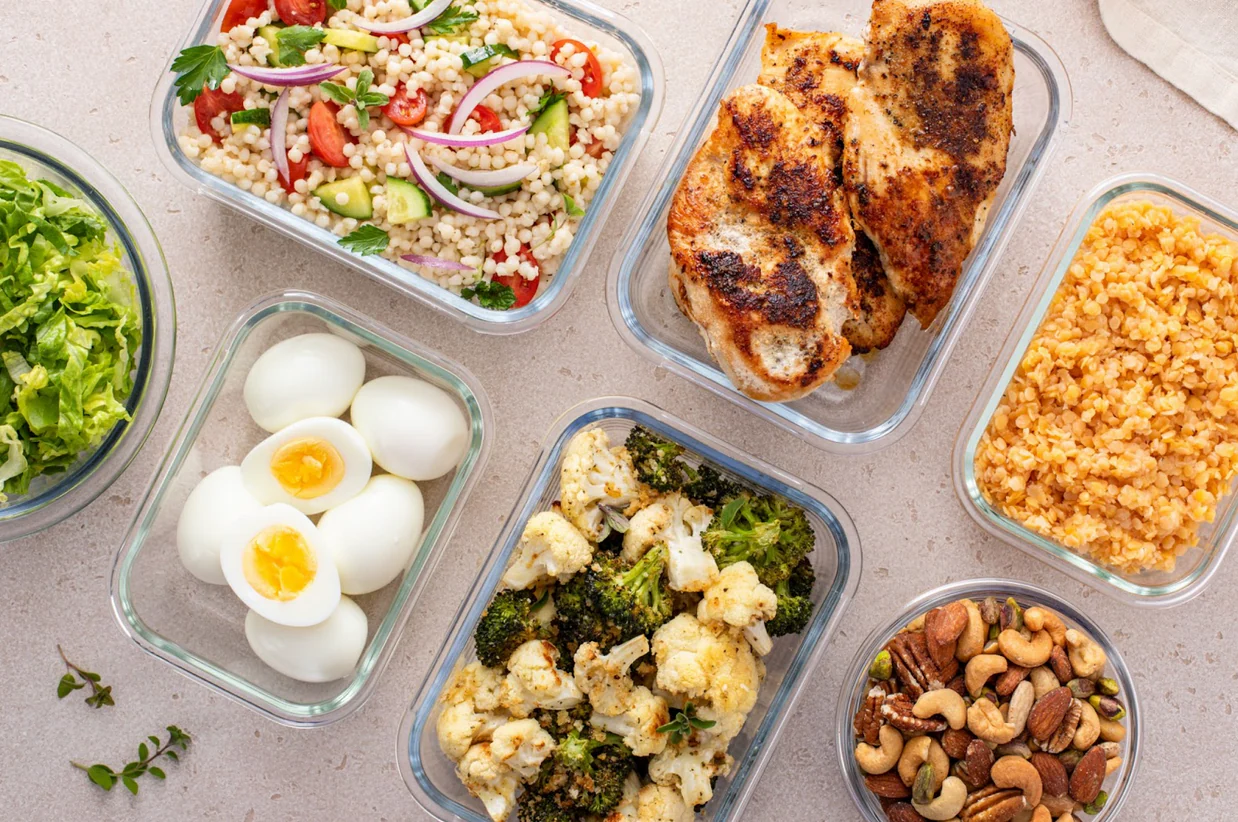
4.1 Batch Cooking
- Prepare proteins, vegetables, and sauces in advance for the week.
- Store in airtight containers to maintain freshness.
- Allows quick assembly of meals in under 15 minutes.
4.2 Modular Meal Components
- Cook individual components separately to mix and match.
- Example: Chicken breast, roasted broccoli, and cauliflower rice can form different meal combinations.
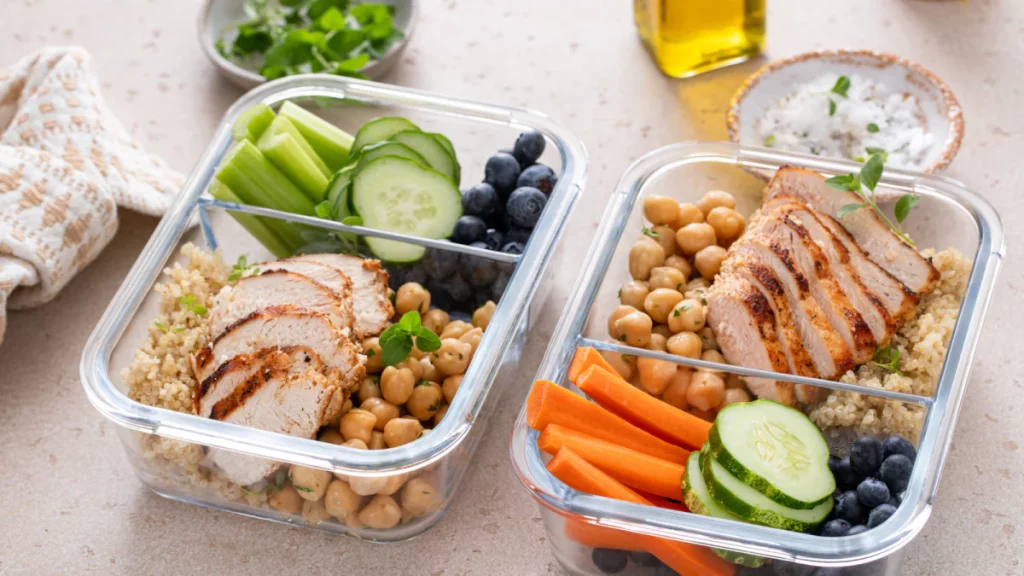
4.3 Portion Control
- Pre-portion protein, vegetables, and fats to manage macronutrient balance.
- Reduces food waste and ensures nutritional consistency.
4.4 Time-Saving Tools
- Food processors and mandolins for rapid vegetable prep.
- High-powered blenders for protein shakes and pureed sauces.
- Vacuum-sealed storage to prolong freshness and allow batch cooking.
Section 5: Sample Quick Recipes
5.1 Breakfast: Veggie Egg Muffins
- Ingredients: Eggs, spinach, bell peppers, onion, feta cheese.
- Method: Mix ingredients, pour into muffin tins, bake 12–15 minutes.
- Benefits: High protein, low carb, portable.
5.2 Lunch: Grilled Salmon with Cauliflower Rice
- Ingredients: Salmon fillet, garlic, olive oil, cauliflower rice, broccoli.
- Method: Grill salmon, sauté cauliflower rice and broccoli with garlic.
- Benefits: Omega-3 rich, low-carb, high-protein.
5.3 Snack: Greek Yogurt and Berry Bowl
- Ingredients: Greek yogurt, fresh berries, chia seeds, stevia.
- Method: Combine ingredients in a bowl. Serve chilled.
- Benefits: Quick, high-protein, low-sugar snack.
5.4 Dinner: Chicken and Zucchini Stir-Fry
- Ingredients: Chicken strips, zucchini, bell peppers, soy sauce alternative, ginger, sesame oil.
- Method: Stir-fry chicken until cooked, add vegetables, sauté for 3–5 minutes.
- Benefits: Rapid cooking, nutrient-dense, low-carb.
5.5 Smoothie: Protein-Packed Green Shake
- Ingredients: Plant-based protein powder, spinach, cucumber, almond milk, chia seeds.
- Method: Blend all ingredients until smooth. Serve immediately.
- Benefits: Refreshing, nutrient-dense, portable.
Section 6: Ingredient Substitutions for Flexibility
6.1 Protein Alternatives
- Swap chicken with turkey, tofu, tempeh, or fish for variety.
- Use canned beans or lentils for plant-based protein in quick recipes.
6.2 Vegetable Swaps
- Substitute broccoli with Brussels sprouts, kale, or green beans.
- Replace cauliflower rice with shredded zucchini or cabbage.
6.3 Flavor Enhancements
- Fresh herbs can replace dried spices for enhanced aroma.
- Lemon or vinegar can substitute for sugar-based dressings.
Section 7: Time-Saving Meal Prep Tips
7.1 Pre-Chopping Vegetables
- Wash, chop, and store vegetables in airtight containers.
- Reduces preparation time for multiple meals.
7.2 Pre-Cooking Proteins
- Grill or bake proteins in bulk, store in portion-controlled containers.
- Allows quick reheating without compromising texture.
7.3 Multi-Tasking Techniques
- Cook grains or rice in one pot while sautéing vegetables.
- Use slow cookers or Instant Pots to prepare overnight meals.
7.4 Freezing for Convenience
- Freeze pre-portioned meals to extend shelf life.
- Maintain nutrient density by blanching vegetables before freezing.
Section 8: Nutritional Monitoring and Tracking
8.1 Macronutrient Balance
- Maintain high protein (25–35%), moderate healthy fats (30–35%), low carbohydrate (20–30%) ratios.
- Track portions using apps or meal logs for accuracy.
8.2 Sugar Monitoring
- Avoid hidden sugars in sauces, dressings, and beverages.
- Opt for natural, low-glycemic ingredients to maintain energy levels.
8.3 Micronutrient Considerations
- Ensure sufficient intake of vitamins and minerals via leafy greens, colorful vegetables, and fortified foods.
- Include omega-3 fatty acids, potassium, magnesium, and fiber in meal planning.
Section 9: Challenges and Solutions
9.1 Flavor Retention
- Low-carb and low-sugar meals can sometimes be perceived as bland.
- Solution: Use herbs, spices, and acid to enhance flavor without added sugar.
9.2 Ingredient Accessibility
- Some specialty low-carb ingredients may be hard to find.
- Solution: Plan for flexible substitutions using common, locally available produce.
9.3 Time Constraints
- Busy schedules may limit cooking time.
- Solution: Focus on meal prep, batch cooking, and multi-tasking to reduce daily cooking effort.
9.4 Consistency and Palatability
- Maintaining texture and freshness in reheated meals can be difficult.
- Solution: Use quick-cooking proteins, steaming, and appropriate storage techniques.
Section 10: Technological Support and Kitchen Tools
10.1 Blenders and Food Processors
- Ideal for smoothies, purees, and chopped vegetables.
- Reduce preparation time and improve texture consistency.
10.2 Sous-Vide and Instant Pot
- Precise cooking methods preserve moisture, nutrients, and flavor.
- Reduce overcooking and preparation stress.
10.3 Storage Solutions
- Airtight containers, vacuum sealers, and portioned freezer packs maintain freshness.
- Labeling systems ensure proper rotation and usage of ingredients.
10.4 Digital Meal Planning Apps
- Track ingredient availability, macronutrients, and recipe rotation.
- Optimize shopping lists for time, cost, and nutritional goals.
Section 11: Future Trends
11.1 Protein Innovations
- Plant-based and lab-grown proteins provide quick, sustainable options.
- Ready-to-use protein isolates streamline meal prep.
11.2 Smart Kitchen Appliances
- AI-enabled cooking tools optimize cooking time, temperature, and nutrient retention.
- Automated meal prep devices reduce human error and save time.
11.3 Functional Ingredients
- Incorporation of fiber-rich powders, adaptogens, and probiotics enhances nutrition without sugar or carbs.
- Supports metabolic health, immunity, and gut function.
Conclusion: Combining Health, Speed, and Flavor
High-protein, low-carb, and low-sugar meals are no longer restricted to long cooking sessions or complicated recipes. By leveraging ingredient selection, quick cooking methods, meal prep strategies, and technological tools, individuals can create meals that are nutritionally dense, flavorful, and convenient.
Key takeaways include:
- Prioritize versatile, nutrient-rich proteins for muscle support and satiety.
- Use non-starchy vegetables and low-glycemic fruits to maintain energy balance.
- Implement batch cooking, pre-portioned meals, and smart storage to save time.
- Enhance flavor naturally through herbs, spices, and acids.
- Leverage technology and planning tools for efficiency and consistency.
Integrating these principles allows busy professionals, fitness enthusiasts, and health-conscious individuals to enjoy flavorful meals, maintain dietary goals, and optimize daily cooking time without compromising freshness or nutritional integrity.