










Introduction
In contemporary culinary practice, a kitchen is no longer merely a place for preparing basic meals—it has evolved into a dynamic workspace capable of supporting diverse cooking styles, dietary requirements, and creative experimentation. Modern households and professional kitchens alike seek to maximize versatility, enabling the preparation of everything from quick weeknight dinners to elaborate gastronomic creations.
Versatility in the kitchen refers to the capacity to handle a wide range of cooking methods, cuisines, and dietary needs without compromising efficiency, nutrition, or taste. With the rising interest in healthy eating, international cuisines, and culinary innovation, equipping kitchens with the right tools, layout, ingredients, and technology is increasingly essential.
This article explores how to design and equip kitchens to be truly versatile, covering appliances, tools, ingredients, storage strategies, workflow optimization, culinary techniques, and future innovations. It provides a comprehensive guide for chefs, culinary enthusiasts, and home cooks striving for a multifunctional culinary environment.
1. The Concept of Versatility in Modern Kitchens
1.1 Changing Culinary Demands
- Increasing popularity of home-cooked meals, global cuisines, and dietary personalization
- Rising consumer interest in special diets: vegetarian, vegan, gluten-free, keto, low-sodium, and allergen-friendly
- Desire to maximize efficiency without sacrificing creativity
1.2 Benefits of a Versatile Kitchen
- Enables preparation of a wide array of dishes quickly and efficiently
- Facilitates nutritionally balanced meals across multiple diets
- Supports culinary experimentation and professional-grade techniques at home
- Improves workflow and reduces food waste
1.3 Versatility vs. Complexity
- A versatile kitchen is not about clutter or overloading with tools
- It emphasizes multi-functional appliances, modular tools, and adaptable workflows
- Key principle: do more with less
2. Core Appliances for Versatile Cooking
2.1 Multi-Functional Cooktops
- Induction, gas, and electric cooktops should support simultaneous cooking with precise temperature control
- Advantages:
- Rapid heating
- Consistent cooking
- Compatibility with diverse cookware
2.2 Smart Ovens and Convection Units
- Convection ovens and smart ovens support baking, roasting, steaming, and broiling
- Programmable features allow preset temperatures, timers, and multi-stage cooking
- Can replicate professional techniques such as low-temperature sous-vide-style roasting
2.3 Pressure Cookers and Multi-Cookers
- Allow for rapid cooking without nutrient loss
- Suitable for stews, grains, legumes, soups, and even yogurt preparation
2.4 Air Fryers and Steam Ovens
- Air fryers reduce oil consumption while producing crispy textures
- Steam ovens preserve vital nutrients in vegetables, seafood, and poultry
2.5 Refrigeration and Storage Systems
- Adjustable, zoned refrigeration ensures ingredient freshness for multiple cuisines
- Separate compartments for proteins, vegetables, and dairy minimize cross-contamination and flavor transfer
3. Essential Tools for Culinary Flexibility
3.1 Modular Cookware
- Non-stick and stainless steel pans, cast iron skillets, and enameled pots
- Interchangeable lids and inserts allow steaming, braising, sautéing, and frying
- Stackable and space-efficient for compact storage
3.2 Knives and Cutting Tools
- Chef’s knife, paring knife, serrated knife, and boning knife cover all prep needs
- Mandoline slicers and vegetable choppers enhance speed and precision
3.3 Specialty Tools
- Blender, food processor, immersion blender: for soups, sauces, purees, and smoothies
- Microplane graters and zesters for herbs, citrus, and spices
- Mandolin or spiralizer for creative vegetable presentation
3.4 Measuring and Mixing Equipment
- Digital scales ensure accuracy for recipes and portion control
- Mixing bowls of varying sizes, silicone spatulas, and whisks for efficient prep and multi-tasking
4. Ingredients and Pantry Design
4.1 Stocking a Versatile Pantry
- Whole grains: rice, quinoa, oats, couscous
- Proteins: legumes, canned tuna, chicken, tofu, tempeh
- Condiments: oils, vinegars, low-sodium sauces, spices
- Quick-access fresh produce and herbs
4.2 Ingredient Organization
- Clear containers with labels for grains, legumes, nuts, and spices
- Adjustable shelving to accommodate varying ingredient sizes
- Cold storage zoning for fruits, vegetables, dairy, and proteins
4.3 Flexible Ingredient Use
- Multi-use ingredients allow cross-cuisine applications
- Example: chickpeas for hummus, salads, stews, and stir-fries
- Encourages creative meal preparation without frequent shopping trips
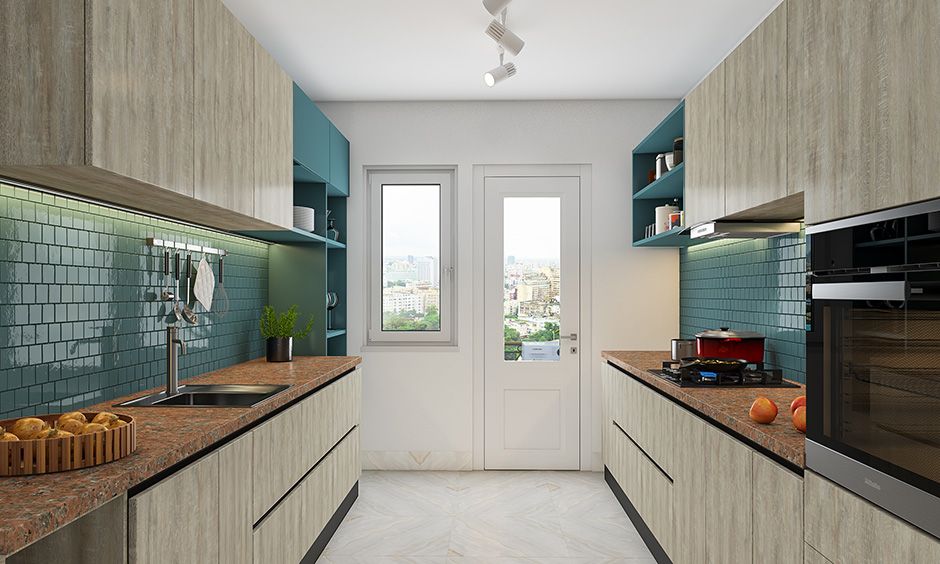
5. Kitchen Layout and Workflow
5.1 Functional Zones
- Prep zone: cutting, mixing, measuring
- Cooking zone: cooktops, ovens, air fryers
- Plating zone: assembly and garnishing
- Storage zone: pantry, refrigeration, utensils
5.2 Efficient Movement
- Arrange zones in a triangle workflow: fridge → prep → cooking → plating
- Reduces redundant movement and time waste
5.3 Space Optimization
- Pull-out drawers for pots, pans, and utensils
- Overhead racks for spices and frequently used tools
- Modular shelving and rolling carts for flexible workspace expansion
6. Cooking Techniques for Versatility
6.1 Multi-Method Cooking
- Sauté → steam → roast → grill within a single workflow
- Examples: roast vegetables in oven, sauté proteins on stovetop, steam grains simultaneously
6.2 Meal Prep for Variety
- Batch cook proteins and vegetables
- Portion and season differently for multiple cuisines or dietary preferences
6.3 Cross-Cultural Techniques
- Blend cooking methods from different cuisines:
- Sous-vide chicken with Mediterranean seasoning
- Asian-style stir-fried vegetables alongside quinoa pilaf
- Enables a kitchen to produce global menu diversity
7. Technology Integration
7.1 Smart Appliances
- Wi-Fi-enabled ovens, cooktops, and multi-cookers
- Monitor cooking progress remotely
- Adjust settings for precise temperatures and timing
7.2 Recipe and Inventory Apps
- Track ingredient availability
- Suggest recipes based on what is on hand
- Optimize meal planning and minimize food waste
7.3 AI-Assisted Cooking
- AI can generate custom recipes, portion sizes, and cooking methods
- Helps achieve cuisine diversity and nutritional balance efficiently
8. Case Studies: Implementing a Versatile Kitchen
8.1 Family Kitchen
- Equipped with induction cooktop, air fryer, blender, and sheet pans
- Pantry stocked with grains, legumes, fresh produce, and condiments
- Workflow allows simultaneous meal preparation for multiple family members
8.2 Professional Home Kitchen
- Smart oven, pressure cooker, and convection oven for advanced cooking techniques
- Knife station and prep zones for efficiency
- Adjustable shelving and modular storage to adapt to menu changes
8.3 Multi-Cuisine Capabilities
- Morning: breakfast smoothies and egg muffins
- Afternoon: quick stir-fry or pasta
- Evening: sheet-pan roast or slow-cooked stew
- Enables continuous meal variation with minimal stress
9. Challenges and Solutions
9.1 Limited Space
- Solution: modular, stackable cookware and multi-use appliances
- Rolling carts and foldable prep stations expand usable area
9.2 Ingredient Variety
- Solution: versatile, shelf-stable ingredients plus frozen produce
- Rotate fresh produce weekly for seasonal variety
9.3 Skill Level
- Solution: step-by-step guides, smart appliance presets, and online tutorials
- Encourages confidence and experimentation
9.4 Time Constraints
- Solution: batch cooking, pre-chopped ingredients, and appliance multitasking
- Reduces daily active cooking time without compromising variety or quality
10. Future Trends in Versatile Kitchens
10.1 Modular Smart Appliances
- Integrated ovens, cooktops, and storage with AI-assisted recipe management
- Supports personalized, multi-cuisine cooking
10.2 Sustainable and Zero-Waste Cooking
- Focus on ingredient optimization, portion control, and recycling
- Encourages eco-friendly cooking practices
10.3 Plant-Based and Functional Foods
- Easy adaptation of multi-cuisine kitchens for plant-forward meals
- Functional ingredients incorporated into diverse recipes
10.4 Culinary Education
- Kitchens designed for family, community, or educational settings
- Promote hands-on learning for children and adults in versatile cooking techniques
Conclusion
Equipping a kitchen for versatile cooking involves a holistic approach encompassing appliances, tools, layout, ingredients, workflow, and technology. A truly versatile kitchen enables:
- Preparation of multiple cuisines, dietary options, and complex recipes
- Efficient and time-conscious cooking for families or professionals
- Nutritionally balanced, flavorful, and diverse meals
- Sustainable practices and reduced food waste
Key strategies include:
- Investing in multi-functional appliances and modular cookware
- Optimizing kitchen workflow and space
- Maintaining a well-organized pantry with versatile ingredients
- Leveraging smart technology, AI, and meal-planning tools
As culinary expectations evolve, versatile kitchens are essential for modern households and professional environments, supporting creativity, efficiency, and holistic wellness in daily cooking practices.