








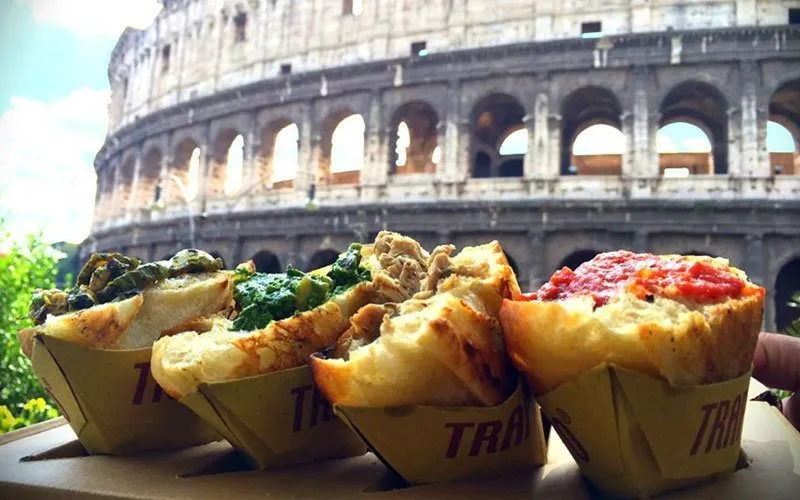

Street food has always held a special place in the culinary world. Beyond the glitz of fine dining and the polished interiors of gourmet restaurants, the streets tell stories through flavors, aromas, and textures. Hidden street food gems are the unsung heroes of local cuisine, offering a window into authentic culinary culture that often goes unnoticed by mainstream tourism. This exploration delves into the nuances of street food from around the world, highlighting the artistry, history, and innovation behind these humble yet extraordinary dishes.
The Allure of Hidden Street Food
Street food carries an irresistible charm. Its appeal lies in its accessibility, affordability, and cultural authenticity. Unlike commercialized restaurants, street vendors often rely on traditional recipes handed down through generations. These dishes reflect the local identity, climate, and available ingredients, making them deeply rooted in the region’s heritage. The best-hidden street food is not always the easiest to find; it requires curiosity, patience, and sometimes, the guidance of local insiders.
Cultural Significance
Every street food dish has a story. In Bangkok, the humble pad Thai tells a tale of national pride and culinary ingenuity. Originally popularized during the 1930s as a way to boost Thai identity, pad Thai is now a global favorite, yet the version cooked on a small street cart retains a depth of flavor often lost in mass-produced restaurant variants. Similarly, in Mexico City, tacos al pastor are more than just a meal—they encapsulate a fusion of Lebanese shawarma techniques and traditional Mexican ingredients, creating a dish that embodies migration, adaptation, and cultural blending.
Sensory Experience
Street food is a multisensory experience. The sizzling of meat on a grill, the vibrant colors of fresh vegetables, the aromatic spices wafting through the air—all contribute to an immersive culinary encounter. Unlike plated restaurant dishes, street food engages the eater in a direct, unpretentious way. This intimacy makes every bite feel personal, even when surrounded by crowds.
Regional Highlights
While street food exists worldwide, certain regions are particularly celebrated for their hidden gems. Let’s explore some of the most remarkable areas where street cuisine transcends mere sustenance to become a form of cultural art.
Southeast Asia
Southeast Asia is arguably the epicenter of street food culture. In cities like Bangkok, Ho Chi Minh City, and Penang, streets are alive with vendors selling everything from spicy noodle soups to sweet tropical treats.
- Thailand: Beyond the popular tourist spots, Bangkok has narrow alleys known as sois where vendors sell dishes like boat noodles, a savory combination of beef, pork, herbs, and a slightly sweet broth. These dishes are often served in tiny bowls, emphasizing communal eating and flavor concentration.
- Vietnam: Ho Chi Minh City’s street vendors offer banh xeo, a crispy savory pancake filled with shrimp, pork, and bean sprouts. Unlike restaurant versions, street-prepared banh xeo are cooked to order, ensuring freshness and an unforgettable crunch.
- Malaysia: Penang is a haven for hidden street food. Local markets feature char kway teow, a stir-fried rice noodle dish with smoky flavors derived from high-heat wok cooking. Vendors in hidden alleys have perfected this dish, balancing the saltiness of soy sauce with the sweetness of fresh seafood.
Middle East
The Middle East combines aromatic spices with fresh ingredients, creating street food that is both bold and nuanced.
- Israel: In Tel Aviv, sabich sandwiches—made of fried eggplant, hard-boiled eggs, hummus, and amba sauce—offer a vegetarian alternative bursting with flavor. Hidden street vendors have been perfecting this dish for decades, often adding their own secret spice blends.
- Turkey: Istanbul’s streets are lined with simit vendors, selling sesame-coated bread rings. While simple, these treats are a staple of local breakfast culture, and the subtle variations in dough and baking technique distinguish one vendor from another.
Latin America
Latin American street food combines indigenous ingredients with colonial influences, resulting in dishes that are vibrant, hearty, and deeply satisfying.
- Mexico: Street tacos, elote (grilled corn), and tamales are often best experienced in small, family-run stalls hidden from tourist-centric plazas. Vendors focus on quality, freshness, and traditional preparation methods.
- Peru: In Lima, street stalls offer anticuchos, skewered beef heart marinated in spices and grilled to perfection. This dish originated during the colonial era and has remained a favorite due to its rich, smoky flavor and historical significance.
Europe
Europe may be known for haute cuisine, but its streets also conceal culinary treasures.
- Italy: Rome’s supplì—fried rice balls stuffed with mozzarella and meat—are often found in small, family-owned shops tucked away from the main squares. These bites showcase the Italian talent for combining simplicity with exquisite taste.
- Portugal: Lisbon’s bifanas, marinated pork sandwiches served with mustard and spices, are staples at local markets. While tourist areas may offer them in a commercialized form, hidden stalls preserve the original robust flavor and tender meat.
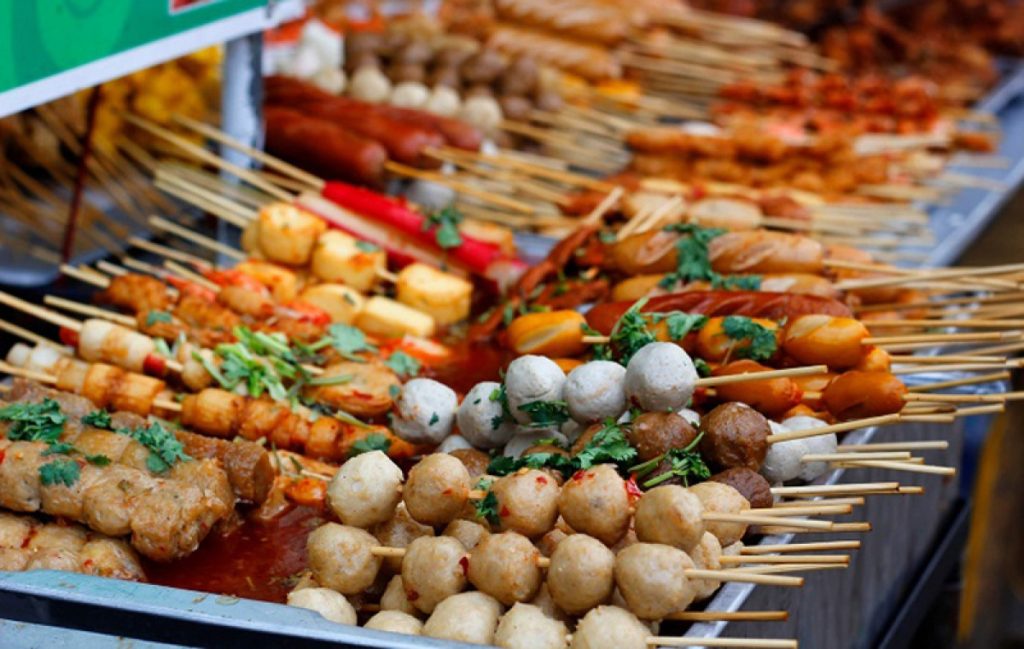
The Art of Street Food
Street food is not only about flavor—it is a craft. Vendors often operate with limited resources, yet they display remarkable culinary ingenuity.
Ingredients and Techniques
The choice of ingredients is crucial. Vendors select produce based on seasonality, freshness, and availability. In many cases, ingredients are sourced locally, creating a connection between the food and its environment. Techniques such as high-heat stir-frying, open-fire grilling, and fermenting highlight traditional cooking methods that enhance flavor and texture.
Presentation
While street food may seem informal, presentation is still important. Many vendors use vibrant garnishes, neatly arranged condiments, and carefully rolled wraps to enhance visual appeal. This balance between taste and aesthetics elevates the dining experience, making even a small snack memorable.
Finding Hidden Street Food Gems
Uncovering the best street food requires more than just walking through crowded markets. It involves research, exploration, and sometimes, a bit of bravery.
Local Recommendations
Engaging with locals is the most effective way to discover hidden gems. Residents often know which stalls have the best recipes, the freshest ingredients, and the most authentic flavors. Social media groups, local blogs, and culinary forums can also provide invaluable guidance.
Observing the Crowd
A simple but effective strategy is to follow the locals. Crowds often indicate quality, as busy stalls turn over ingredients quickly, ensuring freshness and reducing waste.
Timing and Location
Many street food stalls operate only during specific hours, often in the evenings or early mornings. Exploring alleyways, markets, and transportation hubs during these times can lead to unexpected culinary discoveries.
The Future of Street Food
Street food is evolving rapidly, adapting to modern tastes while preserving tradition.
Health and Sustainability
Increasingly, vendors are incorporating healthier ingredients, offering vegetarian and vegan options, and sourcing produce sustainably. The focus is on balance—maintaining the authenticity of traditional dishes while meeting contemporary dietary preferences.
Technology and Delivery
Digital platforms have transformed street food accessibility. Mobile apps allow vendors to reach wider audiences, enabling hidden gems to gain recognition beyond their local neighborhoods. Despite this, the essence of street food remains rooted in personal interaction, communal eating, and the immediacy of flavors experienced on the spot.
Conclusion
Hidden street food gems are more than just meals—they are cultural artifacts, sensory adventures, and culinary masterpieces in miniature. Exploring these foods requires curiosity, patience, and an openness to new experiences. From the spicy noodles of Southeast Asia to the savory skewers of Peru, these dishes connect us to the local stories, traditions, and people who create them. For those willing to step off the beaten path, street food offers a rich tapestry of flavors that cannot be replicated in any restaurant, no matter how refined.
By seeking out these hidden gems, travelers and food enthusiasts not only satisfy their palates but also contribute to the preservation of culinary heritage. Every bite tells a story, every aroma evokes memory, and every vendor carries a legacy that deserves recognition. Street food is more than sustenance—it is a journey, a celebration, and a testament to the ingenuity of human creativity.