








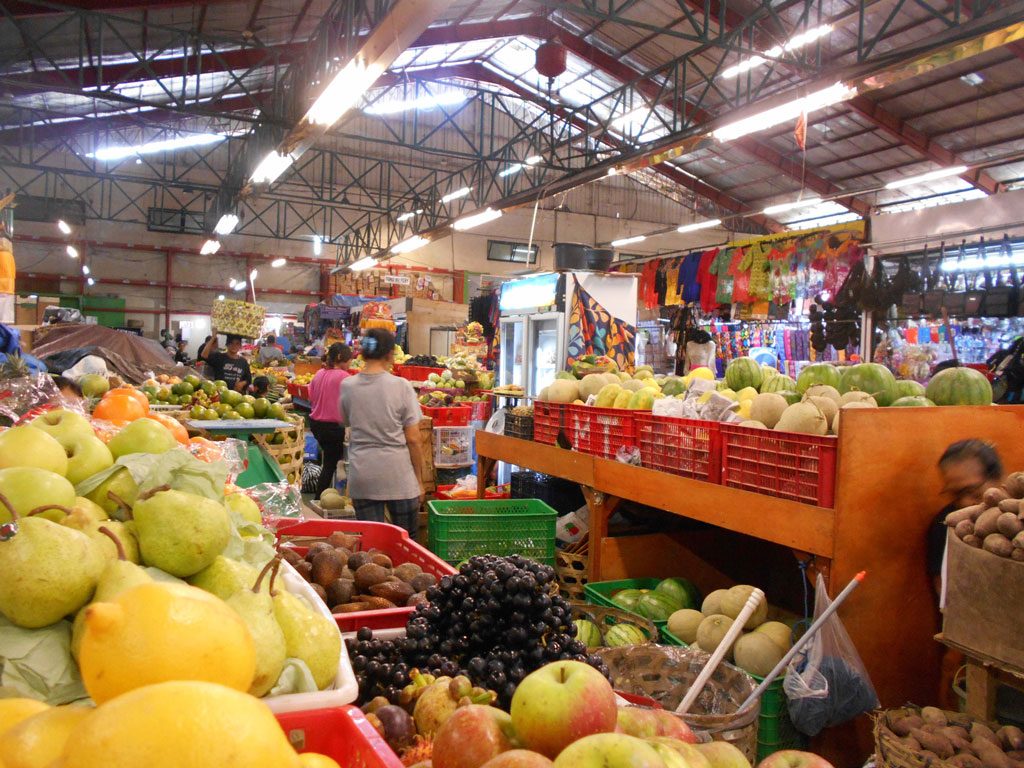

Food markets are more than centers of commerce—they are vibrant cultural hubs, repositories of culinary tradition, and laboratories of flavor. Across the globe, markets showcase the diversity of local ingredients, artisanal techniques, and community practices that shape a region’s cuisine. For travelers and food enthusiasts alike, exploring these markets offers an immersive experience, connecting them with the origins of the food they consume while revealing the stories and traditions behind each ingredient. This article presents a comprehensive exploration of food markets, examining their history, structure, cultural significance, regional highlights, and the transformative experience they offer to visitors.
The Cultural and Historical Significance of Food Markets
Food markets are often deeply intertwined with the history and culture of a city or region. They originated as communal spaces for the exchange of produce, livestock, and artisanal goods, evolving into institutions that reflect the local way of life.
Origins and Evolution
Historically, markets have served as the focal point of urban development:
- Ancient Civilizations: In ancient Rome and Greece, marketplaces were central to social life, serving as venues for trade, political discussion, and cultural exchange.
- Medieval Europe: Markets were integral to town economies, facilitating the trade of spices, grains, and local produce. Seasonal fairs often coincided with harvests, creating opportunities for cultural celebration alongside commerce.
- Asia: Markets in regions like China, Thailand, and India evolved into lively social hubs, offering street food, fresh produce, and traditional crafts, where culinary and cultural traditions intersected seamlessly.
Markets as Cultural Hubs
Markets provide insights into local customs, rituals, and tastes:
- Community Interaction: They serve as spaces for socialization, where vendors and consumers build relationships rooted in trust and tradition.
- Cultural Preservation: Local recipes, traditional techniques, and seasonal ingredients are often preserved and showcased through market activity.
- Storytelling: Vendors frequently share the history of their produce, cooking methods, or family traditions, adding narrative depth to the culinary experience.
Anatomy of a Food Market
Understanding the structure and components of food markets is key to appreciating their complexity and depth.
Market Layout
A well-structured food market typically includes distinct sections:
- Fresh Produce: Fruits, vegetables, herbs, and spices—often sourced from local farms and seasonal harvests.
- Protein and Dairy: Fresh seafood, meats, eggs, and artisanal cheeses that reflect regional farming and livestock practices.
- Prepared Foods: Ready-to-eat meals and snacks, ranging from street food stalls to small cafes offering traditional recipes.
- Specialty and Artisanal Products: Baked goods, preserves, fermented foods, and locally crafted items that provide insight into regional culinary craftsmanship.
Sensory Experience
Markets engage all five senses:
- Sight: Vibrant displays of fruits, spices, and cooked foods attract visitors and reveal local aesthetic sensibilities.
- Smell: Aromas of fresh produce, baked goods, and street food permeate the air, signaling freshness and flavor.
- Sound: The hum of bargaining, sizzling of food stalls, and chatter of vendors create an immersive auditory environment.
- Touch: Handling fresh produce and interacting with textures reinforces the tactile dimension of food exploration.
- Taste: Sampling offerings allows visitors to directly connect with the ingredients and culinary culture.
Regional Highlights: Food Markets Around the World
Food markets vary widely across regions, reflecting local climate, agriculture, and cultural practices.
Southeast Asia
- Bangkok’s Or Tor Kor Market: Renowned for its high-quality produce and fresh seafood, this market provides insights into Thailand’s agricultural techniques and culinary diversity. Vendors demonstrate preparation methods for dishes such as som tam (papaya salad) and boat noodles.
- Ho Chi Minh City Ben Thanh Market: A mix of street food stalls, spices, and textiles, offering visitors a complete sensory experience. Signature dishes include pho, banh xeo, and grilled seafood.
Europe
- La Boqueria, Barcelona: Beyond its colorful produce, La Boqueria integrates interactive tasting experiences, cooking demonstrations, and artisan showcases. Visitors gain a deeper understanding of Catalonia’s culinary history and local ingredient sourcing.
- Mercato Centrale, Florence: Combines fresh market produce with gourmet food stalls, emphasizing Tuscan traditions in cheese, cured meats, and handmade pasta. Guided tours often highlight seasonal and regional specialties.
Latin America
- Mercado de San Juan, Mexico City: Famous for exotic ingredients and traditional Mexican street foods, this market offers visitors stories of indigenous crops, regional dishes, and family-run stalls that have operated for decades.
- La Vega, Bogotá: Highlights Colombian culinary diversity with fresh coffee, tropical fruits, cheeses, and street snacks, emphasizing sustainable local sourcing.
Middle East
- Souk Al-Mubarakiya, Kuwait City: Features a blend of spices, dried fruits, fresh seafood, and prepared dishes, representing centuries-old trading routes and culinary fusion.
- Khan el-Khalili, Cairo: Combines food stalls with traditional crafts, providing a narrative of Egypt’s historic marketplaces and culinary heritage.

The Role of Vendors and Artisans
The heart of any food market lies in its vendors and artisans. Their expertise, knowledge, and passion transform markets into living classrooms of culinary culture.
Vendor Expertise
Vendors often possess specialized knowledge:
- Ingredient Selection: Understanding seasonal variations, quality indicators, and freshness.
- Preparation Techniques: Traditional cooking or preservation methods that enhance flavor and maintain authenticity.
- Cultural Knowledge: Stories and historical context that connect the ingredient or dish to regional traditions.
Artisanal Craftsmanship
Markets showcase artisanal skills in baked goods, cured meats, cheeses, fermented foods, and preserves. Small-scale producers maintain techniques that are often centuries old, ensuring the survival of cultural culinary practices.
Culinary Education in Markets
Exploring food markets is an educational experience, offering lessons in agriculture, sustainability, and gastronomy.
Ingredient Sourcing and Sustainability
- Markets highlight the importance of seasonal produce, encouraging environmentally responsible consumption.
- Observing local supply chains educates visitors about farm-to-table practices, regional crop diversity, and sustainable fishing or livestock practices.
Cooking Techniques and Tradition
- Vendors often demonstrate traditional preparation methods, from hand-pulled noodles in Asia to cheese aging in Europe.
- Sampling dishes prepared on-site allows visitors to understand flavor profiles, texture combinations, and culinary artistry.
Cultural Storytelling
- Every product carries a narrative, whether it is a centuries-old spice blend, a family recipe, or a local fermentation technique.
- Engaging with vendors provides insights into history, migration, trade routes, and local customs embedded in the food.
Market Exploration as an Experiential Journey
Visiting a food market is not a passive activity; it is a journey that engages curiosity, observation, and interaction.
Planning Your Exploration
- Timing: Markets are often busiest early in the morning or during peak harvest seasons. Visiting during these times ensures freshness and vibrancy.
- Guided Tours: Culinary guides or local food tours enhance understanding of ingredients, preparation, and cultural significance.
- Open-Minded Sampling: Trying unusual or unfamiliar foods provides a deeper appreciation for local tastes and culinary innovation.
Interactive Engagement
- Participate in cooking classes or workshops offered at markets.
- Observe or assist vendors in preparation to gain hands-on knowledge.
- Ask questions about ingredient sourcing, preparation techniques, and historical context to enrich the experience.
Challenges in Preserving Traditional Markets
Despite their value, food markets face pressures from modernization, globalization, and urban development.
Commercialization
Tourism-driven commercialization can alter market dynamics, prioritizing spectacle over authenticity and increasing prices for local consumers.
Competition from Supermarkets
Large retail chains often undercut local vendors, threatening traditional sourcing methods and artisanal craftsmanship.
Sustainability and Climate
Changes in climate and agricultural practices affect the availability and quality of seasonal produce, influencing market offerings and preserving traditions.
The Future of Food Markets
The evolution of food markets depends on balancing tradition with modern needs:
- Integration with Technology: Online platforms and mobile apps can help vendors reach a wider audience without losing authenticity.
- Educational and Experiential Initiatives: Culinary schools, workshops, and guided tours can enhance visitor engagement and appreciation.
- Sustainable Practices: Supporting local sourcing, reducing waste, and promoting seasonal produce ensures markets remain culturally and environmentally relevant.
Conclusion
Food markets are gateways to culture, history, and culinary artistry. They provide immersive experiences that engage all senses, educate visitors about local ingredients and preparation methods, and preserve regional traditions. From bustling markets in Bangkok to artisanal hubs in Florence and Bogotá, these spaces offer more than food—they are dynamic narratives of community, heritage, and flavor.
For travelers, exploring food markets is both a sensory and intellectual journey, fostering connections with the land, the people, and the culinary practices that define a region. Understanding the stories behind ingredients, dishes, and vendors transforms a simple market visit into a profound cultural experience.
Food markets, in their diversity, vibrancy, and authenticity, remain essential destinations for those seeking not only to taste but to truly understand the rich tapestry of global gastronomy.