








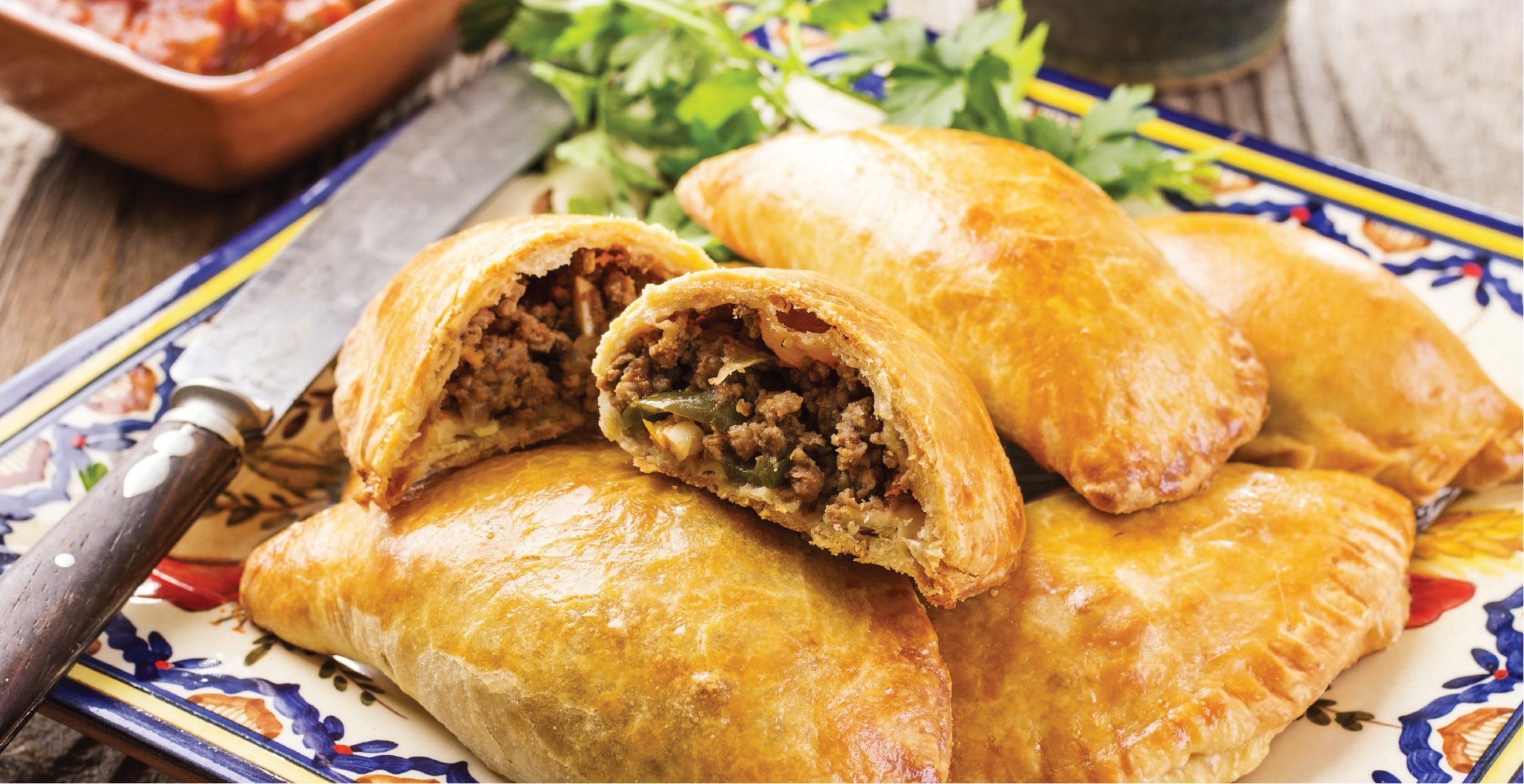

Latin America is renowned for its rich culinary heritage, which reflects centuries of cultural exchange, regional diversity, and agricultural abundance. From the bustling street markets of Mexico City to the traditional kitchens of Peru, local flavors celebrate a unique blend of indigenous ingredients, colonial influences, and modern innovation. Among the most emblematic dishes of the region are burritos, tortilla-based fast foods, and hearty bean stews—each offering insight into historical traditions, community practices, and nutritional ingenuity.
This article explores the historical roots, cultural significance, preparation techniques, nutritional value, and contemporary reinterpretations of these quintessential Latin American foods, emphasizing their role in both daily life and the broader gastronomic landscape.
1. Historical Foundations of Latin American Cuisine
1.1 Indigenous Roots
Long before European contact, indigenous civilizations developed sophisticated agricultural systems. Staple crops such as maize, beans, squash, and chili peppers formed the foundation of local diets:
- Maize (corn): Central to Mesoamerican culture, used to create tortillas, tamales, and beverages.
- Beans: Provided essential protein and fiber, often combined with maize to form nutritionally complete meals.
- Chili peppers: Added spice and medicinal properties to daily dishes.
These ingredients were integral not only for sustenance but also for rituals, symbolism, and communal identity. For example, maize was considered sacred among the Maya and Aztecs, highlighting the interplay between food and cultural belief systems.
1.2 Colonial and Global Influences
The arrival of Spanish and Portuguese colonizers introduced wheat, rice, pork, and dairy products, blending European techniques with native ingredients. This created hybrid dishes that are now cornerstones of Latin American cuisine:
- Wheat flour enabled the development of softer tortillas and bread-based fast foods.
- Pork and beef became common protein sources, adapted to local spices and cooking methods.
- Citrus, sugar, and herbs enhanced flavors and contributed to new regional specialties.
The fusion of indigenous and colonial ingredients demonstrates the adaptive and innovative nature of Latin American cooking, which continues to evolve in contemporary fast-food formats and gourmet reinterpretations.
2. Burritos: Portable Heritage and Modern Appeal
2.1 Origins and Regional Variations
Burritos originated in northern Mexico, particularly in Chihuahua, where wheat flour tortillas became a practical solution for wrapping fillings for workers and travelers. The word “burrito” literally means “little donkey,” likely referring to the portable nature of the dish.
Key regional variations include:
- Northern Mexican Burrito: Typically includes grilled meats, beans, rice, and salsa wrapped in a large flour tortilla.
- Tex-Mex Burrito: Introduced in the United States, often featuring cheddar cheese, sour cream, and guacamole.
- Vegetarian Burrito: Combines beans, grains, vegetables, and spices for a plant-based alternative.
Burritos exemplify culinary portability, making them ideal for street vendors, fast-food restaurants, and modern takeout culture.
2.2 Preparation Techniques
Burrito preparation emphasizes balance of flavors, textures, and temperature:
- Tortilla Selection: Flour tortillas are preferred for flexibility and size; corn tortillas are used for smaller wraps.
- Filling Composition: Ingredients are layered strategically to maintain structural integrity and flavor harmony.
- Wrapping Method: Burritos are folded tightly to prevent leakage, allowing easy handling.
Advanced culinary innovations now include fusion burritos, integrating Asian sauces, Mediterranean spreads, or international grains, demonstrating the dish’s adaptability and global appeal.
3. Tortilla-Based Fast Foods
3.1 Cultural Significance
Tortilla-based foods, such as tacos, quesadillas, and tostadas, are emblematic of Latin American street culture. These dishes reflect:
- Community Engagement: Street vendors and markets serve as social hubs.
- Cultural Storytelling: Ingredients often tell regional histories, such as local chili varieties or native cheeses.
- Accessibility: Affordable, portable, and nutritionally dense, making them staples in both urban and rural areas.
3.2 Popular Variants
- Tacos: Corn tortillas filled with meats, seafood, beans, and garnishes like cilantro, onions, and lime.
- Quesadillas: Tortillas folded with cheese and optional fillings, grilled for a crispy texture.
- Tostadas: Flat, crispy tortillas topped with beans, meats, vegetables, and sauces.
These foods balance taste, convenience, and cultural resonance, contributing to their enduring popularity.
3.3 Contemporary Innovations
Modern fast-food interpretations have expanded tortillas beyond traditional fillings:
- Global Fusion Tacos: Featuring Korean-style bulgogi, Mediterranean falafel, or Indian spiced vegetables.
- Health-Oriented Variants: Whole-grain or gluten-free tortillas paired with superfoods like quinoa, avocado, or black beans.
- Restaurant Artistry: Gourmet tortilla dishes showcase visual design and flavor experimentation, elevating street food to fine dining.
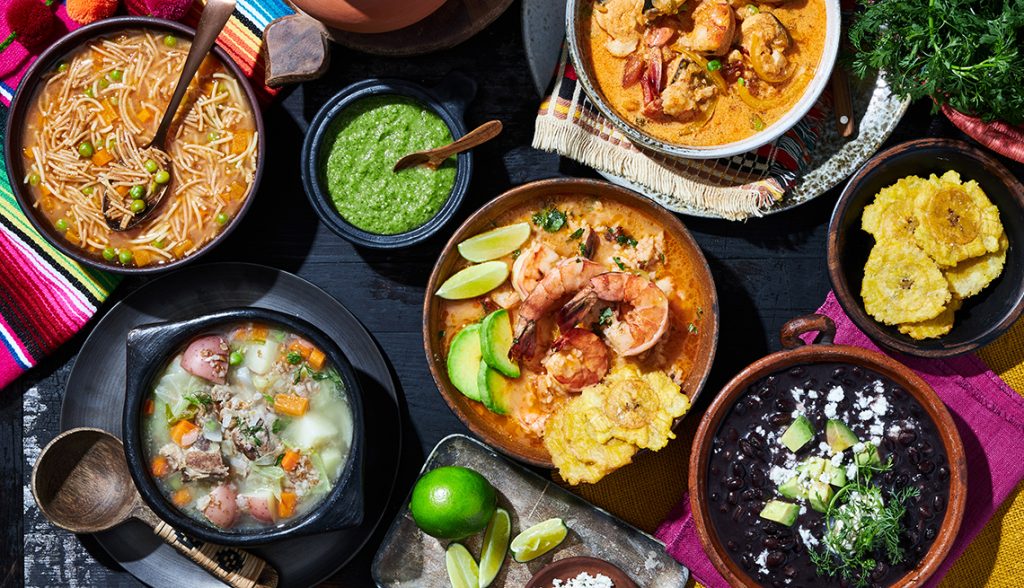
4. Bean-Based Stews: Nutritional and Cultural Significance
4.1 Historical Context
Beans are a staple protein source in Latin America, cultivated for thousands of years. Bean stews reflect both subsistence strategies and cultural traditions:
- Frijoles de la Olla (Mexico): Slow-cooked beans served with chili, onions, and herbs.
- Feijoada (Brazil): Black bean stew with pork and sausage, symbolizing communal feasting and African heritage.
- Locro (Andean regions): Bean and corn-based stew, often served during national celebrations.
Bean stews exemplify the fusion of practicality, nutrition, and ritual significance, bridging everyday meals and ceremonial occasions.
4.2 Nutritional Value
Bean stews offer protein, fiber, vitamins, and minerals, making them both nourishing and affordable:
- Protein Complementation: Combining beans with corn provides a complete amino acid profile.
- Mineral Content: High in iron, magnesium, and potassium.
- Digestive Benefits: Fiber supports gut health and satiety.
These properties underscore the role of bean stews in sustaining populations across diverse socioeconomic contexts.
4.3 Preparation Techniques
- Soaking and Boiling: Reduces cooking time and improves digestibility.
- Flavor Layering: Incorporates aromatics such as garlic, onion, and herbs to enhance depth.
- Slow Cooking: Ensures textures remain creamy and flavors fully integrated.
Contemporary chefs are exploring fusion stews, incorporating international spices, grains, or proteins while retaining cultural integrity.
5. Street Food Culture and Community Identity
5.1 Social and Economic Functions
Street food, particularly tortillas and burritos, contributes to community identity:
- Encourages social interaction at markets, plazas, and food stalls.
- Supports local economies by providing income for small vendors.
- Preserves culinary traditions, passing knowledge through apprenticeships and family businesses.
5.2 Festivals and Public Celebrations
Latin American festivals often feature tortillas, burritos, and bean stews as central components:
- Dia de los Muertos (Mexico): Foods like tamales and tacos honor ancestors.
- Festa Junina (Brazil): Bean stews and corn-based dishes celebrate harvest cycles.
- Inti Raymi (Peru): Traditional Andean stews emphasize communal heritage.
These events reinforce cultural cohesion and intergenerational memory through culinary practice.
6. Globalization and Culinary Adaptation
6.1 International Popularity
Latin American fast foods have gained global recognition:
- Tex-Mex cuisine adapts traditional tacos and burritos for international palates.
- Street-food-inspired chains export Mexican, Brazilian, and Peruvian flavors worldwide.
- Culinary tourism promotes local markets and authentic preparation methods.
6.2 Fusion and Innovation
Global exposure encourages creative reinterpretation:
- Korean-Mexican tacos blend bulgogi with traditional toppings.
- Vegan burritos incorporate quinoa, tempeh, or plant-based cheeses.
- Bean stews integrate Mediterranean legumes or spices, expanding flavor diversity.
These innovations highlight the adaptability and resilience of Latin American culinary traditions in a globalized context.
7. Nutrition, Sustainability, and Modern Challenges
7.1 Health and Diet Trends
Contemporary consumers demand balanced, nutrient-dense meals:
- Whole-grain tortillas replace refined flour for fiber content.
- Plant-forward burritos emphasize legumes, vegetables, and reduced meat consumption.
- Fermented beans or pickled toppings enhance gut health and flavor complexity.
7.2 Sustainability in Ingredient Sourcing
Sourcing locally grown maize, beans, and herbs ensures:
- Reduced environmental impact from transportation.
- Support for regional farmers and traditional agricultural practices.
- Preservation of biodiversity through heirloom varieties of corn and beans.
7.3 Maintaining Cultural Integrity
As Latin American foods globalize, chefs and communities balance:
- Authentic preparation methods versus modern convenience.
- Cultural storytelling versus commercial branding.
- Innovation versus preservation of culinary heritage.
Maintaining this balance ensures that fast foods remain both culturally meaningful and widely appealing.
8. Case Studies of Signature Dishes
8.1 Mexican Burrito
- Features rice, beans, meat, and salsa wrapped in a large flour tortilla.
- Regional variations reflect local produce, spices, and culinary traditions.
- Popularized internationally as both street food and gourmet cuisine.
8.2 Brazilian Feijoada
- Black bean stew with pork, served with rice, greens, and orange slices.
- Historically a communal dish for workers, now celebrated nationwide.
- Combines African, Portuguese, and indigenous influences.
8.3 Peruvian Locro
- Corn and bean stew with potatoes, squash, and seasonal meats.
- Central to regional festivals and community gatherings.
- Demonstrates agricultural adaptation and cultural preservation.
9. Future Directions in Latin American Fast Foods
9.1 Culinary Technology and Innovation
- Digital kitchens optimize preparation and consistency for burritos and tortillas.
- 3D food printing and smart cooking devices enable precise control over texture and flavor.
- AI-assisted recipe development balances traditional flavors with health-conscious modifications.
9.2 Global Culinary Exchange
- Increased cultural fusion allows Latin American dishes to inspire worldwide menus.
- Culinary education promotes the authenticity and nutritional value of traditional foods.
- International festivals and collaborations preserve heritage while embracing innovation.
9.3 Health-Conscious and Sustainable Trends
- Plant-forward burritos and tortillas reduce environmental impact.
- Organic and heirloom ingredients preserve biodiversity.
- Bean-based stews maintain nutritional density while adapting to modern palates.
Conclusion
Burritos, tortilla-based fast foods, and bean stews are more than just meals—they are cultural expressions. They embody centuries of history, indigenous knowledge, colonial influences, and contemporary innovation. Serving as symbols of community identity, culinary adaptability, and nutritional ingenuity, these foods illustrate the resilience and creativity of Latin American cuisine.
As globalization and modern dietary trends continue to influence consumption patterns, these traditional dishes are evolving while maintaining their cultural significance, ensuring that Latin American flavors remain vibrant, relevant, and globally celebrated for generations to come.