










In the digital age, food culture is no longer confined to local markets, traditional cookbooks, or restaurant visits. Online food communities have emerged as powerful platforms for sharing culinary knowledge, discovering hidden gems, and exchanging practical food guides. These communities leverage social media, forums, and mobile applications to connect food enthusiasts, home cooks, and professional chefs worldwide. They provide a dynamic ecosystem for information exchange, cultural exploration, and gastronomic innovation, bridging geographical and social boundaries.
This article examines the growth of online food communities, their operational dynamics, influence on food discovery, and contributions to global culinary culture. It also explores practical guides, community-driven recommendations, technological integration, and future trends in digital gastronomy.
1. The Rise of Online Food Communities
1.1 Historical Context
Before the internet era, discovering culinary insights relied on:
- Word-of-mouth recommendations from friends and family.
- Printed guides, travel books, and restaurant reviews in magazines.
- Traditional cookbooks documenting regional and family recipes.
While effective, these channels were limited by geographic access, publication delays, and subjectivity.
1.2 Digital Transformation
The proliferation of social media, blogging platforms, and food apps has transformed the landscape:
- Instagram, TikTok, and YouTube allow food creators to share videos, photos, and tutorials.
- Forums and communities such as Reddit, Chowhound, and Food52 provide spaces for discussion and recommendations.
- Apps like Yelp, Zomato, and TripAdvisor integrate reviews, geolocation, and user-generated content.
These platforms facilitate the discovery of hidden culinary gems and practical cooking tips, often unavailable through conventional media.
2. Structure and Dynamics of Online Food Communities
2.1 Community Models
Online food communities typically operate in three main formats:
- Social Media-Based Communities
- Instagram and TikTok creators post curated content, often emphasizing visually appealing dishes.
- Stories, reels, and short videos offer bite-sized culinary experiences.
- Forum-Based Communities
- Platforms such as Reddit and Chowhound host discussion threads for local food discoveries, cooking tips, and recipe sharing.
- Members exchange personal experiences, recommendations, and troubleshooting advice.
- Application-Based Communities
- Apps like Yelp, Zomato, and OpenTable allow geolocated restaurant reviews, hidden gem tracking, and curated guides.
- Integration with GPS and AI algorithms enhances personalized recommendations.
2.2 Content Types
Content within these communities typically includes:
- Hidden gem reviews: Restaurants, street food stalls, and local markets often overlooked by mainstream guides.
- Recipes and cooking tutorials: User-generated recipes with step-by-step guidance.
- Practical guides: Ingredient sourcing, equipment tips, cost-saving strategies, and time-efficient cooking methods.
- Cultural context: Insights into local customs, ingredient significance, and regional variations.
2.3 User Roles
- Contributors: Share content, recommend locations, or post recipes.
- Moderators: Maintain quality, verify information, and ensure community guidelines are followed.
- Consumers/Followers: Engage through likes, comments, and sharing, creating feedback loops that enhance content quality.
3. Discovering Hidden Culinary Gems
3.1 Local Insights and Authenticity
One of the most compelling aspects of online food communities is the discovery of authentic, lesser-known food experiences:
- Street food stalls and family-run eateries that are often absent from mainstream guides.
- Seasonal markets and pop-up events offering unique, local flavors.
- Regional specialties with historical and cultural significance.
Community recommendations often provide practical details, such as best visiting hours, signature dishes, and budget-friendly options.
3.2 Geo-Targeted Food Exploration
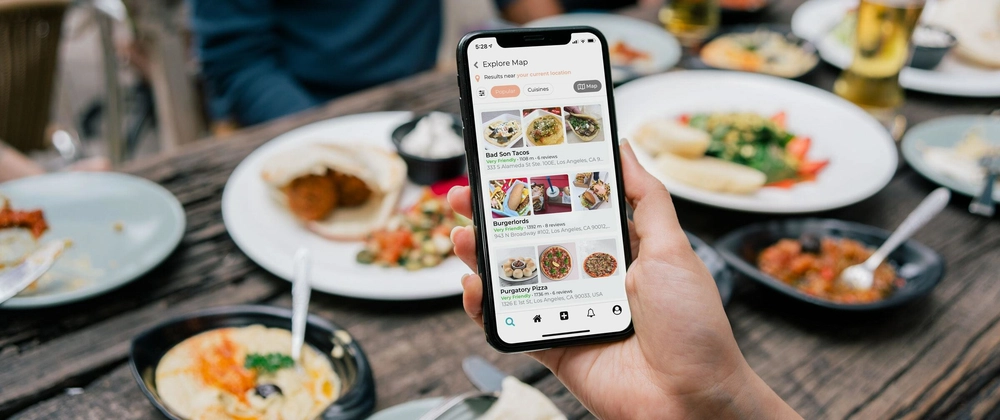
- Integration of geolocation allows users to map hidden gems near their location.
- Mobile applications provide turn-by-turn navigation, customer reviews, and visual references.
- Geotagged posts enable real-time discovery and sharing of emerging food trends.
3.3 Social Proof and Trust
- User-generated reviews and ratings cultivate a trust-based ecosystem.
- Positive engagement from multiple users reinforces credibility and encourages exploration.
- Communities often develop local “food influencers” whose insights are highly valued.
4. Practical Culinary Guides
4.1 Recipe Sharing
- Step-by-step instructions, ingredient lists, and cooking techniques make complex recipes accessible.
- Community feedback provides improvements, alternative substitutions, and cultural adaptations.
- Visual aids, including photos and video tutorials, enhance comprehension and engagement.
4.2 Cooking Tips and Hacks
- Advice on equipment usage, time-saving techniques, and ingredient sourcing.
- Dietary-specific guidance, such as gluten-free, vegetarian, or low-calorie adaptations.
- Troubleshooting strategies for common cooking challenges.
4.3 Meal Planning and Budgeting
- Communities provide tips for efficient grocery shopping, cost-effective recipes, and batch cooking.
- Meal prep strategies integrate traditional dishes with modern dietary preferences.
- Sharing experiences reduces trial-and-error time and encourages experimentation.
5. Technological Integration
5.1 AI and Recommendation Systems
- AI-driven algorithms analyze user behavior, location, and preferences to suggest personalized dining experiences.
- Predictive modeling helps users discover new restaurants or recipes aligned with previous interactions.
- Enhanced recommendation systems increase engagement and user satisfaction.
5.2 Multimedia Content
- High-quality photography, short-form video, and live streaming create immersive experiences.
- AR technology allows users to visualize dishes before preparation or purchase.
- VR simulations recreate culinary environments, including cooking classes, local markets, and dining experiences.
5.3 Mobile and Web Platforms
- Responsive design ensures accessibility across devices.
- Push notifications and real-time updates enable dynamic interaction with local food trends.
- Integration with mapping, e-commerce, and social networking enhances user convenience.
6. Cultural Exchange Through Online Communities
6.1 Global Awareness
- Food communities foster appreciation for diverse culinary traditions.
- Users gain insight into the cultural context of ingredients, cooking methods, and eating rituals.
6.2 Cross-Cultural Collaboration
- Collaboration among users from different regions encourages fusion cuisine and recipe adaptation.
- Exchange of techniques supports innovation while preserving traditional flavors.
6.3 Preserving Heritage
- Documentation of traditional recipes and local eateries ensures cultural continuity.
- Communities contribute to digital archives that safeguard culinary knowledge for future generations.
7. Market Influence and Economic Impact
7.1 Promoting Local Businesses
- Visibility through online communities drives foot traffic to small restaurants, street vendors, and family-run eateries.
- Positive reviews and viral content can transform obscure establishments into destination dining spots.
7.2 Culinary Tourism
- Food-focused travel is increasingly guided by community recommendations rather than conventional guidebooks.
- Users discover authentic local experiences, contributing to regional economic growth.
7.3 Branding and Marketing Opportunities
- Restaurants leverage community engagement for digital marketing campaigns.
- User-generated content provides authentic testimonials and builds brand loyalty.
8. Challenges and Considerations
8.1 Information Reliability
- User-generated content varies in accuracy, requiring verification and moderation.
- Overhyped establishments or inaccurate recipes can lead to disappointment or mistrust.
8.2 Cultural Sensitivity
- Cross-cultural sharing must respect local customs, intellectual property, and traditional knowledge.
- Misrepresentation or oversimplification can erode authenticity.
8.3 Digital Overload
- With vast amounts of content, users may experience decision fatigue or difficulty identifying quality information.
- Algorithm-driven platforms can inadvertently create filter bubbles, limiting exposure to diverse culinary experiences.
8.4 Commercialization
- Influencer marketing and sponsored content can compromise community-driven authenticity.
- Transparency and disclosure policies are essential to maintain trust.
9. Case Studies
9.1 Instagram Food Influencers
- Local food photographers and bloggers highlight hidden gems, street food, and traditional recipes.
- Stories and reels provide short, visually engaging content, reaching millions of followers.
9.2 Reddit Food Communities
- Subreddits like r/food and r/AskCulinary facilitate Q&A, recipe sharing, and hidden gem recommendations.
- Community moderation ensures quality and fosters collaboration.
9.3 Food Apps and Platforms
- Yelp, Zomato, and TripAdvisor integrate reviews, geolocation, and curated guides.
- User ratings and feedback help emerging restaurants gain visibility.
9.4 Collaborative Culinary Projects
- Initiatives such as crowdsourced recipe databases and digital heritage archives preserve traditional cooking techniques and local specialties.
- These projects combine technological accessibility with cultural preservation goals.
10. Future Trends
10.1 AI-Powered Personalized Recommendations
- Advanced algorithms will suggest hidden gems based on culinary preferences, dietary restrictions, and past behavior.
- Predictive analytics will enable hyper-local, real-time discovery of emerging food trends.
10.2 Immersive and Interactive Experiences
- VR and AR applications will simulate street food tours, market visits, and cooking workshops.
- Users can virtually interact with chefs, learn preparation techniques, and explore cultural contexts.
10.3 Global Collaboration and Cultural Preservation
- Communities will increasingly serve as digital archives, documenting endangered recipes and culinary traditions.
- Cross-border collaborations promote culinary fusion while preserving authenticity.
10.4 Integration with Smart Devices
- Kitchen appliances and apps may connect with online communities to provide real-time cooking guidance.
- Smart recommendations for ingredients, cooking times, and portion sizes will enhance practical usability.
11. Conclusion
Online food communities have fundamentally reshaped the way culinary knowledge is shared and discovered. By connecting enthusiasts, home cooks, and professional chefs, these platforms:
- Facilitate the discovery of hidden gems, local eateries, and seasonal specialties.
- Provide practical guides, recipe sharing, and culinary tips for global audiences.
- Promote cross-cultural exchange, culinary innovation, and heritage preservation.
- Influence economic trends, supporting local businesses and food tourism.
Through the convergence of social media, apps, AI, and immersive technologies, online communities are empowering users to explore, create, and celebrate food in unprecedented ways. As these platforms evolve, they will continue to bridge cultures, inspire innovation, and elevate culinary experiences worldwide, transforming the act of eating into a shared global adventure.