









Introduction
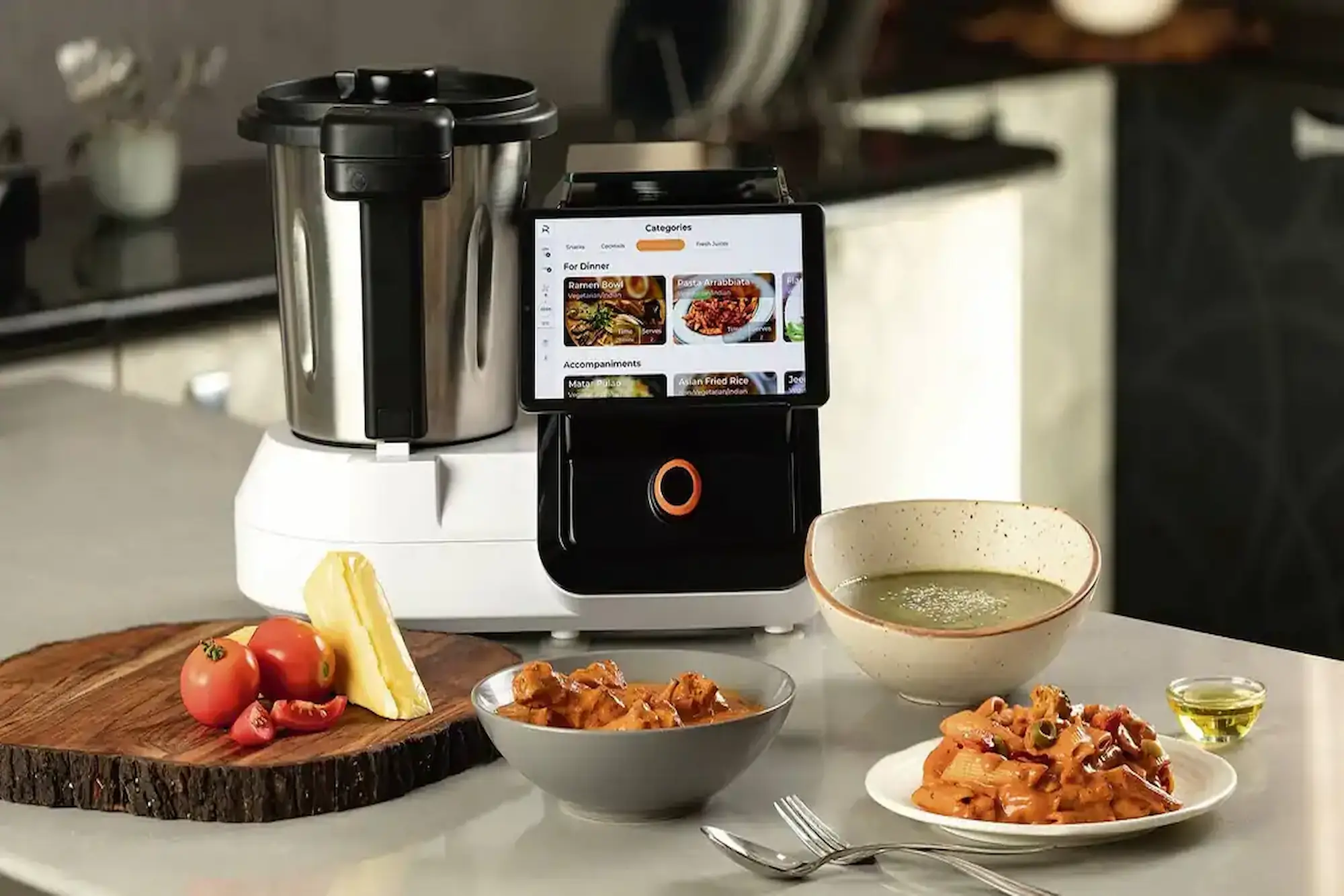
The rapid advancement of technology has fundamentally transformed the modern household. Among various domains, the kitchen—once considered merely a functional space—has evolved into a hub of technological innovation. Smart home automation, particularly in kitchen appliances, has emerged as a critical component of this transformation. Devices such as smart refrigerators and temperature-controlled ovens are no longer novelties; they are redefining convenience, efficiency, and sustainability in domestic culinary experiences. This article explores the mechanisms, applications, and future potential of home kitchen automation, emphasizing smart refrigerators and intelligent ovens.
1. Evolution of Kitchen Automation
The history of kitchen automation can be traced back to the early 20th century with the introduction of electric stoves, refrigerators, and microwaves. These appliances dramatically reduced manual labor and improved food preservation. However, traditional kitchen devices were limited to basic functionalities. The last decade has witnessed a shift from merely functional appliances to “connected” and intelligent systems.
1.1 From Mechanization to Digitization
Mechanization in kitchens initially focused on automating repetitive tasks such as chopping, mixing, or temperature regulation. With digitization, kitchens became data-driven. Sensors, cloud connectivity, and AI algorithms now enable real-time monitoring, predictive analytics, and remote control, paving the way for fully automated kitchens.
1.2 The Role of the Internet of Things (IoT)
IoT serves as the backbone of modern kitchen automation. IoT-enabled appliances communicate with each other and with smartphones or home assistants. For instance, a smart refrigerator can detect low stock of ingredients, suggest recipes based on available items, and even place orders automatically. Similarly, connected ovens can adjust temperature profiles for precise cooking based on recipe parameters, ensuring consistent quality without constant human supervision.
2. Smart Refrigerators: Beyond Cooling
The refrigerator, a staple of every household, has undergone a profound transformation. Modern smart refrigerators integrate a suite of sensors, cameras, and AI algorithms, creating a comprehensive food management system.
2.1 Features and Technologies
- Inventory Management: Advanced smart fridges can monitor food stock, track expiration dates, and categorize items automatically using RFID tags or computer vision.
- Energy Efficiency: IoT-enabled compressors and adaptive cooling systems reduce electricity consumption by regulating temperature based on contents and external conditions.
- Remote Control and Notifications: Users can adjust temperatures, check contents, or receive alerts about spoilage from mobile apps.
- Integration with Smart Home Ecosystem: Smart refrigerators can communicate with ovens, dishwashers, and voice assistants for seamless culinary planning.
2.2 Benefits
- Minimized Food Waste: Intelligent tracking ensures ingredients are consumed before expiration.
- Optimized Storage: Dynamic temperature zones cater to different food types, extending freshness.
- Convenience: Recipe suggestions and automated grocery replenishment reduce planning stress.
2.3 Case Study: AI-Driven Refrigeration
Companies like Samsung and LG have developed AI-powered refrigerators capable of internal scanning, meal planning suggestions, and dietary tracking. Such appliances integrate seamlessly with cloud platforms to personalize the kitchen experience.
3. Temperature-Controlled Ovens: Precision Cooking Redefined
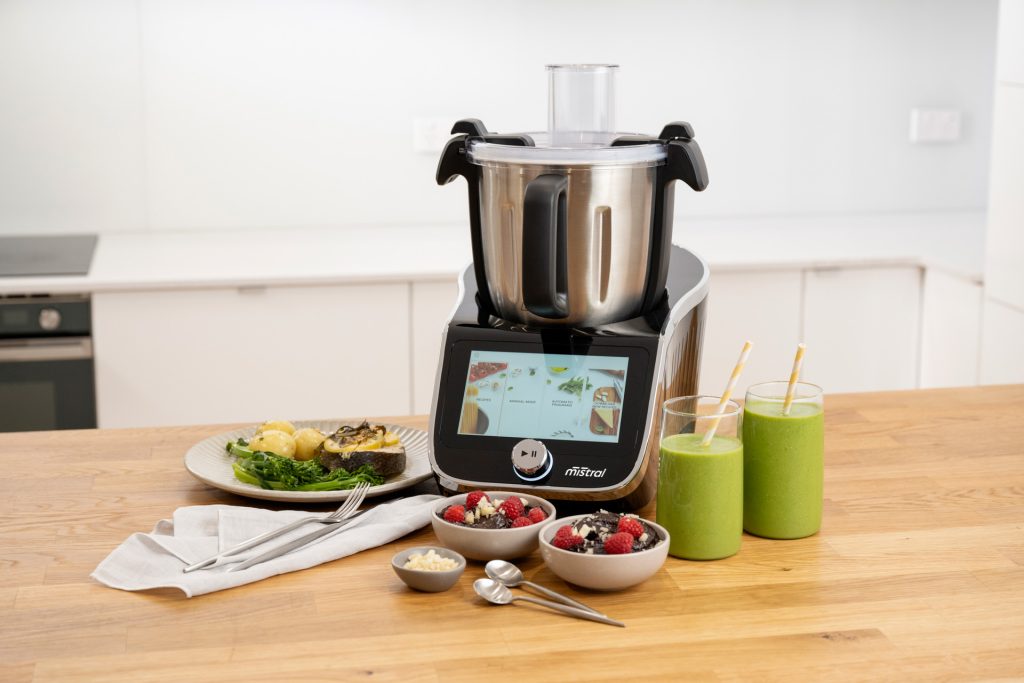
While refrigerators focus on preservation, ovens are at the core of culinary creation. Traditional ovens relied on manual temperature settings and timers, often resulting in inconsistent cooking. Smart ovens use sensors, AI, and IoT connectivity to offer unprecedented precision.
3.1 Core Functionalities
- Adaptive Temperature Control: Sensors monitor heat distribution and food status to adjust temperature in real time.
- Cooking Automation: Pre-programmed cooking profiles allow dishes to be prepared with minimal user intervention.
- Remote Monitoring: Mobile applications enable users to preheat, start, pause, or stop the oven from anywhere.
- Integration with Recipe Databases: AI-assisted cooking suggests optimal temperature and cooking time based on the chosen recipe.
3.2 Benefits of Intelligent Ovens
- Consistent Quality: Automated monitoring ensures that dishes are cooked evenly, reducing errors.
- Energy Savings: Optimized heating reduces wasted energy.
- Enhanced Safety: Sensors detect smoke, overheating, or gas leaks, preventing potential hazards.
3.3 Advanced Features in Modern Smart Ovens
- Voice Control: Integration with Alexa, Google Assistant, or Siri allows hands-free operation.
- Image Recognition: Some ovens can recognize food types and adjust cooking parameters accordingly.
- Multi-Zone Cooking: Enables simultaneous cooking of different dishes at customized temperatures.
4. Synergy Between Smart Refrigerators and Ovens
The true potential of kitchen automation is realized when appliances communicate with each other. For example, a smart refrigerator can detect low stock of tomatoes and automatically suggest alternative ingredients to the connected oven’s recipe app. Similarly, an oven can notify the refrigerator to pre-cool specific ingredients based on a scheduled cooking session.
4.1 Data-Driven Meal Planning
By analyzing consumption patterns, dietary preferences, and nutritional goals, connected appliances enable predictive meal planning. Families can receive customized menus, grocery lists, and cooking schedules—all automated.
4.2 Remote Culinary Management
Even when away from home, users can monitor ingredient freshness, preheat ovens, and receive step-by-step cooking instructions. This level of automation transforms the kitchen into a smart, responsive environment that adapts to lifestyle needs.
5. Energy Efficiency and Sustainability
Smart kitchen automation contributes significantly to energy efficiency and environmental sustainability. Key strategies include:
- Adaptive Heating and Cooling: IoT-enabled appliances adjust power consumption based on load and usage patterns.
- Waste Reduction: Predictive inventory management minimizes food waste, a major contributor to greenhouse gas emissions.
- Integration with Renewable Energy: Appliances can optimize operation to coincide with periods of peak solar or wind energy availability.
6. Security and Privacy Considerations
As with any connected device, smart kitchen appliances introduce potential cybersecurity and privacy risks. Key measures include:
- Data Encryption: Ensures communication between devices and cloud platforms is secure.
- User Authentication: Multi-factor authentication for app access prevents unauthorized control.
- Firmware Updates: Regular updates mitigate vulnerabilities in smart appliance systems.
Understanding these risks is critical for maintaining both safety and privacy in a connected kitchen environment.
7. Future Trends in Kitchen Automation
The future of kitchen automation is poised for remarkable innovation:
- AI-Driven Cooking Assistants: Advanced AI will provide real-time guidance on culinary techniques, adjusting cooking parameters based on live sensor feedback.
- Robotic Integration: Fully robotic kitchens capable of autonomously preparing meals are being piloted in commercial and residential environments.
- Personalized Nutrition: Connected appliances may track dietary intake, suggest optimized meal plans, and ensure nutritional balance automatically.
- Sustainability-Focused Automation: Kitchens will increasingly integrate with smart energy grids and waste-recycling systems for zero-waste, low-carbon households.
Conclusion
Home kitchen automation, exemplified by smart refrigerators and temperature-controlled ovens, represents a fusion of convenience, efficiency, and sustainability. These technologies are not merely about high-tech gadgets—they are transforming the way we interact with food, manage household resources, and plan meals. As IoT, AI, and robotics continue to advance, the modern kitchen will evolve from a static workspace into a dynamic, intelligent system that seamlessly integrates with daily life.
Smart kitchen appliances empower households to reduce waste, save time, and achieve consistent culinary results while contributing to environmental sustainability. The continued development and adoption of these technologies promise a future where home cooking is safer, more efficient, and more enjoyable than ever before.
In essence, the kitchen of tomorrow is already here—connected, intelligent, and capable of transforming the everyday act of cooking into a precise, sustainable, and highly personalized experience.