









Introduction: Living Landscapes of Food, Culture, and Community
European farmers’ markets are far more than places to buy fresh produce. They are living institutions that reflect centuries of agricultural tradition, regional identity, social exchange, and economic resilience. Long before the rise of supermarkets and globalized food supply chains, farmers’ markets formed the backbone of food distribution across Europe. They connected rural producers with urban consumers, shaped local cuisines, and anchored communities in shared rhythms of seasonality and place.
Today, European farmers’ markets occupy a unique position at the intersection of tradition and modernity. While they preserve age-old practices—handwritten price signs, generational vendors, seasonal abundance—they also respond to contemporary concerns about sustainability, food transparency, climate change, and local economies. From bustling open-air markets in historic city squares to small village markets held once a week, these spaces continue to play a vital role in European food culture.
This article offers a comprehensive, professional, and in-depth exploration of European farmers’ markets. It examines their historical roots, regional diversity, economic and social functions, cultural significance, governance models, challenges, and future prospects. Through this lens, farmers’ markets emerge not as relics of the past, but as dynamic systems essential to Europe’s culinary and cultural heritage.
1. Historical Origins of Farmers’ Markets in Europe
1.1 Markets in Ancient and Medieval Europe
The origins of European farmers’ markets can be traced back to antiquity. In ancient Greece and Rome, agoras and forums served as central marketplaces where agricultural goods, livestock, and prepared foods were traded. These early markets were not only economic centers but also hubs of political, social, and cultural life.
During the medieval period, markets became formally regulated institutions. Town charters often granted the right to hold weekly or seasonal markets, which attracted farmers, artisans, and traders from surrounding regions. Market days were fixed events that structured rural and urban life, influencing travel, labor patterns, and social interaction.
1.2 Guilds, Regulations, and Market Rights
Medieval markets were governed by strict rules concerning weights, measures, prices, and quality. Guilds played a major role in regulating food production and sale, ensuring standards while also controlling competition. Market inspectors monitored hygiene and fairness, reflecting early concerns about food safety and consumer protection.
These regulatory traditions laid the groundwork for many practices still visible in modern European farmers’ markets, such as standardized measurements, protected market spaces, and local governance.
2. The Cultural Significance of European Farmers’ Markets
2.1 Markets as Social Institutions
European farmers’ markets function as social spaces as much as economic ones. They are places where neighbors meet, conversations unfold, and relationships between producers and consumers are built over time. Unlike anonymous retail environments, markets foster trust, familiarity, and dialogue.
In many regions, market attendance is a weekly ritual. People shop not only for food, but for connection—asking about the harvest, sharing recipes, or exchanging local news. This social dimension contributes significantly to community cohesion.
2.2 Culinary Identity and Regional Pride
Markets play a central role in shaping and preserving regional cuisines. The ingredients available at a market reflect local climate, soil, traditions, and tastes. Seasonal vegetables, artisanal cheeses, cured meats, breads, and preserved foods tell stories of place and history.
For many Europeans, farmers’ markets are symbols of regional pride. They showcase distinctive products—whether alpine cheeses, Mediterranean olives, Atlantic seafood, or Central European breads—that define local culinary identity.
3. Diversity of European Farmers’ Markets
3.1 Northern Europe
In Northern Europe, including Scandinavia and parts of the British Isles, farmers’ markets often emphasize sustainability, organic production, and artisanal craftsmanship. Due to shorter growing seasons, markets feature preserved foods such as smoked fish, cured meats, fermented vegetables, berries, and root crops.
Markets in these regions frequently combine traditional products with modern design and branding, reflecting contemporary values while maintaining strong local connections.
3.2 Southern Europe
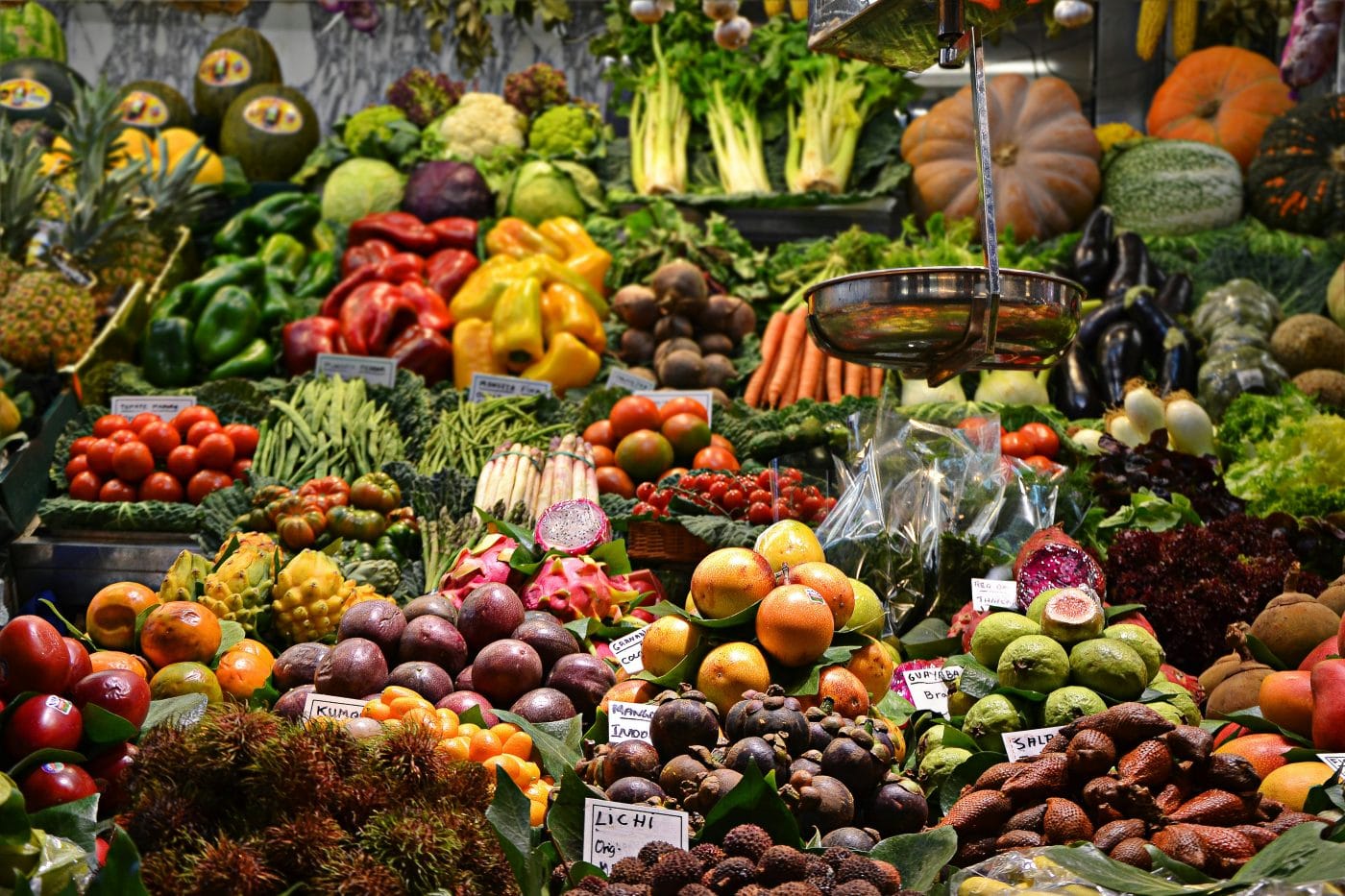
Southern European markets, particularly in Mediterranean countries, are characterized by abundance, color, and strong sensory appeal. Fresh fruits, vegetables, herbs, olive oil, cheese, seafood, and prepared foods dominate the stalls.
These markets are deeply embedded in daily life. Shopping is often done daily or several times a week, aligning with culinary traditions that prioritize freshness and seasonality. Open-air markets in historic plazas remain central to urban food culture.
3.3 Central and Eastern Europe
In Central and Eastern Europe, farmers’ markets often serve as vital economic lifelines for small-scale producers. Markets feature homemade goods, wild-foraged products, pickled vegetables, sausages, dairy, and baked items prepared using family recipes.
These markets also reflect resilience and continuity, having survived political upheaval, economic transitions, and shifting agricultural systems.
4. Economic Role of Farmers’ Markets
4.1 Supporting Small-Scale Agriculture
European farmers’ markets provide direct access to consumers for small and medium-sized producers. By reducing intermediaries, farmers can retain a greater share of profits while offering competitive prices.
This direct-to-consumer model supports diversified farming, encourages traditional practices, and helps preserve rural livelihoods in the face of industrial agriculture.
4.2 Local Economies and Circular Systems
Money spent at farmers’ markets tends to circulate locally. Producers often source supplies nearby, hire local labor, and reinvest earnings in their communities. This creates multiplier effects that strengthen regional economies.
Markets also stimulate related sectors, including food tourism, hospitality, and artisanal production.
5. Farmers’ Markets and Sustainability
5.1 Environmental Benefits
Farmers’ markets are often associated with reduced food miles, seasonal consumption, and lower packaging waste. Many vendors use minimal or reusable packaging, and products are typically harvested close to the point of sale.
Seasonal eating promoted by markets aligns with ecological cycles, reducing reliance on energy-intensive storage and transportation.
5.2 Biodiversity and Traditional Varieties
Markets play a crucial role in preserving agricultural biodiversity. Heirloom vegetables, heritage fruit varieties, and traditional livestock breeds often find their primary outlet through farmers’ markets.
This biodiversity enhances food system resilience and safeguards genetic resources threatened by industrial monoculture.
6. Governance and Regulation
6.1 Market Organization Models
European farmers’ markets are organized under a variety of governance structures. Some are managed by municipalities, others by cooperatives, producer associations, or non-profit organizations. Rules typically define who can sell, what products are permitted, and quality standards.
In many countries, markets prioritize genuine producers, ensuring that vendors sell goods they have grown or made themselves.
6.2 Quality Assurance and Trust
Regulation balances authenticity with consumer protection. Inspections, certifications, and labeling help maintain trust while preventing fraud. At the same time, informal accountability—built through personal relationships—remains a defining feature.
7. Farmers’ Markets and Urban Life
7.1 Markets as Urban Anchors
In cities, farmers’ markets contribute to urban livability. They activate public spaces, support walkable neighborhoods, and reconnect urban residents with food production.
Markets often coexist with cafés, street food vendors, and cultural events, transforming food shopping into a social experience.
7.2 Gentrification and Accessibility Challenges
While popular markets can revitalize neighborhoods, they also raise concerns about gentrification and affordability. Ensuring that markets remain accessible to diverse populations is an ongoing challenge for policymakers and organizers.
8. Farmers’ Markets and Food Tourism
8.1 Markets as Tourist Destinations
European farmers’ markets attract visitors seeking authentic culinary experiences. Tourists view markets as gateways to local culture, flavors, and everyday life.
Cooking classes, tastings, and guided market tours increasingly integrate markets into cultural tourism strategies.
8.2 Balancing Tourism and Local Needs
While tourism brings economic benefits, excessive commercialization can threaten the authenticity of markets. Successful models balance visitor interest with the needs of local residents and producers.
9. Challenges Facing European Farmers’ Markets
9.1 Competition from Supermarkets
Large retail chains offer convenience, extended hours, and lower prices for some products. Farmers’ markets must compete by emphasizing quality, transparency, and experience rather than volume.
9.2 Aging Producers and Knowledge Transfer
Many market vendors are aging farmers and artisans. Ensuring generational renewal requires supporting young producers through training, access to land, and fair market conditions.
9.3 Climate Change and Uncertainty
Climate change affects harvest timing, yields, and product availability. Markets must adapt to increased variability while supporting farmers facing environmental stress.
10. Innovation and the Future of Farmers’ Markets
10.1 Digital Tools and Hybrid Models
Some European farmers’ markets now integrate digital tools, such as online pre-orders, mobile payments, and social media communication. These innovations increase accessibility while preserving face-to-face exchange.
10.2 Education and Community Engagement
Markets increasingly serve educational roles, hosting workshops on cooking, nutrition, and sustainable farming. These activities deepen public understanding of food systems.
10.3 Policy Support and Food Strategy Integration
Farmers’ markets are being recognized within broader food policies addressing sustainability, health, and regional development. Supportive legislation and urban planning can help secure their future.
Conclusion: Enduring Relevance in a Changing World
European farmers’ markets are not nostalgic remnants of a pre-industrial past; they are adaptive, resilient institutions that continue to meet contemporary needs. They connect people to food origins, support sustainable agriculture, strengthen local economies, and preserve cultural diversity.
In a world increasingly shaped by globalization and technological abstraction, farmers’ markets offer something profoundly human: direct relationships, sensory richness, and a tangible sense of place. Their continued vitality depends on thoughtful preservation, inclusive policies, and active participation from producers, consumers, and communities alike.
As Europe navigates the challenges of climate change, urbanization, and food system transformation, farmers’ markets stand as vital spaces where tradition and innovation meet—ensuring that food remains not just a commodity, but a shared cultural and social experience.