










Introduction: Connecting Consumers to the Source
Food is not only about taste—it is a narrative of culture, geography, and human ingenuity. Visiting local markets and artisanal food producers allows culinary enthusiasts, chefs, and tourists to trace the journey of ingredients from their origin to the plate. This approach provides a holistic understanding of traditional cooking methods, ingredient quality, and cultural significance.
Exploring markets and artisanal food workshops fosters appreciation for seasonality, craftsmanship, and sustainability. Unlike supermarket experiences, these immersive explorations reveal the stories behind ingredients, demonstrating the intricate relationship between food systems, local communities, and gastronomy.
This article delves into the practices, benefits, and educational aspects of visiting local markets and artisanal food producers, examining how these experiences enhance culinary knowledge, preserve cultural heritage, and promote sustainable gastronomy.
Section 1: The Significance of Local Markets
1.1 Definition and Scope
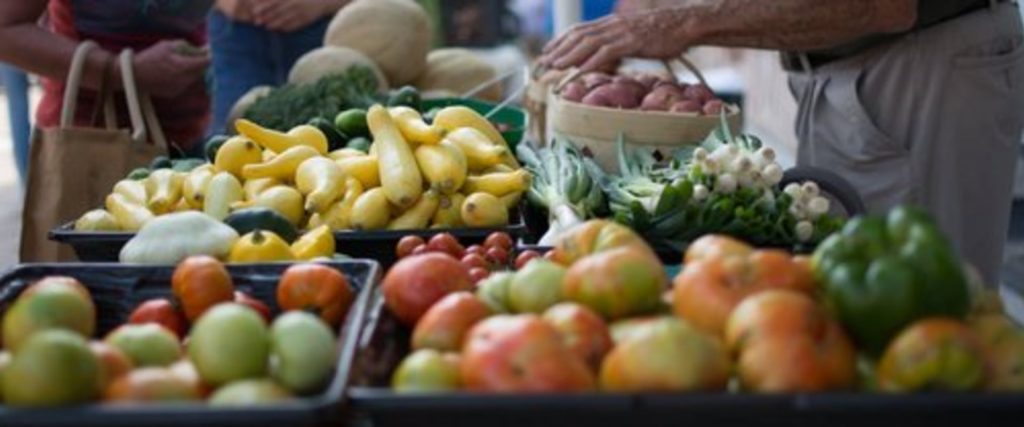
Local markets encompass spaces where farmers, artisans, and small-scale producers sell fresh, seasonal ingredients directly to consumers. Key features include:
- Direct sourcing of fresh produce such as fruits, vegetables, grains, and proteins.
- Specialty items including regional spices, cheeses, cured meats, and fermented products.
- Interactive engagement with vendors, enabling knowledge exchange about cultivation, seasonality, and preparation.
1.2 Cultural and Culinary Importance
- Preservation of regional identity: Markets reflect local agricultural practices and culinary traditions.
- Flavor education: Sampling in markets introduces visitors to unique, native flavors often unavailable in mass-distributed products.
- Community connection: Markets act as social hubs where culinary knowledge is shared and preserved.
1.3 Experiential Opportunities
- Ingredient exploration: Observing seasonal variations, sourcing methods, and varietal differences.
- Vendor interaction: Learning tips on selection, storage, and preparation directly from producers.
- Hands-on participation: Some markets offer workshops, from cheese making to spice blending, enhancing sensory learning.
Section 2: Artisanal Foods – Craftsmanship and Tradition
2.1 Defining Artisanal Foods
Artisanal foods are handcrafted products produced in small batches using traditional methods. Characteristics include:
- Ingredient transparency: Minimal processing, often locally sourced.
- Time-honored techniques: Fermentation, curing, hand-kneading, slow roasting, and smoke-drying.
- Cultural storytelling: Each product reflects regional history, climate, and craftsmanship.
2.2 Culinary and Nutritional Advantages
- Flavor complexity: Traditional methods enhance aroma, texture, and depth.
- Nutritional integrity: Minimal industrial processing retains vitamins, minerals, and bioactive compounds.
- Cultural authenticity: Offers consumers an experience of “taste of place”, preserving intangible heritage.
2.3 Experiential Engagement
- Demonstration workshops: Learning cheese making, bread baking, or cured meat preparation.
- Hands-on production: Participating in artisanal techniques strengthens understanding of culinary processes.
- Tasting and sensory analysis: Evaluating texture, aroma, and mouthfeel provides insight into ingredient impact and craftsmanship.
Section 3: Understanding Ingredient Sourcing
3.1 From Farm to Market
- Seasonality: Visiting farms and market vendors allows recognition of the natural cycles of fruit, vegetables, and herbs.
- Sustainable agriculture: Learning about organic practices, crop rotation, and minimal pesticide use.
- Traceability: Understanding where and how ingredients are grown fosters food literacy and informed consumption.
3.2 Specialty Ingredients
- Regional spices and herbs: Identifying varieties unique to specific climates and soils.
- Heirloom grains and vegetables: Preserving biodiversity and traditional flavors.
- Locally sourced proteins: Fresh seafood, free-range poultry, and ethically raised meats reflect terroir and sustainability.
3.3 Interactions with Producers
- Storytelling: Farmers and producers share methods, history, and personal anecdotes.
- Transparency: Visitors understand differences between industrial and artisanal production.
- Ingredient selection tips: Learning how to choose for ripeness, aroma, and flavor impact.
Section 4: Observing Culinary Processes
4.1 Traditional Techniques
- Fermentation: Yogurt, kimchi, miso, or cheese production demonstrates microbial transformation for flavor and preservation.
- Curing and Smoking: Artisanal meats, fish, and cheeses highlight patience, technique, and environmental influences.
- Baking and Grain Processing: Hand-kneaded breads, stone-ground flours, and fermentation show how texture and flavor are developed.
4.2 Sensory Learning
- Visual assessment: Recognizing color, texture, and consistency of fresh and processed ingredients.
- Aroma profiling: Understanding how herbs, spices, and cooking methods release volatile flavor compounds.
- Taste evaluation: Differentiating flavor intensity and balance influenced by technique and ingredient quality.
4.3 Practical Workshops
- Visitors participate in hands-on preparation, learning the relationship between ingredient quality and cooking outcomes.
- Techniques such as tempering, marinating, and layering flavors are demonstrated in context.
- Integration of culinary science explains the chemical and physical processes behind traditional methods.
Section 5: Experiential Market Tours
5.1 Structure and Engagement
- Guided tours: Led by culinary experts or local chefs, emphasizing ingredient sourcing, preparation, and flavor principles.
- Interactive tastings: Encouraging participants to compare raw and cooked ingredients to understand flavor development.
- Educational components: Discussions on seasonality, sustainability, and regional culinary identity.
5.2 Case Studies
- Italy – Mercato Centrale, Florence: Visitors explore cheeses, cured meats, and regional produce while attending demonstrations on pasta and sauce preparation.
- Thailand – Bangkok Or Tor Kor Market: Focused on exotic fruits, spices, and street snacks with hands-on cooking workshops.
- Mexico – Mercado de San Juan, Mexico City: Specializes in exotic proteins, herbs, and local cheeses, paired with culinary demonstrations.
Section 6: Linking Markets to Gastronomy Education
6.1 Culinary School Integration
- Field visits complement classroom theory on ingredient selection, sensory evaluation, and flavor science.
- Exposure to artisanal production methods enhances understanding of traditional techniques.
- Students learn practical applications of sustainability, food safety, and regional authenticity.
6.2 Tourism and Experiential Learning
- Visitors gain deeper appreciation for culinary heritage.
- Hands-on engagement strengthens connection to regional identity and traditions.
- Market experiences inspire creativity in home cooking and professional gastronomy.
Section 7: Sustainability and Ethical Considerations
7.1 Supporting Local Producers
- Market engagement ensures economic support for small-scale farmers and artisans.
- Encourages ethical sourcing and community development.
7.2 Environmental Impact
- Promotes seasonal consumption, reducing reliance on imported or energy-intensive products.
- Encourages zero-waste cooking practices through leftover utilization and ingredient recycling.
7.3 Preserving Traditional Knowledge
- Documentation of artisanal methods safeguards culinary techniques for future generations.
- Workshops and storytelling maintain the cultural narrative embedded in local ingredients and preparation processes.
Section 8: Technology and Documentation
- Digital archiving: Capturing workshops, market layouts, and artisan practices for research and tourism.
- Photography and video: Showcasing ingredient sourcing, culinary processes, and market culture.
- Interactive apps: Providing educational content, recipe tutorials, and vendor information.
Section 9: Challenges in Market and Artisan Food Experiences
- Seasonal variability: Ingredients may be unavailable year-round.
- Language and cultural barriers: Interaction may be limited without translators or guides.
- Food safety and hygiene: Ensuring public health standards in informal market and workshop settings.
- Commercialization risk: Over-tourism may affect authenticity and community dynamics.
Section 10: Future Trends and Opportunities
- Culinary tourism growth: Increasing demand for hands-on, authentic market experiences.
- Integration with sustainability education: Teaching environmental responsibility alongside culinary skills.
- Fusion workshops: Combining local ingredients with global cooking techniques.
- Virtual and augmented reality: Enabling remote participation in market tours and artisanal workshops.
Conclusion: The Market as Classroom, Kitchen, and Cultural Archive
Exploring local markets and artisanal food production offers more than a culinary adventure; it is an immersive educational journey that connects participants to:
- Ingredient origins and quality
- Traditional preparation techniques
- Cultural and historical narratives behind food
These experiences strengthen culinary literacy, appreciation for craftsmanship, and sustainable practices, providing a foundation for both professional gastronomy and informed, responsible consumption.
By documenting and participating in these processes, travelers, chefs, and food enthusiasts ensure that the knowledge, flavor, and culture embedded in traditional ingredients and artisanal methods continue to thrive in a rapidly globalizing world.