









Curry, in its myriad forms, is more than a dish—it is a cultural phenomenon that bridges centuries of culinary history, regional identity, and global adaptation. Originating in the Indian subcontinent, the concept of curry has evolved through centuries of trade, migration, and cultural exchange, transforming into a diverse set of flavors, techniques, and regional variations. Beyond its taste and aroma, curry serves as a lens to explore the cultural significance of spices, agricultural practices, and gastronomic heritage across regions.
This article examines the intricate relationship between curry and regional spice cultures, highlighting historical origins, regional diversity, sensory science, and global influence. By understanding curry as a cultural artifact, we uncover how spices shape not only food but also the identity and traditions of communities.
The Historical Roots of Curry and Spice Cultures
Curry traces its origins to the Indian subcontinent, where cooking with complex spice blends has been practiced for thousands of years. Early references to spice use in Indian texts emphasize not only flavor but also medicinal and ritualistic functions. Spices such as turmeric, cumin, coriander, and mustard seeds were foundational in traditional diets and Ayurveda.
Trade played a critical role in spreading spices, and consequently curry, across continents:
- The Spice Trade: Indian spices traveled along maritime routes to Southeast Asia, the Middle East, and Europe, influencing local cuisines and giving rise to adaptations such as Thai green curry and Japanese kare.
- Colonial Influence: European colonial powers—especially the British—introduced curry to their home countries, leading to dishes like British-style chicken tikka masala, which represent culinary fusion between Indian techniques and Western palates.
- Migration Patterns: Indian diaspora communities carried regional spice practices abroad, maintaining cultural heritage while adapting recipes to local ingredients and tastes.
Historically, curry has been more than food; it represents a living archive of trade, migration, and cross-cultural interaction.
Regional Diversity of Curry and Spices
Curry is not a monolithic concept. Across India alone, the definition and preparation of curry vary drastically by region, reflecting local agriculture, climate, and cultural influences.
North Indian Curries
- Key Ingredients: Yogurt, cream, ghee, tomatoes, and robust spice blends including garam masala.
- Representative Dishes: Butter chicken, Rogan Josh, Paneer Makhanwala.
- Cultural Significance: Rich and aromatic curries often signify festive occasions and are influenced by Mughal culinary traditions.
South Indian Curries
- Key Ingredients: Coconut milk, curry leaves, mustard seeds, tamarind.
- Representative Dishes: Sambar, Chettinad chicken curry, Kerala fish curry.
- Cultural Significance: These curries emphasize layered spice complexity and balance between heat, sourness, and coconut sweetness, reflecting regional agricultural abundance.
Eastern and Western Indian Curries
- Eastern: Mustard oil and seeds dominate, producing pungent curries like Machher Jhol in Bengal.
- Western: Use of dried red chilies, kokum, and regional legumes yields dishes like Goan prawn curry and Malvani chicken curry.
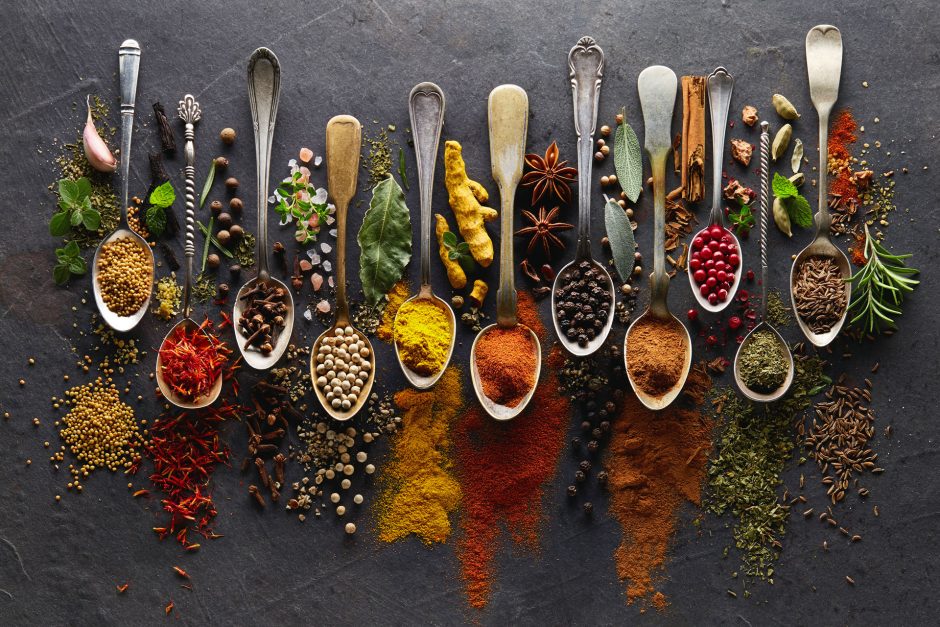
Across regions, the choice and proportion of spices such as cumin, coriander, turmeric, fennel, cardamom, and cloves shape distinct flavor fingerprints, making curry a regional signature rather than a universal recipe.
The Role of Spices in Flavor Architecture
Spices are central to curry, both chemically and culturally. Their combination creates a complex sensory profile that engages taste, aroma, and even visual perception.
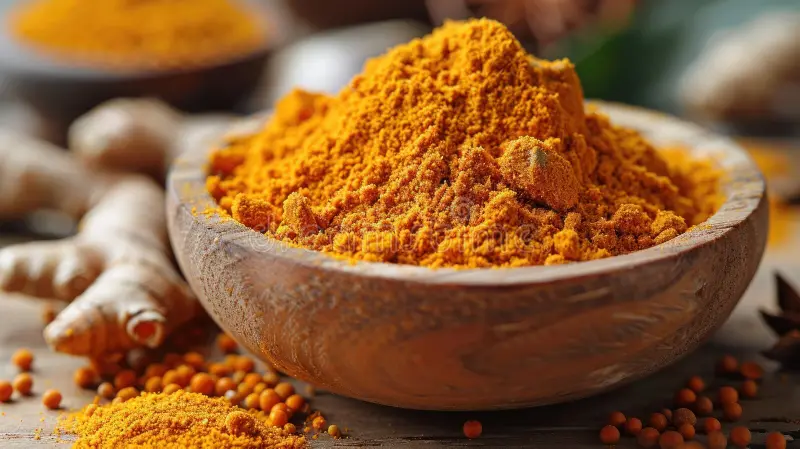
- Turmeric: Contributes earthy bitterness and vibrant color; valued for anti-inflammatory properties.
- Cumin: Provides warmth and depth, essential for balancing other spices.
- Coriander: Offers citrusy freshness that counteracts richness in coconut or dairy-based curries.
- Cloves, Cardamom, Cinnamon: Introduce aromatic top notes and subtle sweetness, often used in slow-cooked gravies.
Spice blending is both science and art. The proportions, roasting methods, and sequence of addition influence flavor release, mouthfeel, and aroma persistence. Traditional recipes often rely on time-honored ratios passed down through generations, creating a regional identity that is inseparable from the spice culture.
Curry as a Lens to Explore Cultural Identity
Curry embodies the culinary identity of its region, often reflecting social structures, festivals, and local beliefs:
- Religious Practices: Certain spices and ingredients are used specifically for ritualistic offerings or during religious festivals.
- Seasonal and Agricultural Cycles: Curries often incorporate seasonal produce, reinforcing sustainable and localized food practices.
- Socioeconomic Indicators: The richness or simplicity of a curry can signify social class or ceremonial importance.
For example, South Indian coconut-based curries highlight coastal abundance, whereas North Indian dairy-rich curries historically signaled prosperity in agrarian societies.
Curry Beyond India: Global Adaptations
As curry traveled globally, it adapted to new ingredients, tastes, and dining customs:
- Southeast Asia: Thai curries often include lemongrass, galangal, and kaffir lime leaves, producing a fragrant, bright, and spicy profile.
- Japan: Japanese kare combines roux with local vegetables and mild spice blends for a comforting, slightly sweet flavor.
- United Kingdom: British curry, influenced by Anglo-Indian fusion, balances heat with creaminess and tends to use more tomato-based sauces.
These adaptations illustrate how spice culture evolves while retaining its connection to heritage, blending local taste preferences with traditional techniques.
Culinary Tourism and Spice Education
Interest in curry and regional spices has fueled culinary tourism, where travelers seek authentic experiences:
- Spice Market Tours: Visitors explore traditional spice bazaars, learning about sourcing, grading, and usage.
- Cooking Classes: Hands-on workshops teach spice blending, preparation techniques, and regional curry variations.
- Farm-to-Table Experiences: Travelers engage with local agriculture, harvesting spices and preparing curries with indigenous methods.
Such initiatives deepen appreciation for the cultural and historical significance of spices, highlighting curry as a portal to understanding a region’s identity.
Sensory Science and Curry Perception
Curry provides an ideal case study for sensory science and flavor psychology:
- Flavor Layering: Curry recipes often balance primary taste profiles—sweet, sour, salty, bitter, and umami—while incorporating aroma, texture, and heat for a multi-dimensional experience.
- Temperature and Texture: Heat, viscosity, and mouthfeel enhance perceived richness and satisfaction.
- Cultural Perception: Familiarity with regional spices affects flavor appreciation. For instance, repeated exposure to chili heat increases tolerance and enjoyment over time.
Scientific analysis of curry flavors contributes to food innovation, enabling chefs to create novel yet culturally resonant dishes.
Challenges in Preserving Regional Spice Cultures
Globalization presents both opportunities and threats:
- Standardization: Mass production of spice blends can dilute regional specificity.
- Ingredient Substitution: Imported substitutes or non-native cultivation practices may alter traditional flavor profiles.
- Knowledge Loss: Younger generations may lose artisanal knowledge of spice roasting, grinding, and blending techniques.
Preserving spice heritage requires documentation, education, and hands-on culinary practice, ensuring that regional curry identities endure.
Future Directions: Innovation and Sustainability
The evolving curry landscape emphasizes sustainability, innovation, and cultural preservation:
- Ethically Sourced Spices: Encouraging fair trade and sustainable cultivation practices.
- Climate-Resilient Crops: Adapting spice farming to environmental changes to preserve regional flavors.
- Fusion with Modern Techniques: Molecular gastronomy and modern plating can reinterpret traditional curries without losing cultural essence.
- Digital Culinary Archives: Interactive platforms documenting spice origins, regional recipes, and preparation methods ensure global access and preservation.
Through these measures, curry continues to act as both a culinary delight and a cultural ambassador, bridging tradition and modernity.
Conclusion
Curry is far more than a dish; it is a gateway into the rich tapestry of regional spice cultures, culinary history, and cultural identity. By studying its ingredients, preparation methods, and regional variations, we gain insight into how spices shape flavor, nutrition, tradition, and even social structures. From ancient spice markets to modern fusion restaurants, curry continues to evolve while maintaining its deep connection to local heritage.
Understanding curry in this context requires appreciation of the art, science, and cultural significance of spices, making each bite a journey through geography, history, and sensory experience. As culinary exploration and global interest expand, curry remains a vibrant testament to humanity’s enduring relationship with spices, tradition, and creativity.