










Introduction: A Return to Intimacy and Authenticity
In recent years, there has been a remarkable resurgence of interest in family-run restaurants and hidden eateries, marking a departure from the corporate-driven dining experiences that dominate the modern food scene. These establishments, often small in scale and charmingly unpretentious, focus on providing diners with an authentic, personal experience that large chains cannot replicate.
Family-run eateries and hidden restaurants offer more than just food—they deliver a sense of nostalgia, community, and culinary artistry that reflects the heart and soul of their creators. This article delves into the revival of these types of dining spots, exploring their significance in the food industry, the appeal they hold for modern diners, and the cultural factors driving this trend. We will also examine how these restaurants continue to thrive in an age where larger, more commercialized establishments dominate the market.
Section 1: The Appeal of Family-Run Restaurants
1.1 A Legacy of Tradition and Personal Touch
Family-run restaurants have long been celebrated for their ability to deliver meals with a personal touch that larger operations often lack. The family dynamic is at the core of many of these businesses, where recipes and techniques are passed down through generations. These establishments often focus on regional cuisine, drawing inspiration from local ingredients and long-standing culinary traditions.
For example, in a small Italian trattoria run by a family, diners may experience dishes that are heirlooms, passed down through multiple generations, prepared with care and passion. The owners are usually involved in every aspect of the business, from preparing meals to greeting guests. This hands-on approach allows for exceptional quality control and ensures that every dish meets the family’s high standards.
1.2 The Warmth of Home Cooking
Unlike the sterile, commercial feel of chain restaurants, family-run eateries often convey a sense of home. These spaces are intimate, with smaller dining areas and personal touches that evoke comfort and warmth. The meals served are frequently hearty, homemade, and reflect the culinary style of the family or region they originate from.
Whether it’s the aroma of a freshly baked loaf of bread or the sight of a chef handcrafting each dish with care, these intimate settings give diners a sense of belonging. The attention to detail and commitment to authentic flavors make every visit to a family-run restaurant a special occasion.
1.3 The Role of Word-of-Mouth and Community
Family-run eateries often thrive on word-of-mouth marketing, building loyal customer bases through personal relationships and positive experiences. This creates a strong sense of community, where diners feel they are not just customers but part of the family. Recommendations spread through local networks, with patrons returning regularly and bringing new guests to experience the charm of these establishments.
Furthermore, family-run restaurants often cater to the specific tastes and preferences of their local communities. They are intimately tied to the culture, values, and traditions of their surroundings. This localized approach gives them a distinctive identity that sets them apart from more mainstream, chain restaurants.
Section 2: The Rise of Hidden Eateries
2.1 Defining Hidden Restaurants
Hidden eateries or secret dining spots are restaurants that are deliberately concealed, often located in unassuming or non-traditional settings. These may include speakeasies, back-alley eateries, or even homes converted into dining spaces. The allure of these hidden gems lies in their exclusivity and mystery, offering diners a sense of adventure and discovery that typical restaurants cannot replicate.
Many hidden restaurants do not advertise publicly or rely on traditional methods of marketing. Instead, they attract customers through invitation-only access, underground food networks, or personal referrals. This level of privacy and secrecy adds a sense of excitement and intrigue to the dining experience, making it more memorable for those fortunate enough to gain access.
2.2 The Allure of Secrecy and Exclusivity
The appeal of hidden eateries is deeply rooted in the human desire for exclusivity. People are naturally drawn to experiences that feel unique and hard to come by. Being part of an exclusive “insider” group that knows about a hidden restaurant or secret menu can make diners feel like they are part of something special.
These dining spots often have restricted seating, with reservations booked well in advance. The exclusive nature of these restaurants fuels a sense of luxury and prestige, despite the lack of conventional grandeur. Hidden restaurants often focus on providing a highly personalized experience for each guest, whether through curated tasting menus or intimate chef interactions.
2.3 The Experience of Discovery
Finding and dining at a hidden eatery is a form of discovery. It’s not just about the food; it’s about unlocking a secret, experiencing something that others might not know about. This sense of exploration is highly appealing in today’s world, where many diners are looking for unique experiences beyond the cookie-cutter, predictable offerings of mainstream restaurants.
Hidden restaurants often offer innovative and experimental dishes that are not found anywhere else. Since these places are often small-scale, they have the flexibility to experiment with new ingredients, fusion concepts, or even avant-garde cooking techniques without the constraints that larger establishments face.
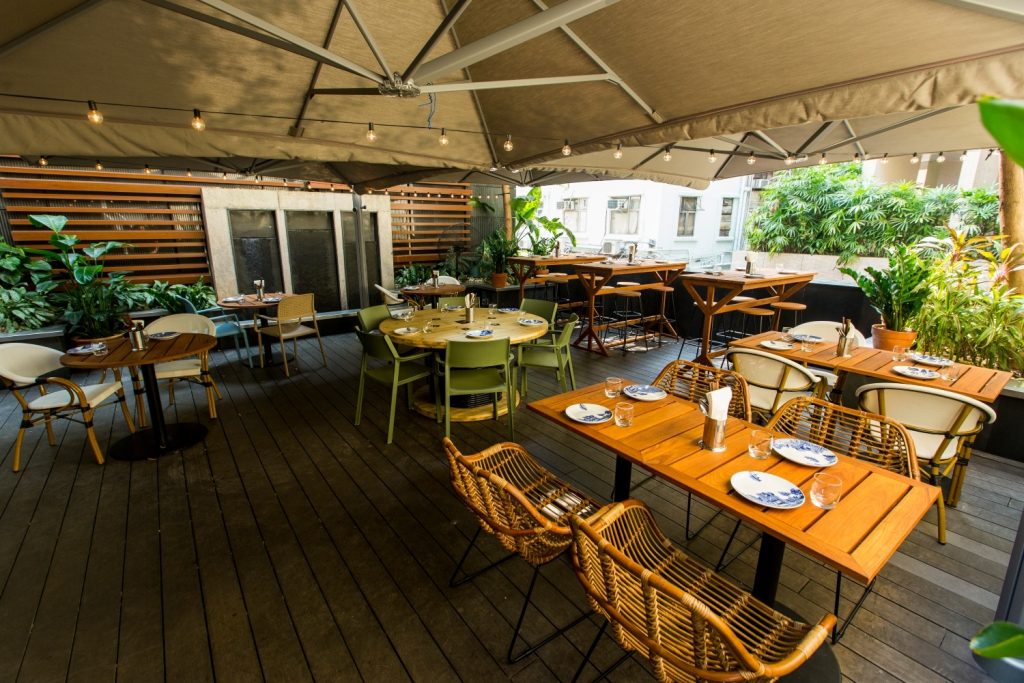
Section 3: The Cultural Revival of Family-Run and Hidden Restaurants
3.1 Nostalgia and the Search for Authenticity
The resurgence of family-run and hidden eateries can be attributed to a growing desire for authenticity in dining. As the food industry has become more commercialized, many diners have started to seek out restaurants that feel more genuine, where they can experience food that is not mass-produced or standardized.
In a world where many dishes have become corporate-owned, there is a longing for the nostalgic simplicity and authenticity of family-run operations. People are looking for local, handmade food that is rooted in tradition, often with recipes passed down through generations.
For hidden restaurants, this desire for authenticity can manifest as a search for secret, local flavors. Hidden eateries that offer local specialties, whether it’s regional street food or traditional recipes, connect diners to the true culinary spirit of a place.
3.2 Sustainability and Supporting Local Businesses
Another important cultural factor is the growing focus on sustainability and supporting local businesses. Family-run and hidden eateries often emphasize sourcing ingredients locally, working with nearby farms and suppliers to reduce their carbon footprint and ensure fresh, seasonal offerings.
As diners become more conscious of where their food comes from and the impact of their consumption, many are turning to these small, family-run restaurants as a way to support their communities. These businesses are often more sustainable, with a smaller environmental footprint compared to large-scale restaurants and chains.
3.3 The Influence of Social Media and Online Communities
The rise of social media platforms, such as Instagram, has played a significant role in the revival of hidden eateries. Although these spots may be secretive by design, they often rely on social media buzz and online food communities to spread the word. Food bloggers, Instagram influencers, and online reviews have become essential tools in uncovering these secret dining spots, making them even more desirable.
Social media platforms allow diners to share their experiences, post photographs of the food, and recommend hidden spots to their followers, creating a ripple effect that brings attention to these establishments. The visual nature of platforms like Instagram has turned hidden eateries into Instagrammable destinations, where the ambiance, plating, and exclusivity of the experience are part of the appeal.
Section 4: Challenges and Opportunities for Family-Run and Hidden Eateries
4.1 The Struggles of Operating a Family-Run Restaurant
Despite their charm, family-run restaurants face significant challenges. One of the biggest hurdles is sustainability. Family-run eateries often operate on thin profit margins, with rising costs for ingredients, labor, and rent. Additionally, managing a family-run restaurant requires not only culinary skills but also business acumen, which can be difficult to master without formal training.
Succession planning can also be an issue. If a family-run restaurant is passed down through generations, the younger generation may have different visions or priorities, leading to conflicts or even the closure of the business.
4.2 Finding Balance Between Exclusivity and Accessibility
For hidden eateries, the key challenge is balancing exclusivity with accessibility. While being hidden adds to the charm, there must be a sustainable business model to keep the doors open. Many hidden restaurants rely on word-of-mouth and limited seating to create an air of exclusivity, but this can also limit their growth.
It’s crucial for these spots to strike a balance between creating an exclusive dining experience and being able to scale without losing the charm that makes them unique.
4.3 Embracing Technology and Innovation
Family-run and hidden eateries can benefit from embracing technology to enhance their operations. Online reservations, delivery services, and digital marketing can help these establishments reach a larger audience while maintaining their unique appeal. For example, many family-run restaurants are now using social media platforms to connect with potential customers, share their stories, and showcase their culinary creations.
Additionally, sustainability and innovation are key opportunities for these restaurants to stand out. By integrating modern techniques while maintaining their traditional roots, they can provide cutting-edge dining experiences without losing the authenticity and warmth that make them special.
Conclusion: A Bright Future for Family-Run and Hidden Eateries
The revival of family-run restaurants and hidden eateries represents a return to the authentic, personalized dining experiences that many diners crave. As people increasingly seek connections to the past and a deeper understanding of food, these small-scale restaurants offer an intimate, community-driven alternative to the impersonal world of mass dining.
The future of these establishments looks promising as they adapt to modern trends, harnessing technology and social media to expand their reach without compromising their core values. By maintaining their focus on quality ingredients, authenticity, and cultural heritage, family-run and hidden eateries are poised to thrive in an ever-changing food landscape.
These establishments continue to be a testament to the power of family, tradition, and community in the modern world, offering food that nourishes both the body and the soul.