








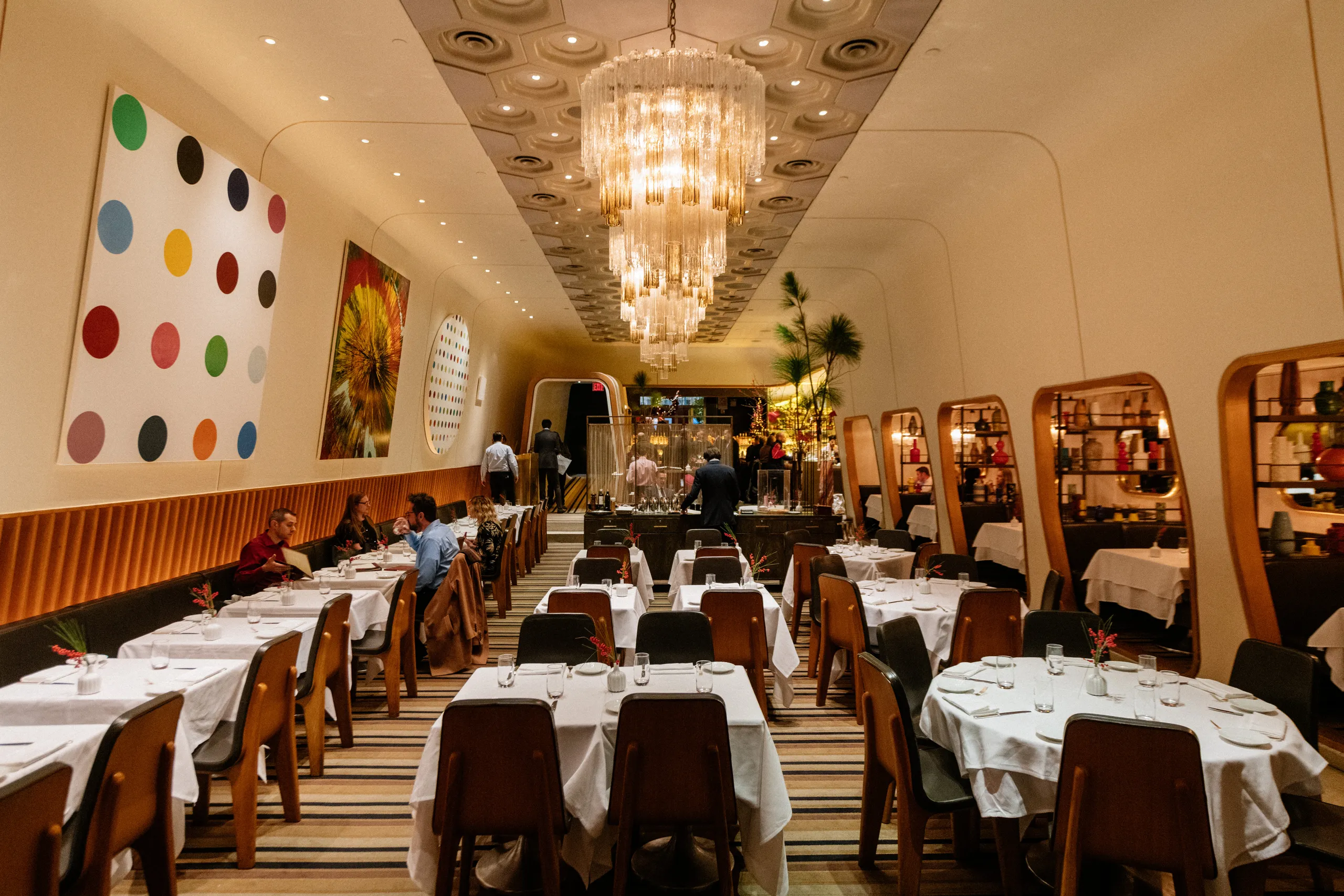

In today’s rapidly evolving world, traditional boundaries between different spaces are becoming increasingly blurred. One of the most exciting and innovative trends is the merging of restaurants, art galleries, and technology-driven environments. These hybrid spaces are not only changing the way we eat and socialize but are also transforming our understanding of art, entertainment, and culture.
As food, art, and technology intersect, new forms of immersive experiences are being created that challenge our conventional expectations. In this article, we explore the integration of restaurants with art galleries and technology spaces, how these concepts are reshaping the dining experience, and the future of this exciting trend.
The Evolution of Dining Spaces: From Traditional to Hybrid Concepts
Traditional Dining Spaces vs. Modern Experiences
Traditionally, restaurants have been places primarily designed for eating—functional spaces where people gather to enjoy food. However, in recent years, the restaurant industry has shifted towards creating environments that are not just about consumption but also about experience. The lines between different types of spaces, such as galleries, art installations, and technology-driven experiences, are becoming increasingly blurred.
Restaurants are now evolving from simple food-serving establishments into multi-sensory environments that stimulate not only the taste buds but also the eyes, ears, and even the mind. By integrating art and technology, these new dining concepts are offering something far beyond just a meal—they are offering an experience.
The Rise of Hybrid Spaces
In the 21st century, we’ve witnessed the rise of hybrid spaces that combine dining with other cultural activities. These spaces often feature interactive art galleries, exhibitions, digital art installations, and even tech hubs, turning traditional dining into an interactive journey. Guests are no longer just eating—they are participating, engaging, and sometimes even co-creating the experience.
Key aspects of hybrid spaces include:
- Interactive art that invites guests to engage with and contribute to the experience.
- Technology-driven environments that enhance sensory experiences, such as augmented reality or interactive projection mapping.
- Cultural and social spaces that encourage collaboration between artists, chefs, and technologists to create a seamless experience.
Why Restaurants Are Turning to Galleries and Tech Spaces
The Desire for a Multi-Sensory Experience
One of the primary reasons restaurants are incorporating art galleries and technology into their spaces is to create a multi-sensory dining experience. People today are seeking more than just food—they are looking for an experience that touches multiple senses, creating lasting memories.
- Sight: With art galleries or digital installations, the visual element of a meal becomes more interactive. Projections, live art displays, or digital installations can accompany the food, turning a meal into an immersive experience.
- Sound: Technology can also bring sound into the dining environment. From ambient sounds designed to enhance the atmosphere to live performances or interactive audio installations, sound plays a vital role in setting the mood.
- Taste: The menu itself becomes a part of the experience, with chefs sometimes incorporating art or technology to make food interactive, like molecular gastronomy or 3D-printed dishes.
- Touch: Tech-driven dining spaces can integrate tactile elements—whether it’s through the use of augmented reality or interactive menus—to engage the diners’ sense of touch in new ways.
Changing Consumer Expectations
With the rise of Instagram culture and the desire for unique, shareable experiences, dining has become about more than just satisfying hunger. Consumers are seeking memorable moments—experiences that can be captured, shared, and talked about. The integration of art and technology in dining allows restaurants to meet this demand for novelty, creativity, and experiential dining.
- Social Media Influence: The visual appeal of an environment plays a significant role in attracting customers. Instagram-worthy spaces, where art, food, and technology collide, encourage guests to share their experiences online, helping to boost the restaurant’s visibility and reputation.
- Personalization: Technology allows restaurants to personalize experiences for their guests. Interactive menus, augmented reality, or customized lighting create an experience tailored to individual preferences.
The Desire for Immersive Art
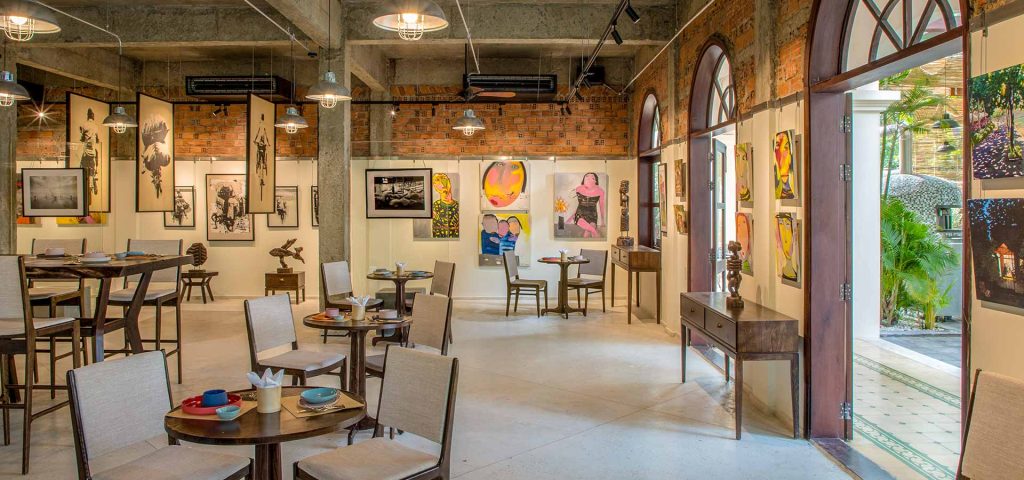
Incorporating art into restaurants has become a way to attract customers who are seeking cultural enrichment and creative environments. The integration of art galleries into dining spaces allows restaurants to offer an environment where food and art co-exist, and where guests can enjoy visual stimuli while dining. Art in this context can serve multiple purposes:
- Enhancing ambiance and setting the mood.
- Provoking thought and inspiring conversation.
- Offering a platform for local or emerging artists to showcase their work.
Restaurants with galleries often curate rotating exhibitions, providing patrons with a new experience every time they visit. This creates a sense of novelty and exclusivity, as customers look forward to seeing new pieces and exploring different artistic styles while enjoying their meal.
Notable Examples of Restaurants, Galleries, and Tech Spaces
1. The Museum of Ice Cream (USA)
One of the most famous examples of combining art, technology, and food is the Museum of Ice Cream, which originated in New York and has since expanded to multiple locations. The museum is a fully immersive experience where visitors can interact with art installations, participate in interactive rooms, and of course, enjoy ice cream. It combines technology, art, and food in a playful, engaging way.
- Innovative Features: The Museum of Ice Cream integrates augmented reality, interactive installations, and bright, Instagram-worthy displays to enhance the experience.
- Why It Works: The fusion of art and food, paired with cutting-edge technology, creates a unique and memorable experience that attracts visitors from around the world.
2. Nudie Jeans Café (Sweden)
In Stockholm, the Nudie Jeans Café combines a restaurant with an art gallery and a sustainability-driven space. The cafe’s design is heavily influenced by the brand’s ethos of sustainable fashion, while the gallery showcases works that align with the brand’s values. The tech aspect comes into play through the integration of interactive displays and sustainability-focused digital technologies.
- Innovative Features: The space combines food with discussions on fashion sustainability, and patrons can view art installations and fashion exhibitions while dining.
- Why It Works: By integrating art, food, and sustainability, Nudie Jeans Café offers a unique cultural experience that blends creativity and conscious consumption.
3. The Icebar (Sweden)
In the Icebar in Stockholm, the integration of technology into a restaurant environment is taken to a new level. The entire restaurant is made of ice, from the walls to the furniture, creating an incredibly unique and visually stimulating experience. Guests are served food and drinks in glasses made of ice while experiencing projections, interactive light installations, and augmented reality elements that enhance the overall environment.
- Innovative Features: The Icebar features interactive lighting that changes color based on guests’ movements, as well as projected art that transforms the dining area into an ever-changing canvas.
- Why It Works: The combination of cutting-edge technology and interactive art creates an extraordinary sensory experience, while the frozen environment adds an element of surprise and excitement.
The Future of Hybrid Dining Spaces
The future of hybrid restaurants that combine art galleries and tech spaces is bright, with many trends emerging that will likely shape the landscape in the coming years. Some possibilities include:
1. Augmented Reality Dining
We are already seeing the integration of augmented reality (AR) into dining experiences, where diners can interact with their food or surroundings in new ways. In the future, AR could become an essential part of dining, allowing guests to see virtual art projections, participate in immersive stories, or engage with interactive menus that enhance the sensory experience.
2. Sustainability and Technology Integration
As concerns about sustainability grow, restaurants are likely to increasingly use technology to reduce waste, optimize food sourcing, and create eco-friendly dining environments. This could involve the integration of sustainable farming technologies, energy-efficient lighting, and zero-waste practices.
3. Collaborative Spaces for Food and Art
The future may also see more collaborative spaces where artists, chefs, and tech innovators come together to co-create new dining experiences. These spaces could blur the lines even further between food, art, and technology, creating a vibrant, dynamic environment where creativity knows no bounds.
Conclusion: A New Paradigm in Dining
The fusion of restaurants with art galleries and tech spaces represents a new era of dining that goes beyond mere sustenance. By integrating art, technology, and culinary creativity, these hybrid spaces offer guests a chance to engage in a multi-sensory experience that stimulates the mind, body, and soul.
As these concepts continue to evolve, the future of dining may very well involve spaces that blur the lines between eating, experiencing, and creating. The rise of hybrid restaurants, where food meets art and technology, signifies a bold step forward in how we understand not just food but culture and experience in the modern world.