









Introduction: When Excess Loses Its Luster
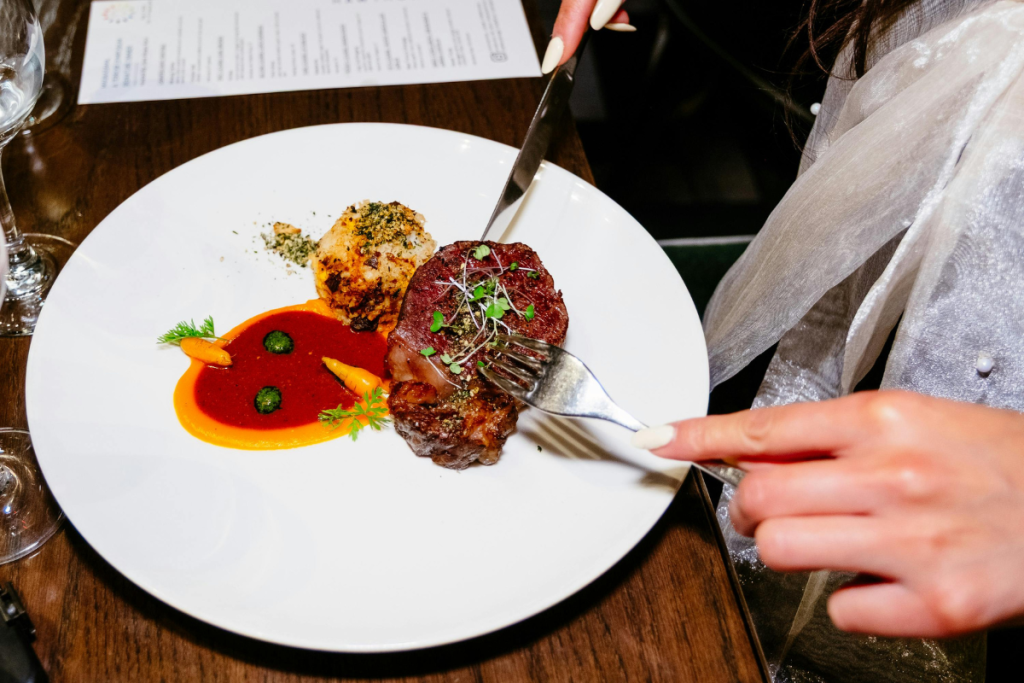
For decades, fine dining symbolized the pinnacle of culinary achievement. White tablecloths, choreographed service, tasting menus that stretched for hours, and dishes plated with architectural precision came to represent not just food, but status, sophistication, and cultural capital. Yet in recent years, a countercurrent has been gaining strength across global food cultures—what many critics, chefs, and diners now call “anti–fine dining.”
This movement is not simply a rejection of luxury or technique. Rather, it reflects a deeper cultural shift: a collective yearning to return food to its everyday role as nourishment, comfort, and social glue. Anti–fine dining challenges the assumptions that “better” food must be more expensive, more exclusive, or more complex. It embraces simplicity without naïveté, casualness without carelessness, and tradition without nostalgia. In doing so, it marks a broader return to the everyday—to meals that feel lived-in rather than staged, and to dining experiences that prioritize authenticity over performance.
This article explores the origins, characteristics, and implications of anti–fine dining, situating it within wider social, economic, and cultural transformations. By examining its aesthetics, values, and future trajectory, we can better understand why the everyday has once again become aspirational.
1. Defining “Anti–Fine Dining”: Beyond Rebellion
At first glance, “anti–fine dining” sounds oppositional, even antagonistic. But the movement is less about destruction than redefinition.
Anti–fine dining does not necessarily reject skill, knowledge, or high-quality ingredients. Instead, it resists:
- Excessive formality and rigid dining rituals
- Overly long tasting menus designed for spectacle rather than appetite
- Aesthetic perfection that eclipses flavor and satisfaction
- Price structures that equate cost with value
- Power imbalances between chef, server, and diner
In its place, anti–fine dining emphasizes approachability, context, and use-value. The food should make sense for the time, place, and people eating it. A bowl of noodles served quickly and eaten standing up can be as meaningful—sometimes more so—than a twelve-course degustation consumed in hushed reverence.
Crucially, anti–fine dining is not “cheap food” or “lazy cooking.” It is intentional simplicity, often underpinned by deep culinary intelligence.
2. Historical Roots: How Fine Dining Became the Norm
To understand the rise of anti–fine dining, we must first understand how fine dining achieved its cultural dominance.
2.1 The French Legacy
Modern fine dining owes much to French culinary tradition, particularly the codification of haute cuisine in the 19th and early 20th centuries. Auguste Escoffier’s brigade system, standardized sauces, and hierarchical kitchens laid the foundation for restaurants as temples of gastronomy.
These systems prized:
- Technical mastery
- Consistency and repeatability
- Formal service structures
Over time, this model spread globally, becoming the benchmark against which “serious” restaurants were judged.
2.2 The Michelin Effect
The Michelin Guide further reinforced fine dining’s prestige. Stars became a universal currency of culinary excellence, shaping chefs’ ambitions and diners’ expectations. While Michelin recognition elevated many cuisines, it also encouraged:
- Risk-averse menus
- Homogenized aesthetics
- A focus on critics over communities
As restaurants chased stars, dining experiences often grew more expensive, exclusive, and disconnected from everyday life.
3. Fatigue with Performance: Why Diners Are Opting Out
By the early 21st century, cracks began to appear in the fine dining façade. Diners, especially younger generations, started questioning whether the experience justified the cost—financial, emotional, and temporal.
3.1 Time Poverty and Lifestyle Shifts
In an era defined by busy schedules and fragmented attention, the three- or four-hour tasting menu feels increasingly out of sync with daily life. Anti–fine dining responds to this by offering:
- Shorter menus
- Faster service without rushing
- Flexible dining formats
The goal is not to compress pleasure, but to integrate it more seamlessly into everyday routines.
3.2 Emotional Distance and Intimidation
Fine dining often demands a specific kind of behavior: knowing how to read the room, pronounce dish names, and navigate unspoken rules. For many, this creates anxiety rather than enjoyment.
Anti–fine dining lowers these barriers. It invites diners to relax, ask questions, eat with their hands if they want, and focus on how the food makes them feel—not how they appear while eating it.
4. The Aesthetics of the Everyday
One of the most striking aspects of anti–fine dining is its visual language. Where fine dining favors minimalism and symmetry, anti–fine dining often embraces imperfection and warmth.
4.1 Plates, Not Pedestals
Food in anti–fine dining contexts is often:
- Served in mismatched or utilitarian tableware
- Plated simply, sometimes even messily
- Designed to be eaten easily, not admired from afar
This aesthetic signals honesty. It tells diners that the kitchen is not hiding behind visual tricks; flavor and substance take priority.
4.2 Space as Social Environment
Anti–fine dining spaces frequently blur the line between restaurant and home:
- Open kitchens
- Communal tables
- Casual seating
The result is a sense of shared experience rather than staged consumption.
5. Culinary Philosophy: Simplicity as a Skill
A common misconception is that simpler food requires less expertise. In reality, anti–fine dining often demands greater precision, because there is nowhere to hide mistakes.
5.1 Ingredient-Led Cooking
Anti–fine dining places ingredients at the center. This often means:
- Seasonal sourcing
- Local supply chains
- Minimal processing
When a dish has only a few components, each one matters. The cook must understand texture, balance, and timing intimately.
5.2 Technique in Service of Flavor
Rather than showcasing technique for its own sake, anti–fine dining uses skill invisibly. Fermentation, slow cooking, or careful butchery may underpin a dish, but the diner encounters only the result: something satisfying, familiar, and quietly excellent.
6. Economic Realities: Sustainability for Restaurants and Workers
Fine dining is notoriously difficult to sustain. High labor costs, expensive ingredients, and narrow profit margins have led many acclaimed restaurants to close despite critical success.
Anti–fine dining offers alternative economic models.
6.1 Lower Overheads, Higher Resilience
By simplifying menus and service structures, anti–fine dining restaurants can:
- Reduce staffing pressures
- Minimize waste
- Adapt more easily to market fluctuations
This resilience became especially visible during global crises that disrupted traditional dining models.
6.2 Rethinking Labor and Hierarchy
Anti–fine dining often rejects rigid kitchen hierarchies. Flatter structures can improve:
- Worker well-being
- Skill-sharing
- Long-term retention
In this sense, the movement is as much about how food is made as about how it is eaten.
7. Cultural Identity and the Revaluation of “Ordinary” Foods
Another defining feature of anti–fine dining is its embrace of foods long considered too humble for serious attention.
7.1 Street Food and Home Cooking as Inspiration
Dishes rooted in street food or domestic kitchens—noodles, stews, flatbreads—are increasingly celebrated. Anti–fine dining reframes these foods not as “elevated,” but as already complete.
This shift resists the idea that value must come from transformation. Instead, it honors continuity and memory.
7.2 Decentering Western Culinary Hierarchies
By valuing everyday foods, anti–fine dining also challenges Eurocentric definitions of refinement. Many non-Western food traditions have always prioritized:
- Communal eating
- Informality
- Flavor over presentation
The movement creates space for these traditions to be appreciated on their own terms, not filtered through fine dining conventions.
8. Technology, Media, and the Changing Food Narrative
Food media has played a crucial role in shaping the anti–fine dining discourse.
8.1 Social Media and Authenticity
On platforms where immediacy and relatability matter, a perfectly imperfect bowl of noodles can resonate more than a meticulously plated dish. Anti–fine dining aligns with a desire for:
- Transparency
- Process over polish
- Stories over spectacle
8.2 From Celebrity Chefs to Community Voices
The focus has gradually shifted from singular star chefs to:
- Small teams
- Family-run businesses
- Community-centered kitchens
This decentralization mirrors the movement’s broader rejection of hierarchy.
9. The Psychology of Comfort: Why the Everyday Feels Radical
At a deeper level, anti–fine dining responds to psychological needs shaped by uncertainty and rapid change.
9.1 Comfort Without Nostalgia
The everyday foods celebrated by anti–fine dining often evoke comfort, but they are not frozen in the past. They adapt, incorporating new ingredients or techniques while retaining their emotional core.
9.2 Predictability as a Luxury
In a world of constant novelty and disruption, predictability itself has become valuable. Knowing that a dish will satisfy without surprising you can be deeply reassuring.
Anti–fine dining recognizes this and treats reliability as a virtue, not a flaw.
10. Criticisms and Misunderstandings
No movement is without its critics, and anti–fine dining is no exception.
10.1 Is It Anti-Ambition?
Some argue that anti–fine dining discourages culinary ambition. In reality, it redirects ambition away from prestige metrics toward meaningful impact—feeding people well, consistently, and ethically.
10.2 The Risk of Romanticizing Simplicity
There is also a danger of turning “the everyday” into a new aesthetic cliché. True anti–fine dining resists this by staying grounded in function and community, rather than trend-driven minimalism.
11. The Future: Coexistence, Not Replacement
Anti–fine dining does not spell the end of fine dining. Instead, it suggests a more pluralistic culinary landscape.
11.1 A Broader Definition of Excellence
Excellence can mean:
- A perfectly executed tasting menu
- Or a deeply satisfying daily meal
The key difference lies in intention and context, not hierarchy.
11.2 Lessons for Fine Dining
Even traditional fine dining has begun to absorb lessons from its “anti” counterpart:
- More relaxed service
- Shorter menus
- Greater emphasis on comfort
This cross-pollination enriches the entire food ecosystem.
Conclusion: Returning to the Table
“Anti–fine dining” is ultimately less about opposition than about re-centering. It asks us to reconsider what we value in food and why. By returning to the everyday, it restores eating to its fundamental role: a shared human activity that sustains bodies, relationships, and cultures.
In a time when so much feels abstracted, optimized, and performative, the quiet radicalism of an honest meal cannot be overstated. Anti–fine dining reminds us that progress in food does not always mean moving forward into complexity. Sometimes, it means circling back—toward simplicity, presence, and the deeply ordinary pleasures we nearly forgot how to appreciate.